An on-going series on the relationship between Southeast Asian communities and the water bodies around them.
Water Series I: Life Around the Lake
(Myanmar)
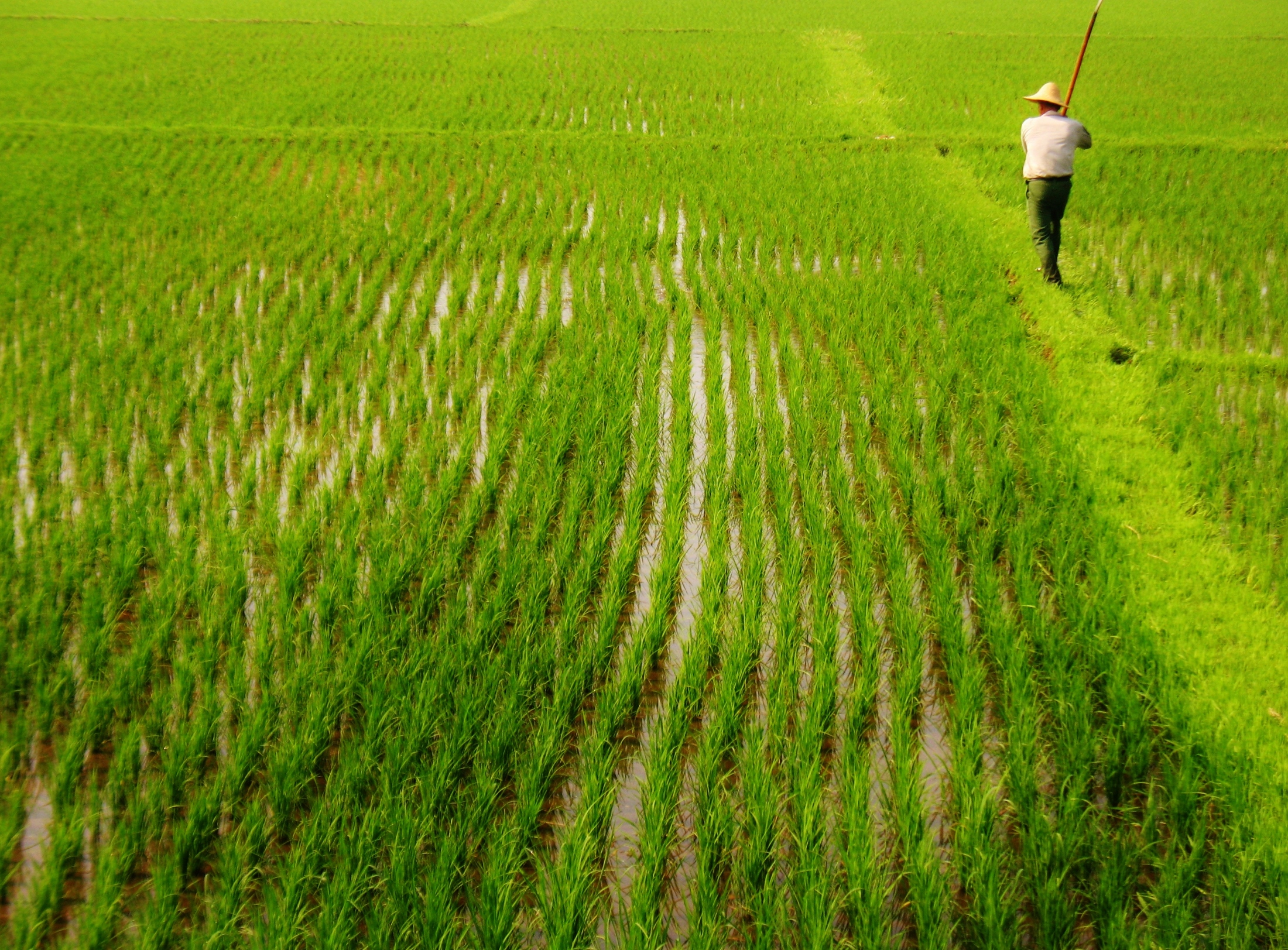
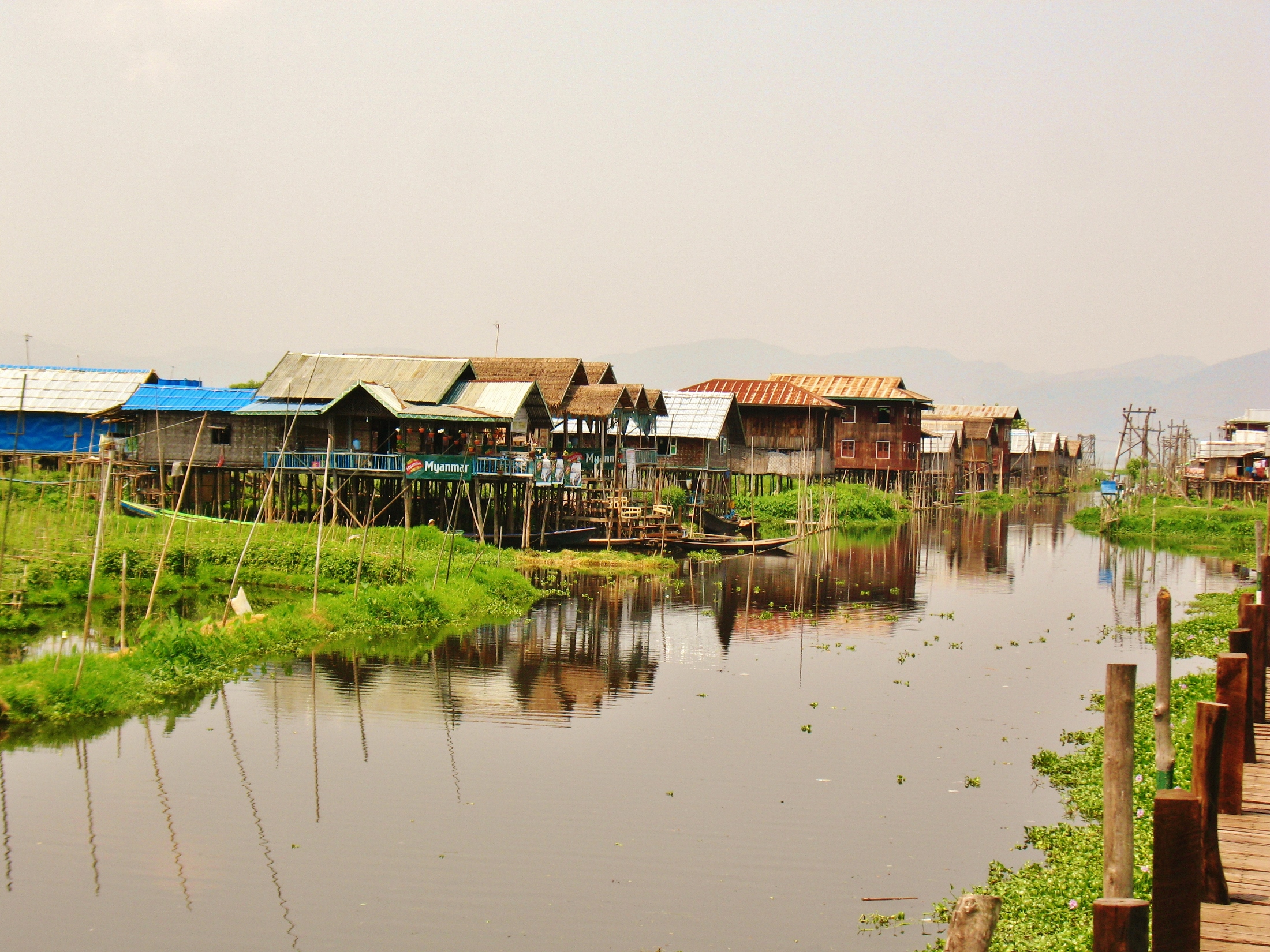
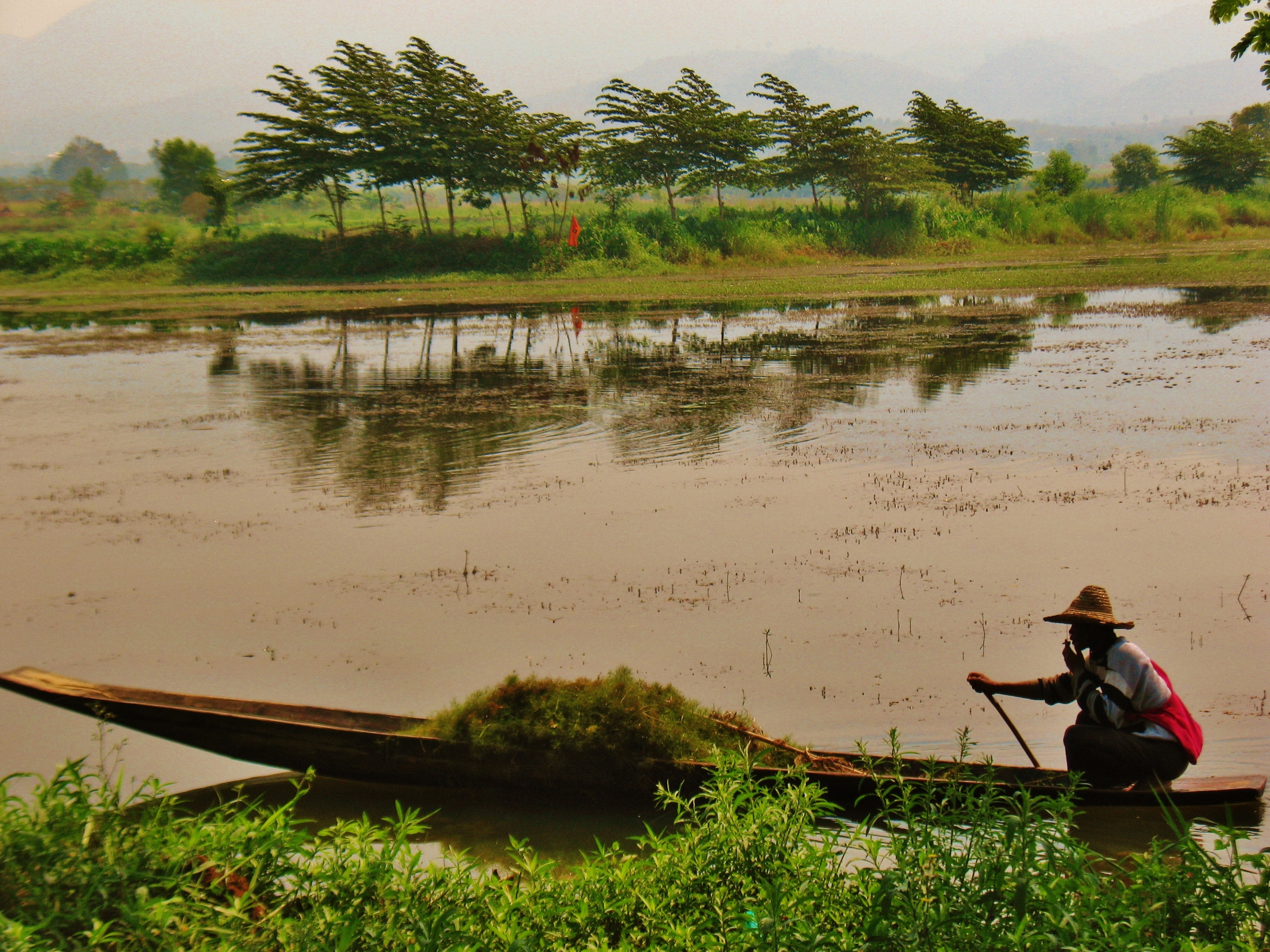
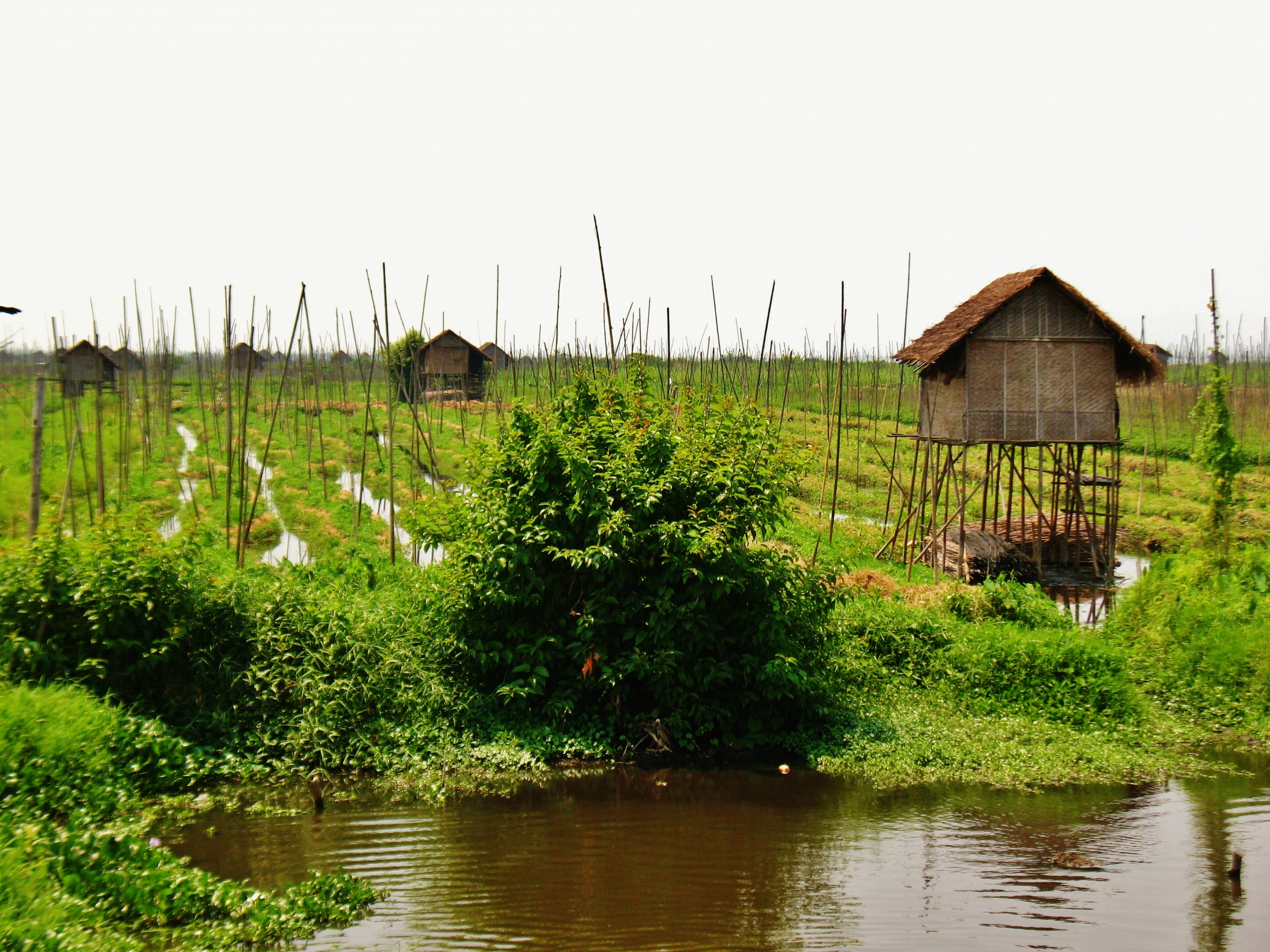
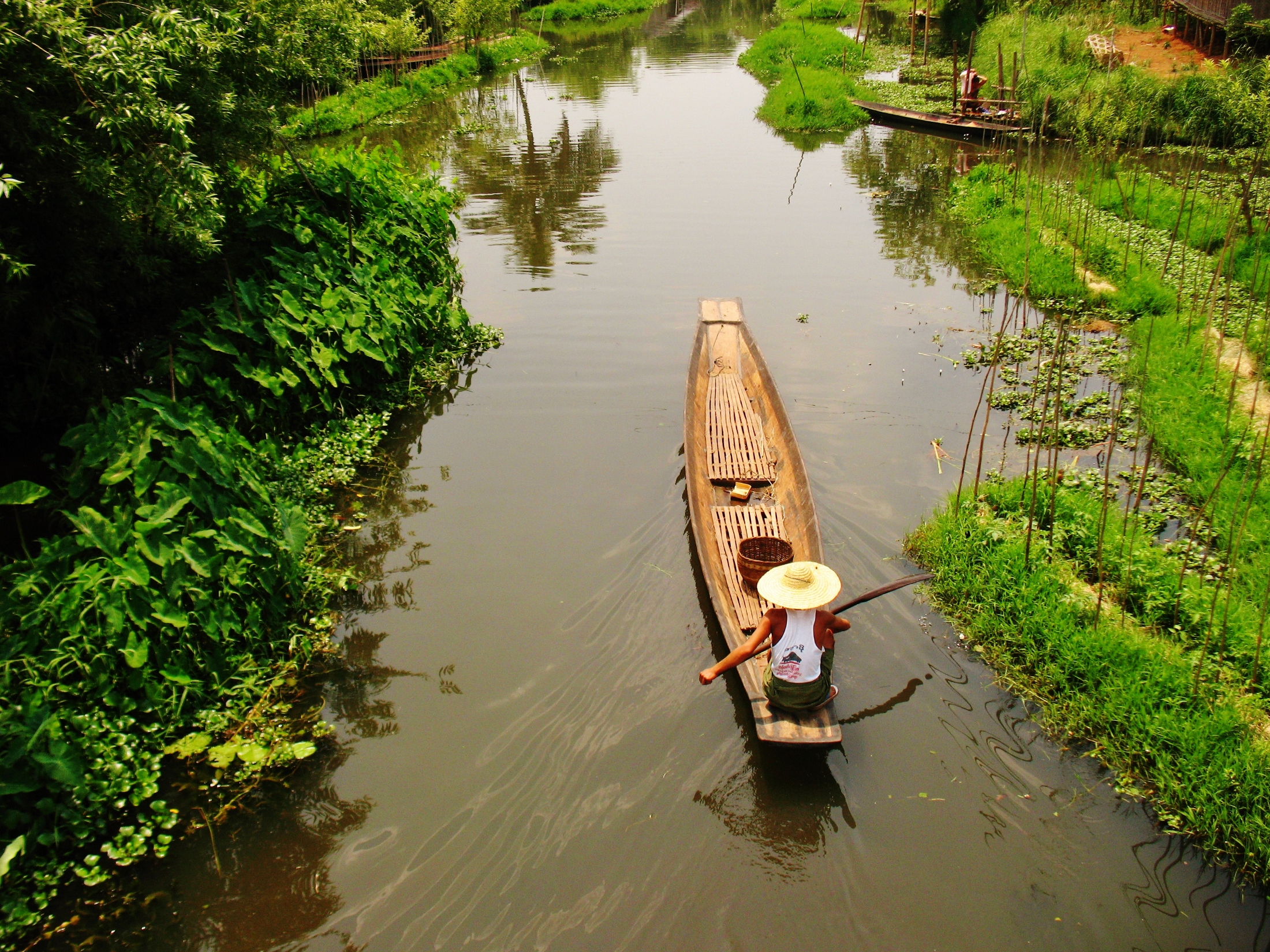
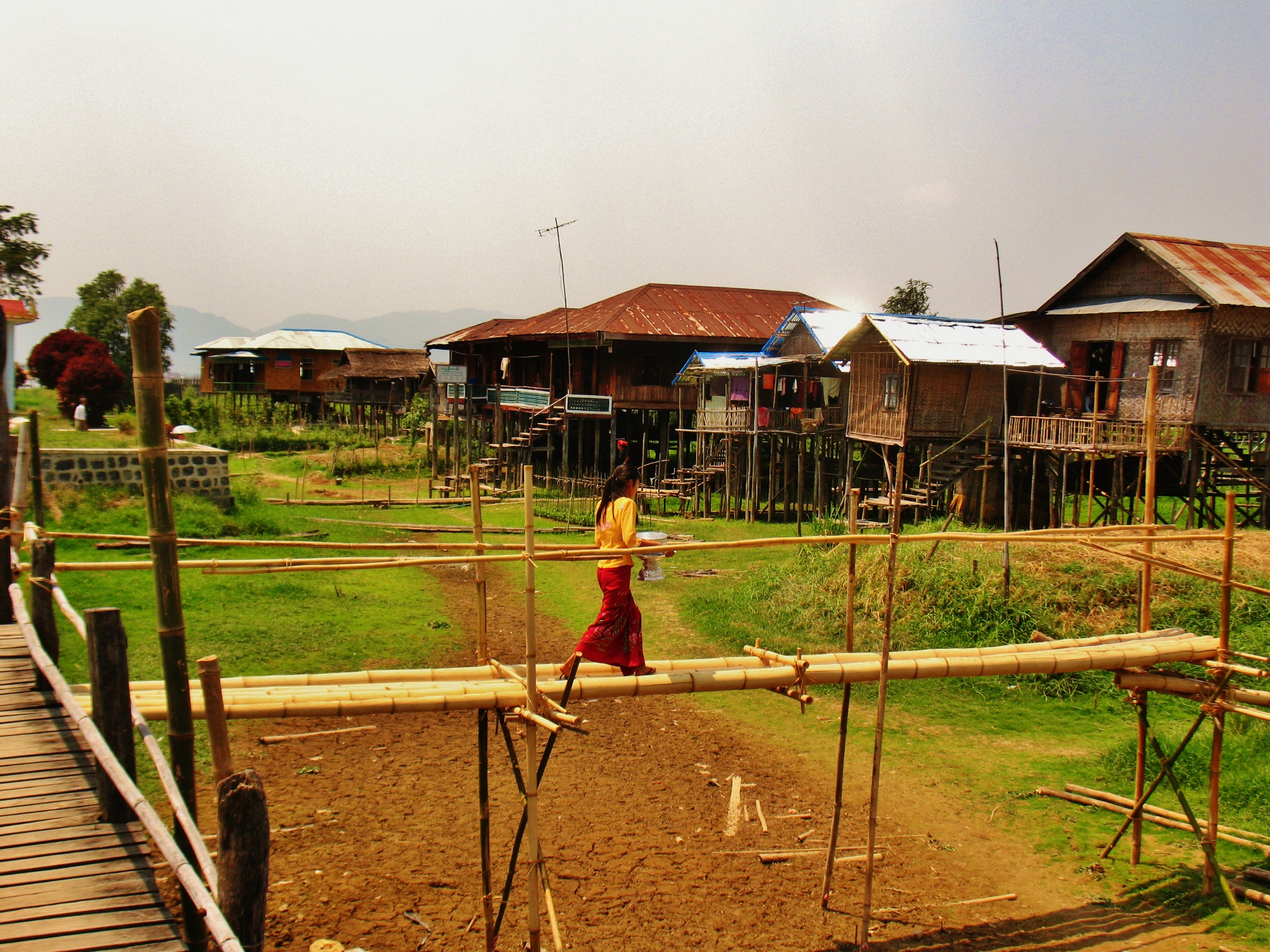
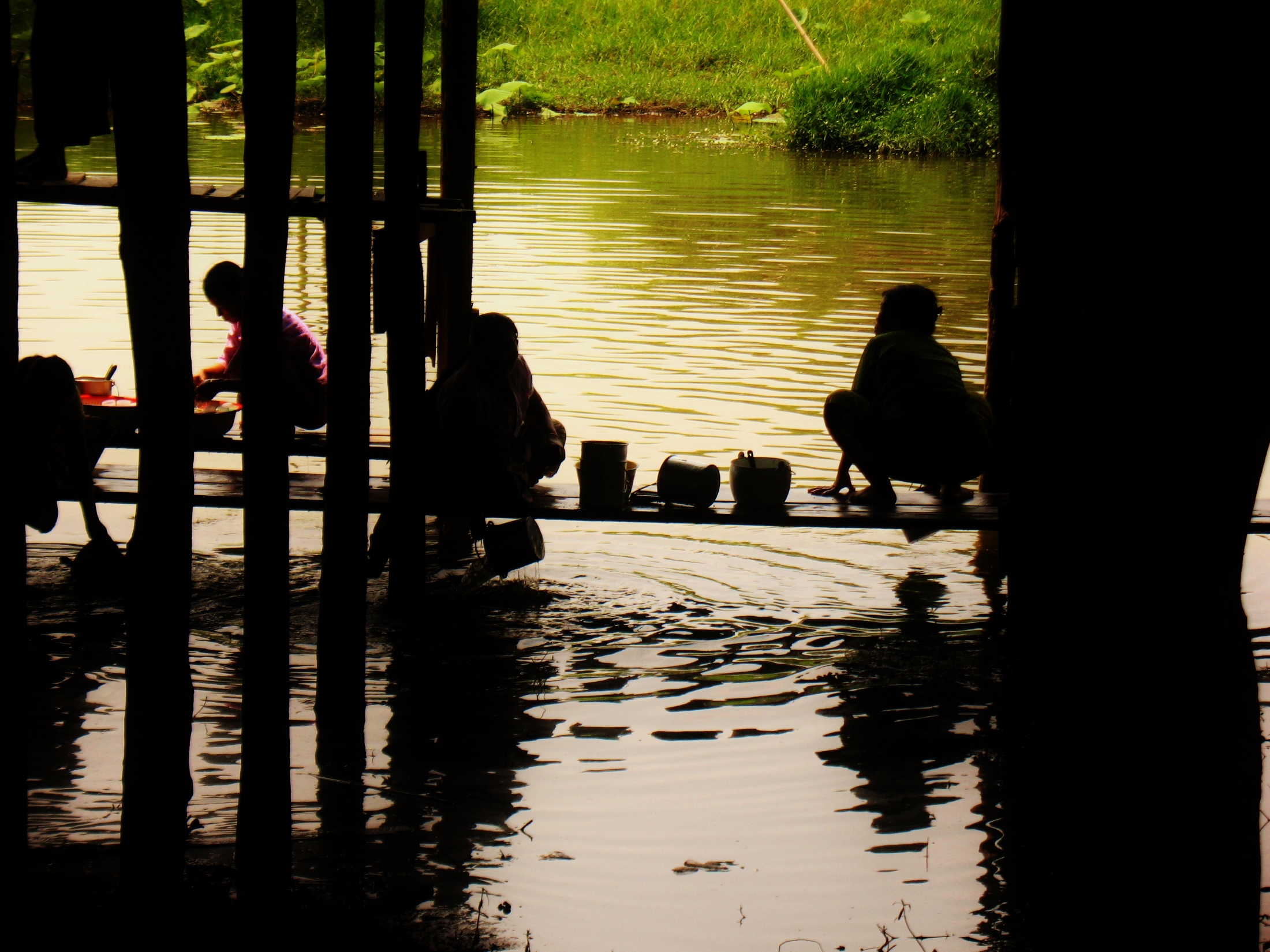
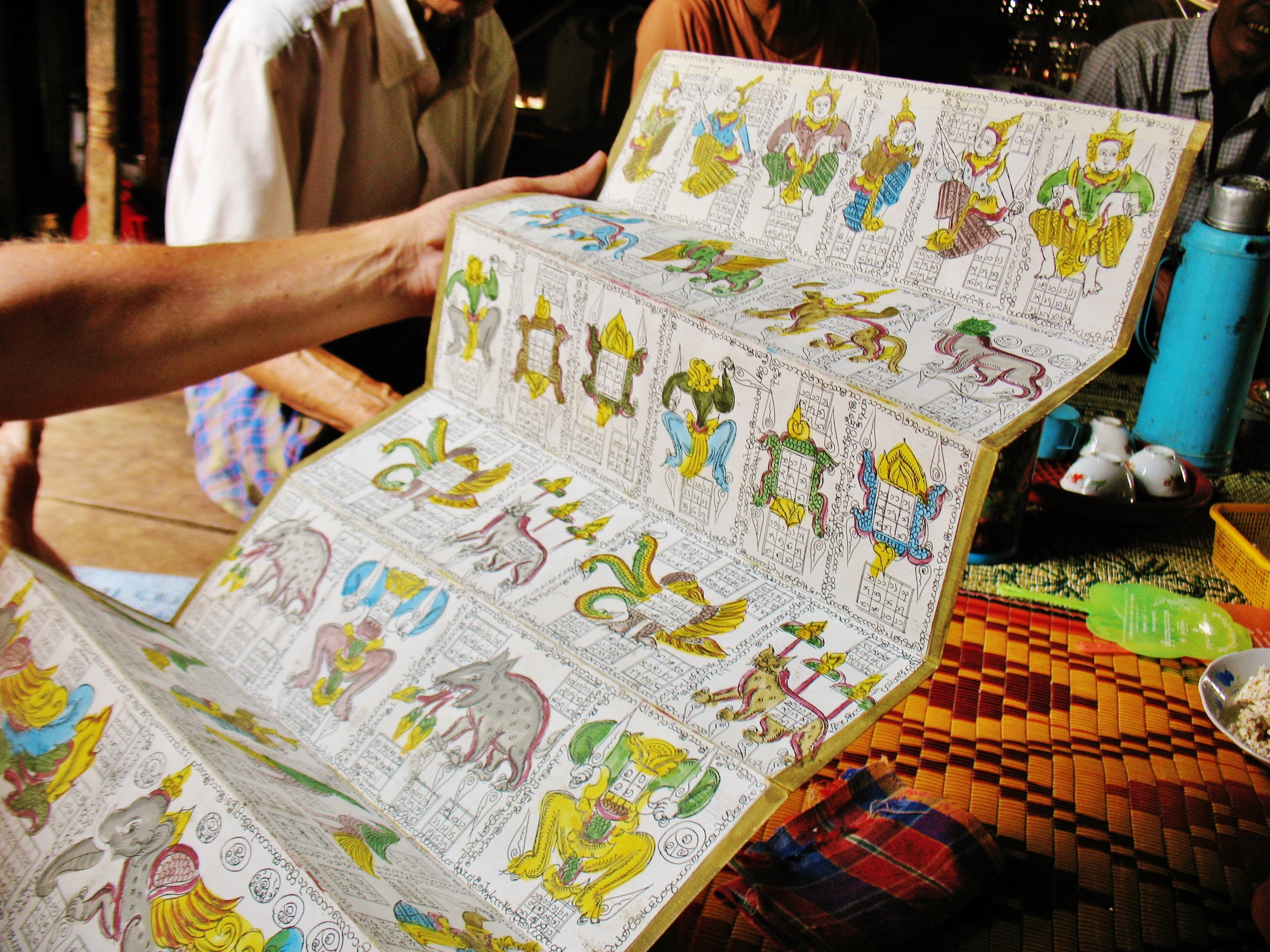
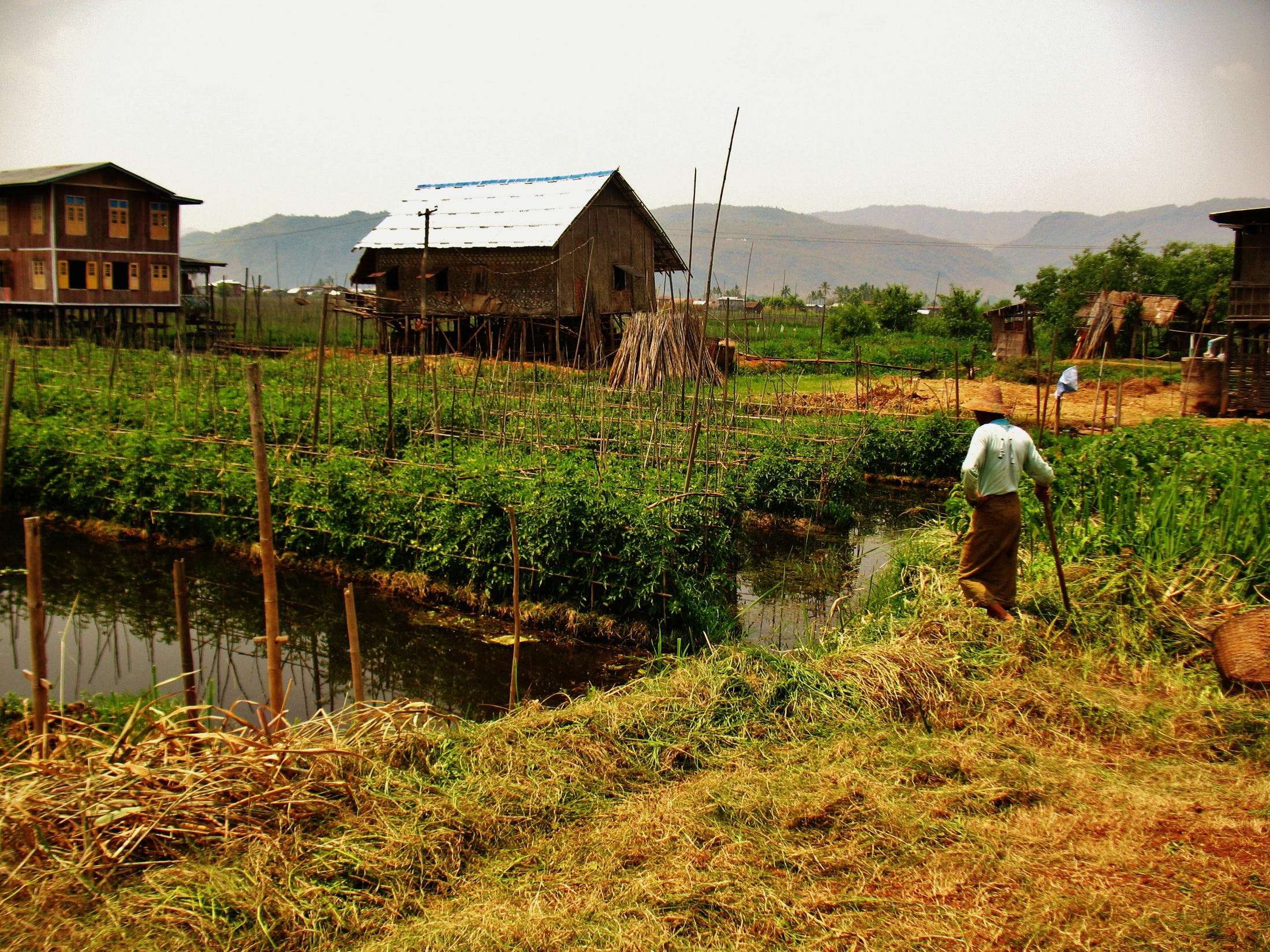
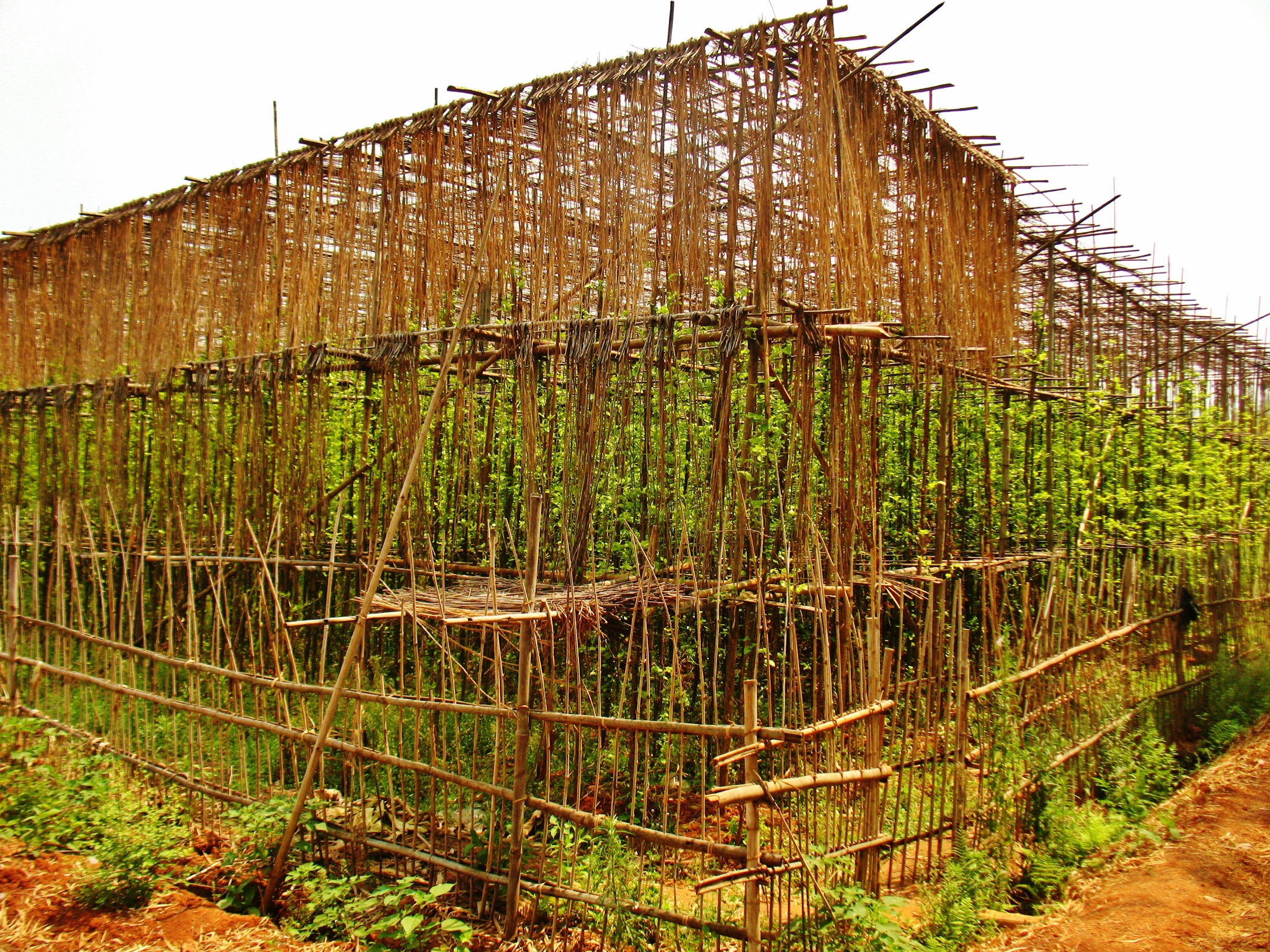
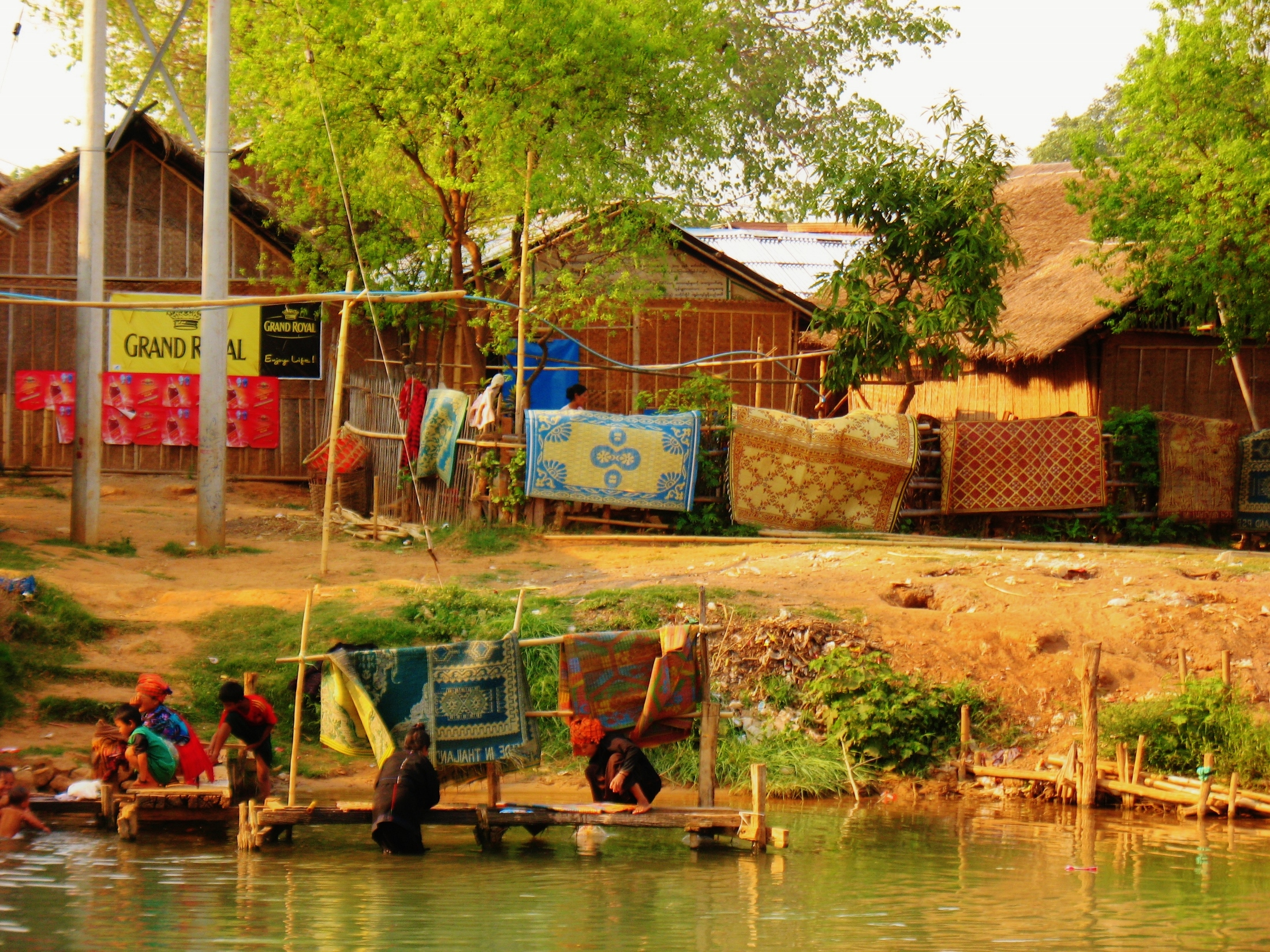
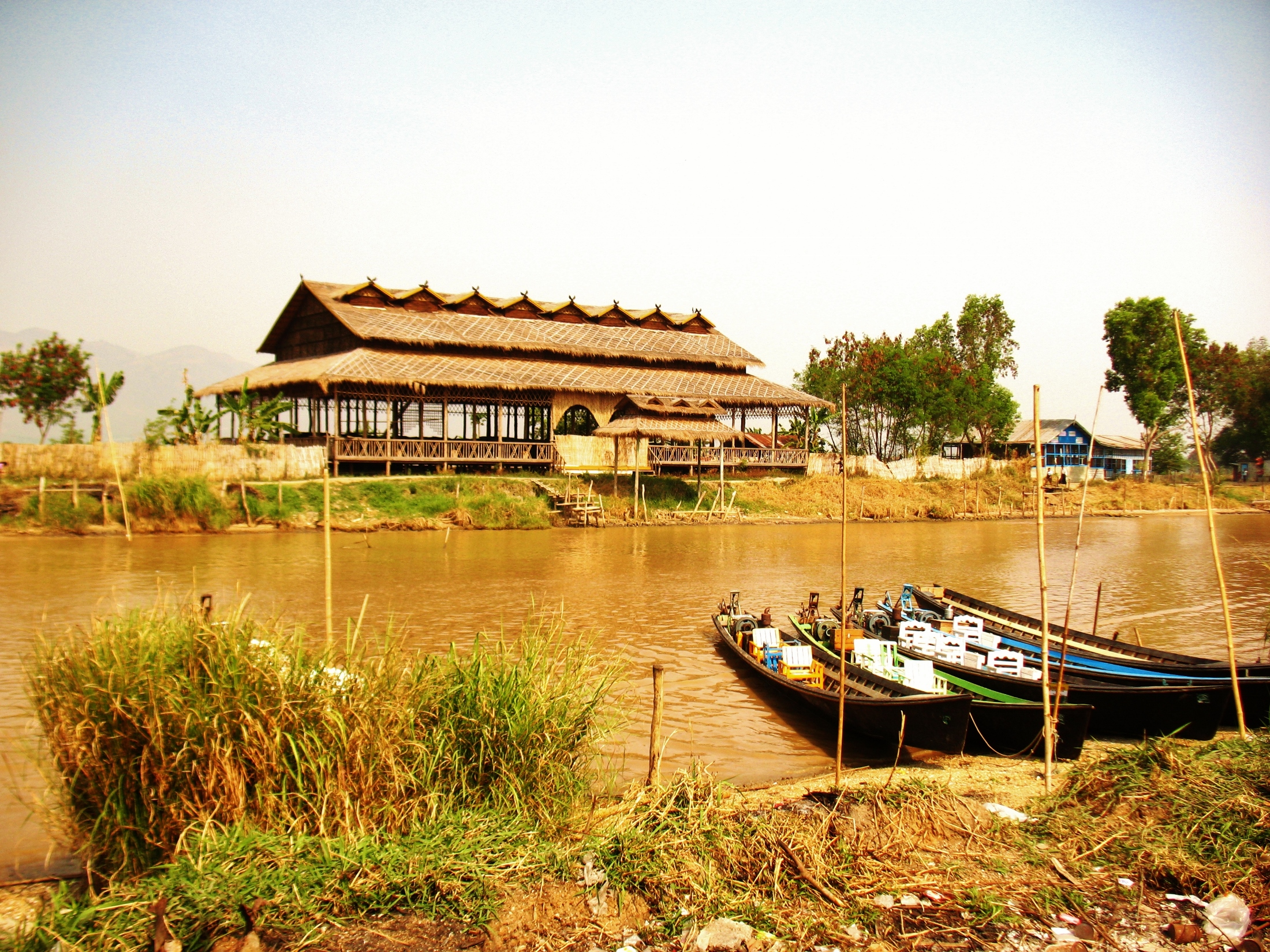
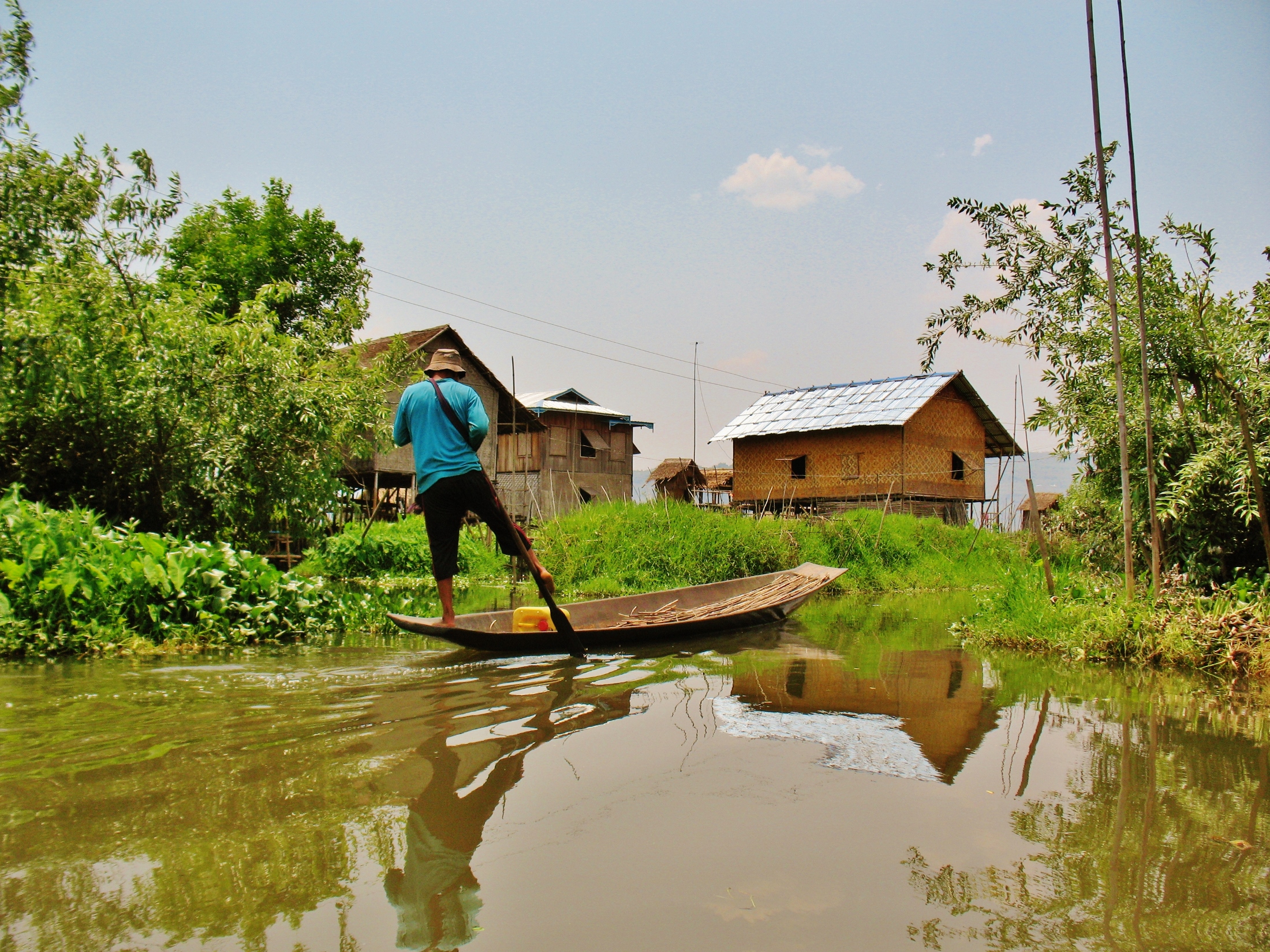
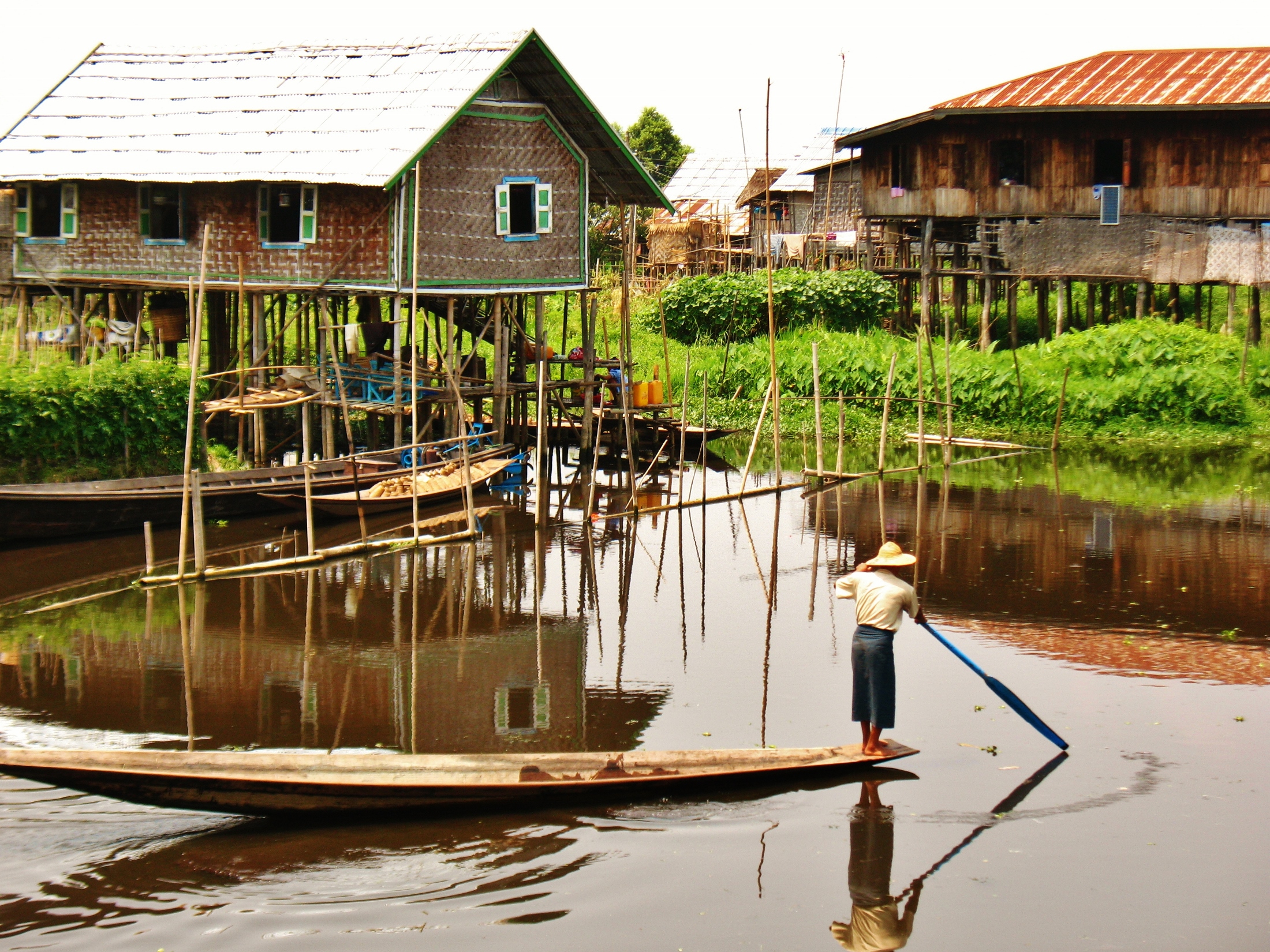
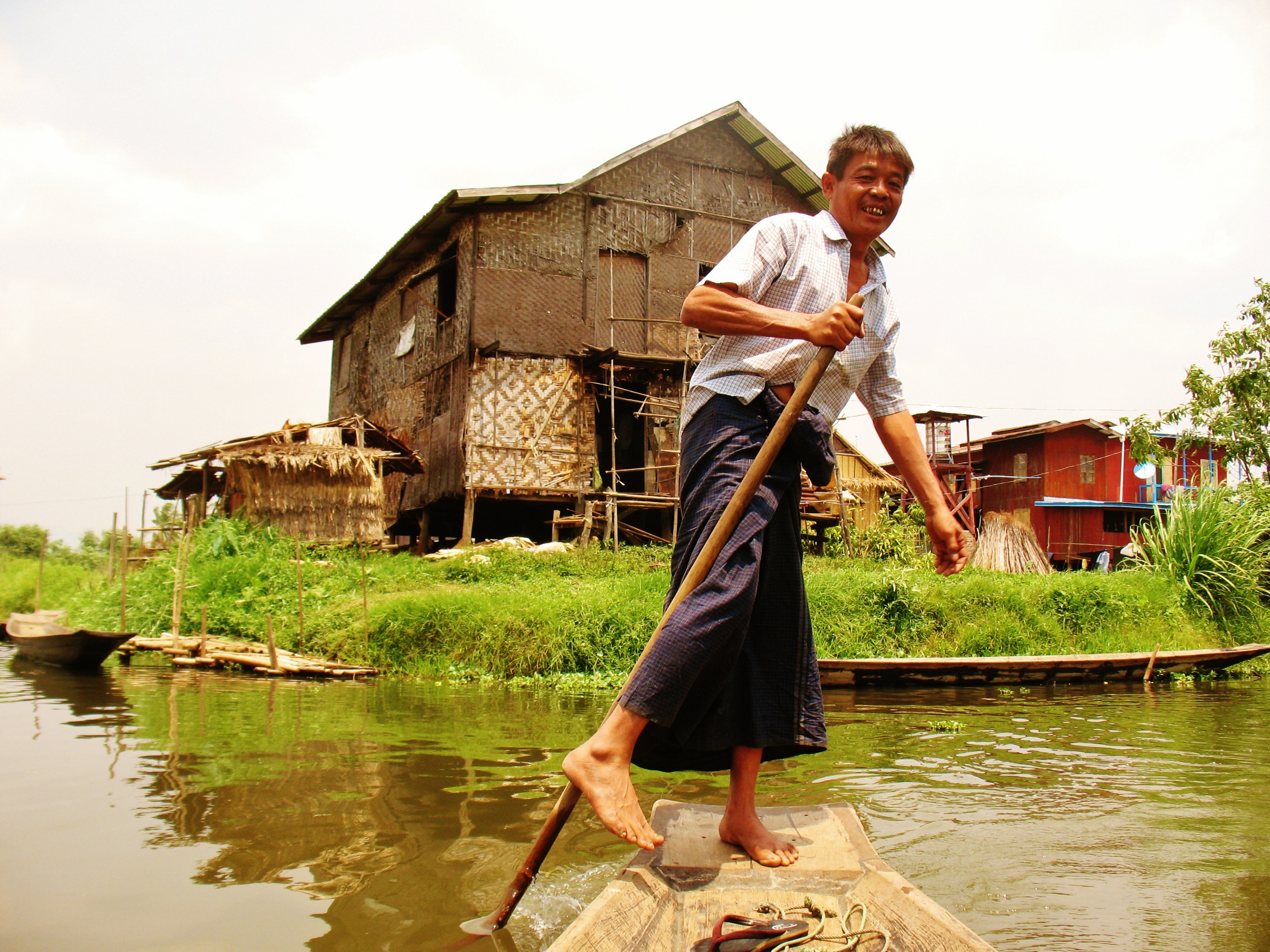
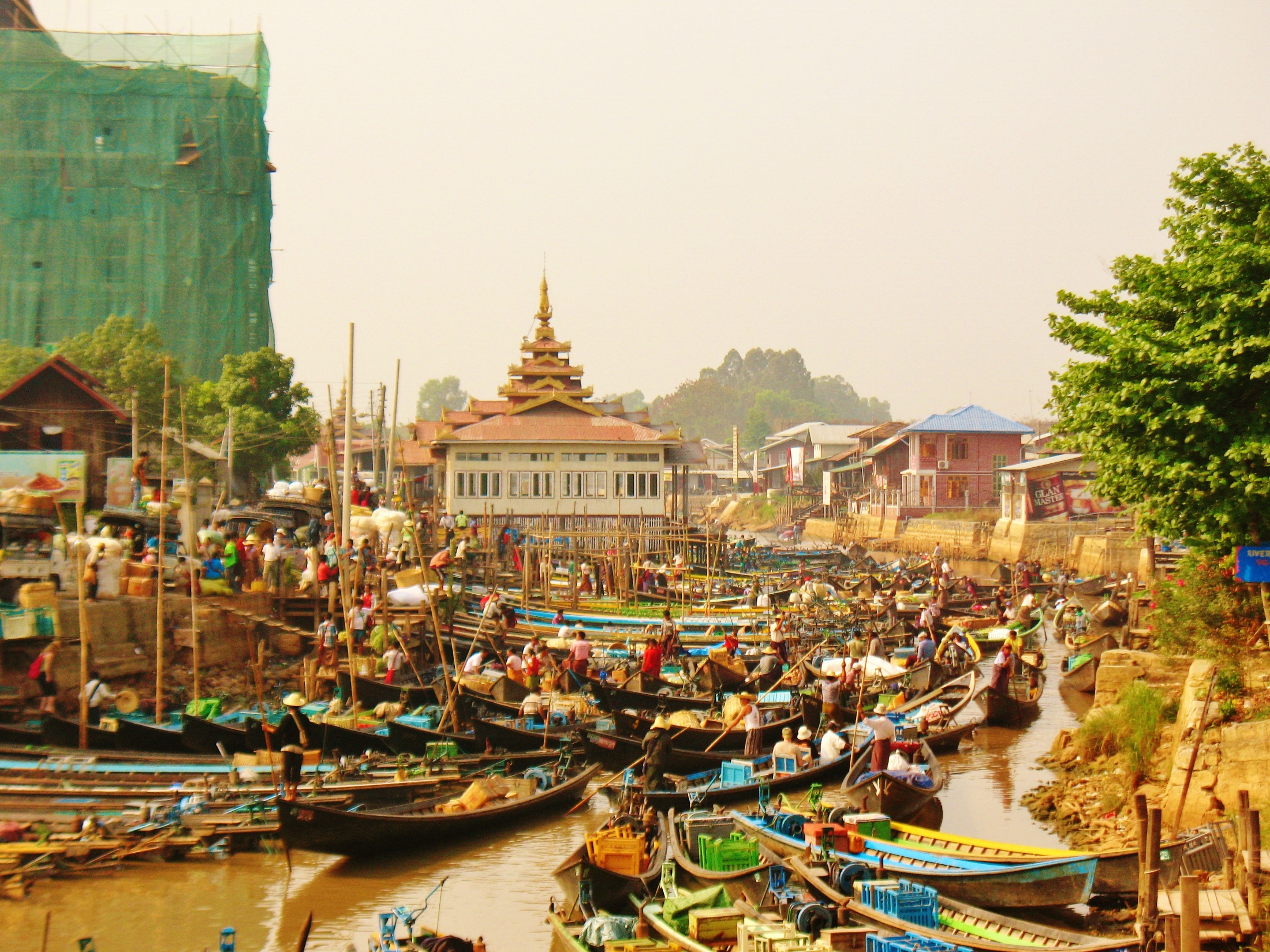
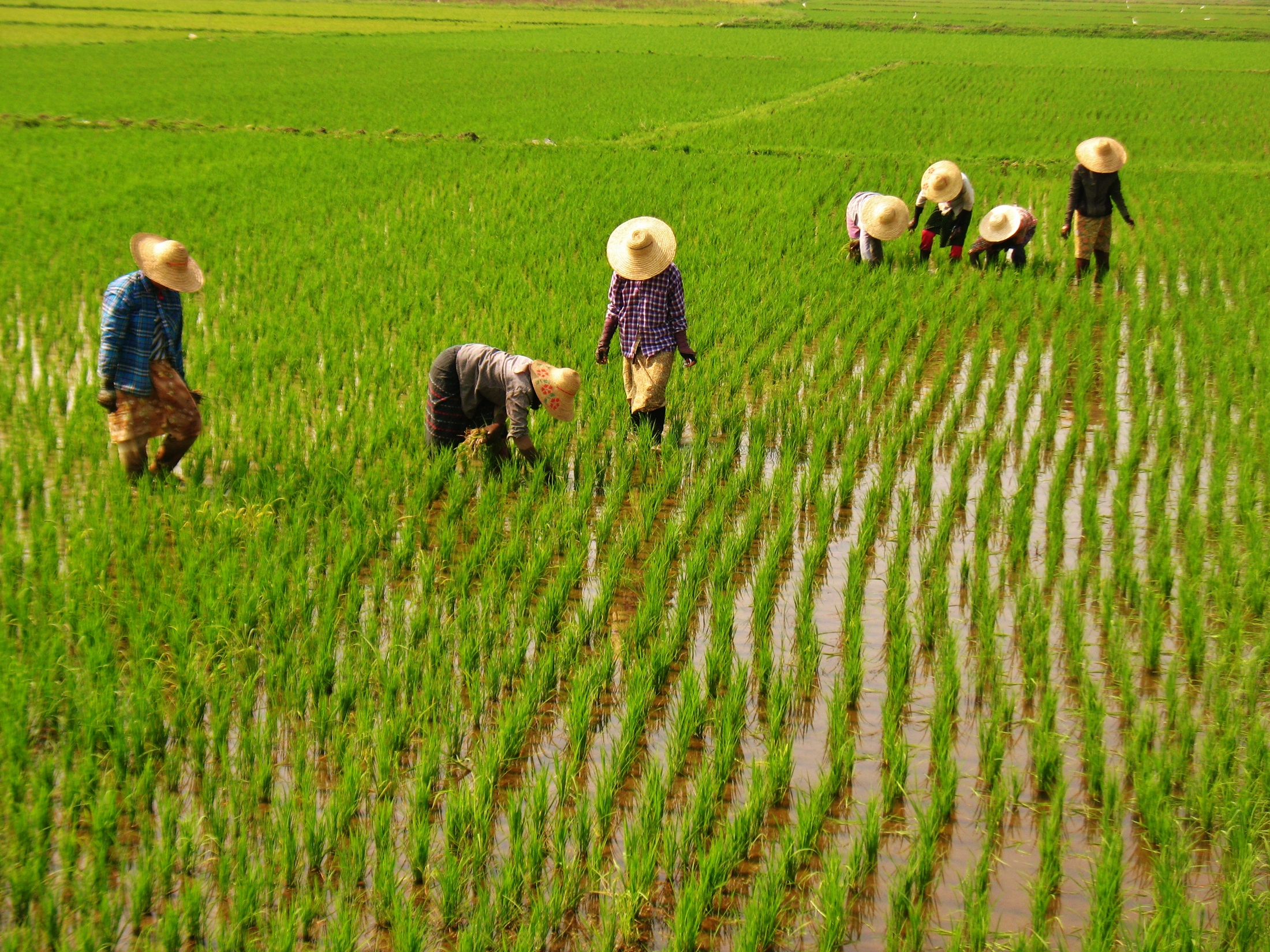
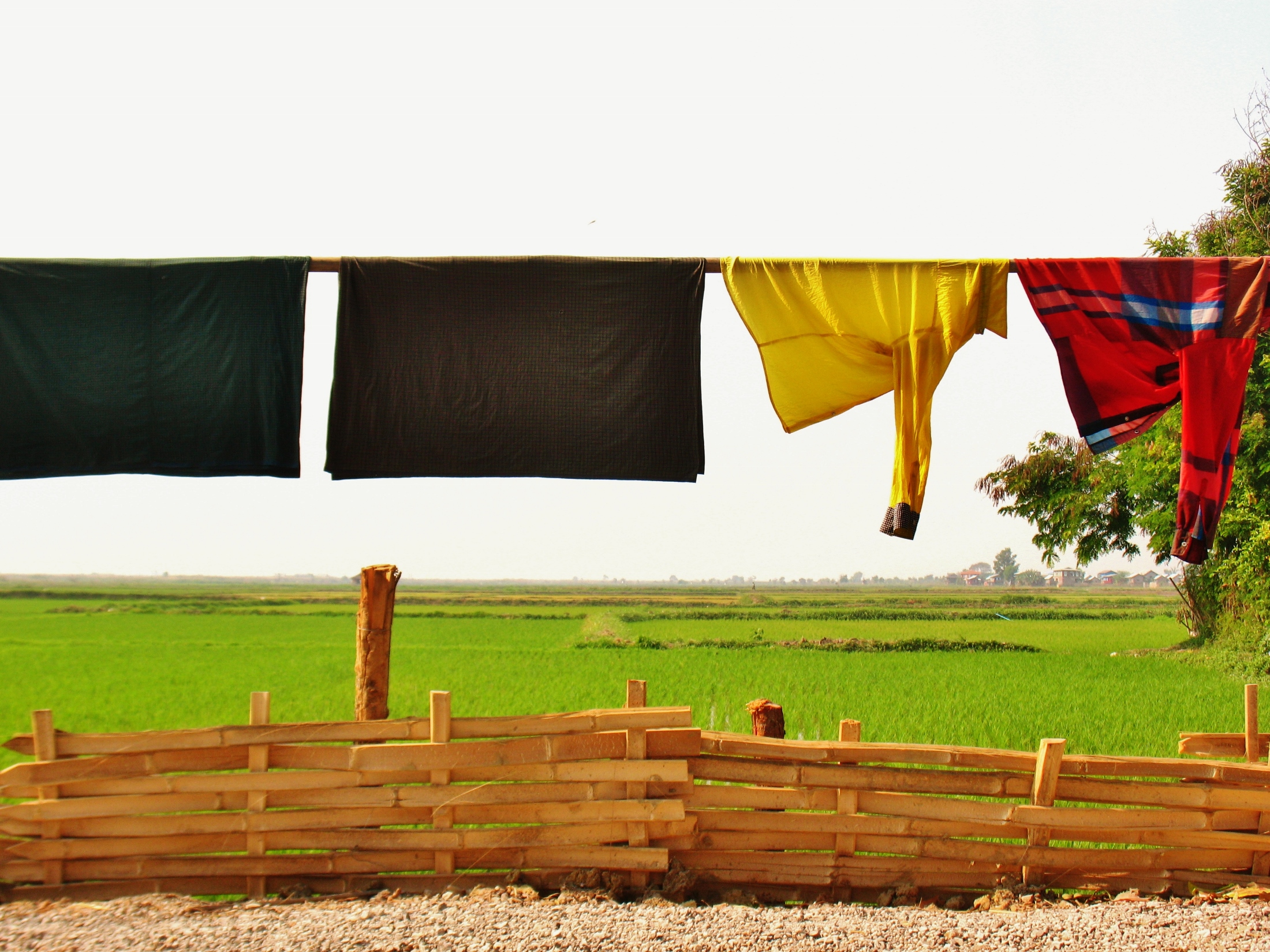
Inle lake is life. Some kind of god who, for dozens of villages and thousands of people, is the source of everything they know, the life they always lived. Fishing in its opaque water feeds the mouths, the fertility that it gives to the lands around provides the rice, the holy grail of all these families. Green fields spread until the eyes can see, ending only with the mystical goldness of the dust dancing with the wind. The morning traffic of canoes in the canals leading to the lake, with their fishermen rowing with one foot in order to have their hands free to use the traditional conical nets, the margins drawn by labyrinths of houses built on stilts and agriculture fields submerged in the waters, vegetables growing due to the richness of the lake and floating on its surface waiting to be picked. Life just flows.
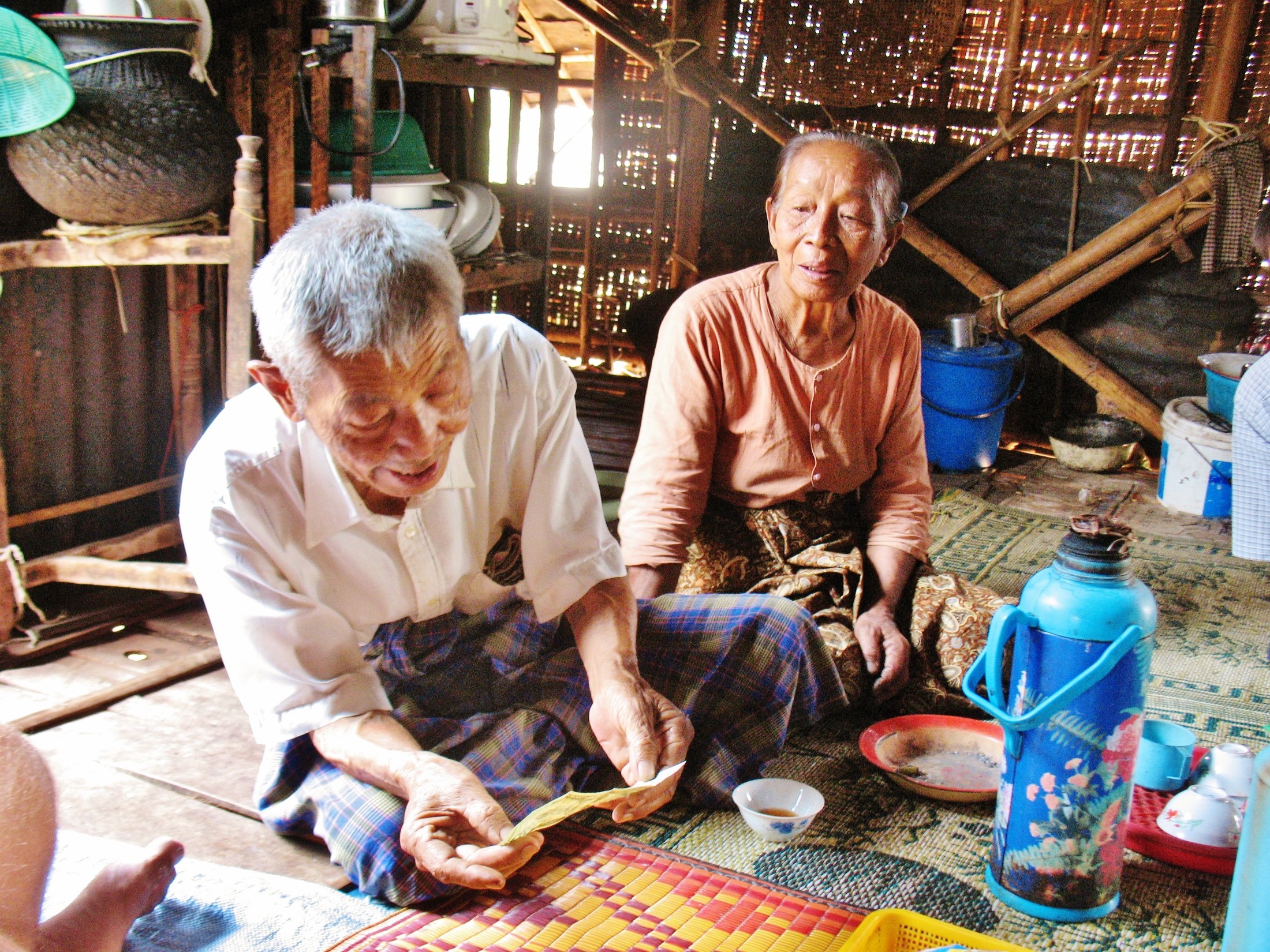
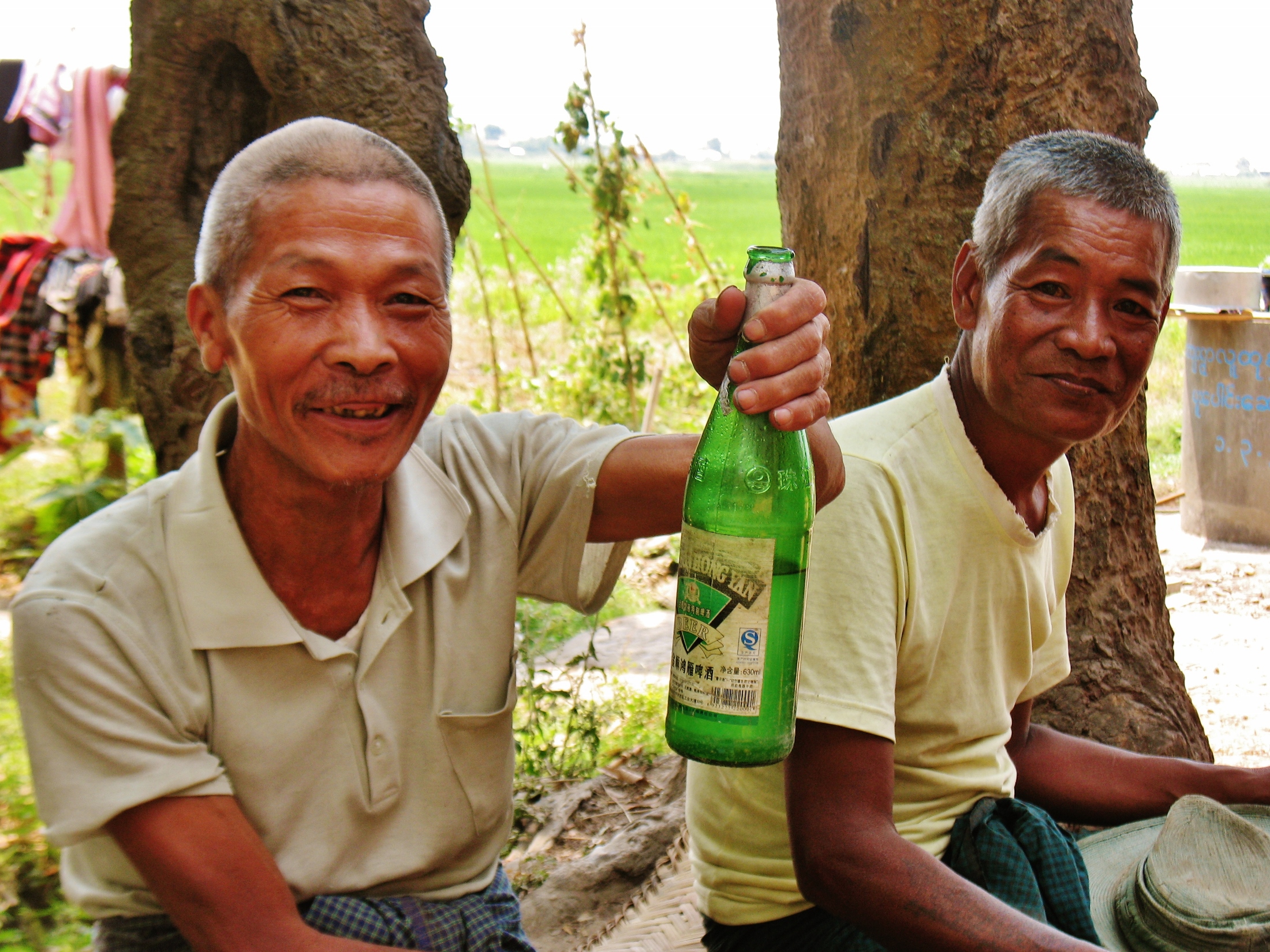
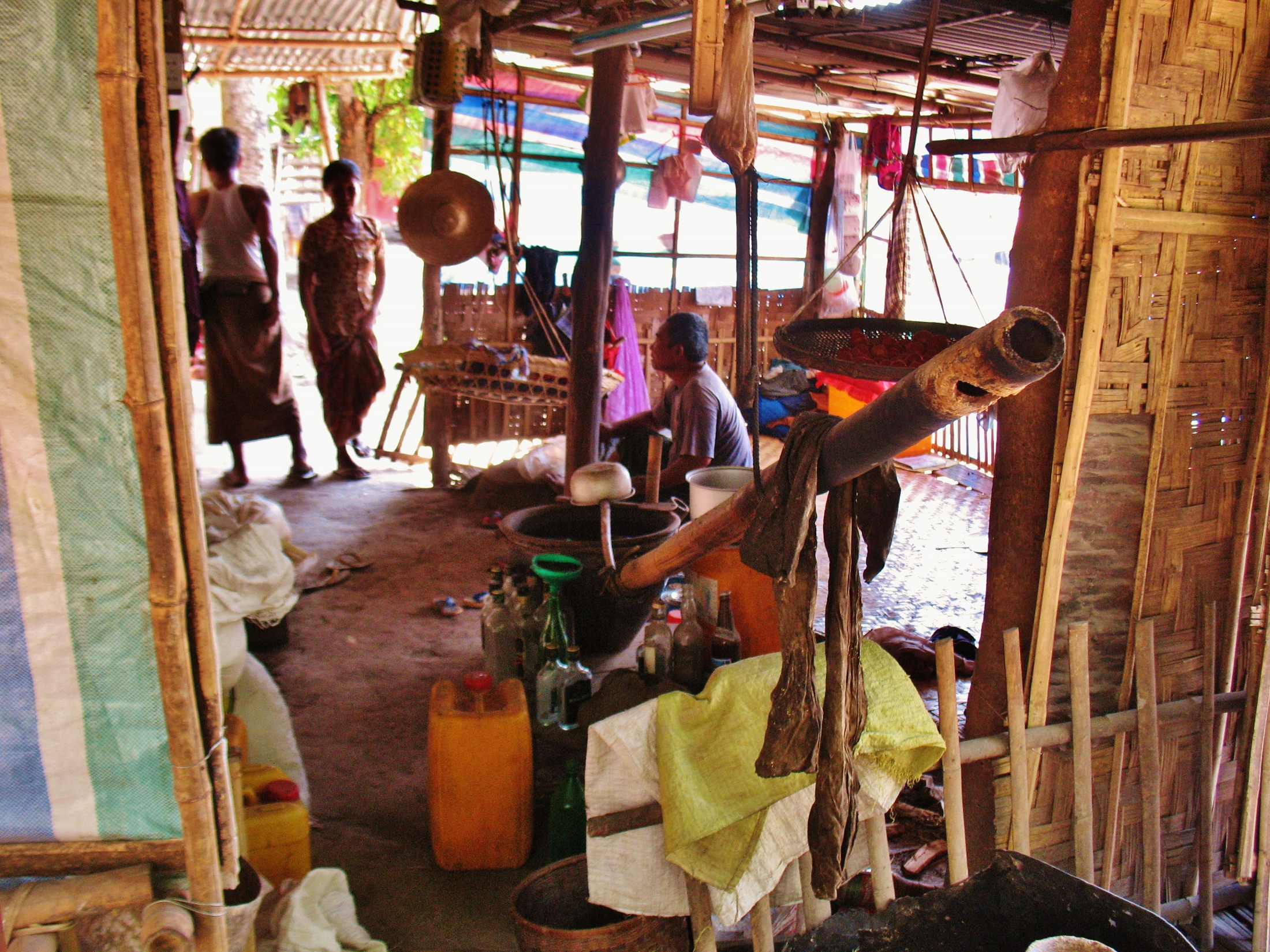
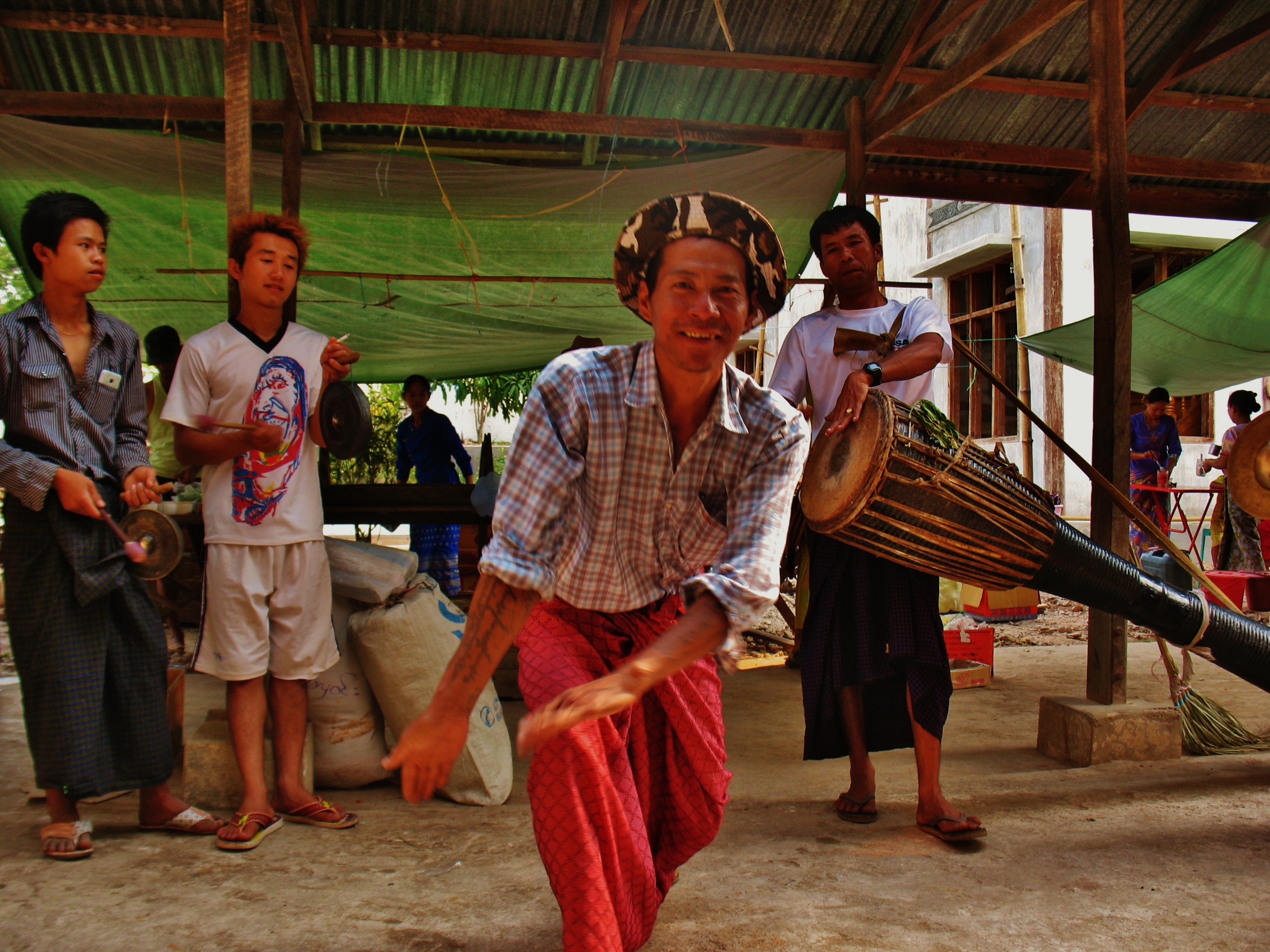
Besides poverty there is joy. A simple lifestyle with just enough to fill the stomach, just enough to make the strong homemade wine they produce with the rice they grow and take care, perhaps a fair fuel for this somehow happy life. As homes, beautiful traditional houses made with bamboo, where needs other than the basic ones are not allowed to enter. Anything else is welcome; with every family always ready to invite a stranger into their home. A cup of tea or a glass of rice wine, probably followed by many more, maybe a nice lunch, always simple but offered with generosity and a genuine feeling to spread kindness.
One of the questions burmese people ask more often is if we are happy in Myanmar.
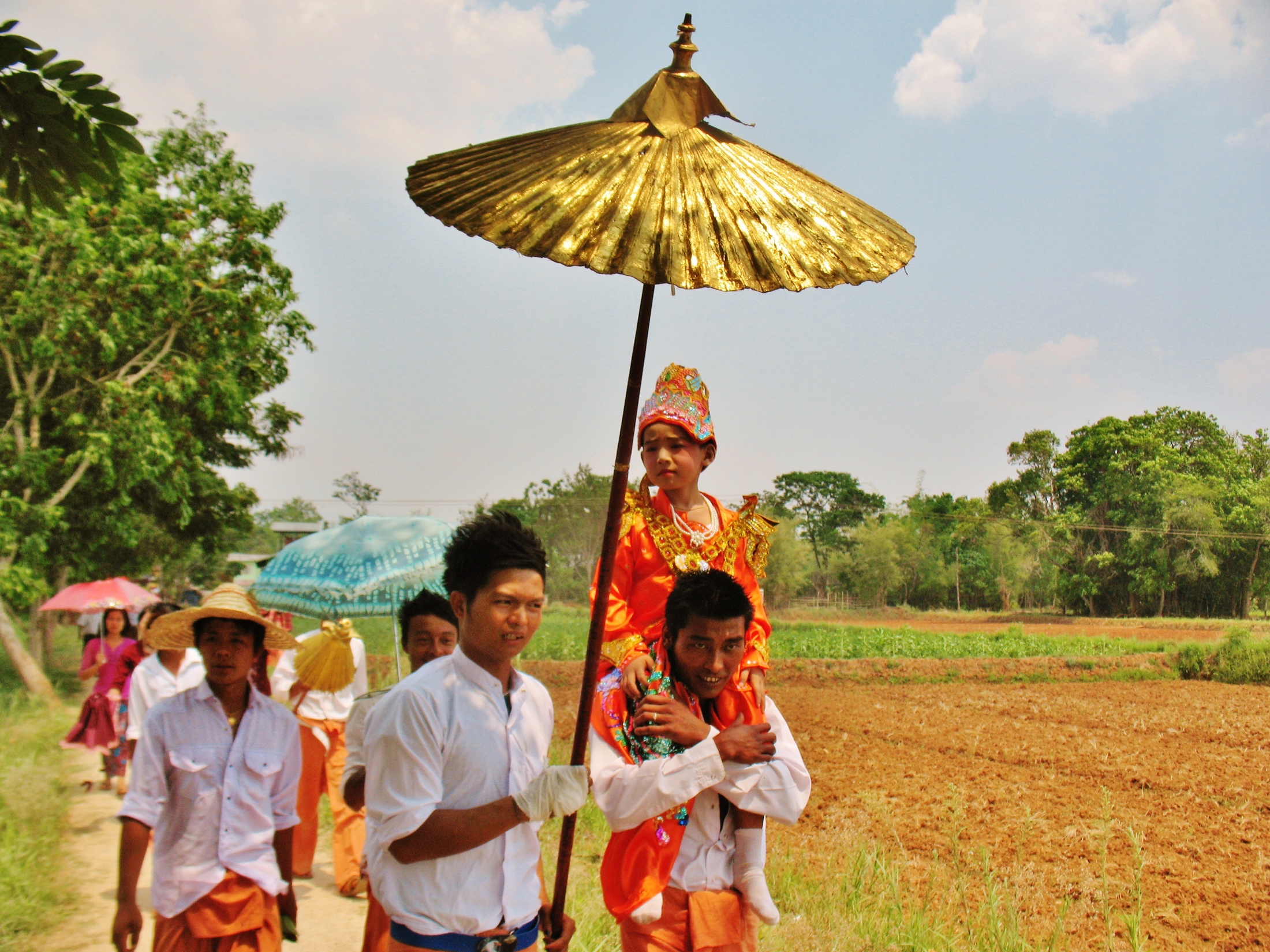
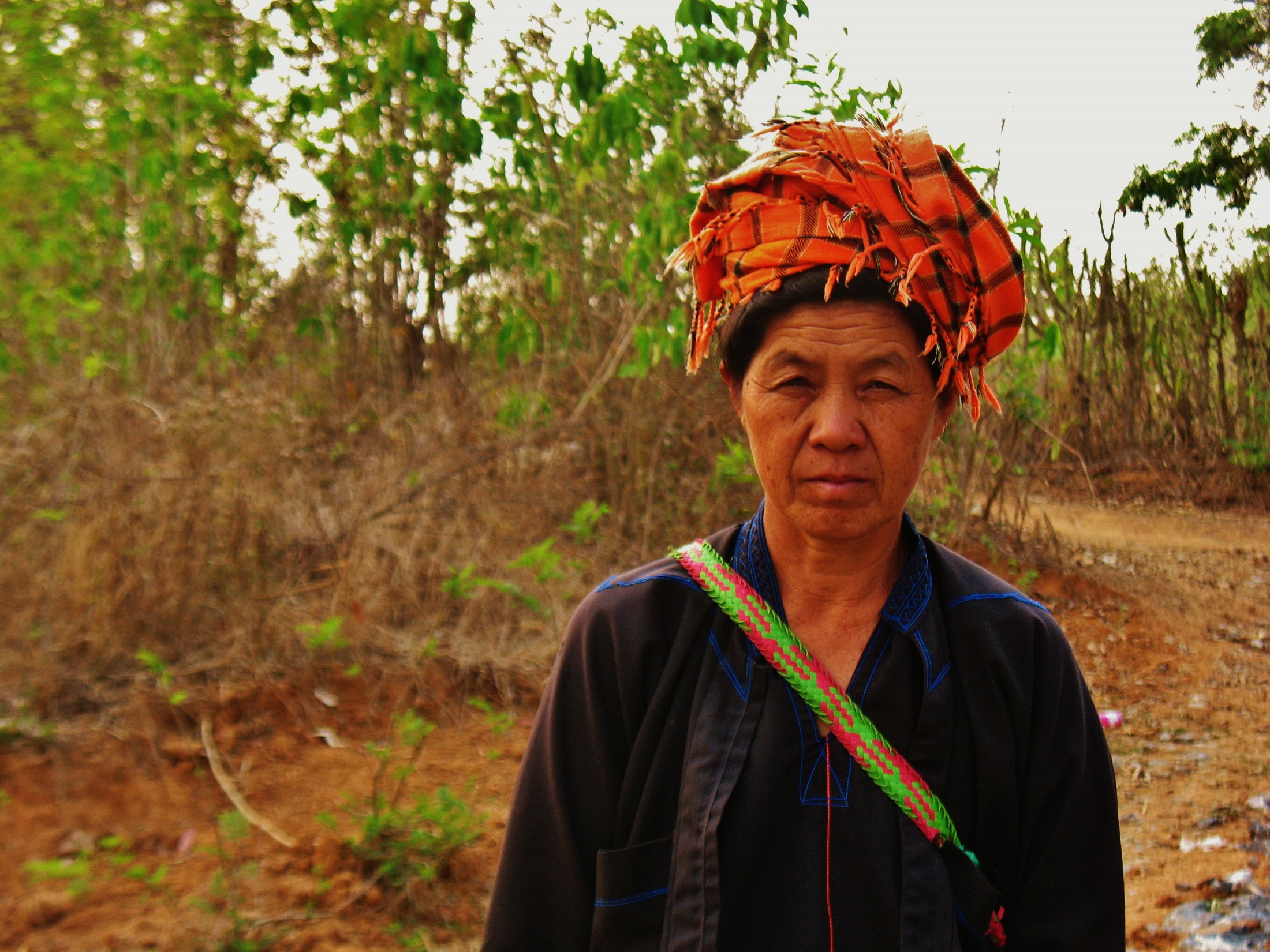
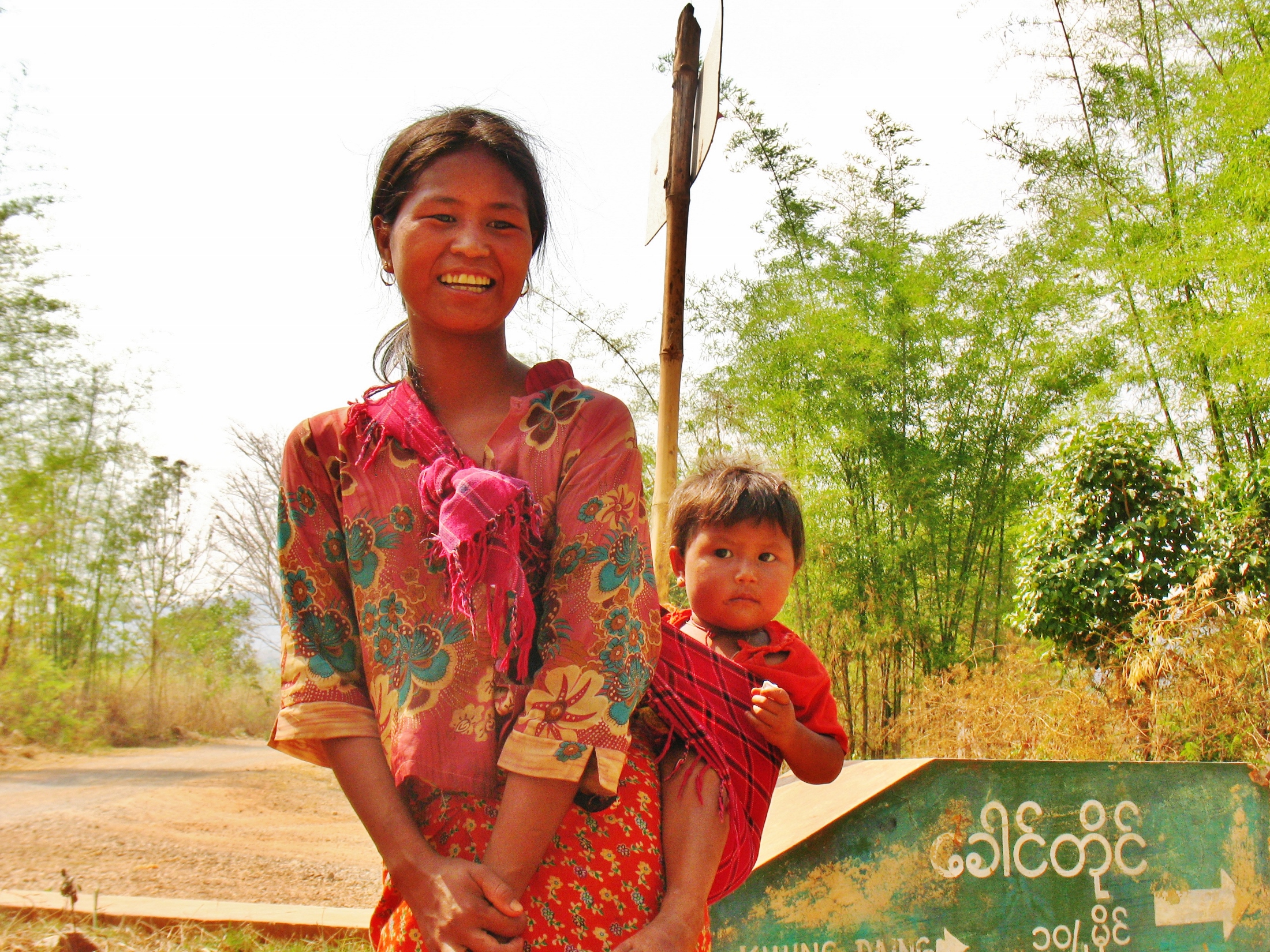
Around there are the mountains, with their patient gaze, their inherent calmness and wisdom of time. In their hills the multi-ethnic tribes survive on their own, everyday walking down the dirty roads in search of forest goods to collect and eat, always with their colorful turbants on the head and a bamboo backpack balancing with the pace of their walking. Some kids follow their mothers in the quest for food, others put on some flashy make-up in order to mark the date of becoming a monk, party on the temple for celebrating the only way their families have to give them an education. Like a carnival with purpose.
Who cares not of all this is the lake. Continuing its sleepy presence, languorously observing the itchings of the small people it allows to live around. With equanomity, always with equanomity. And life just flows.


Water Series II: An Existence by the River
(Laos)
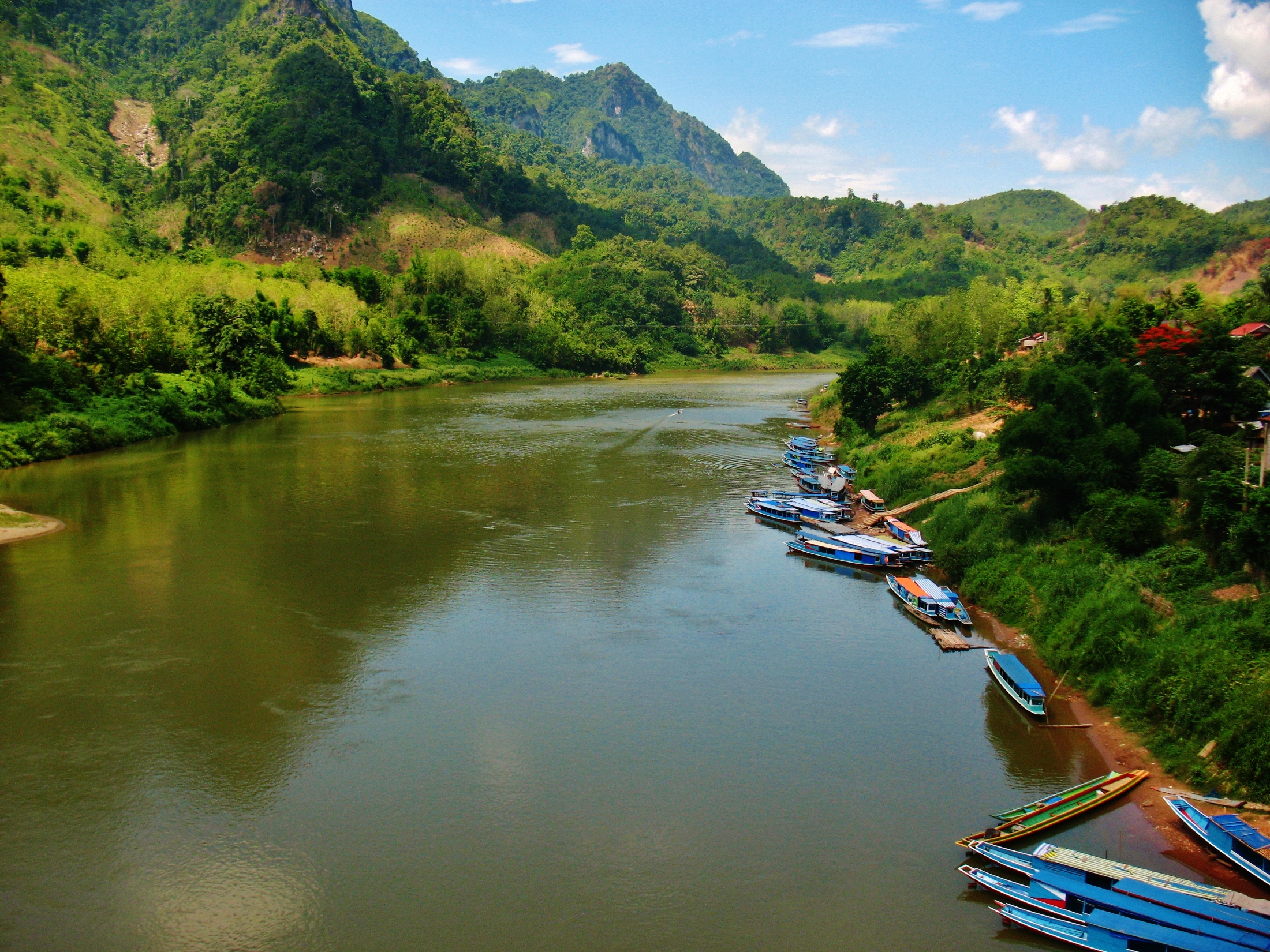
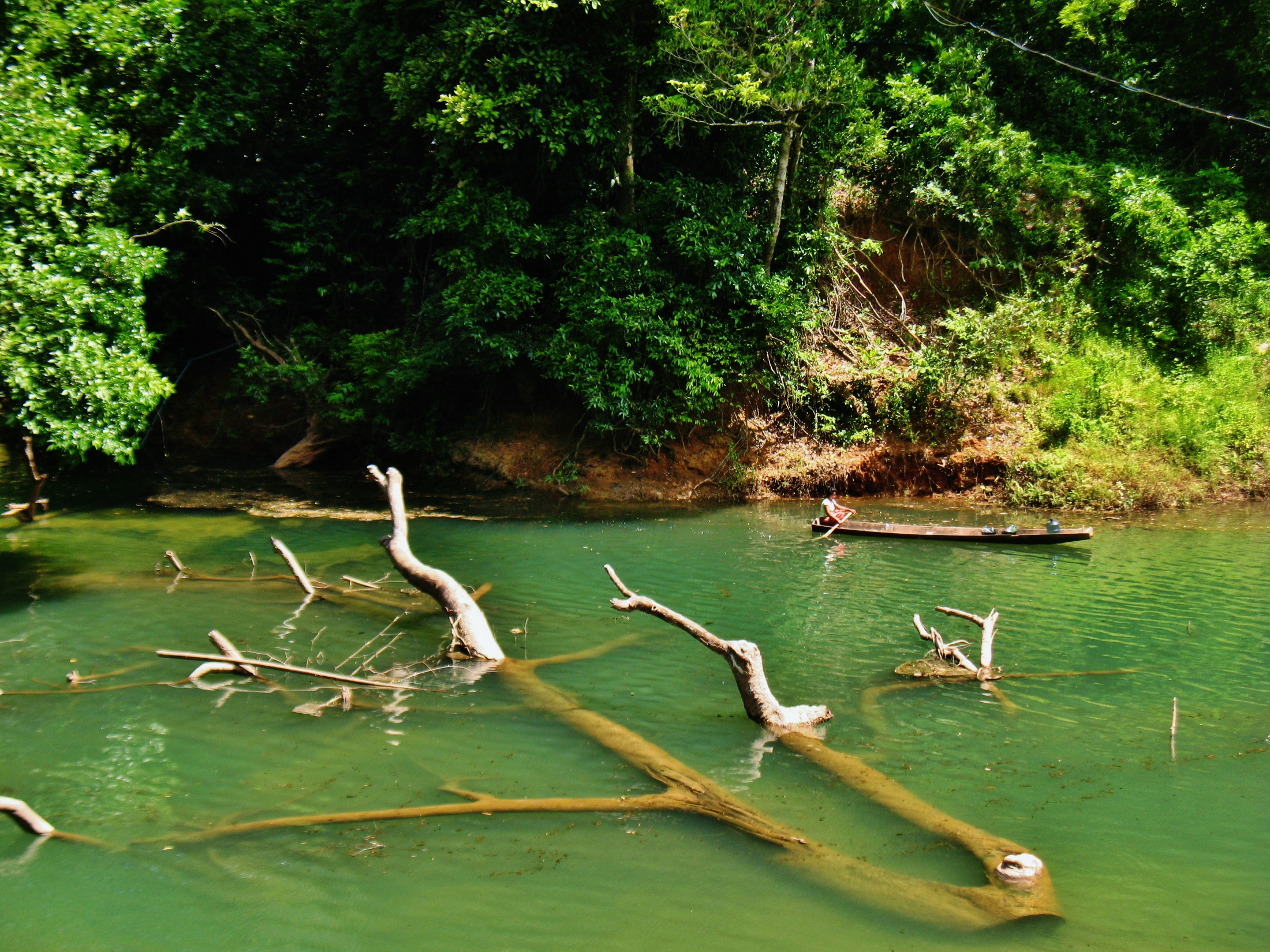
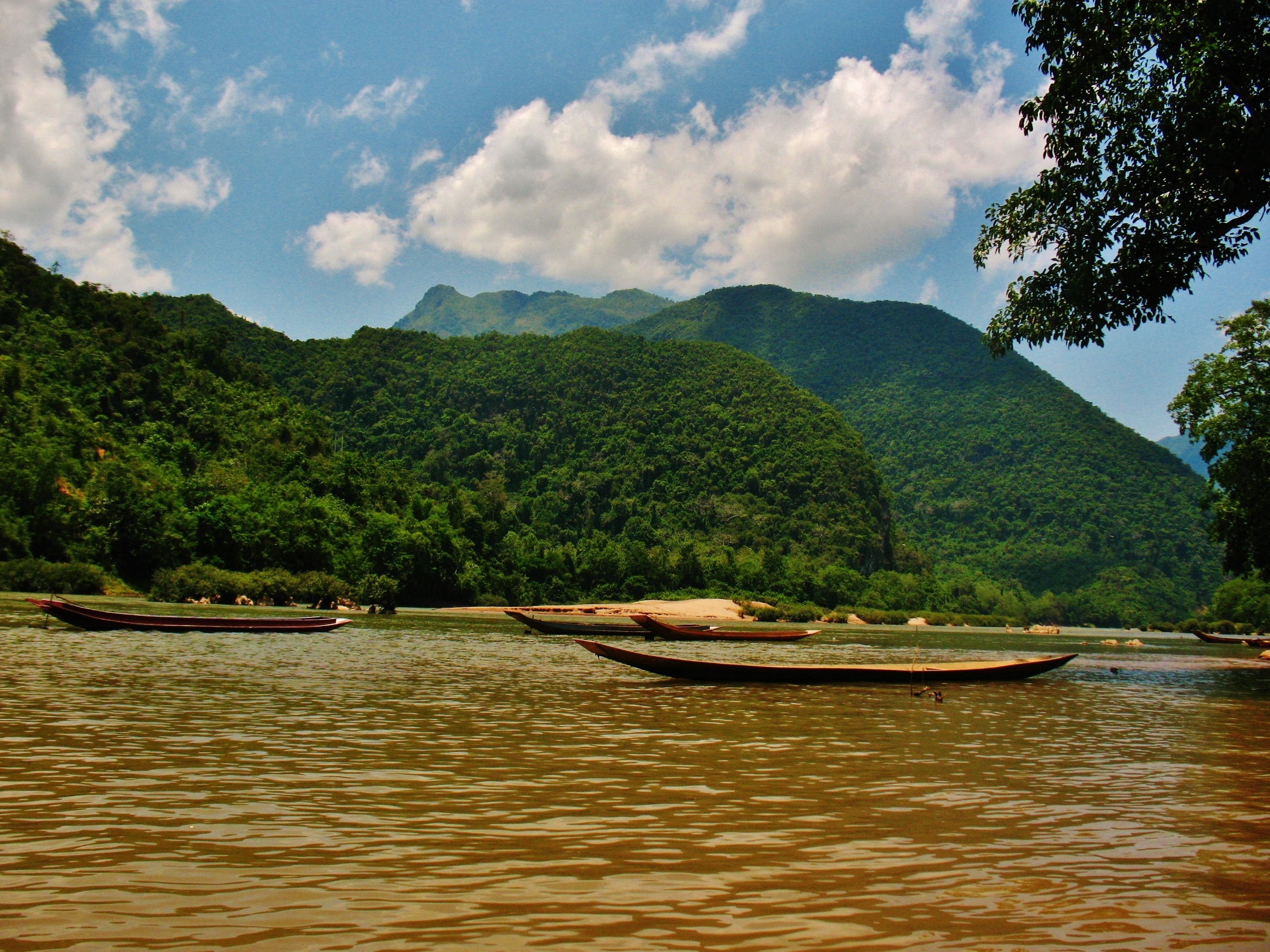
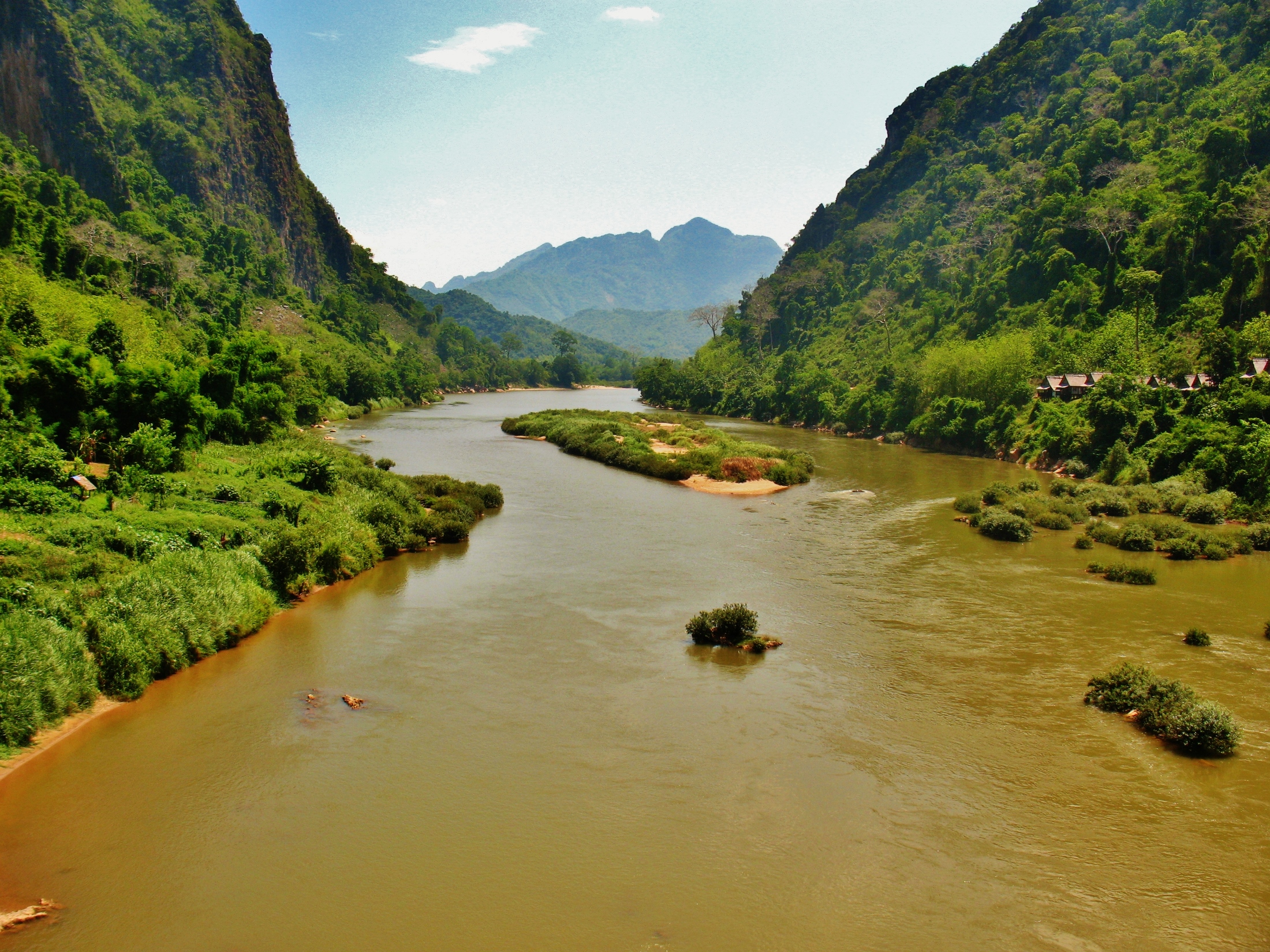
It flows across the country, serpenting its landscapes, its life stories. It permeates them.
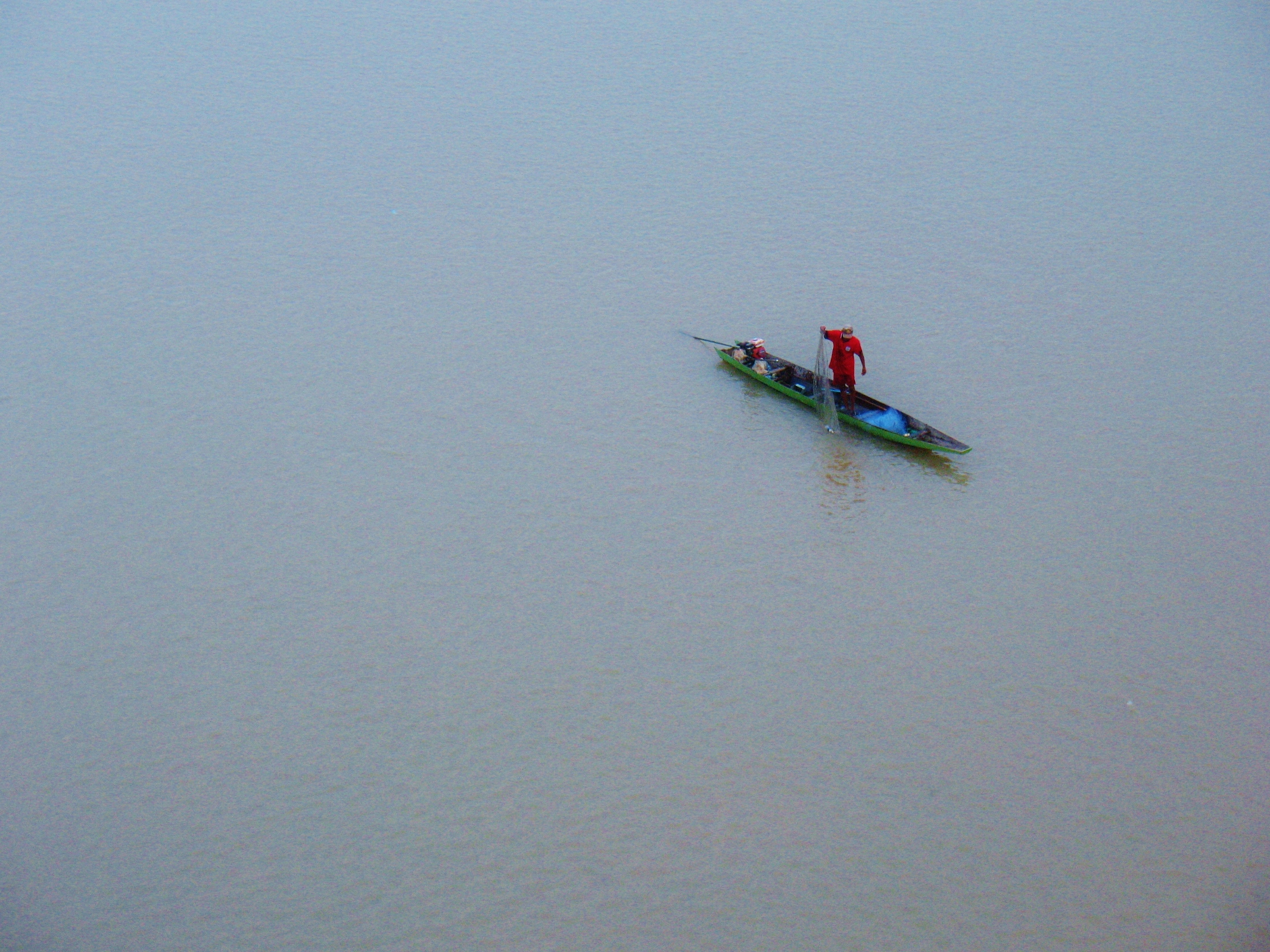
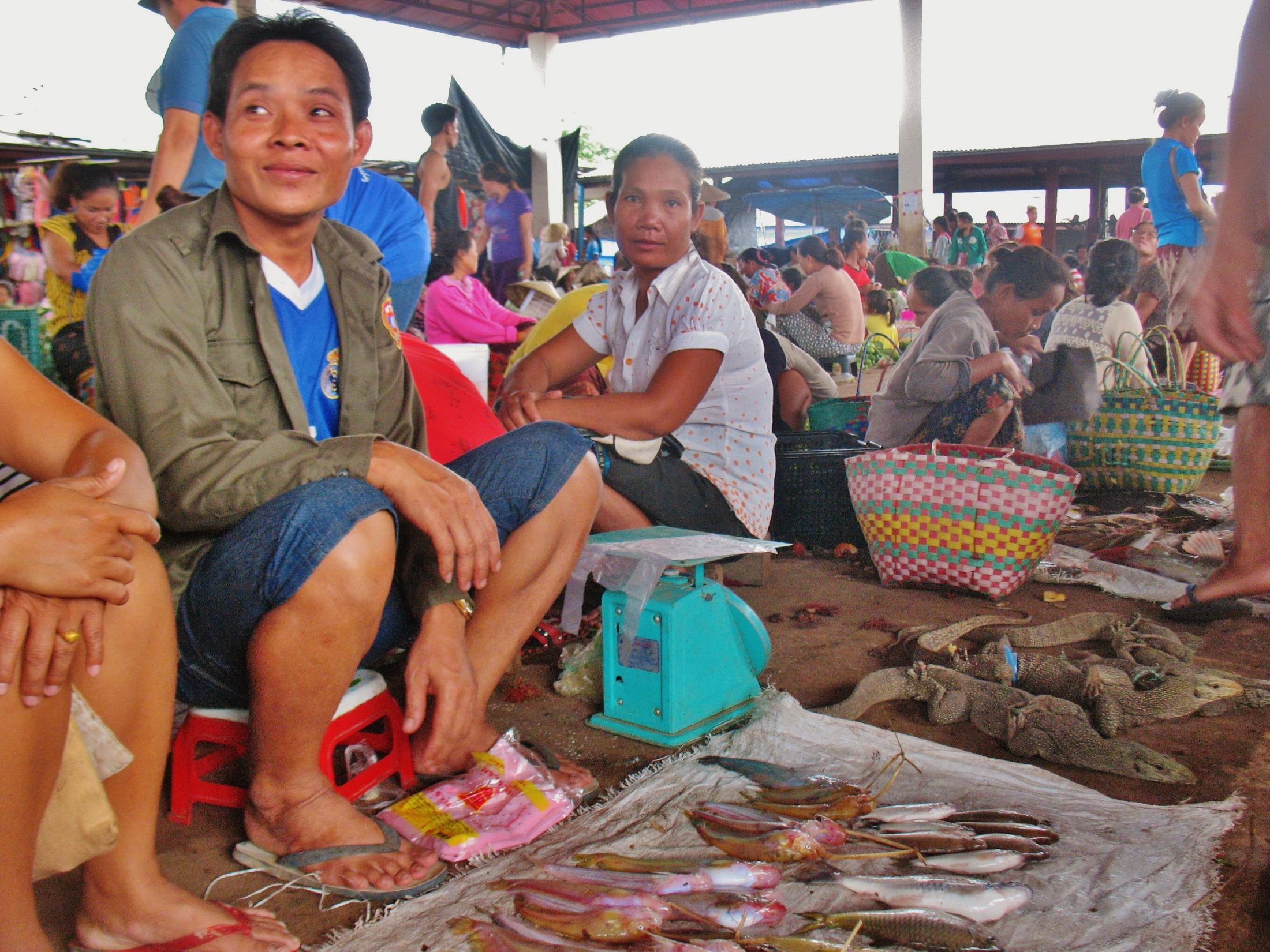
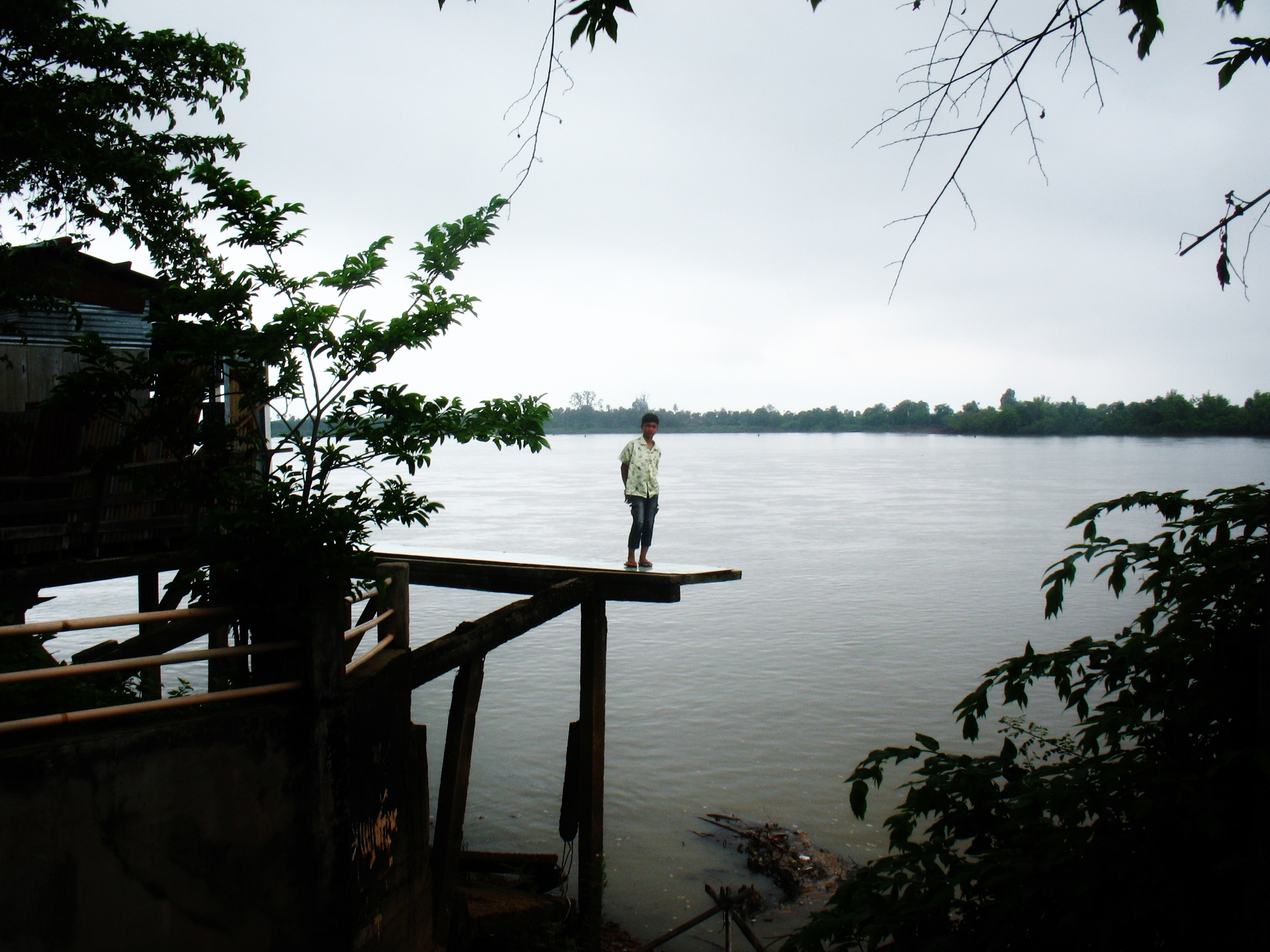
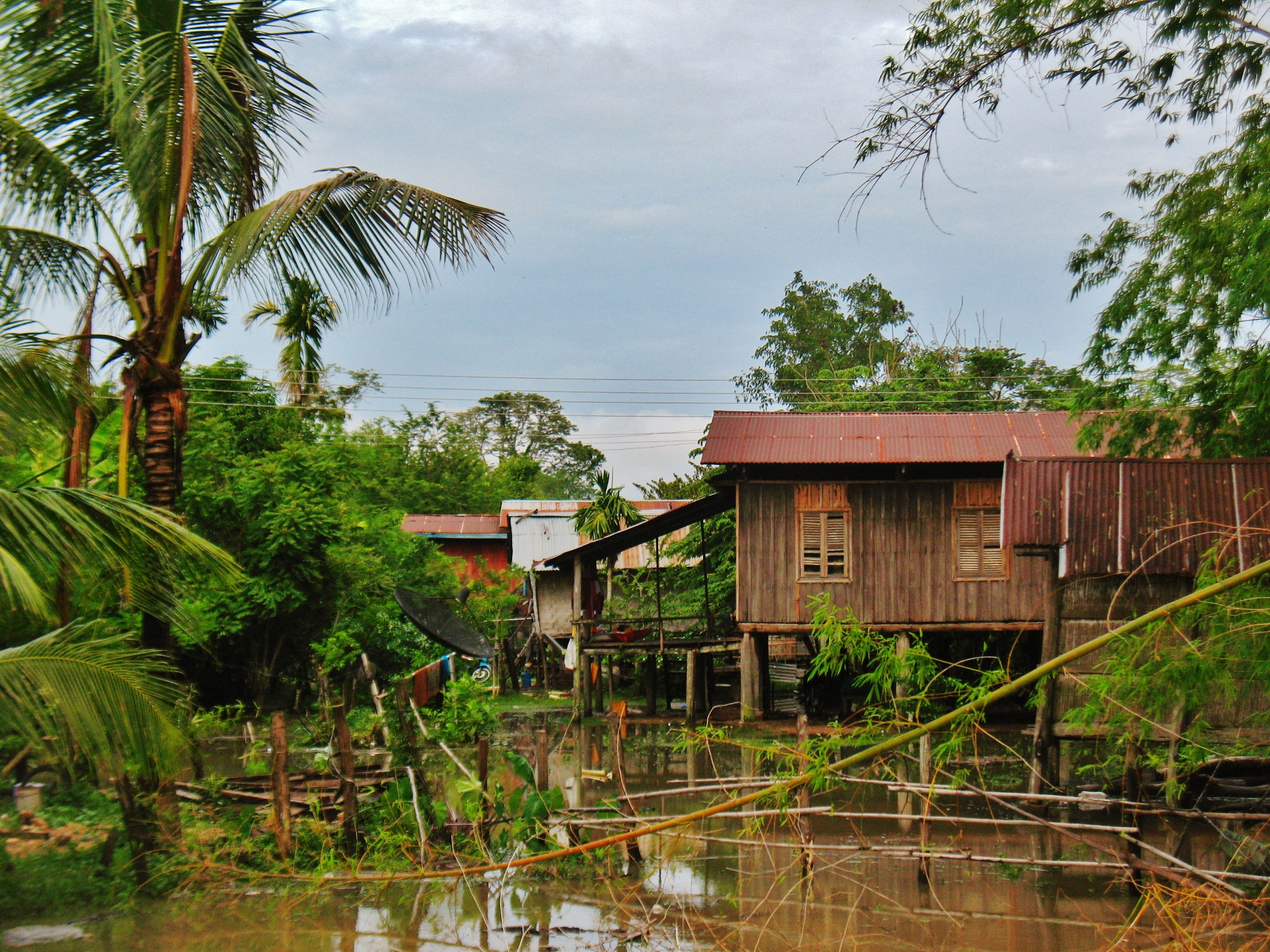
Entire families who depend on what its waters give them, fisherman husbands and their wives who go to sell the fish in the market, children with the possibility to go to school due to the income it offers to their parents, the houses built on stakes above it, the rice fields who provide the fuel for their existence irrigated by its flow.
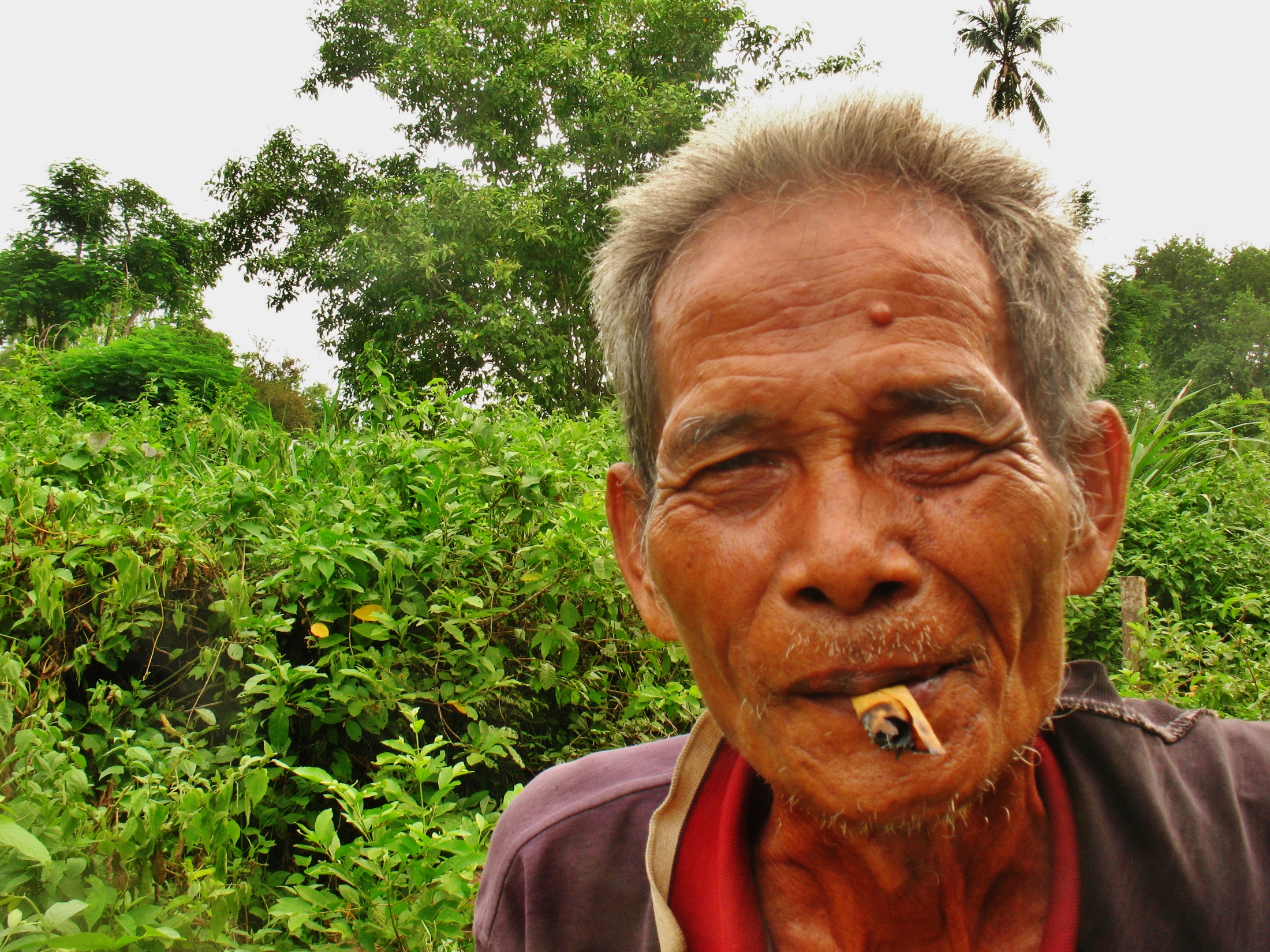
Or the animist village elder, calmly smoking by the river, explaining how it helped to save his life during the napalm attacks perpetrated by the americans, in the laotian secret war of the sixties and seventies, the largest bombing campaign in the history of mankind. Submerging into its waters for not being burned, left with scars for life to help him remember his connection with the river. A matter of life and death, of gratitude.
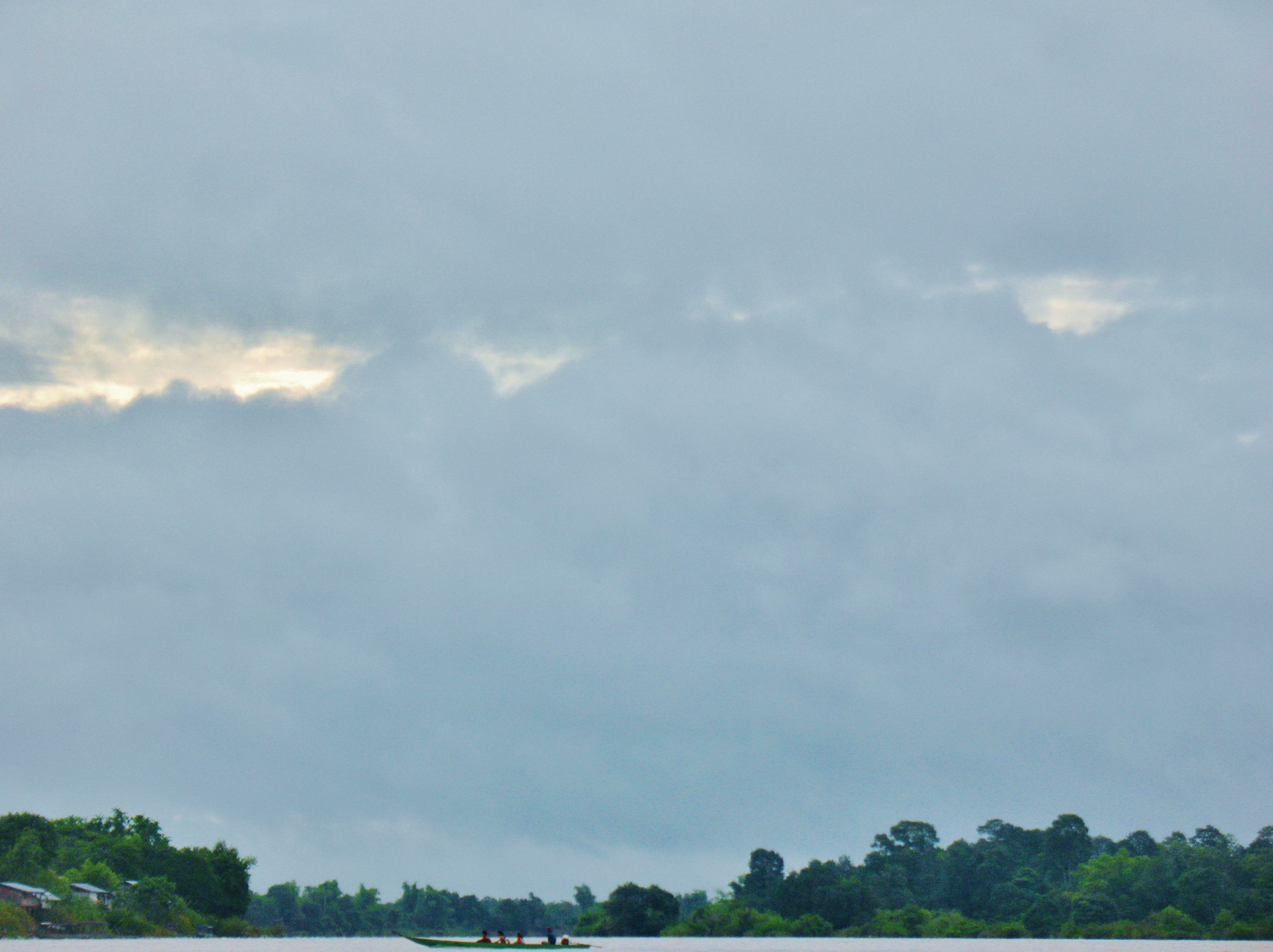
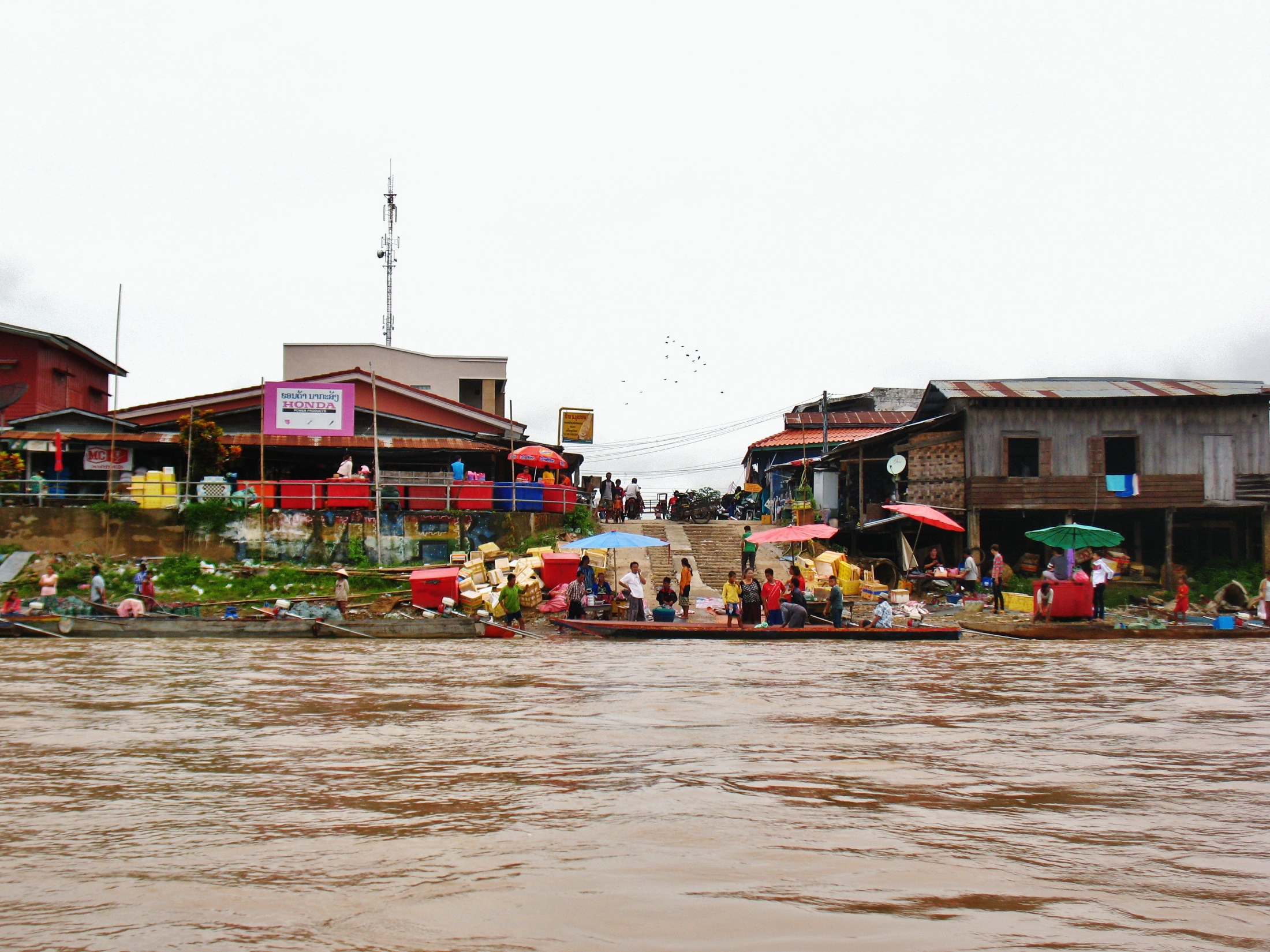
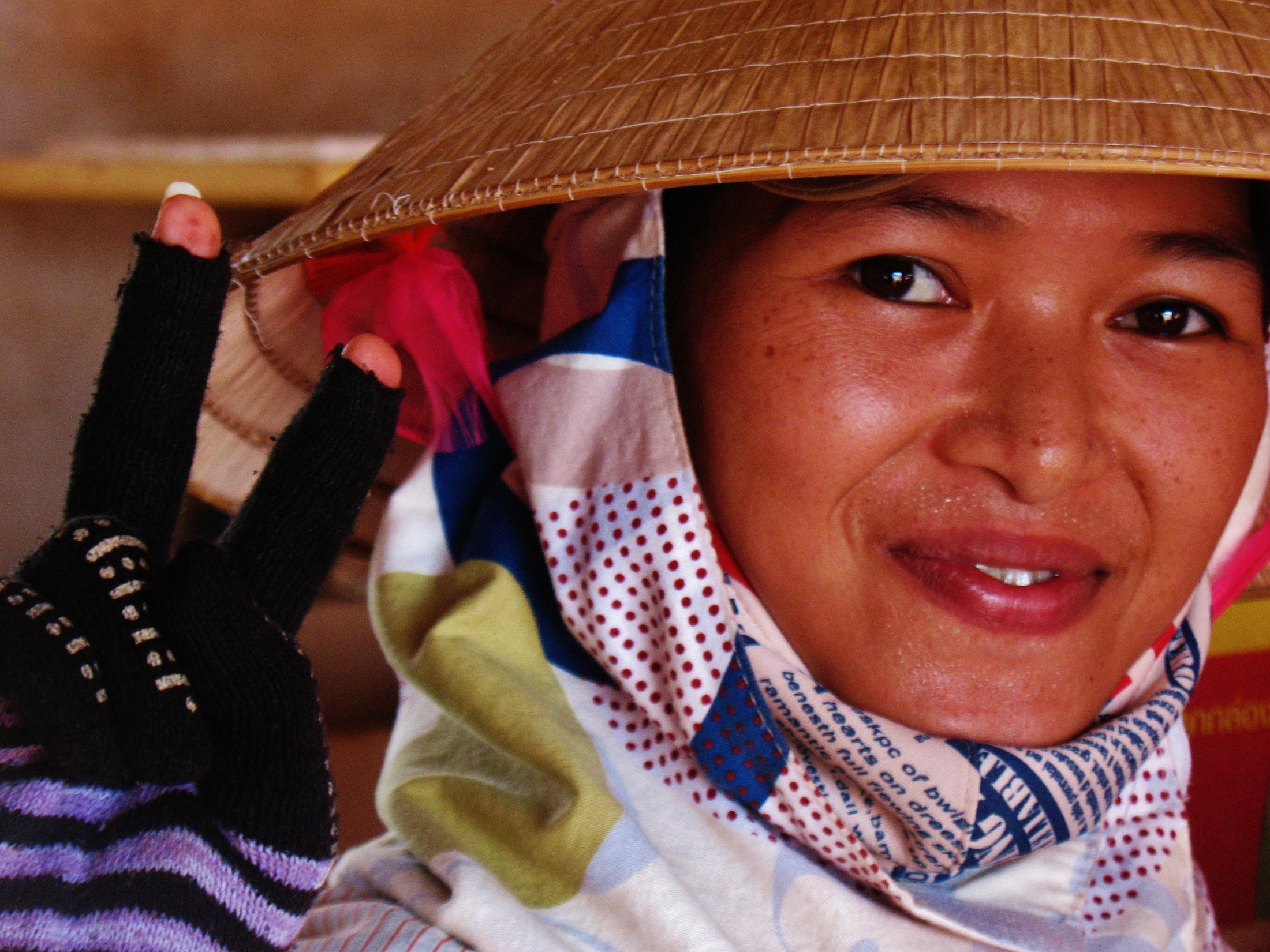
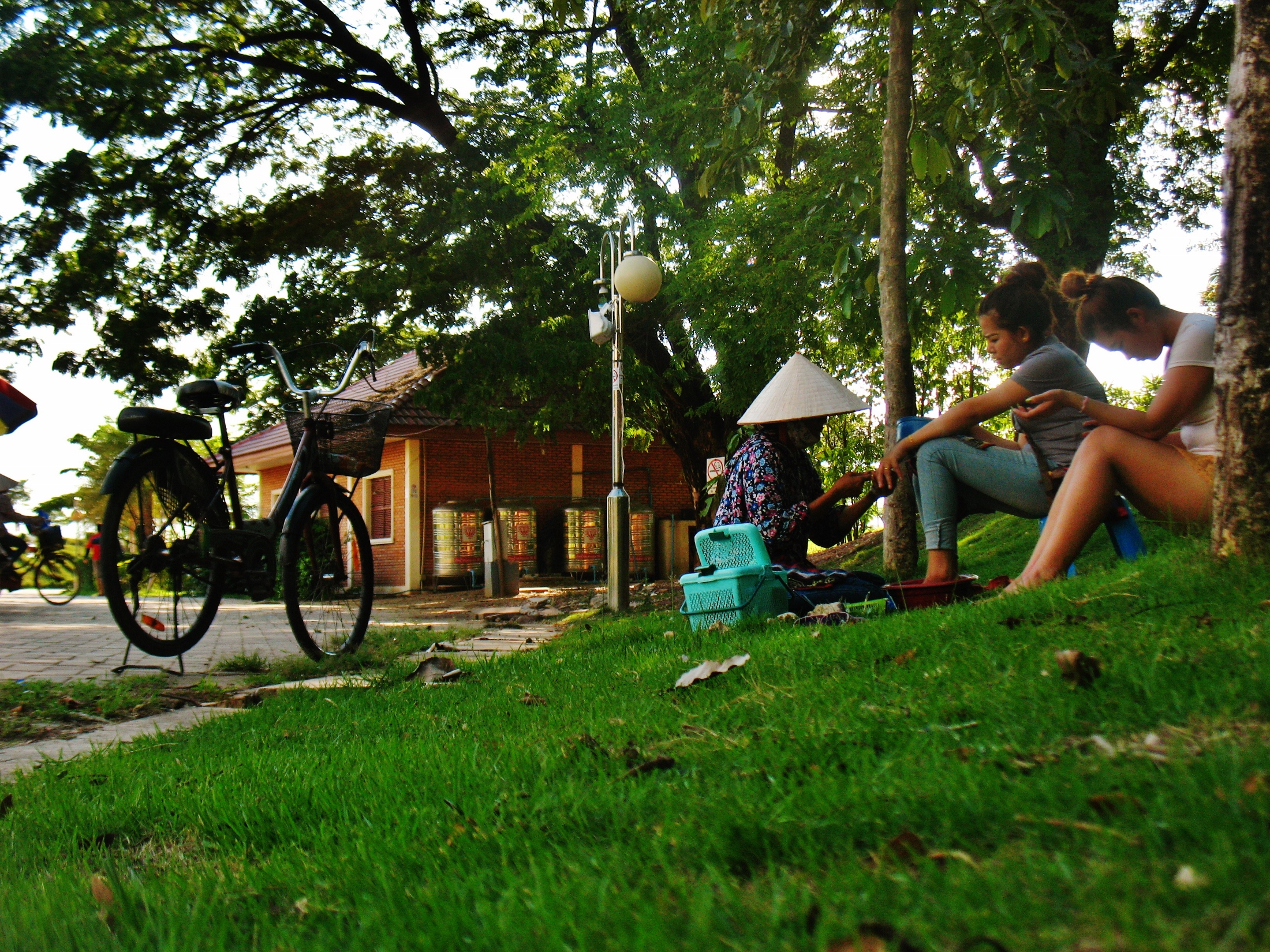
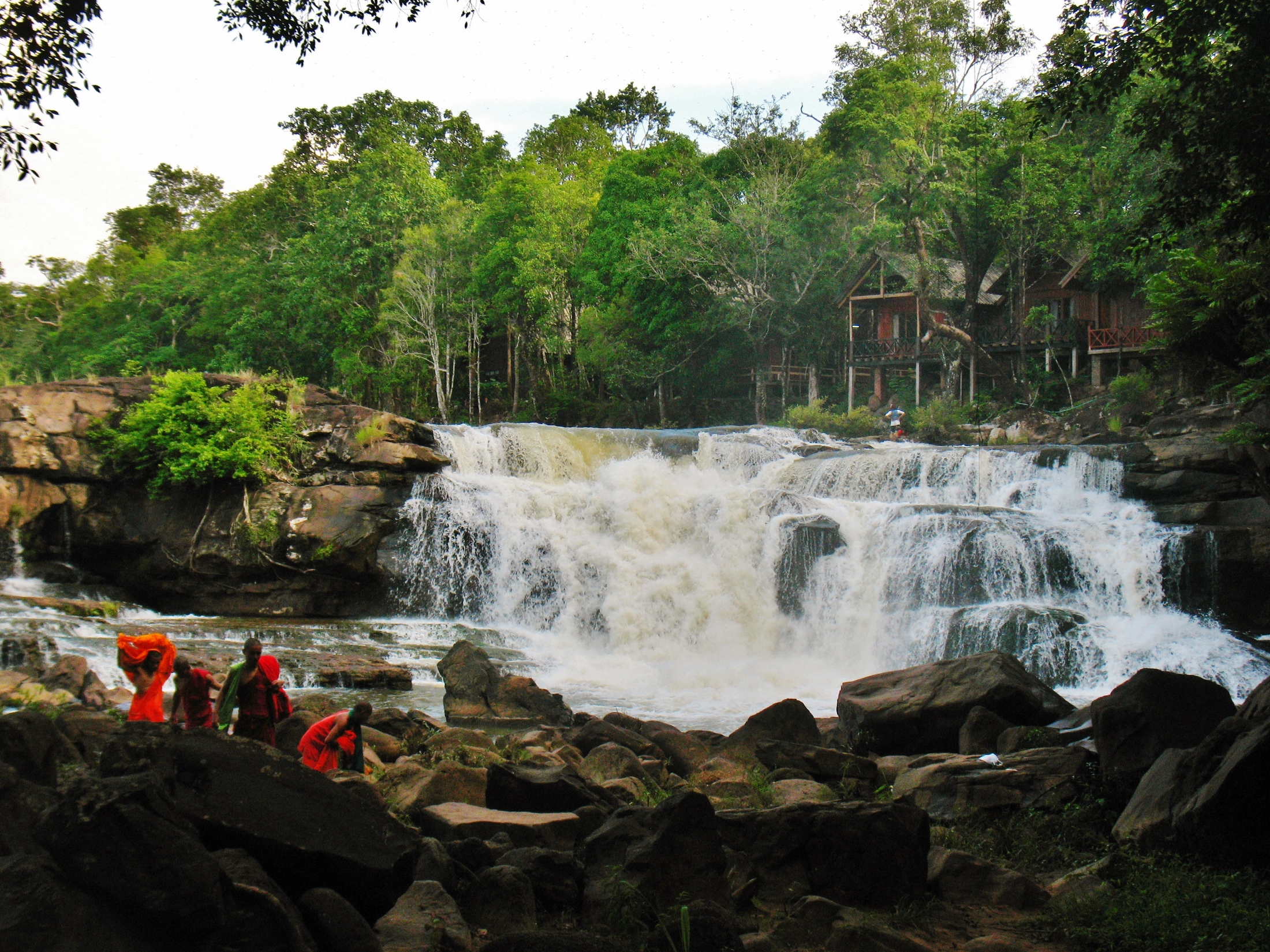
Nevertheless, in daily life, there is nothing outside its course. A group of monks coming back from having their daily bath, a street manicure working in a garden in its margin, the local people going every day by boat to the market in the nearest village, sunrises and sunsets in the river banks, forming with upstream and downstream the cardinal points that guide an entire nation. Flowing together, the river and its inhabitants; its guardians, its children.
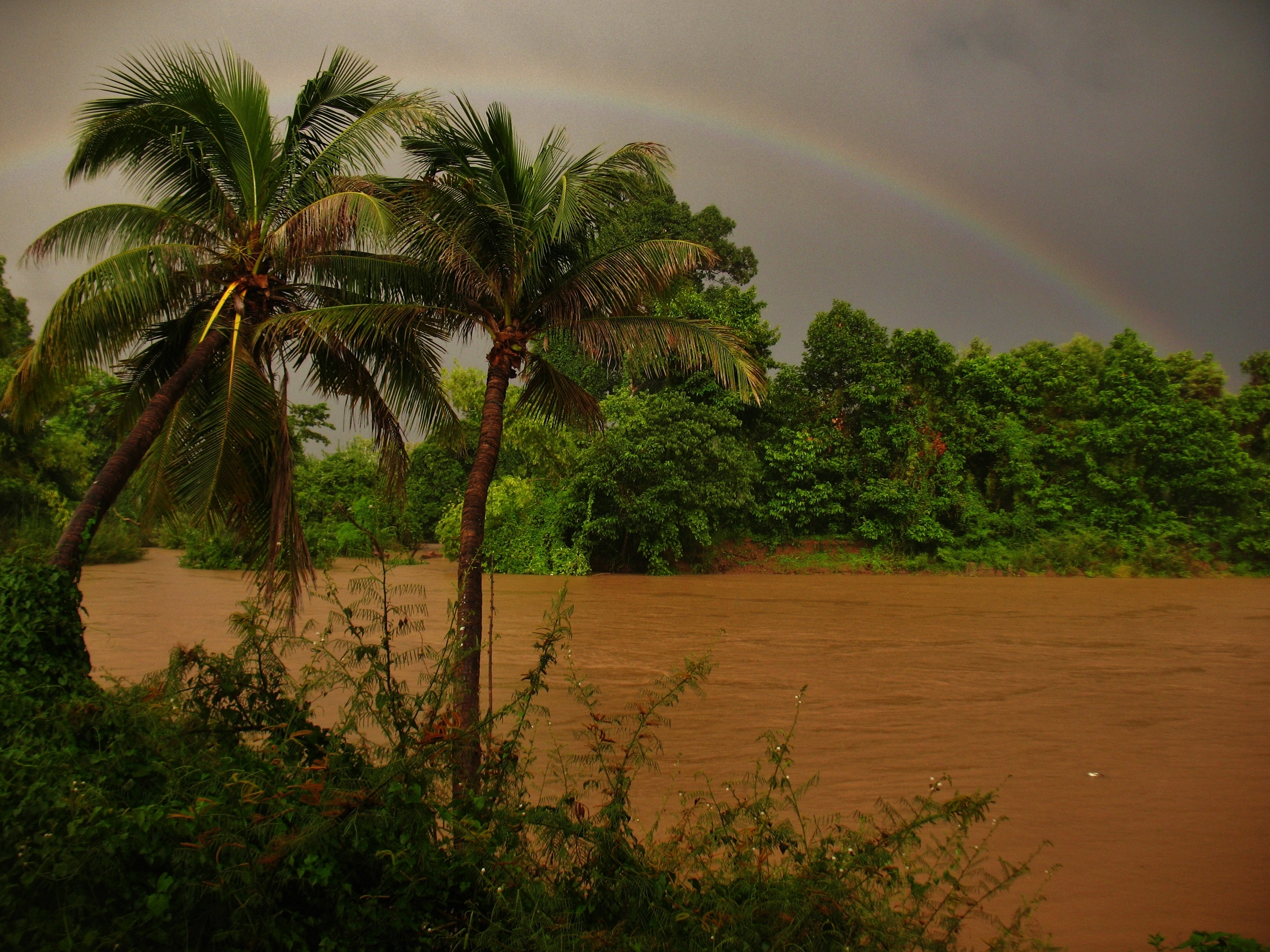
Water Series III – In the name of Mekong
(Myanmar, Thailand, Laos, Cambodia)
Mekong river flows in six different countries, more than 4350 kms starting in China, going through Myanmar, Thailand, Laos, Cambodia and finishing in its delta in Vietnam. It has the world’s largest freshwater fisheries with 800 different native species, the richest biodiversity in the world following the Amazon.
In 2010 Lao government began building a 1.285 megawatt dam in Xayaburi, north Laos, with the support of Thailand: investment provided by six thai banks, contract with a thai construction company, agreement with the Electricity Generating Authority of Thailand to purchase 95% of the generated energy, etc. Eleven more dams are proposed for the lower Mekong, nine of them in Laos and two in Cambodia . In the upper Mekong in China, three are built and five are currently being constructed or already planned. (A map of the river and the location of the dams can be seen here.)
They not only unsettle the levels and flow of the water, with its consequence in the agricultural fields along the river basin, but they cut the migration flux of fish, tearing apart natural ecosystems and the traditional livelihoods of millions of people. There is no consultation with the local people, no regard for studies on the ecological, social and economic impact for the region, and no transparency in the process between governments and multinational construction companies. It’s been considered as an act of war from the countries in the upper stream by the ones in the down stream, namely Cambodia and Vietnam, the ones who would be more affected by the changes in the river.
This project is a journey along four of the countries where Mekong flows, starting by following a group of fishermen activists in northeast of Thailand, visiting threatened places in south Laos and central Cambodia, and ending in the very end of this massive river, the delta region in south Vietnam.
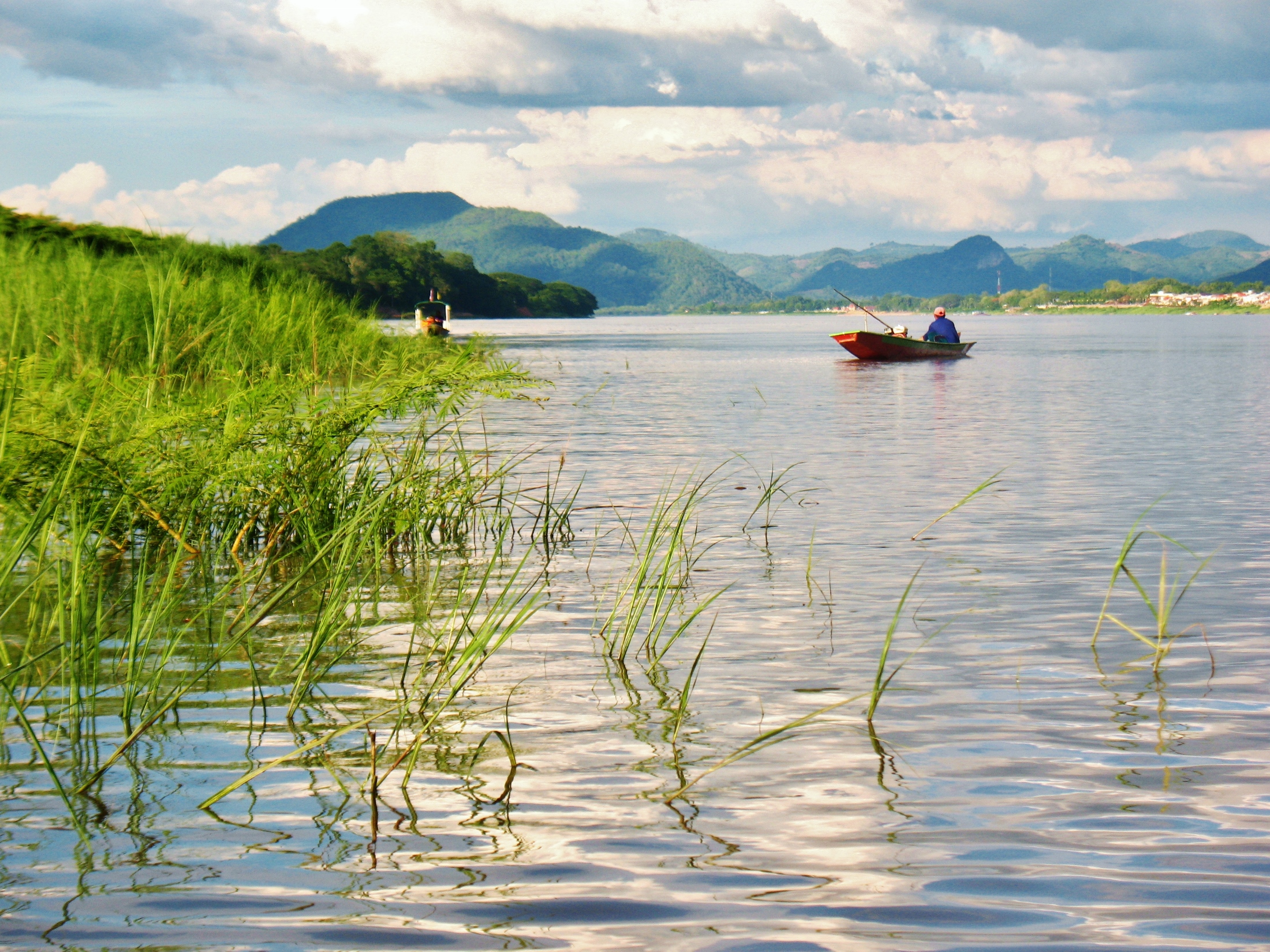
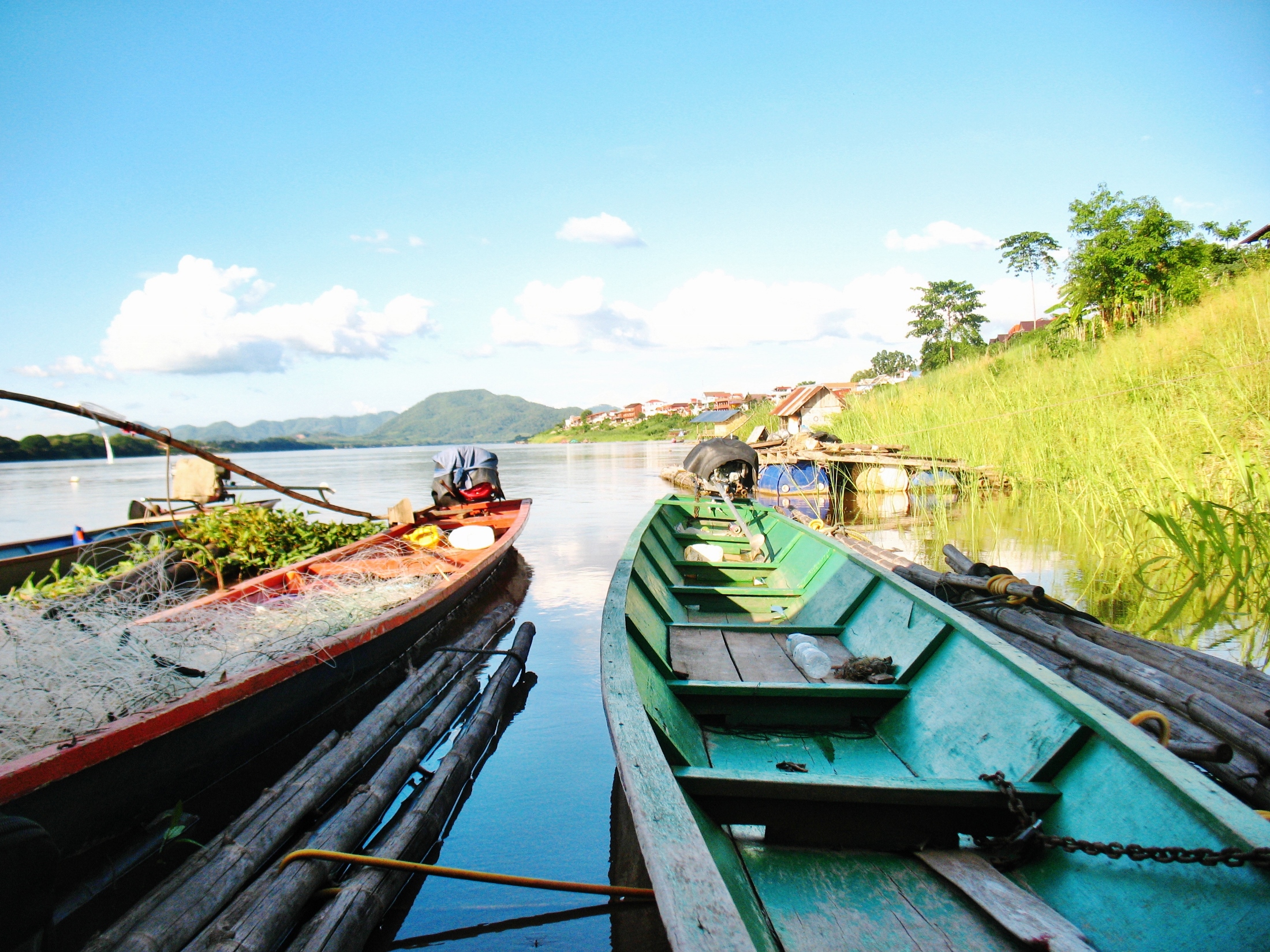
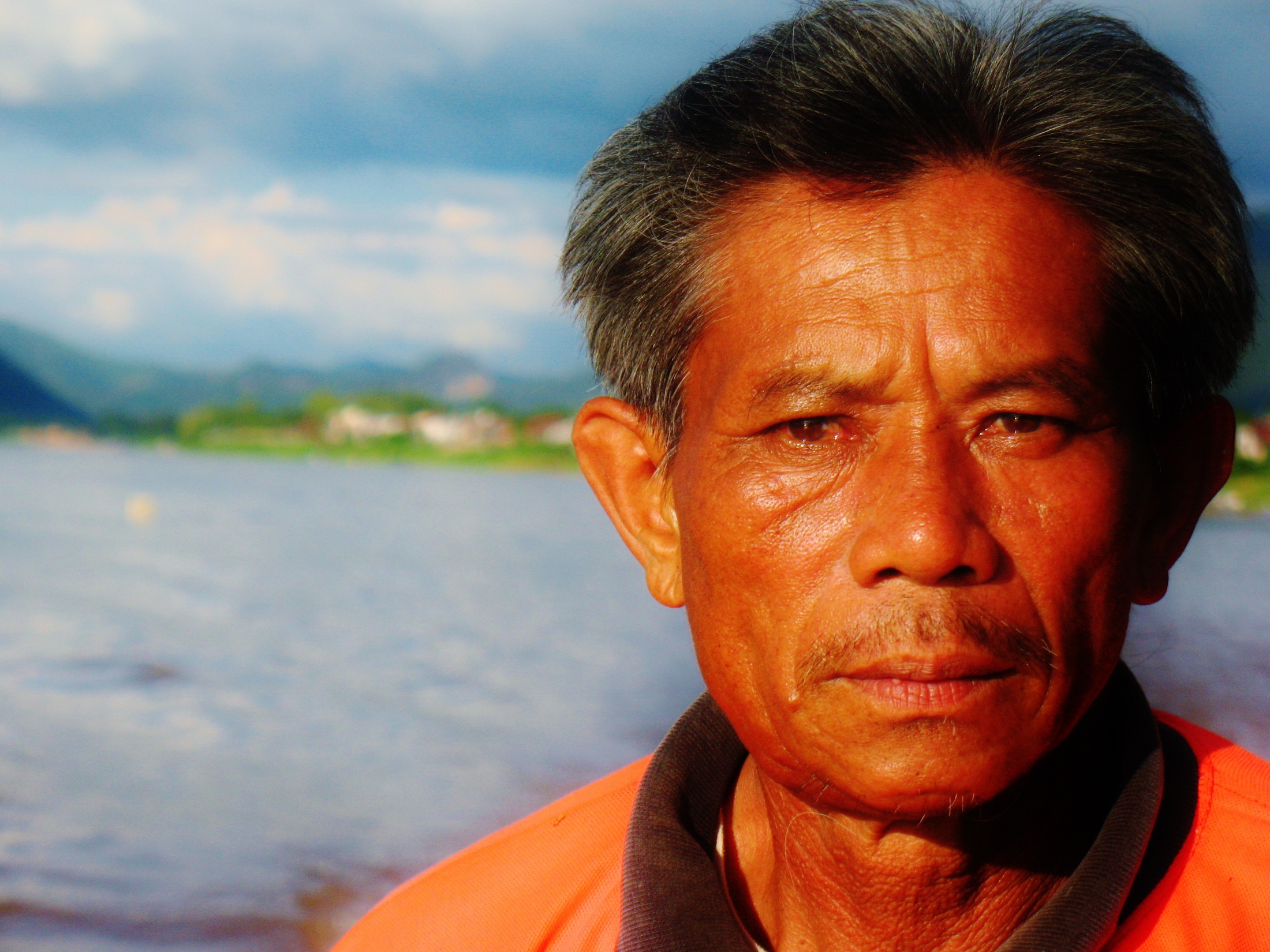
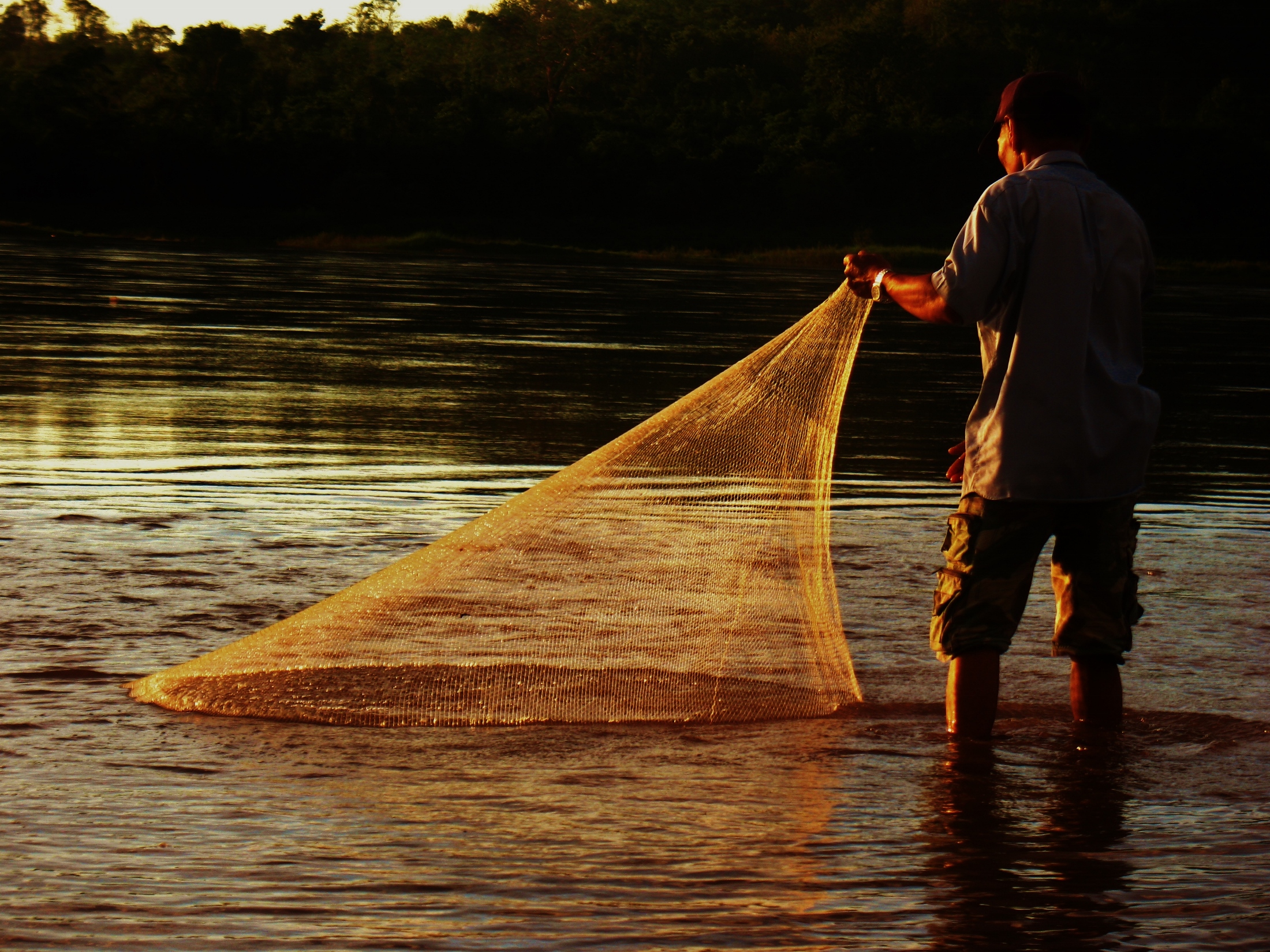
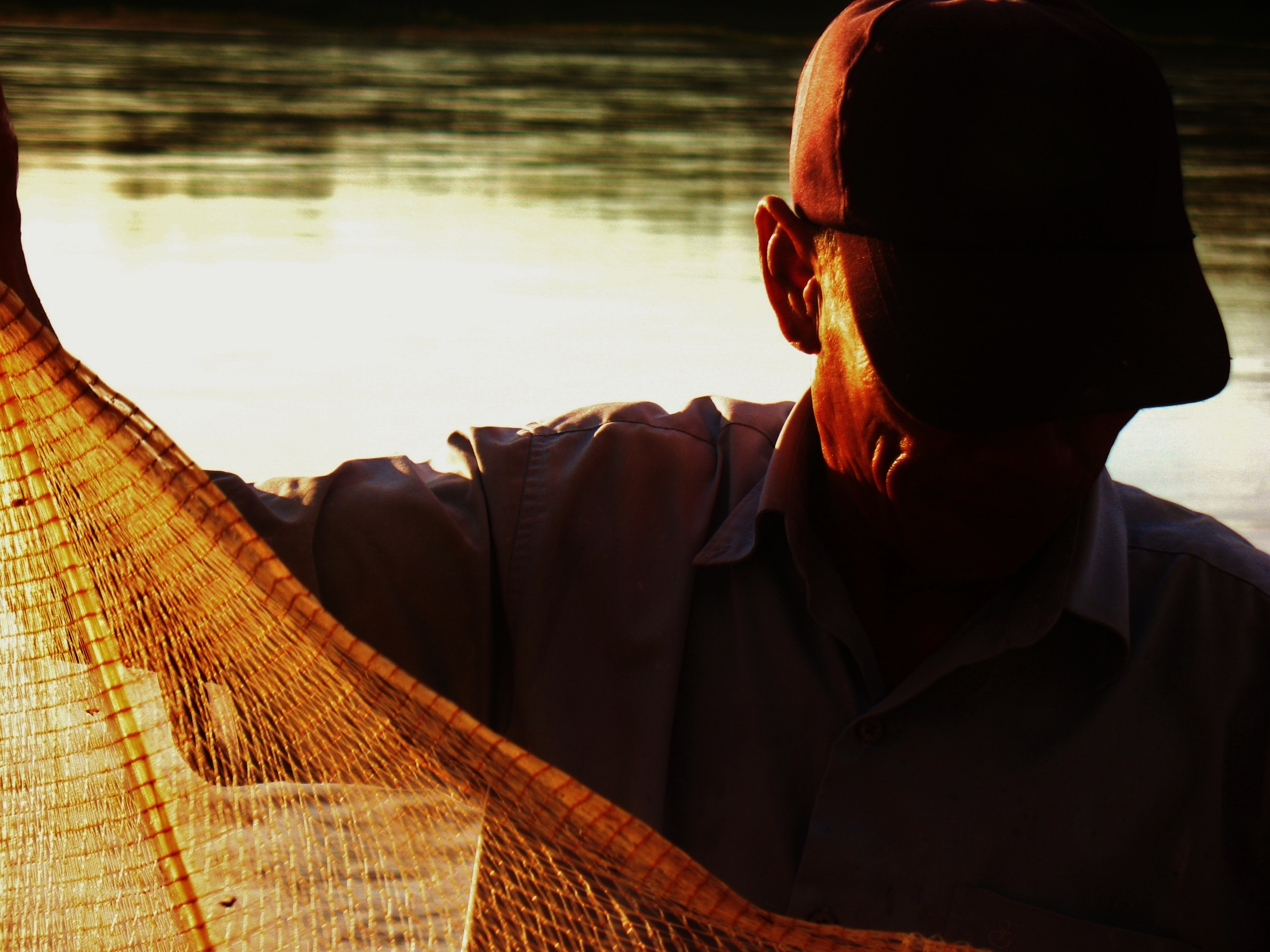
Local fishermen from Isaan province, one of the regions where its people will face the changings in the river and the megalomaniacal energetic ambitions of China and Laos. In lower Mekong around 2.5 to 3 million tons of fish are produced per year, is estimated that 600.000 to 1.4 million tons would be at risk due to the new dams.
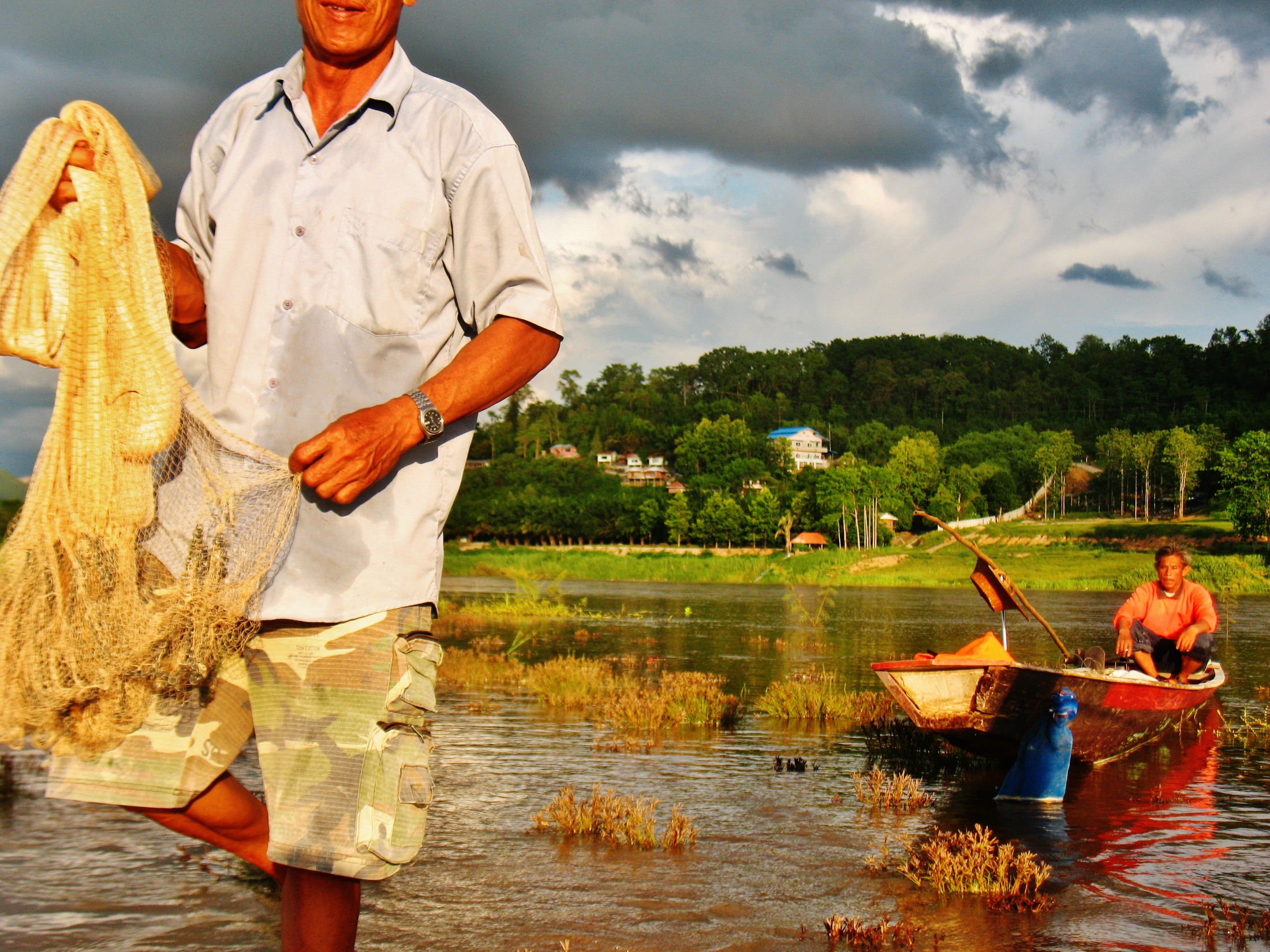
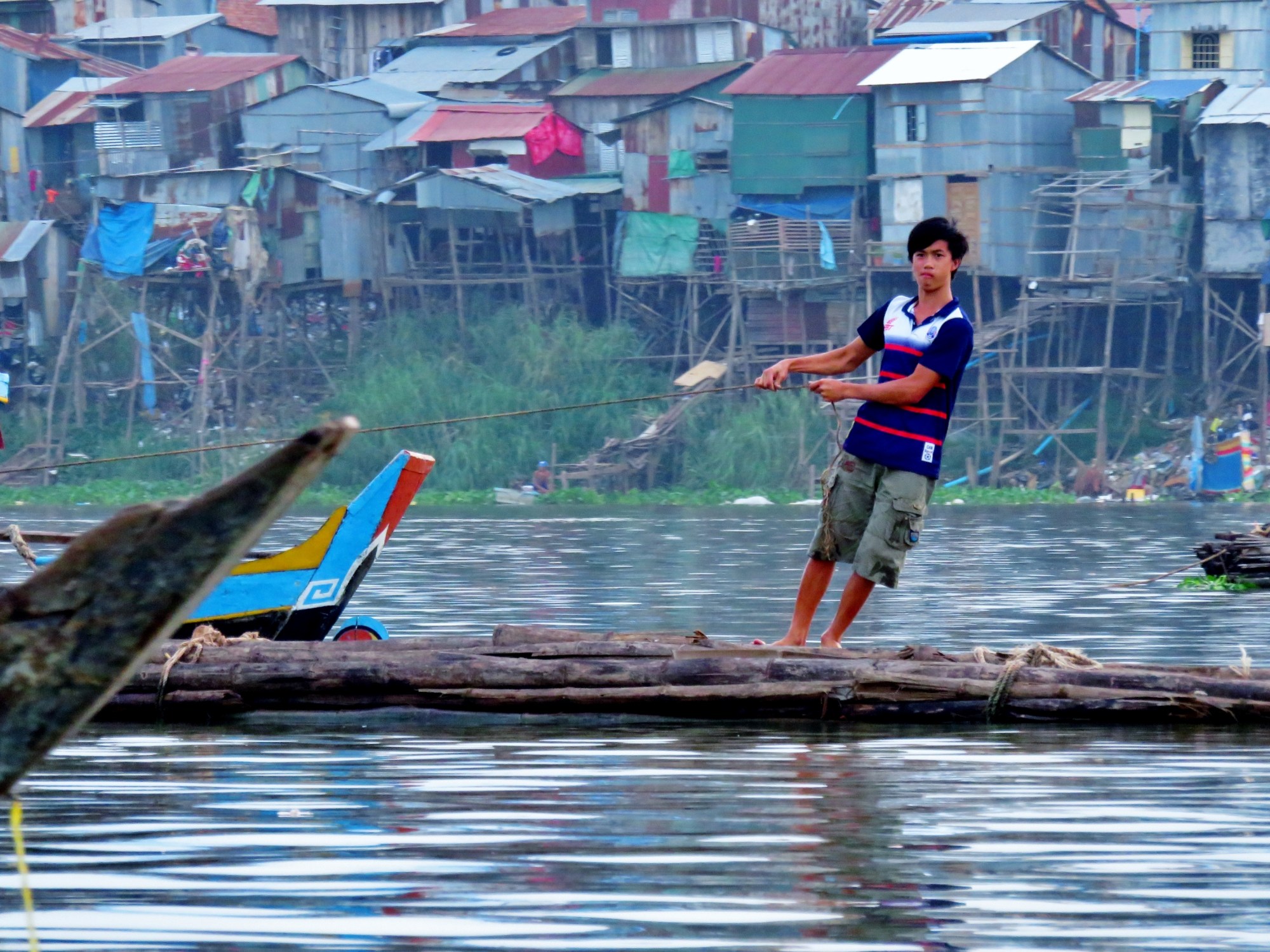
Not only in terms of fishing are the livelihoods of local people based, many use boats for daily transportation or small tourism-based businesses that support their communities and are crucial to the subsistence of many families from the poorest sector of society.
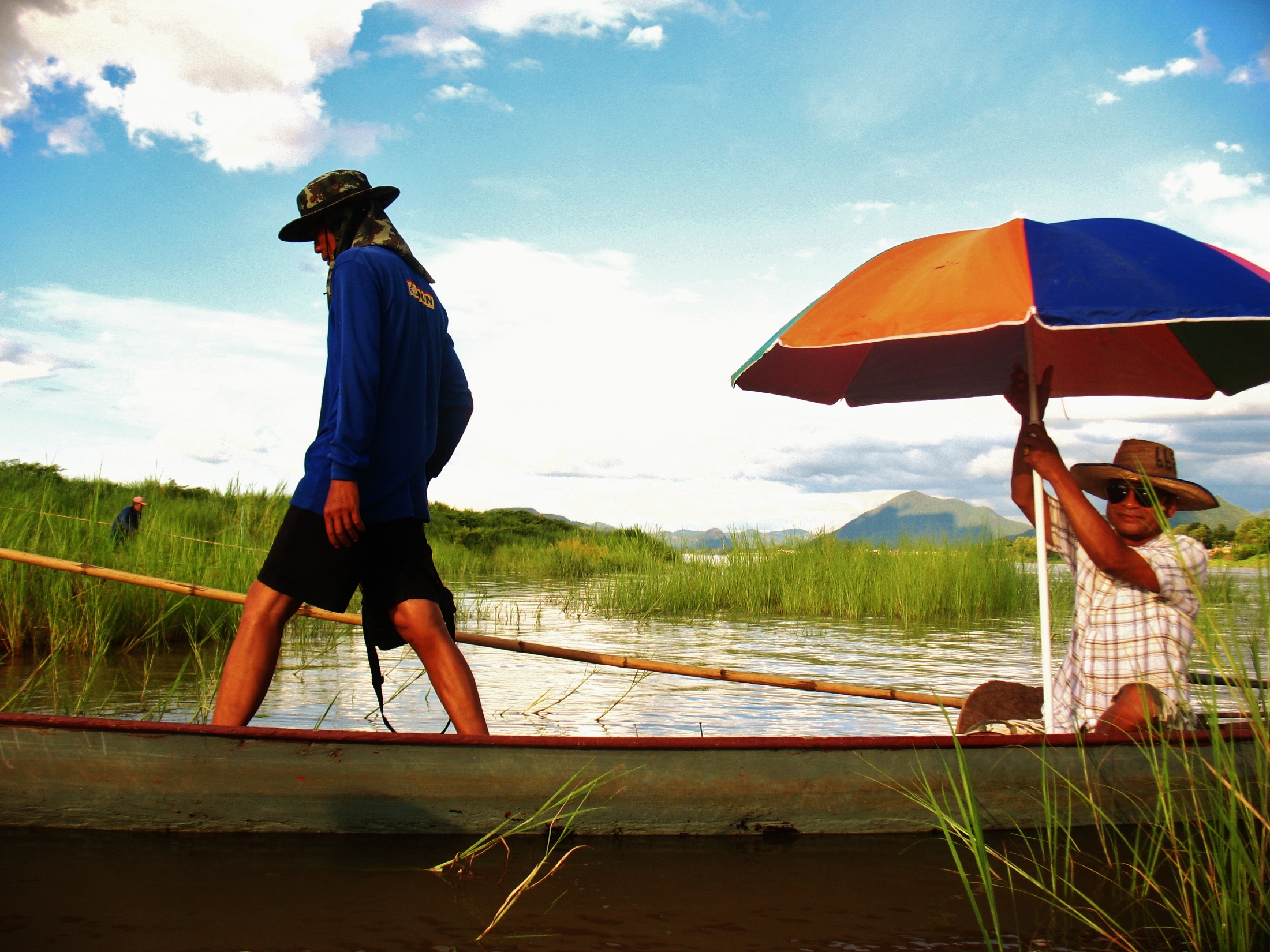
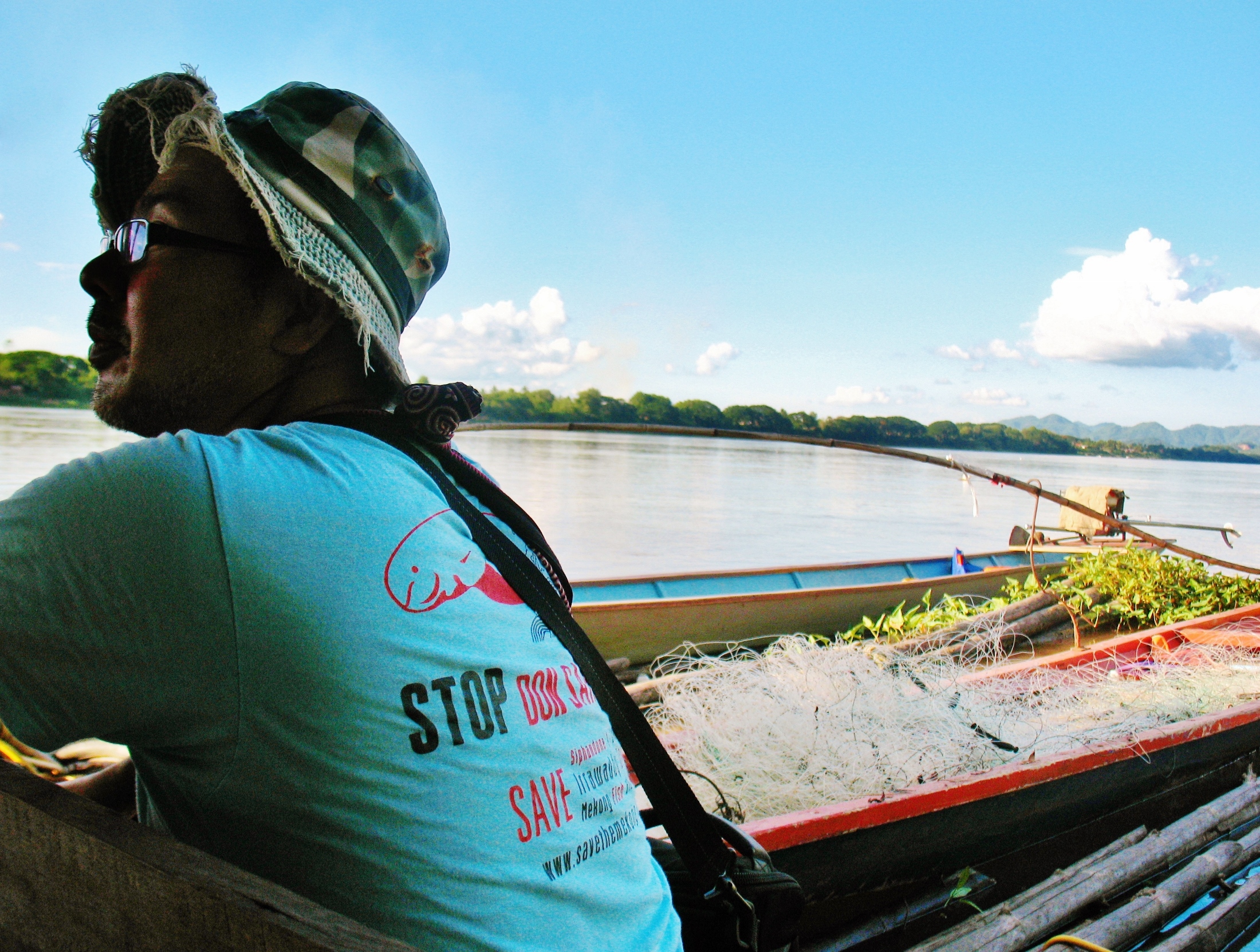
Local activist and fisherman, with a tshirt from a movement against the construction of Don Sahong dam, in Siphandon near the Laos-Cambodian border. The planned site for construction is the only channel that allows the fish migrations of at least 100 species to bypass the Khone Falls, being used by 80 to 90% of the fish entering Cambodia.
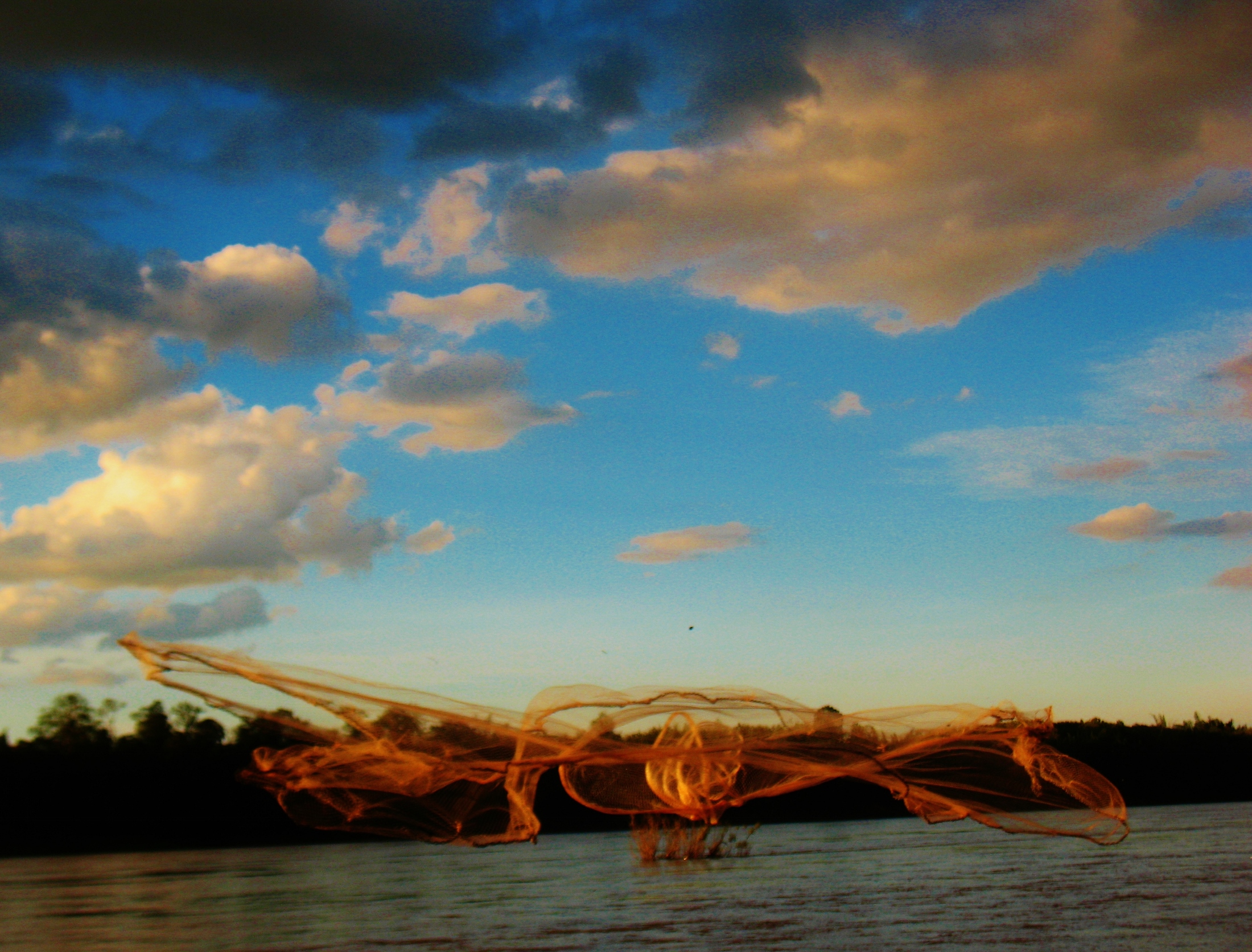

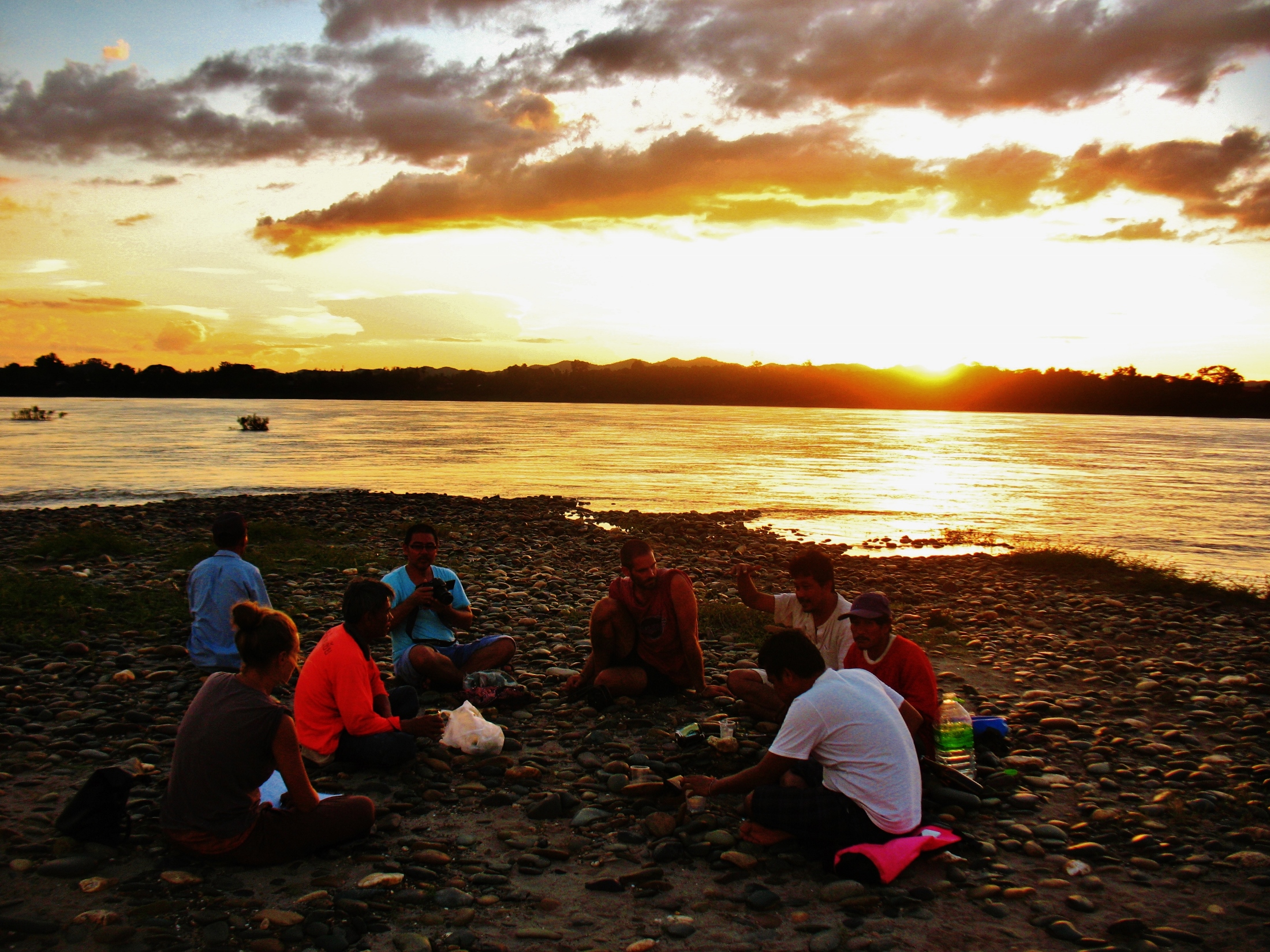
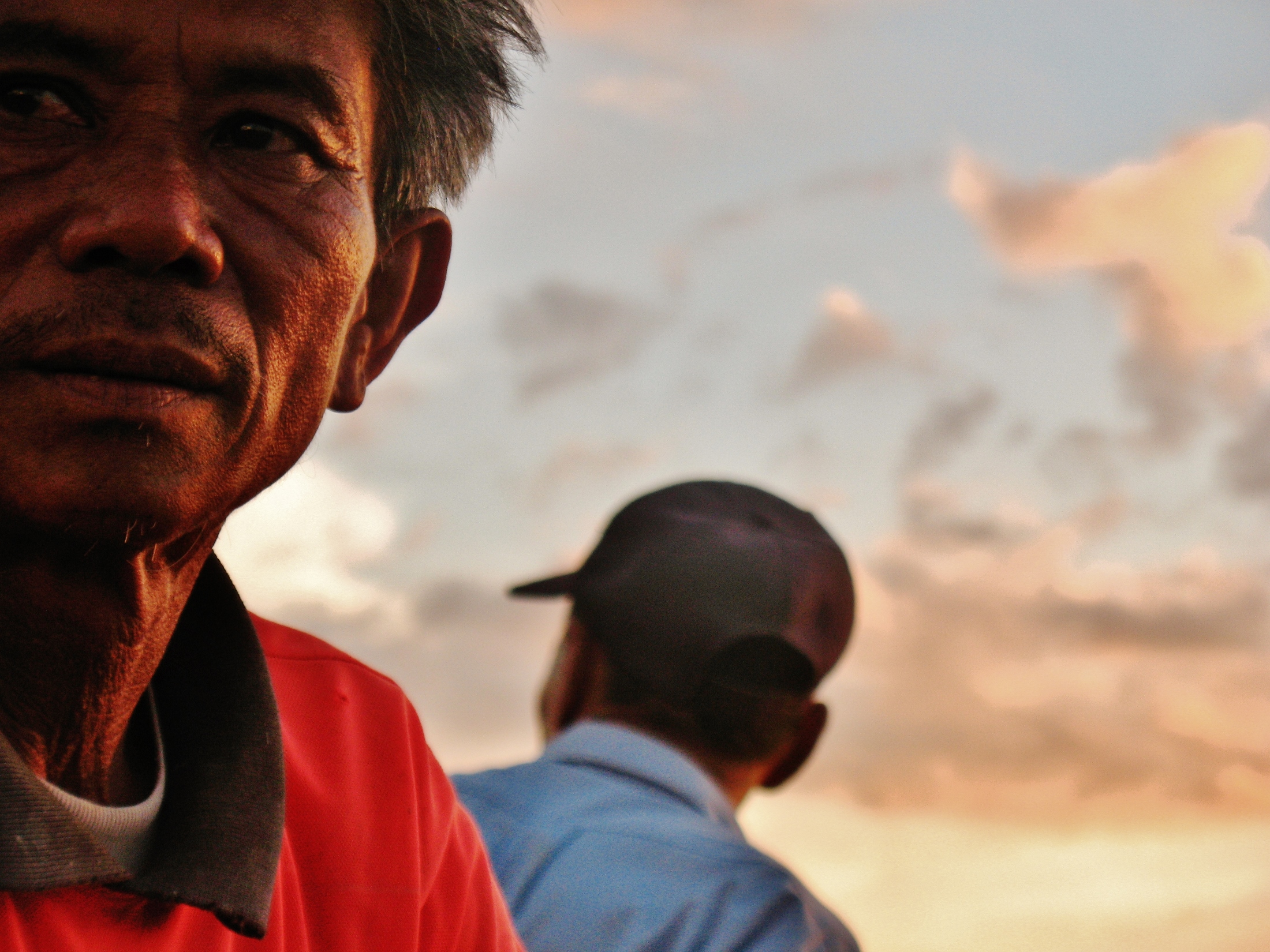
Meeting in a small island on the Mekong, with a group of local fishermen and activists for the rights of the people living in the river basin.
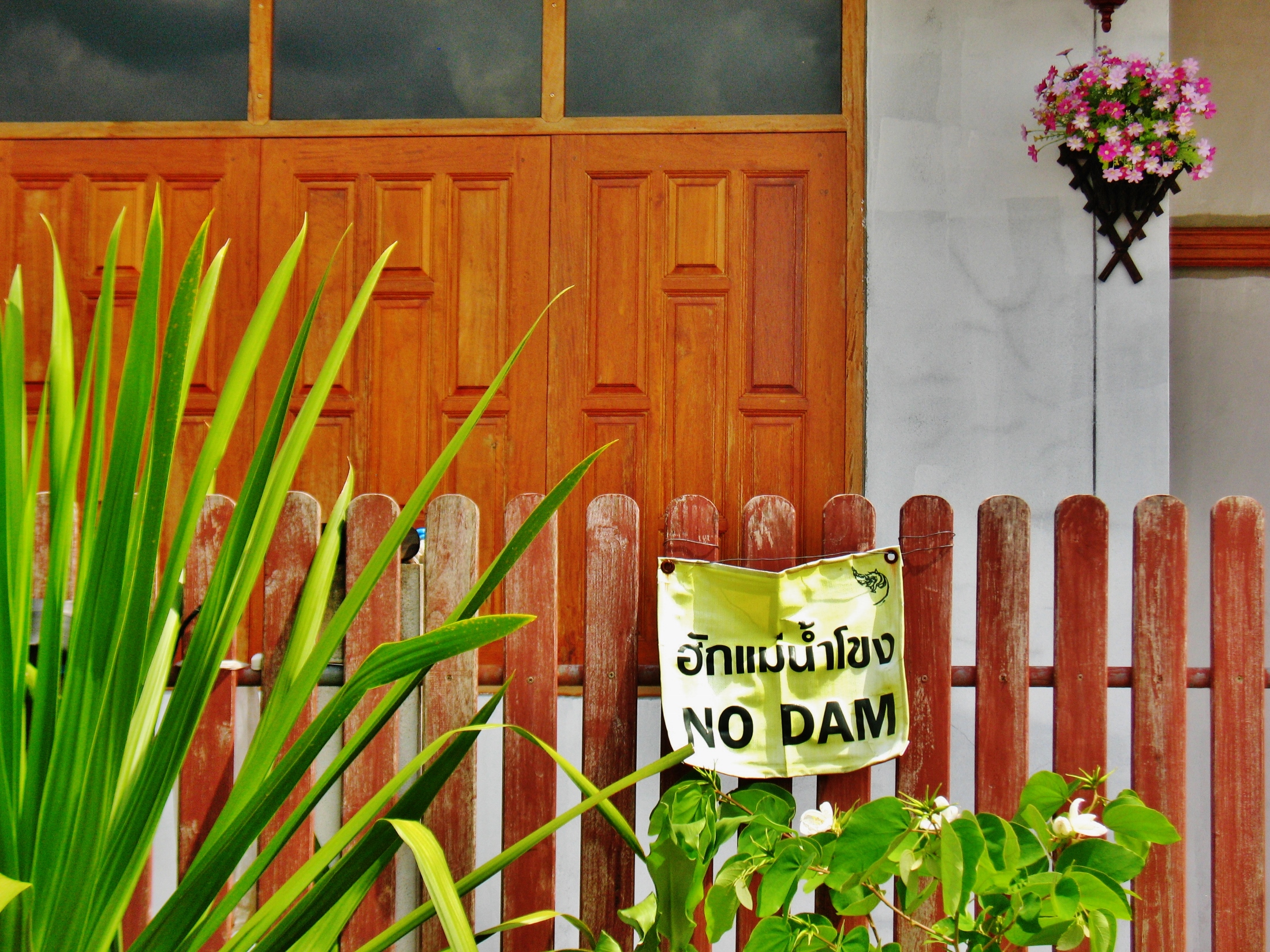
A coalition of 103 thai NGOs are making pressure to the goverment in order to reject its support to new dams, due to being Thailand one of the major buyers of laotian energy. Thai energy experts Chuenchom Sangarasri Greacen and Dr. Chris Greacen, in their Alternative Power Development Plan, affirm that this energy is not needed for the country to support the current and future planned energy needs. Below an inhabitant of the riverside town of Chiang Khan is one of the many hanging in front their house a protesting banner.
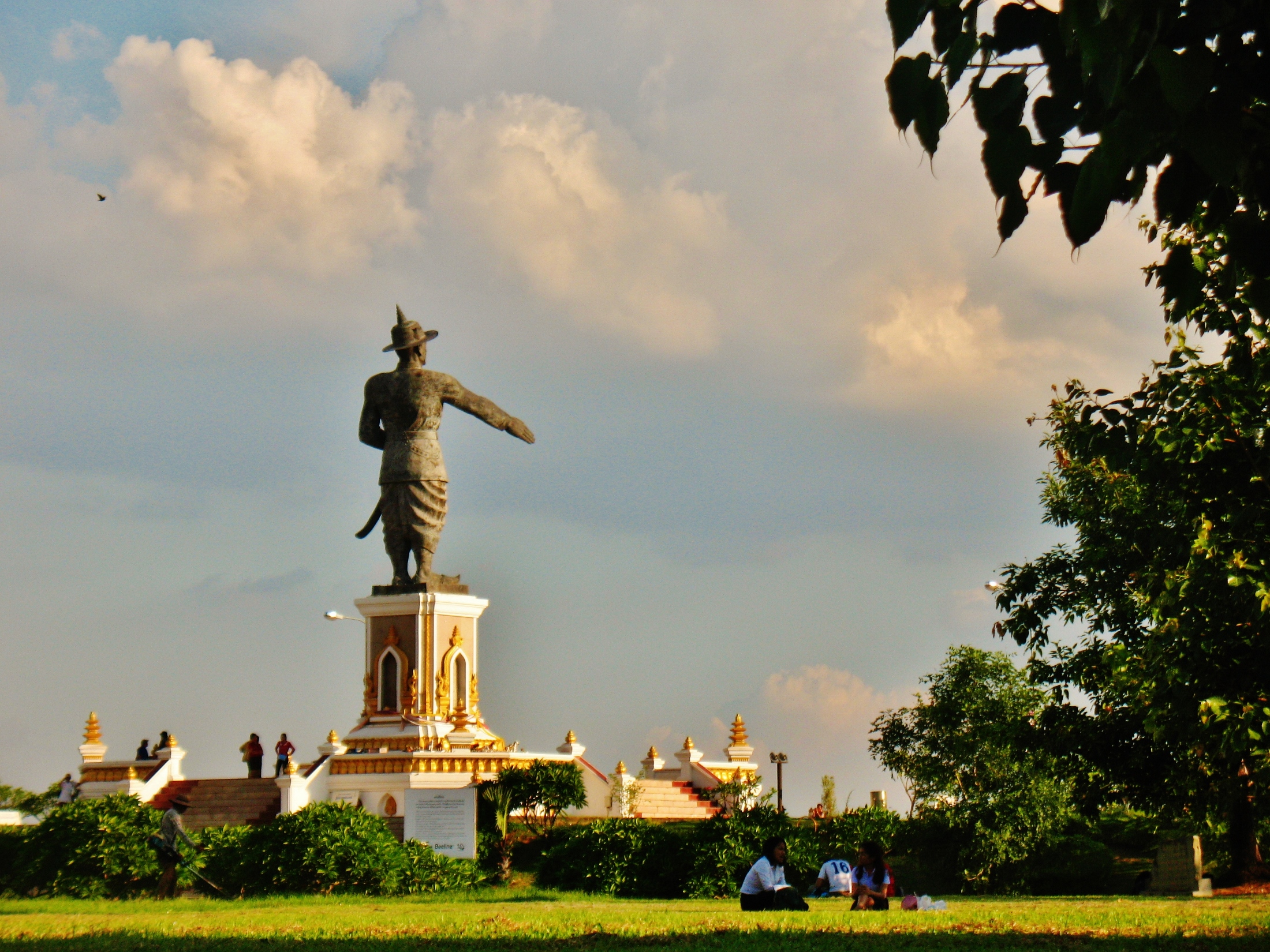
Chao Anouvong park at Mekong’s riverside in Vientiane, capital of Laos. Theorically there is a Mekong River Commision with representations of Laos, Thailand, Cambodia and Vietnam, with the agreement of all the governments to search for consensus before construction projects in the river that all of them share. Nevertheless, Laos government as been mute to the others protests, with Mekong River Commision facing a huge lack of power even if their recommendations and proposals are against the current policies regarding construction on the river.
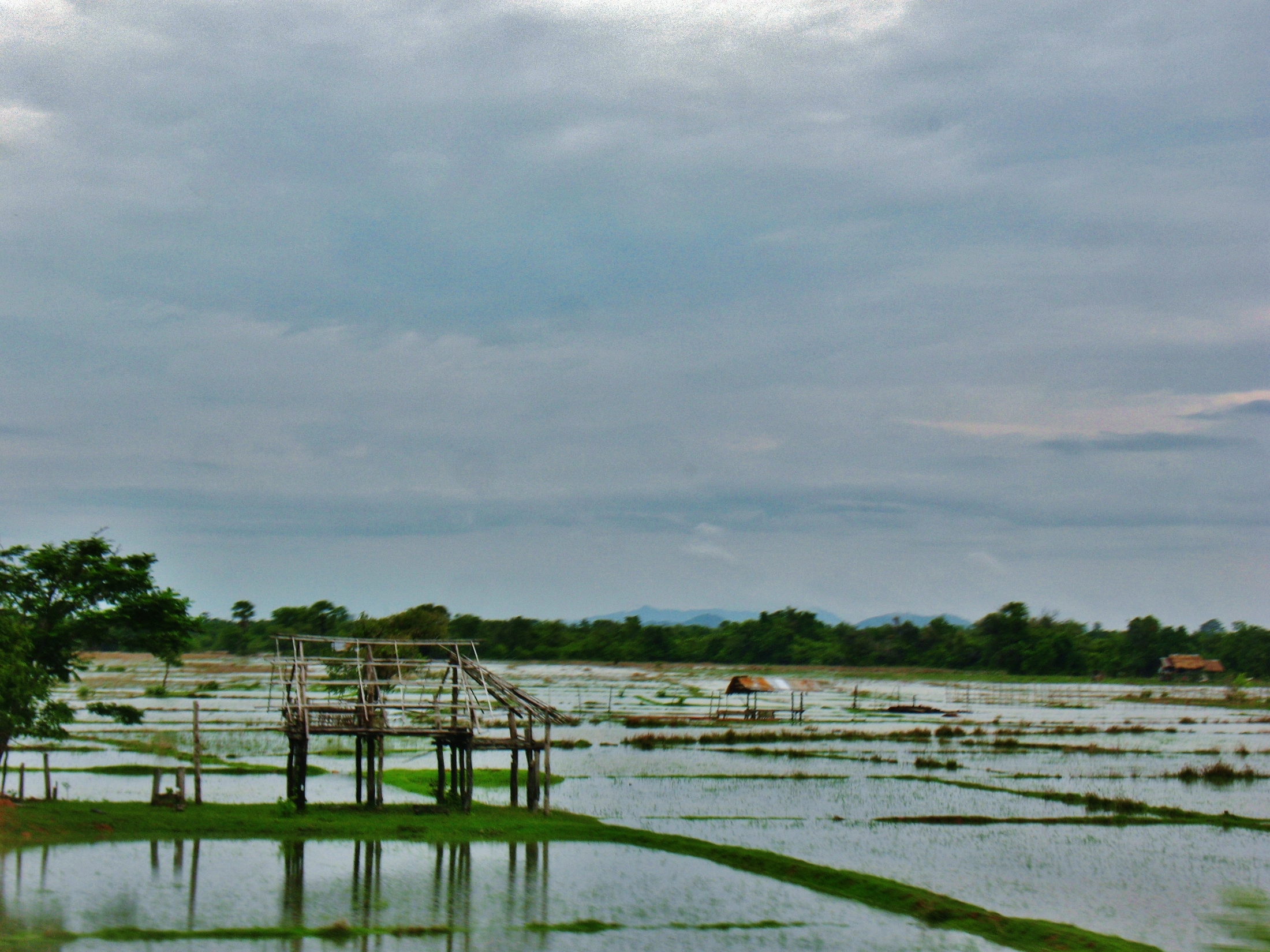
The next dam to be built will be in Siphandon, famously known as 4000 islands and being one of the major tourism destinations in Laos, providing a crucial livelihood for its local population. At the same time is a natural sanctuary for many species, including a shrinking population of irrawaddy dolphins which lives right on the planned construction site. The new dam also affects the local production of rice, the staple food in all countries in Southeast Asia and crucial for the survival of a large part of its population, typically families that practice subsistence rice farming, using water from the river as irrigation for their fields.
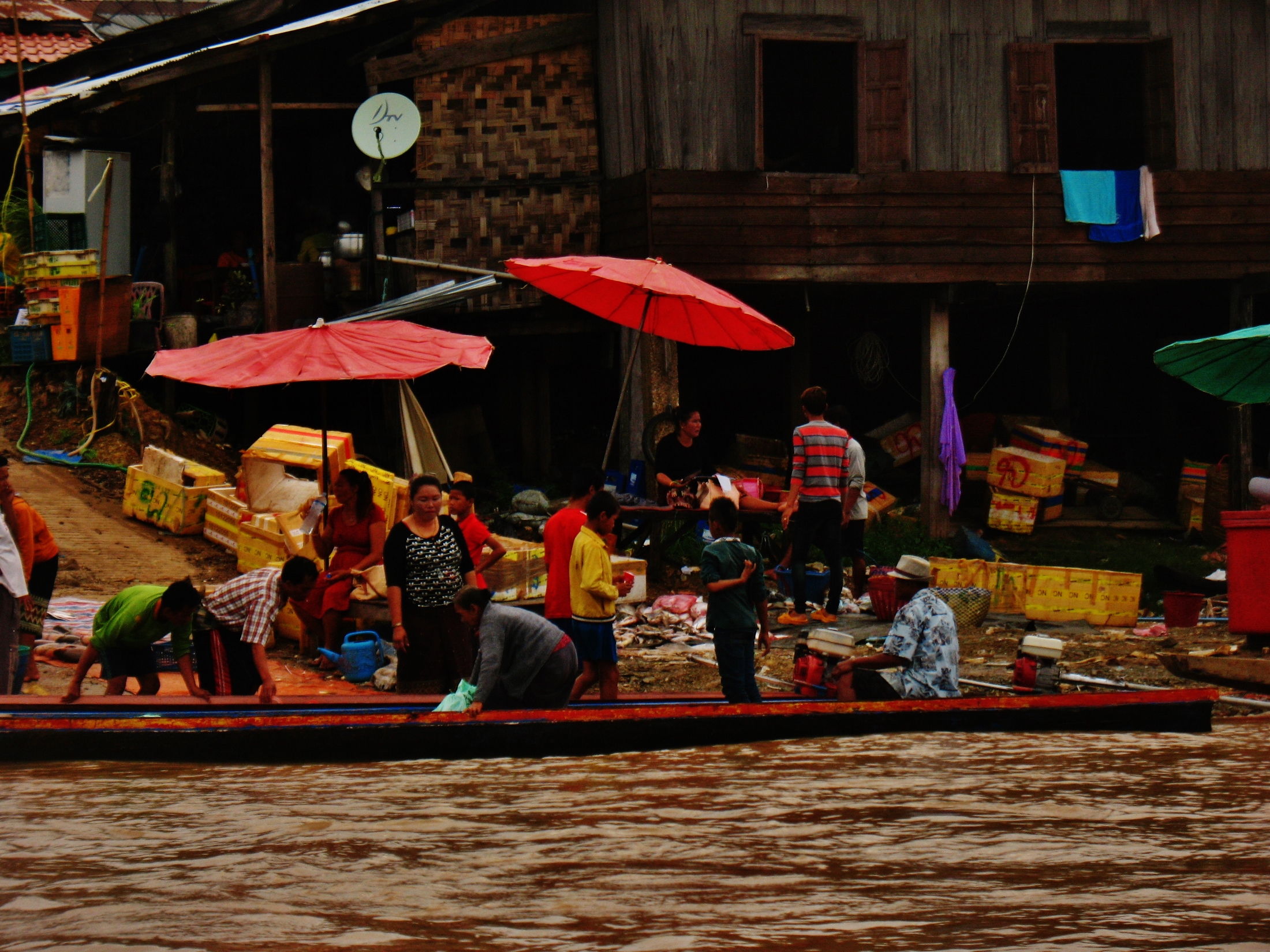
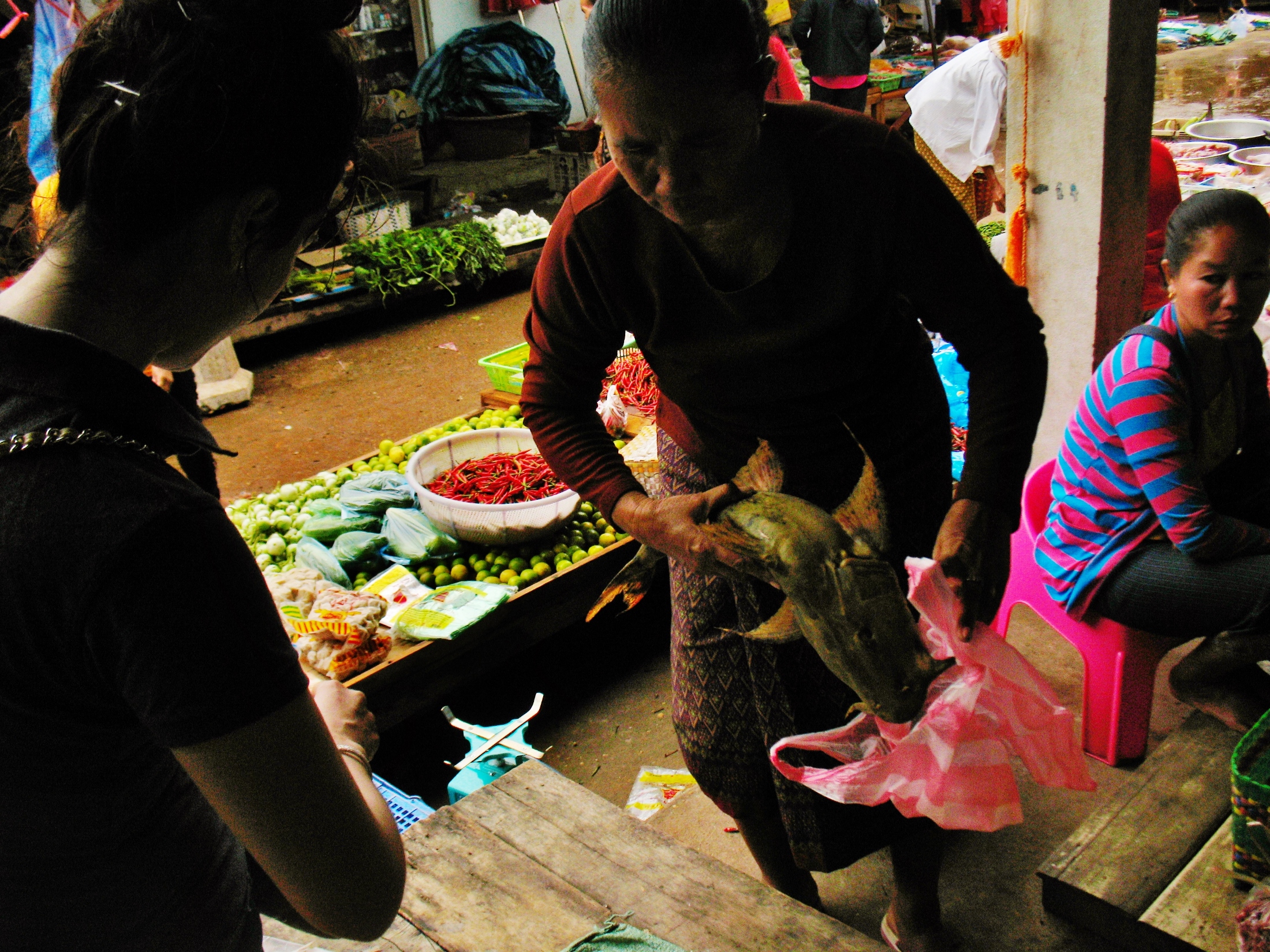
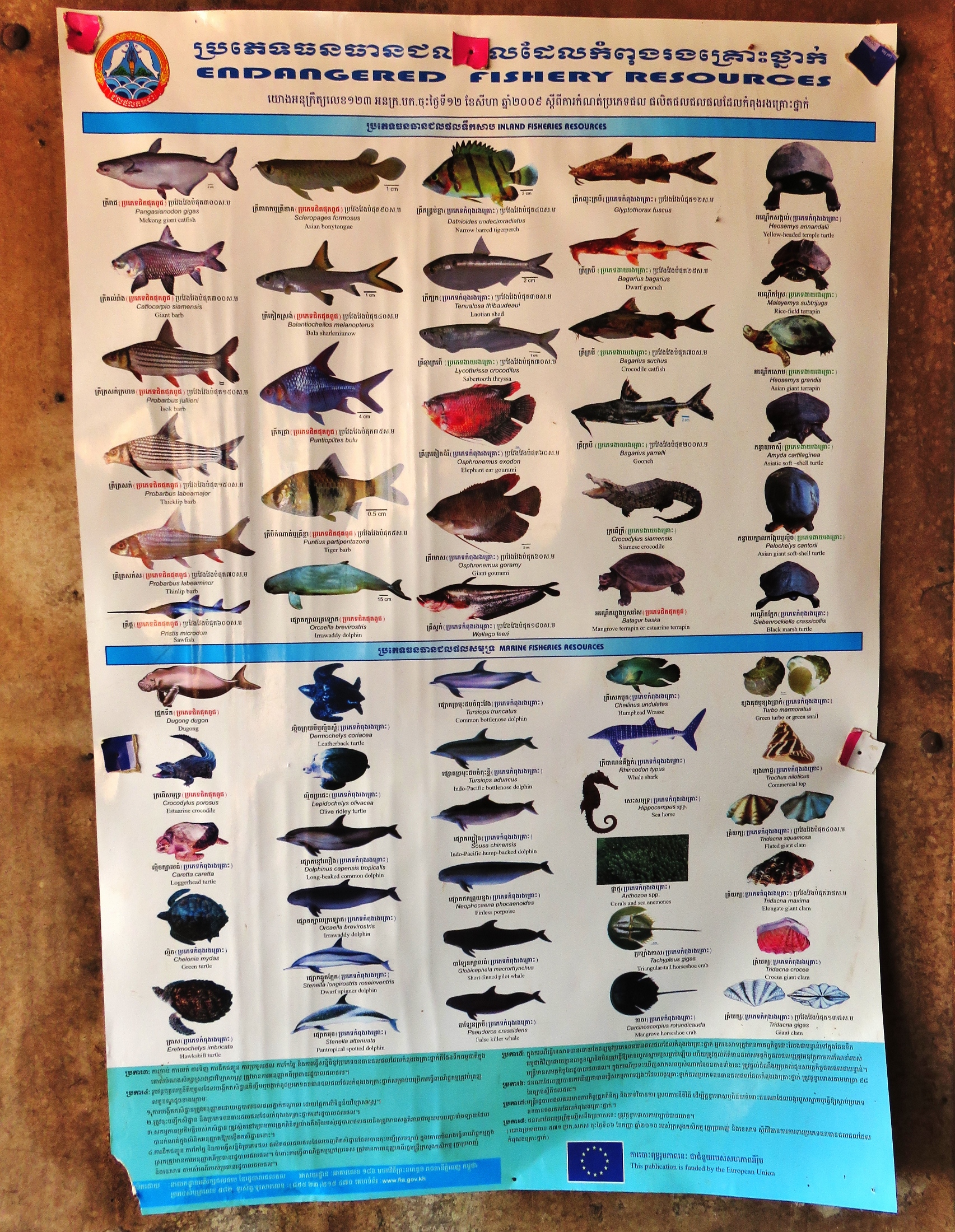
Local markets in south Laos, lively places where the fish catched in Mekong is one of the major trades. Mekong river has more than 60 million people depending on it for food, water, and transportation. Regarding its ecosystem, a WWF study estimates a risk in 228 species, including the local star, the giant mekong catfish.
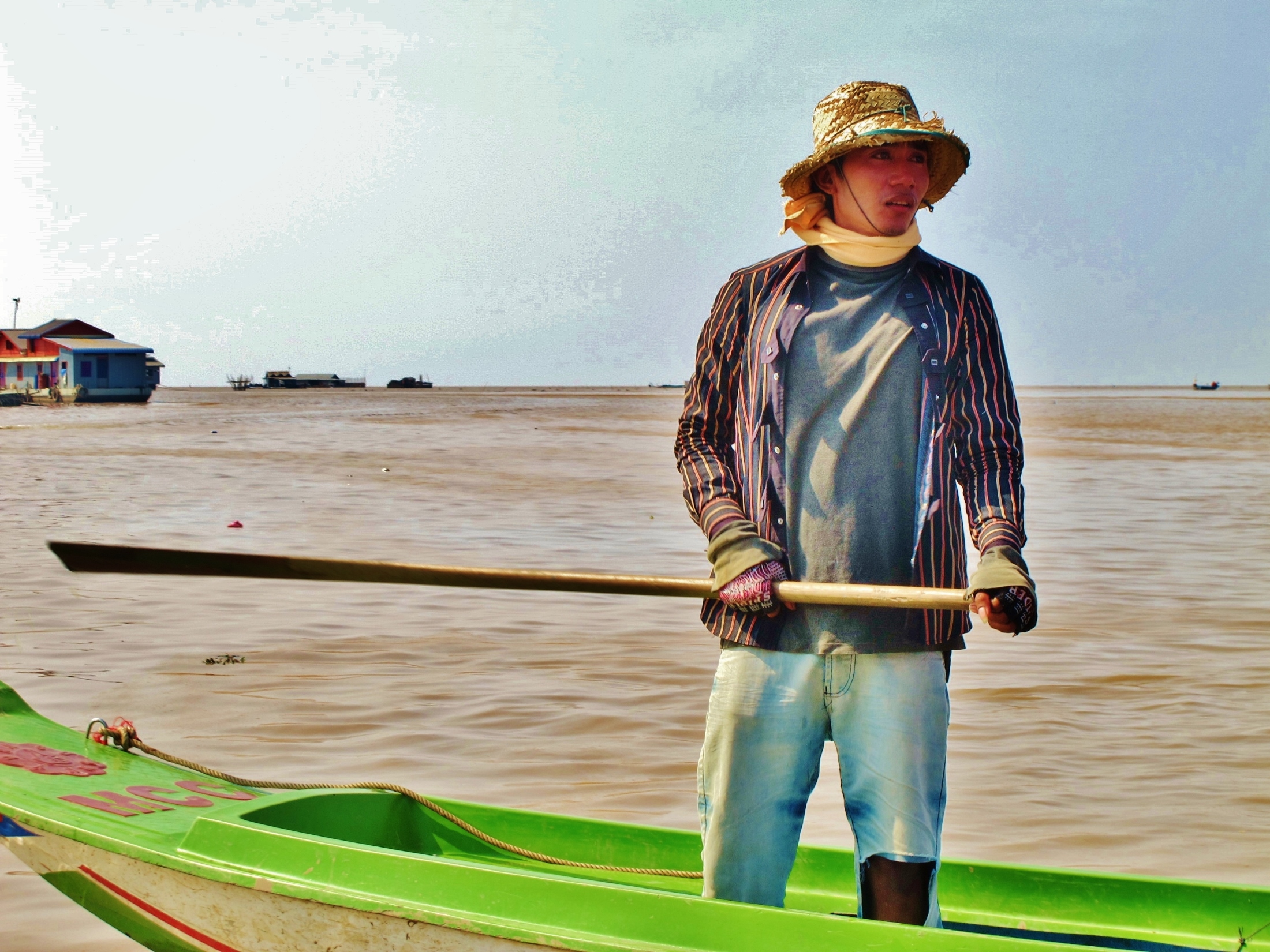
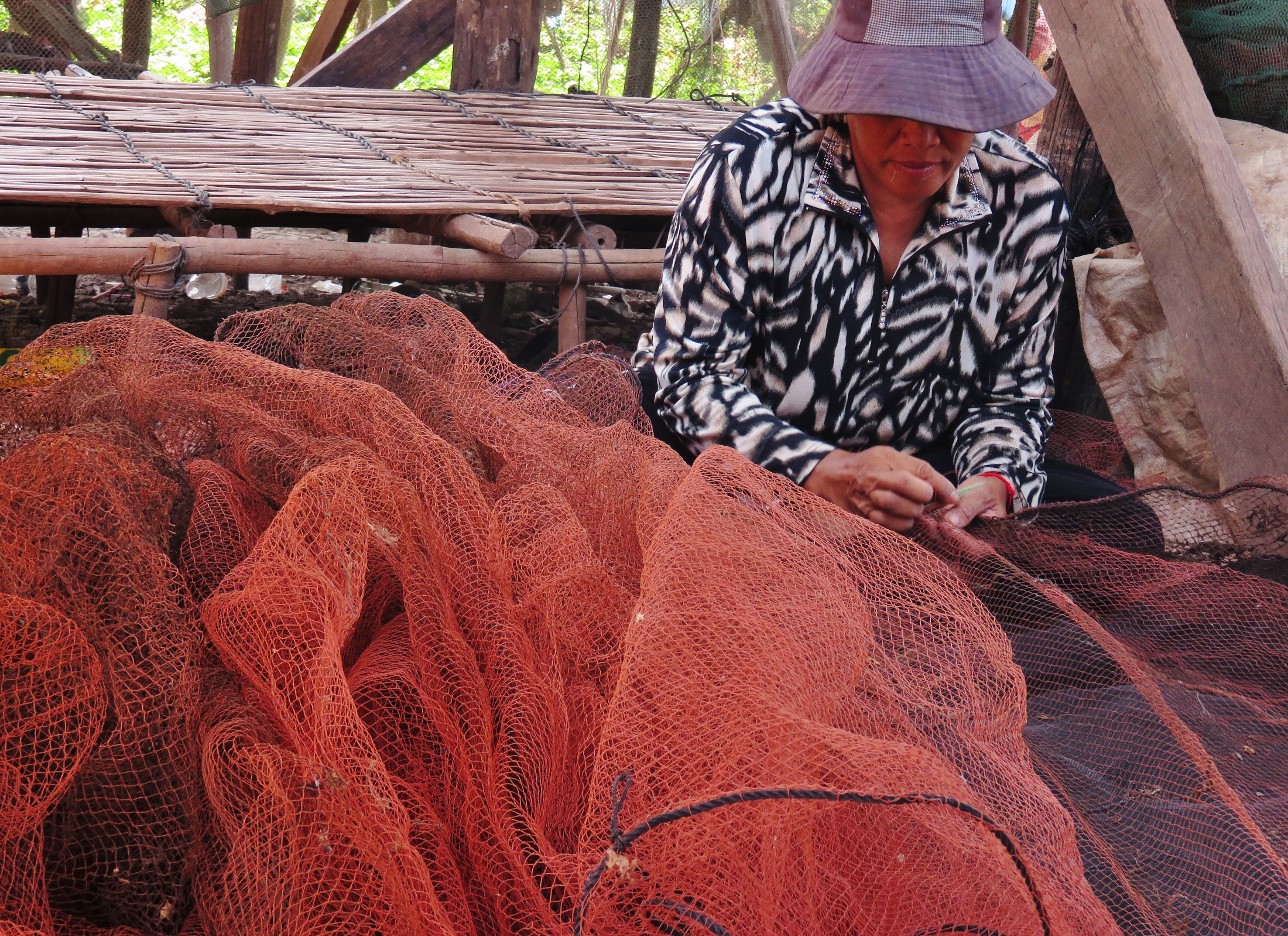
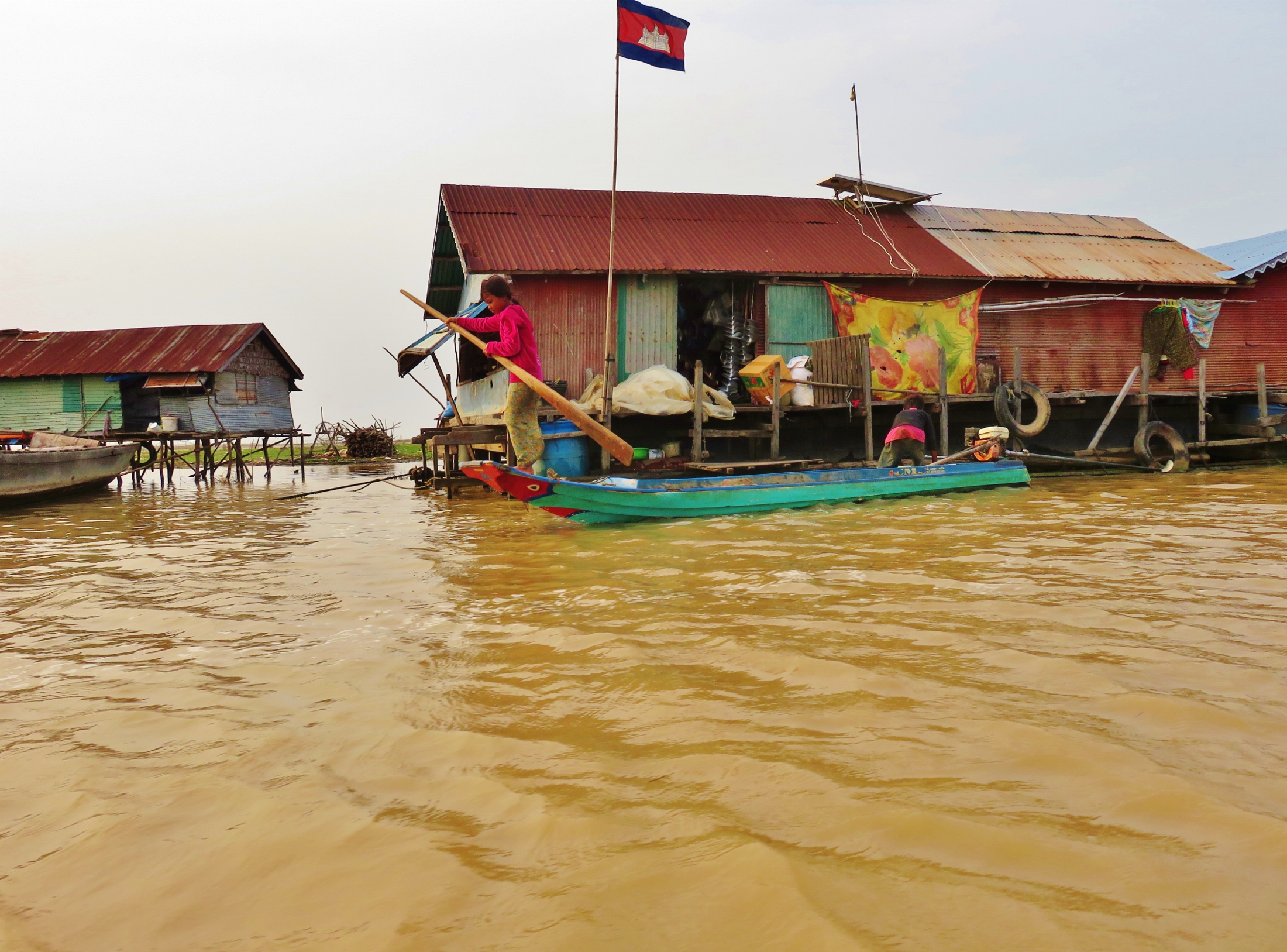
In Cambodia lies the largest freshwater lake in Southeast Asia and one of the most varied ecosystems in the world, the Tonlé Sap lake. Is a biosphere reserve with an ecological status from both UNESCO and cambodian government, where three million people live around its banks and depend on it for livelihood: the lake provides more than half of the fish consumed in the entire country. Is also a crucial breeding site for a lot of the species that cross the Mekong river. Besides the houses on stilts around the lake, a vibrant community lives literally on it, with floating villages being an unique sight of this area. Fishermen catch fish with cone-shaped nets from their floating houses, and this livelihood represents such a strong part on the national culture that even the currency is called riel after a common small carp they usually catch and eat.
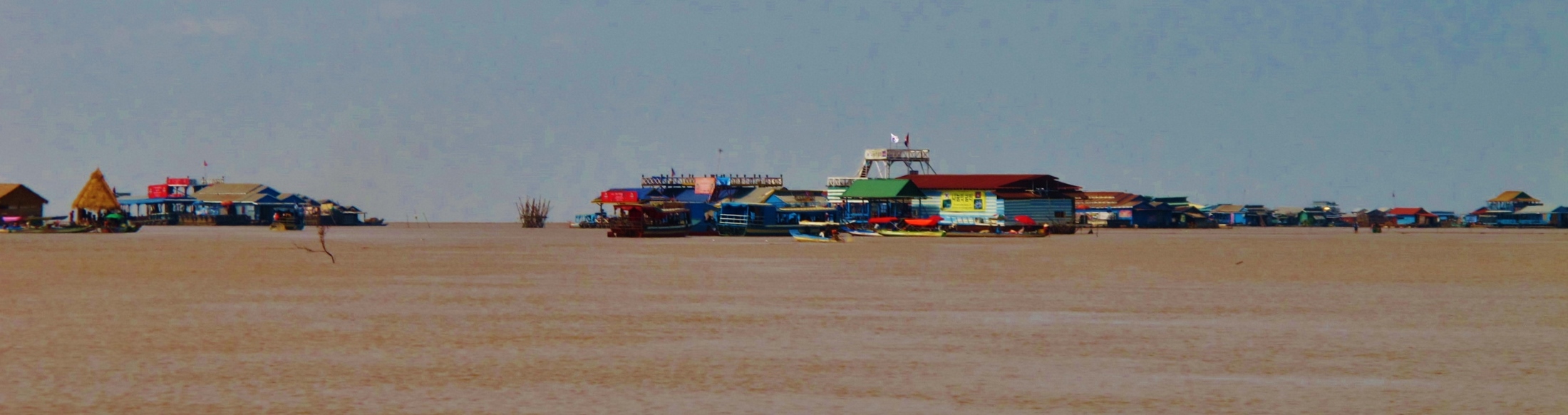
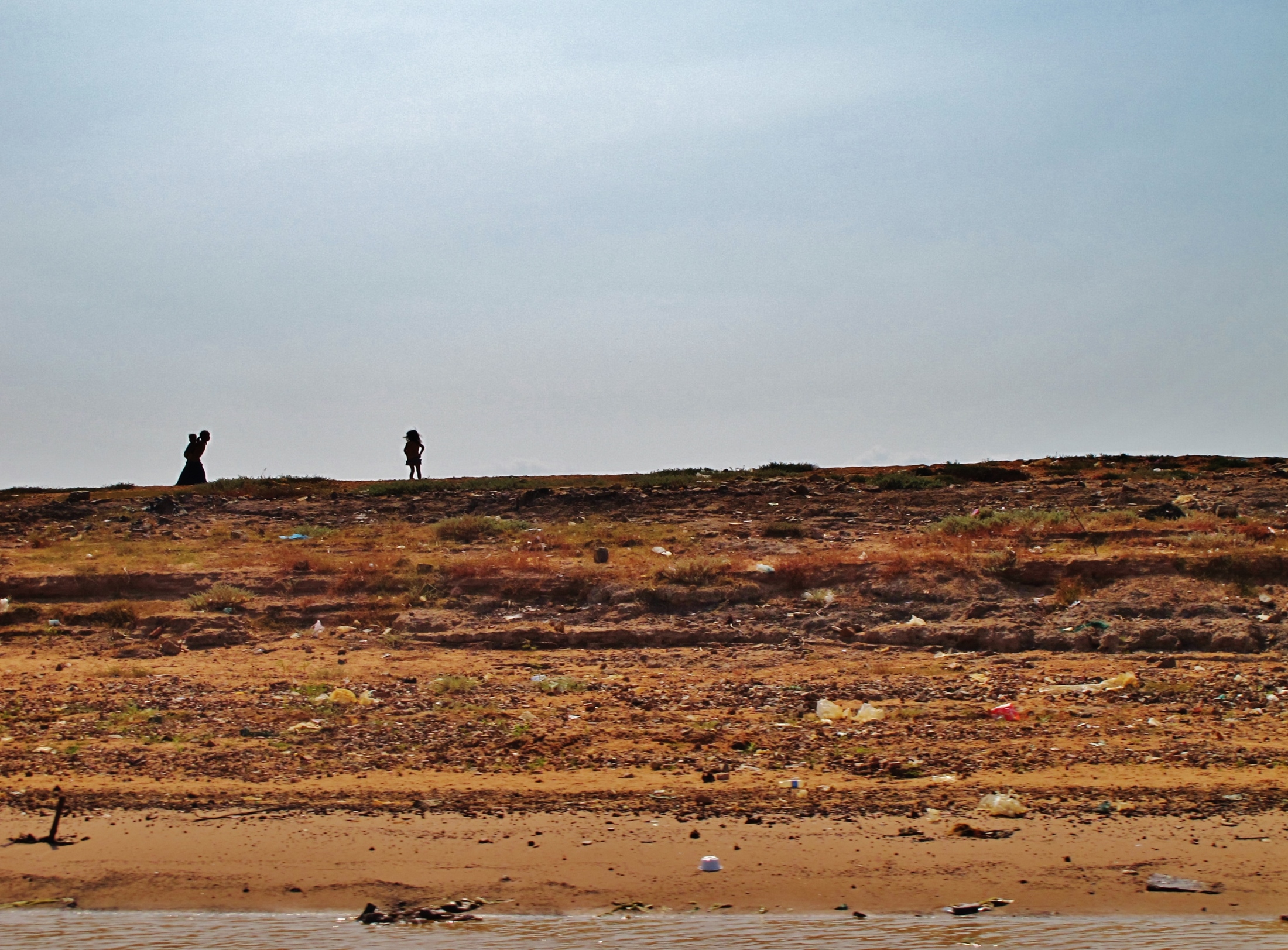
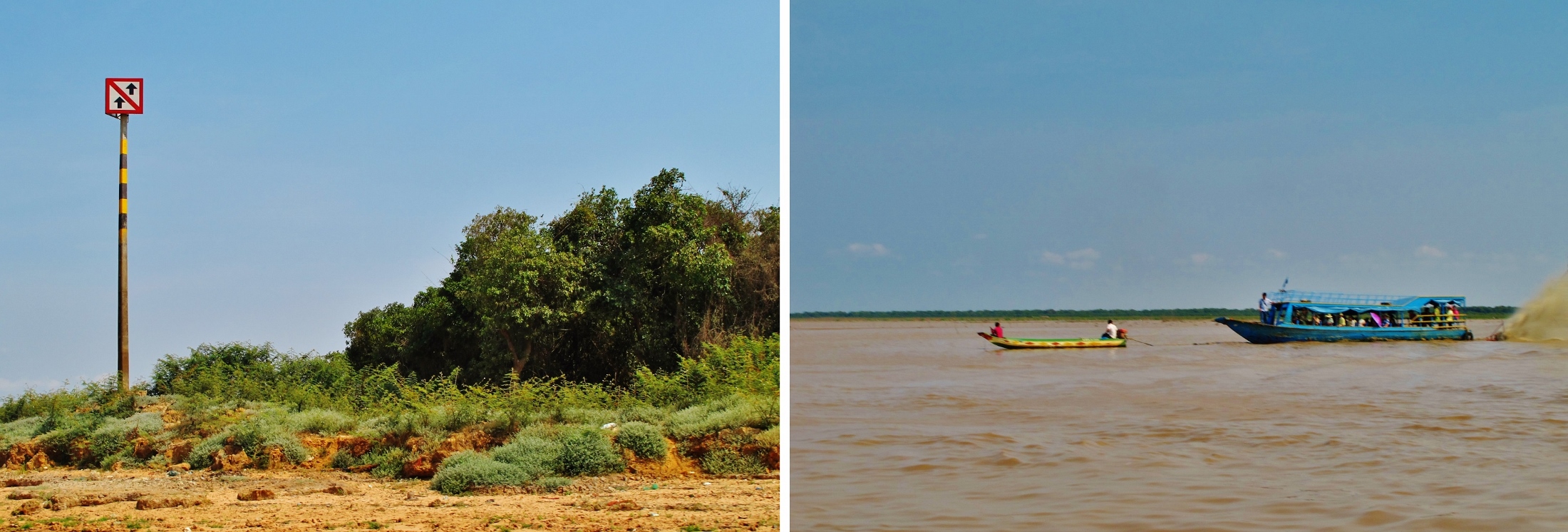
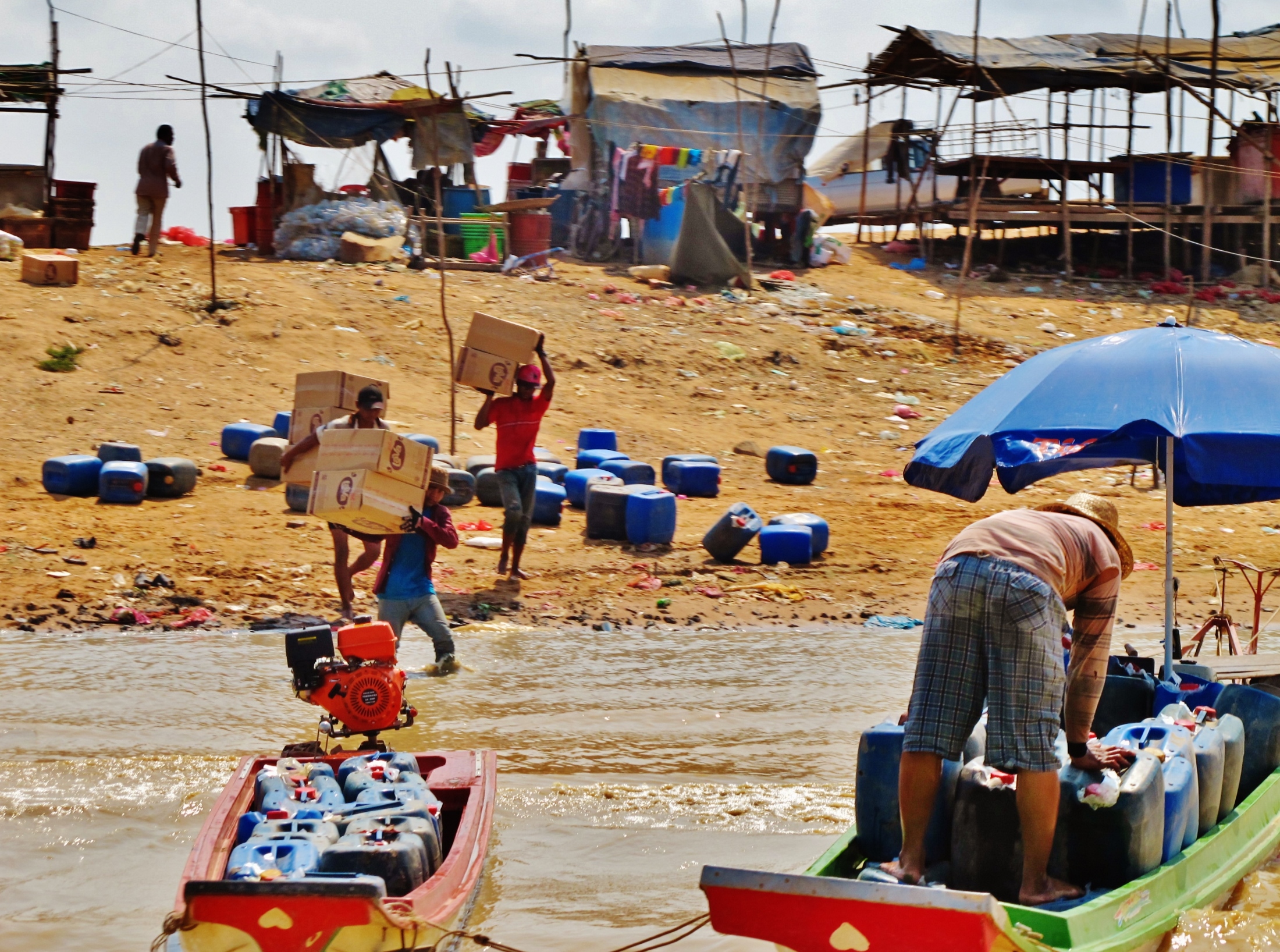
The lake and Mekong are closely interdependent: during rainy season it’s the river water that fills it to a volume up to 80 km3, and during the dry season the water flows out from the lake to feed the Mekong, bringing Tonlé Sap close to one km3 of volume in the end of the dry season (as shown on the pictures below, where the brown stains on the traffic sign tell the dimension of the variation of water level, or the consequences for its population’s everyday life and businesses, with bigger boats having to be pulled due to getting stuck on the lake’s floor).
Not only its people but as well a diverse ecosystem lives on the lake’s basin, with over 300 species of fresh water fishes, different reptiles, 100 varieties water birds and around 200 plants depending on these natural cycles of rising and falling waters. Research showed these dams can make the Mekong lose up to 65% of nutrient deposits in the northern area where the river enters the country coming from Laos. The broken routes of the fishes may lead to the extinction of 10% of fish species in Cambodia and Vietnam. In both countries the fisheries are estimated to produce half of the yield and the dams can even prevent the lake from flooding during the rainy season, impacting the whole population living in the region. The economy damage would be 450 million USD/year and the three million of people based around the lake area would face increasing risk of poverty.
In the delta alone, a vast triangular plain of 55.000 km2 located in south Vietnam, live 18 million people supported by the river for fish and rice cultivation, endangered due to salinisation of its croplands due to the change in the river flow and the rising of sea water due to climate change.
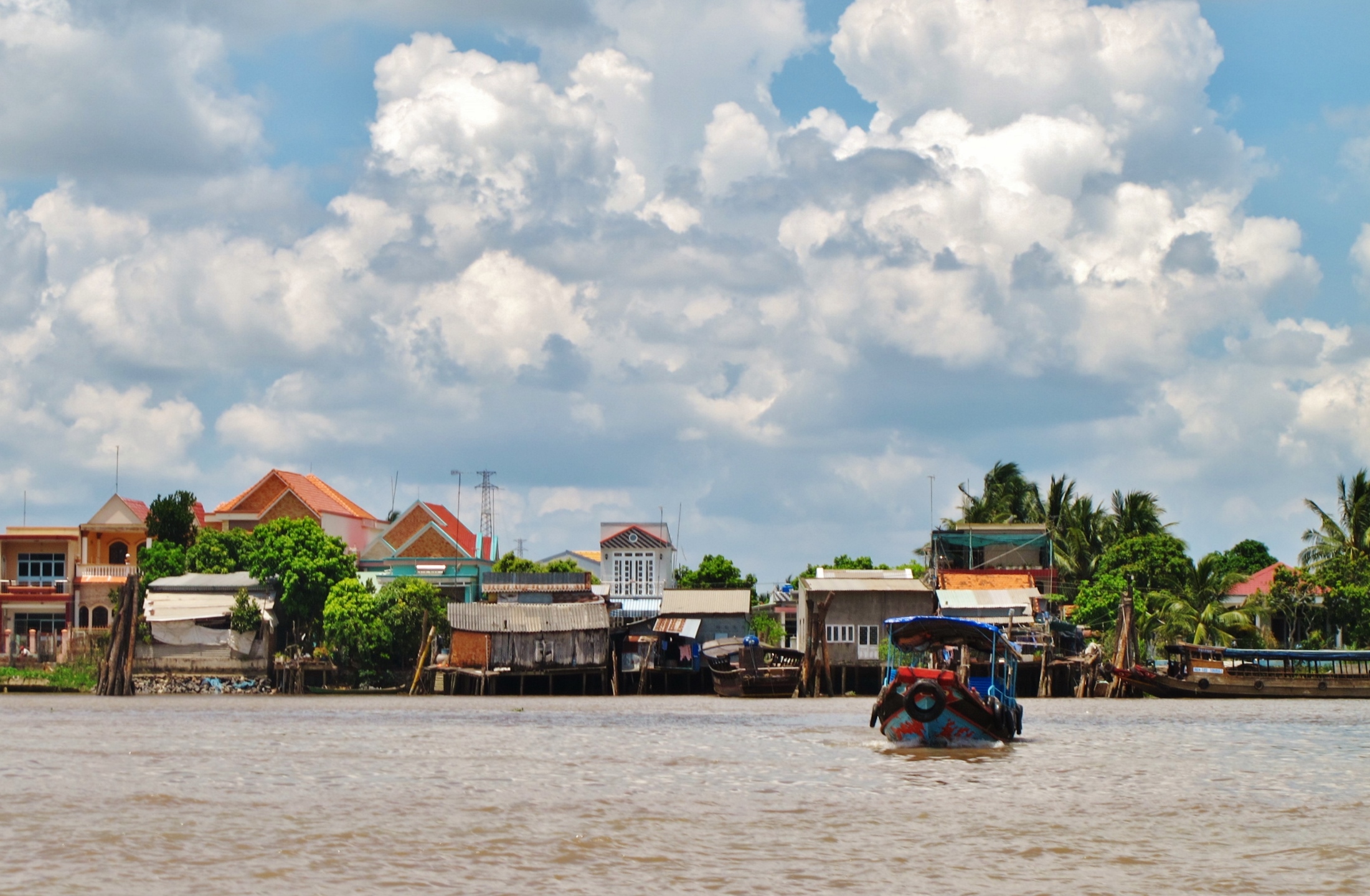
The delta is the most productive region in the entire country, with 2.6 million ha used for agriculture and its rice yield representing around 55% of the national production, besides around 58% of the fishery output. Along with the fishing boats, the scenery is composed by floating houses focused on aquaculture (representing 2/3 of vietnamese fisheries), being a crucial livelihood for the population in southern Vietnam.
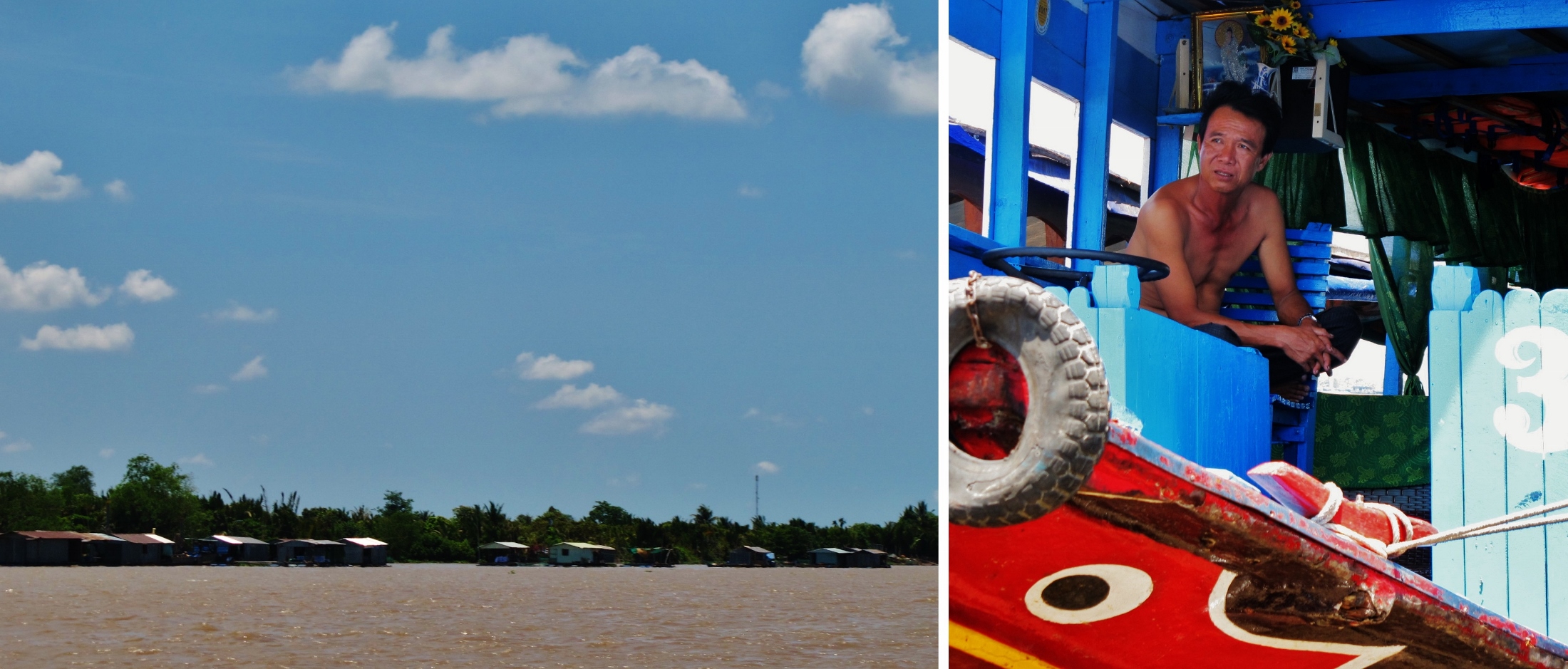
Bên Tre is one of the country’s most visited touristic destinations, with boat journeys through beautiful canals along the delta’s farms being a common sight and representing a large part of its population economic subsistence — an industry highly at risk with these changes on the river flow.

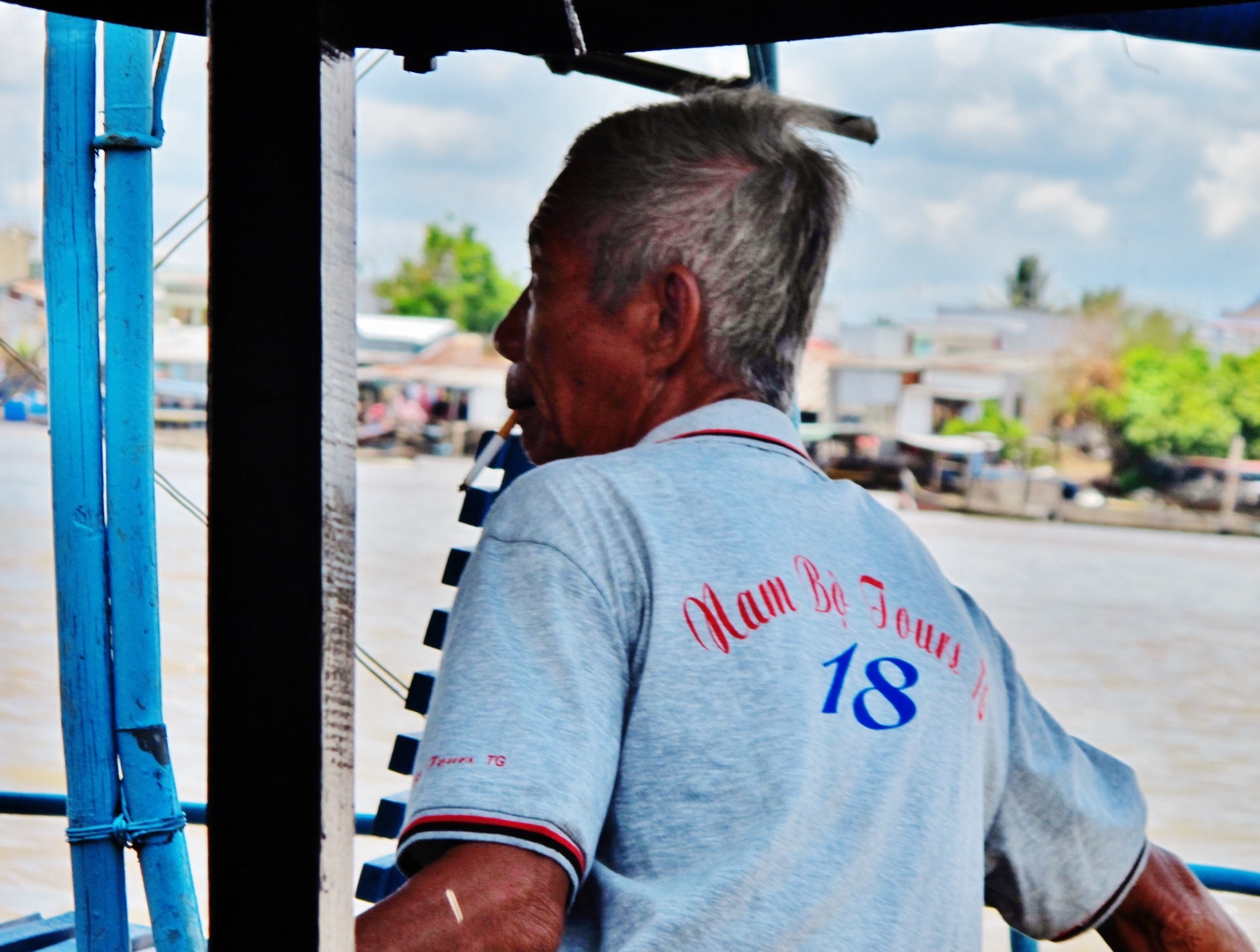
In the end, it’s not about obstructing development per se, but demanding more and better studies on the ecological and social impact of all the construction going on. We can’t close our eyes to the consequences of the blindness of profit. And we can learn from past experience, for instance with the fact that all the dams already built on the Mekong were not triggers of development on their regions but rather a sell off to power up distant metropoles and greedy pockets. It’s not only about the livelihoods of the millions of people living along the river, their food security is at risk as well. Their traditions and their future.
Until knowing how the current situation will evolve for its waters and people, days continue to pass by and the sun continue to set on the mighty river every evening. But, in the name of Mekong, the protests will continue…

More info at:
The last statement of people in the region supported by a coalition of NGOs
Article on the Ecologist ‘Death by strangulation? Hydropower threatens to kill the mighty Mekong.’
Factsheet on the Don Sahong Hydropower Project, by International Rivers organization
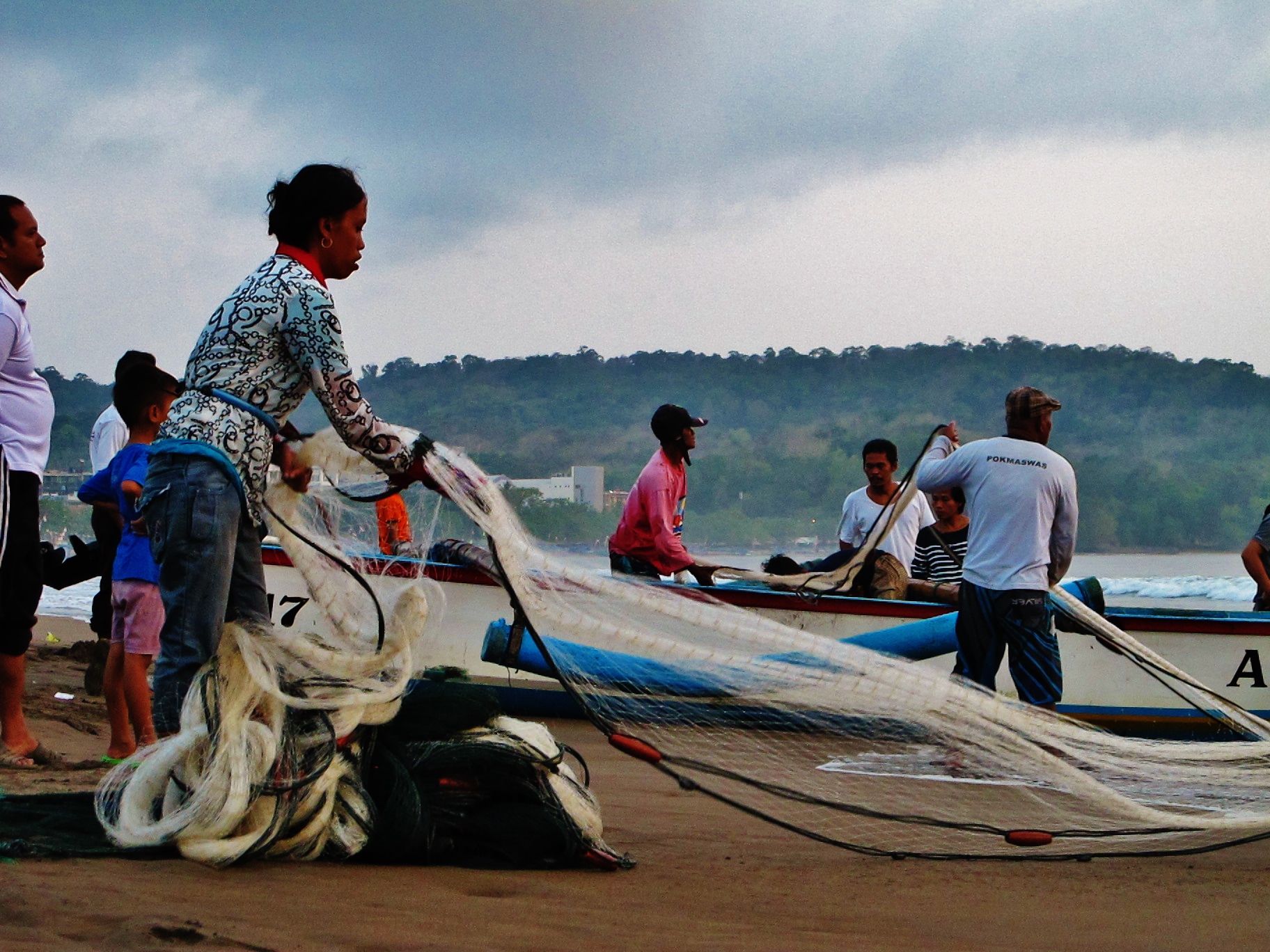
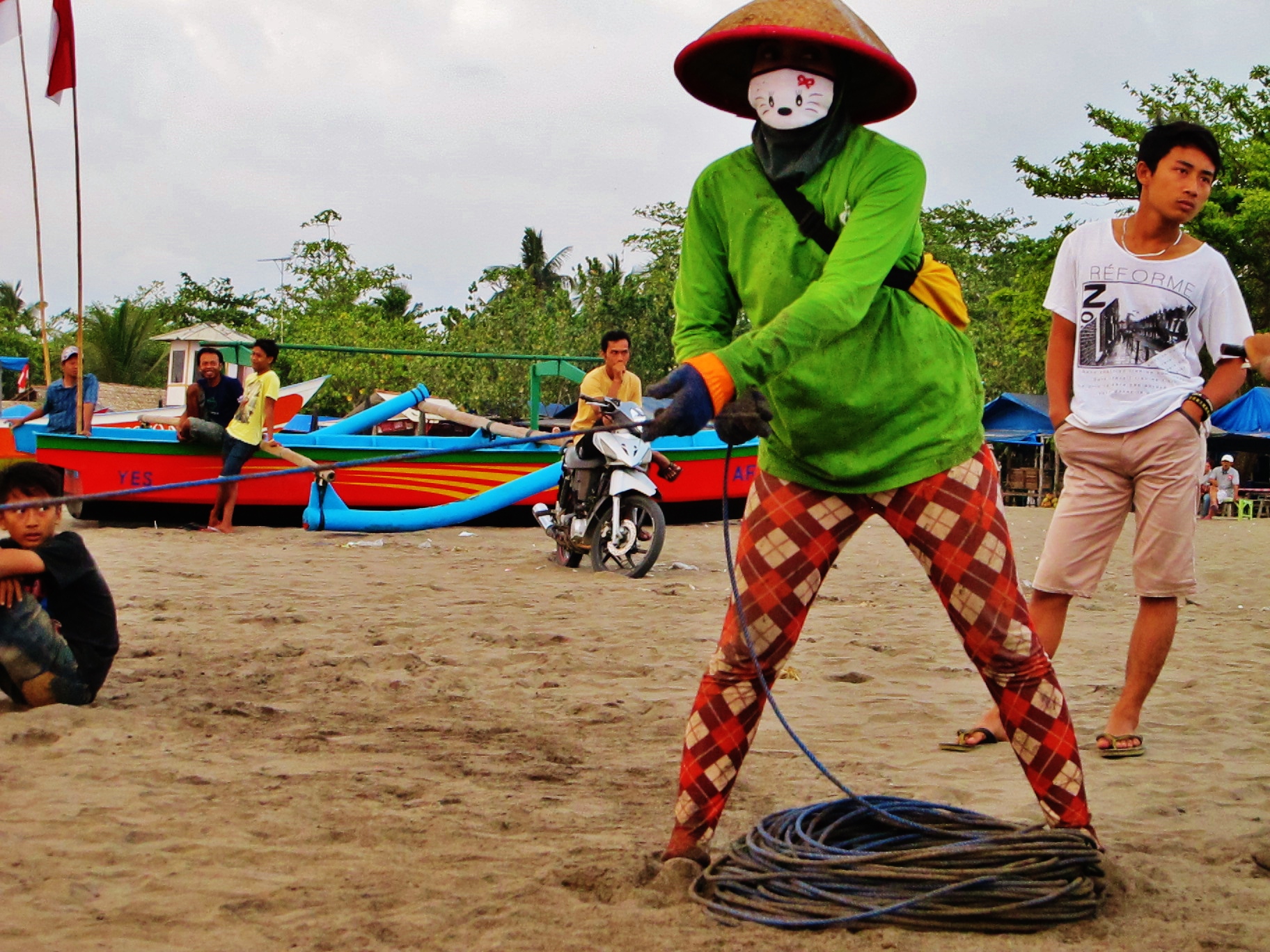
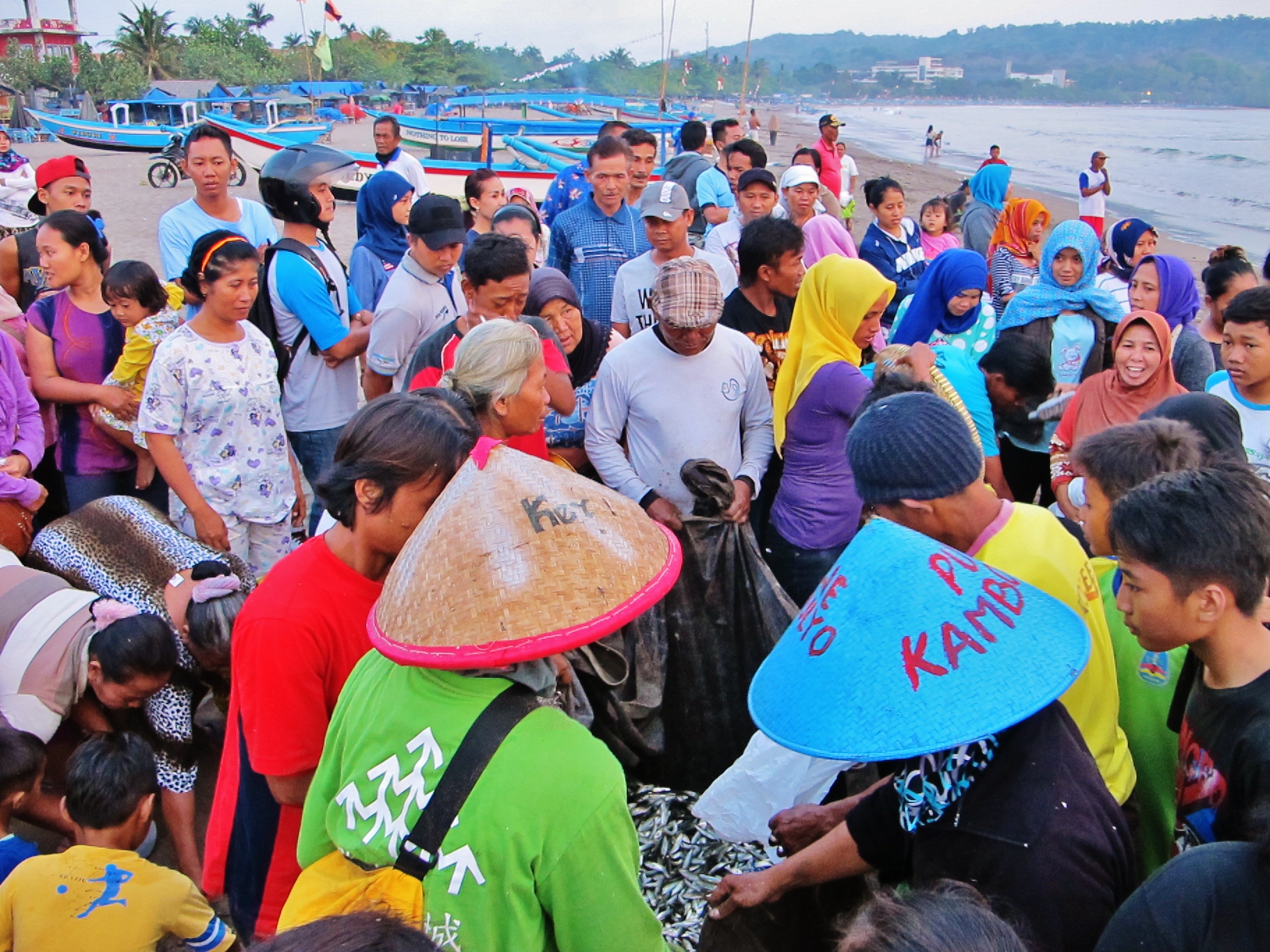
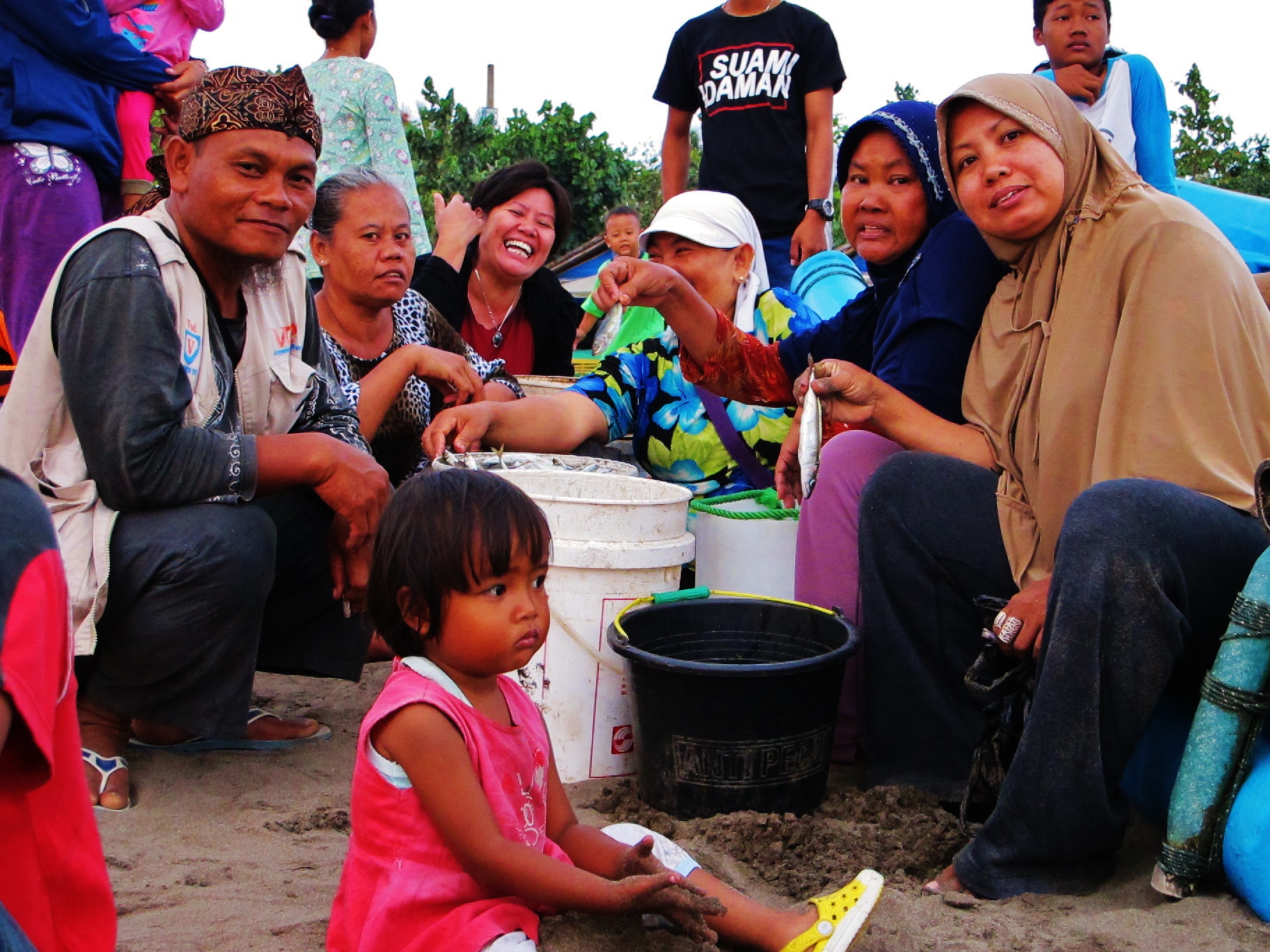
Water Series IV – Waves of us
(Java, Indonesia)
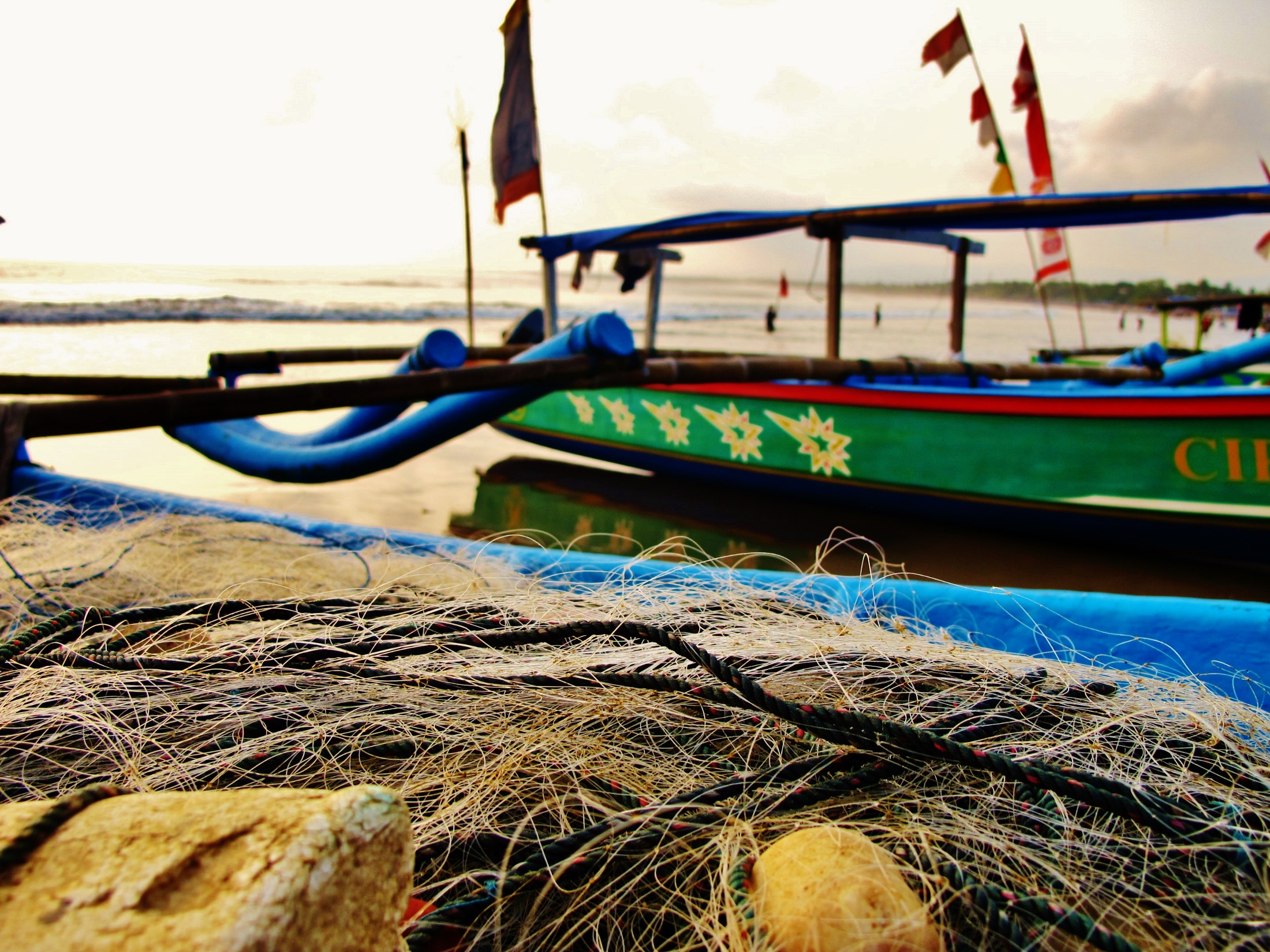
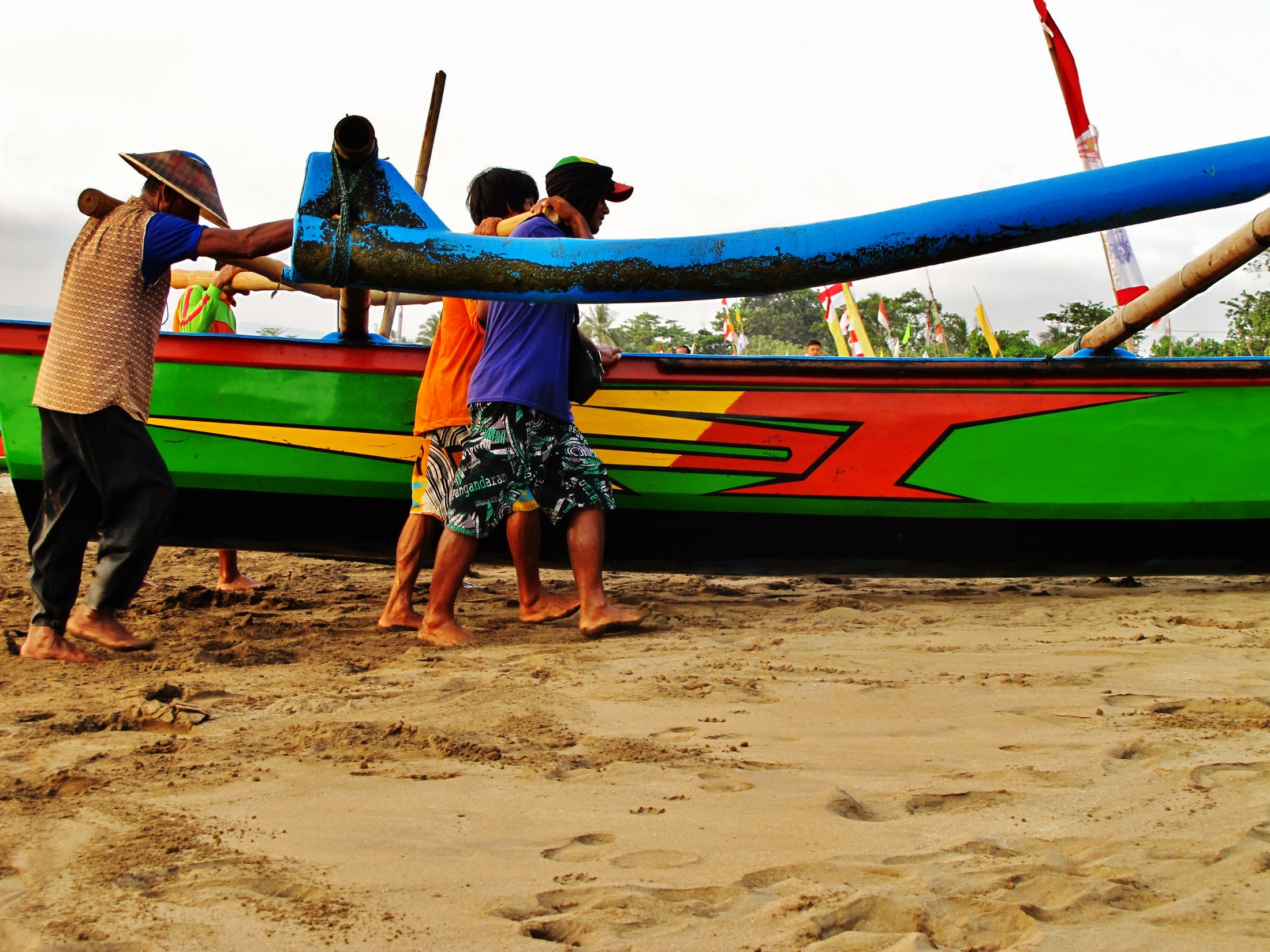
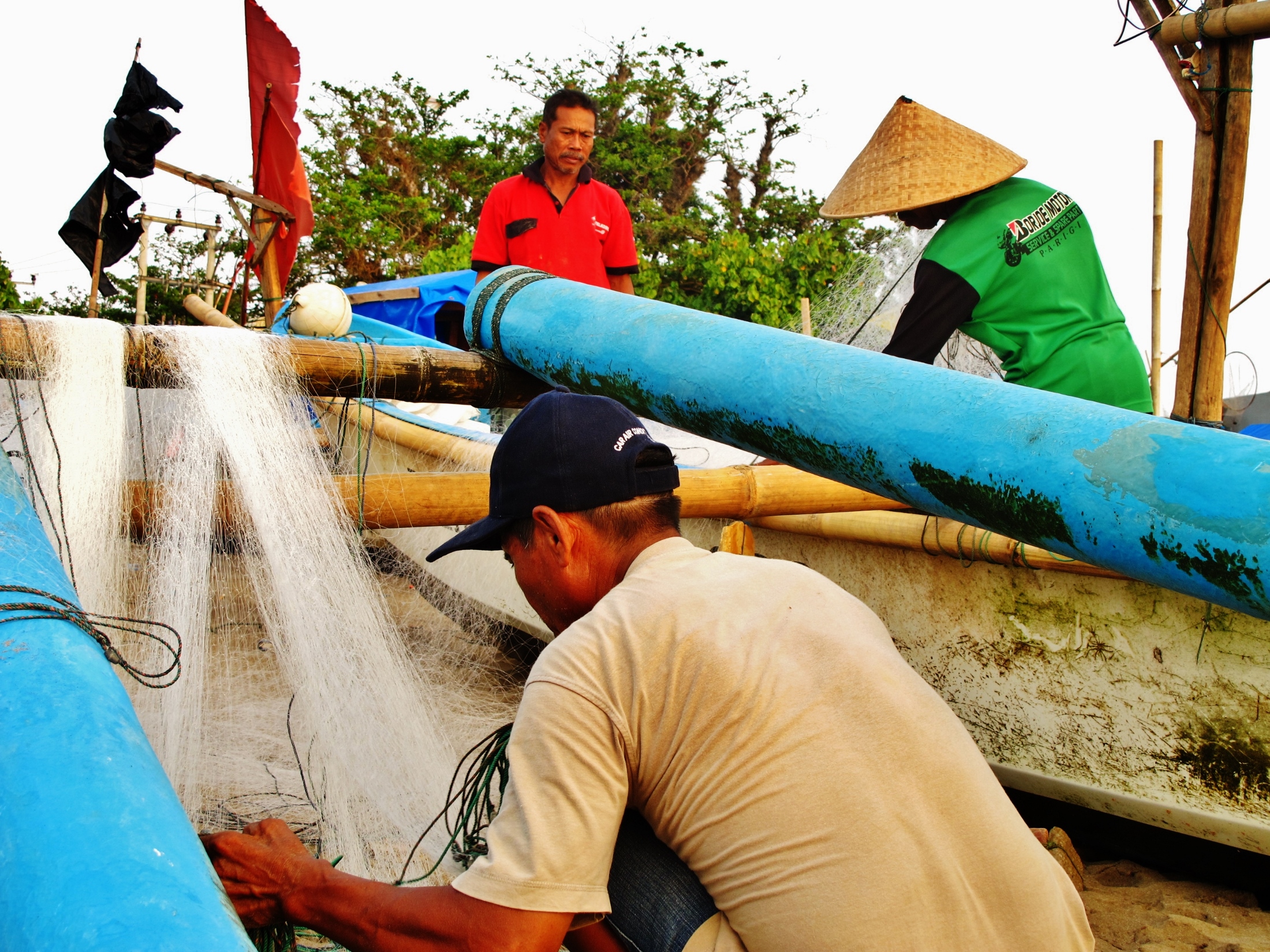
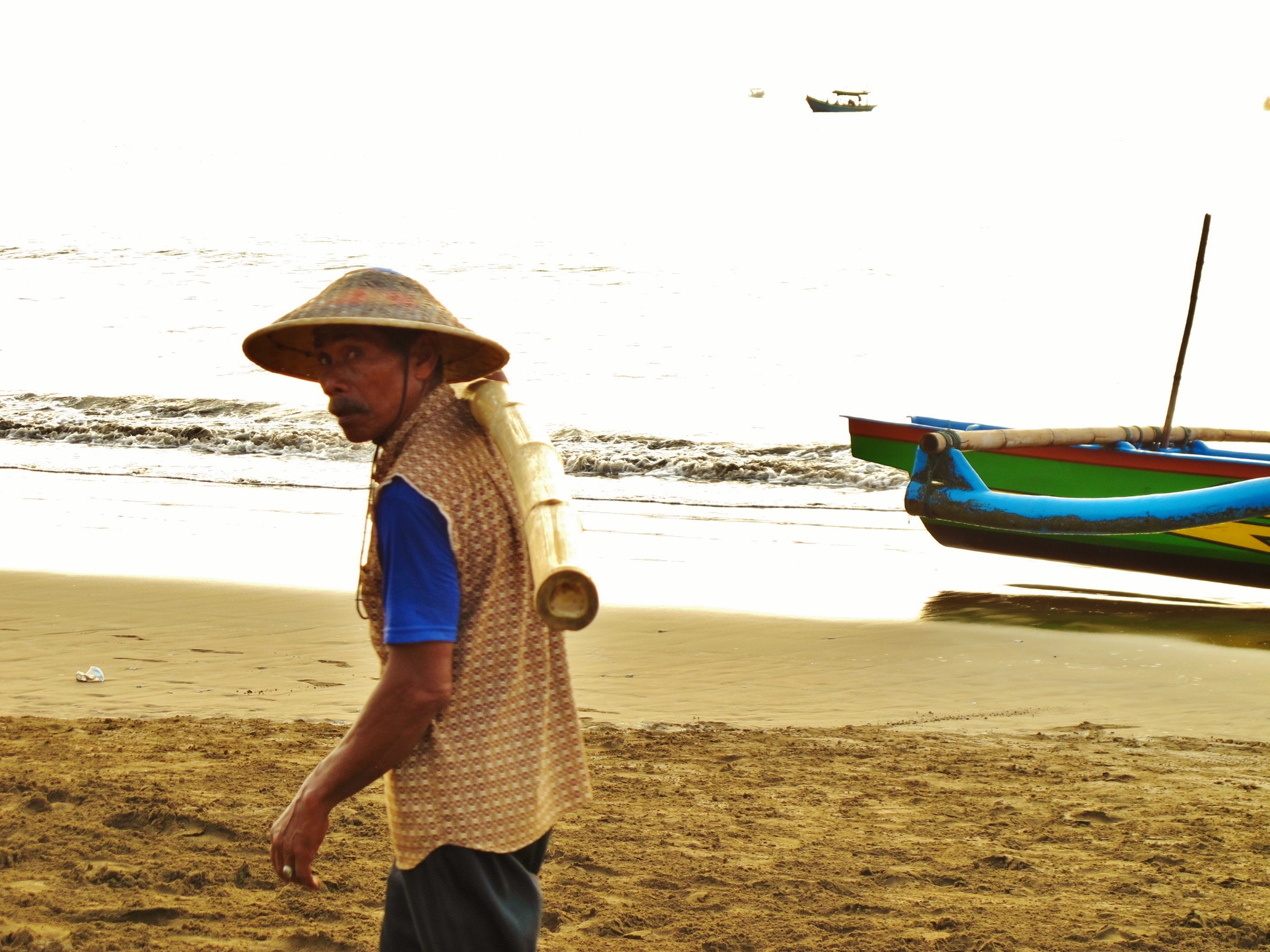
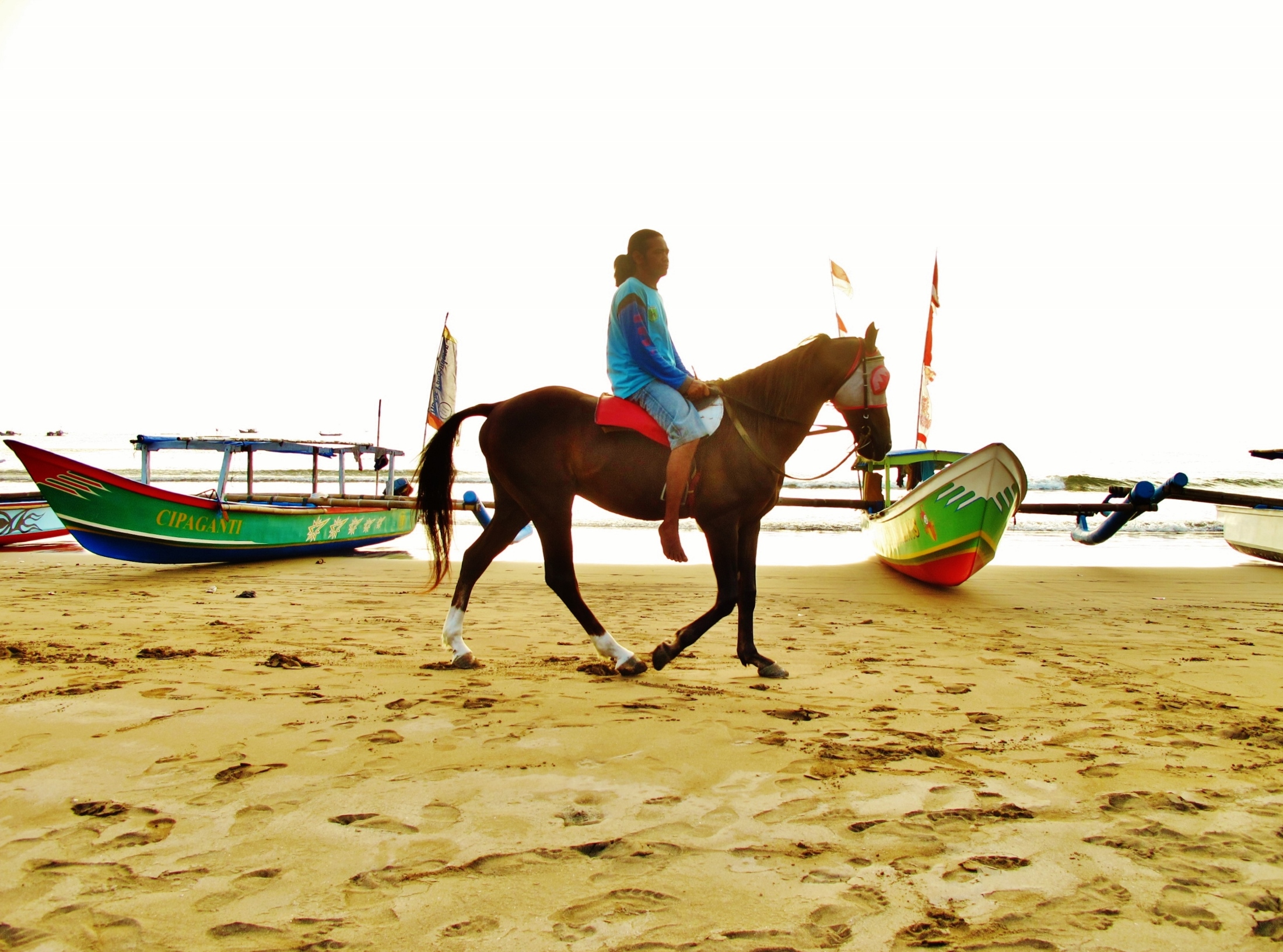
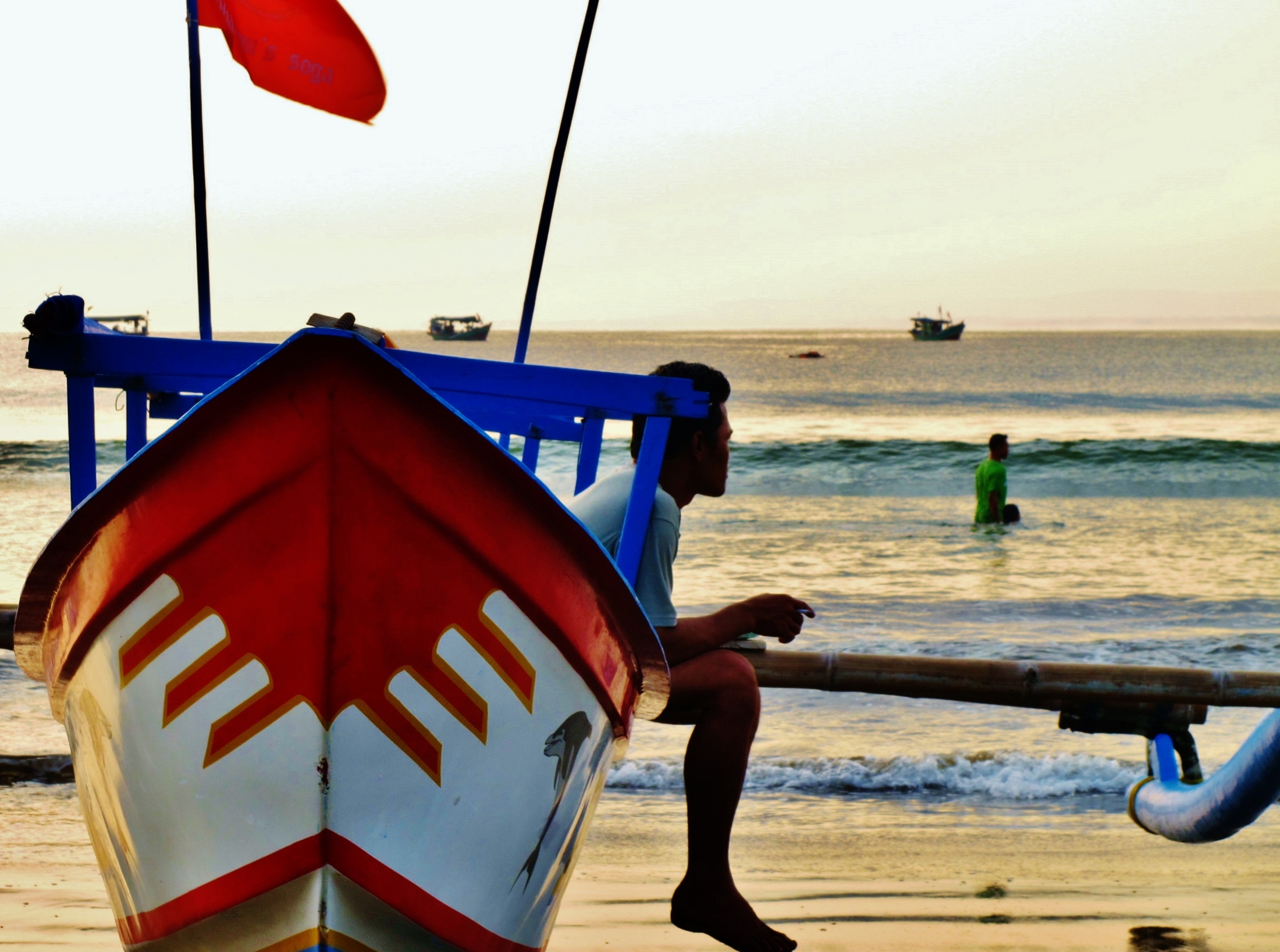
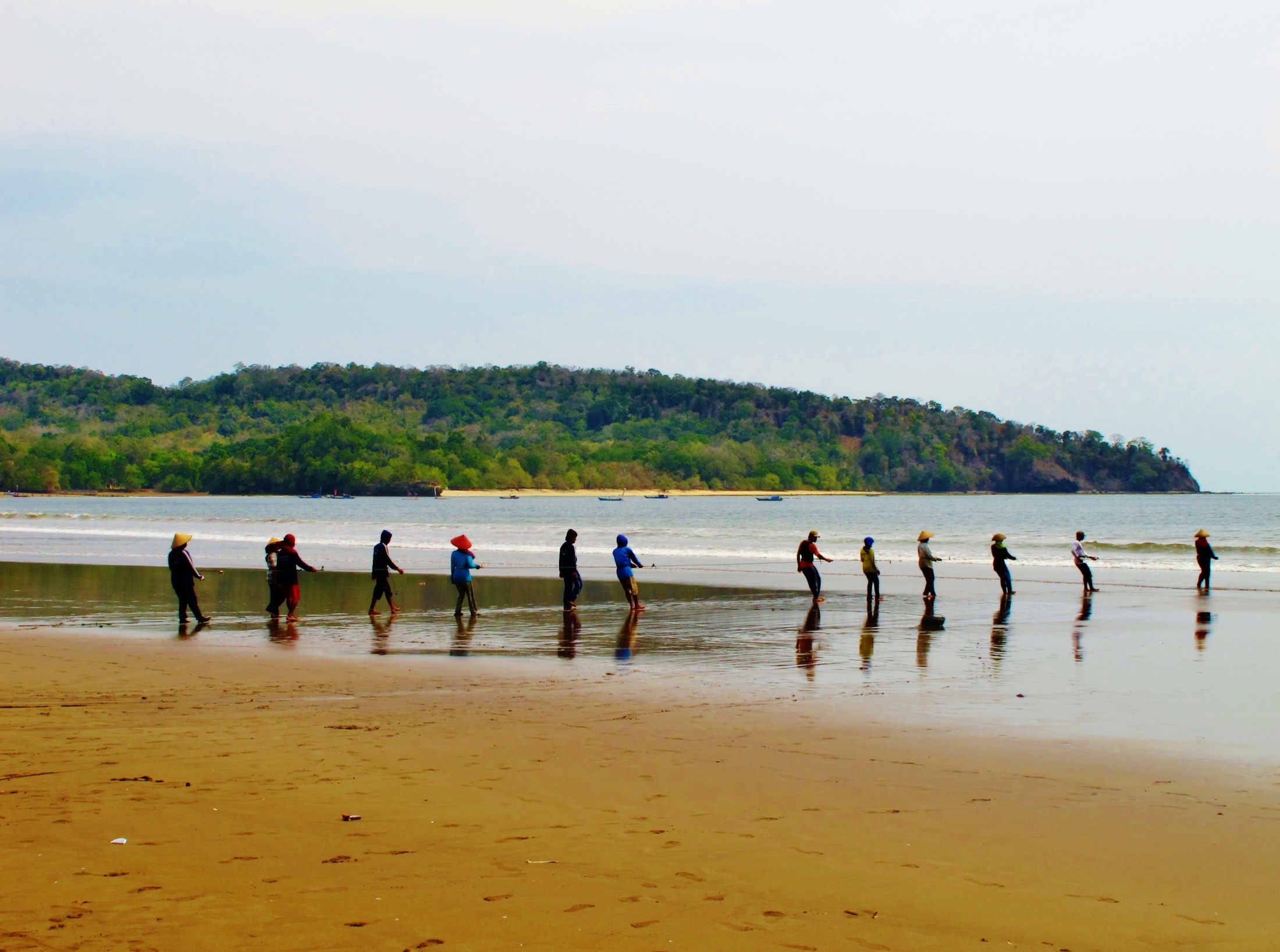
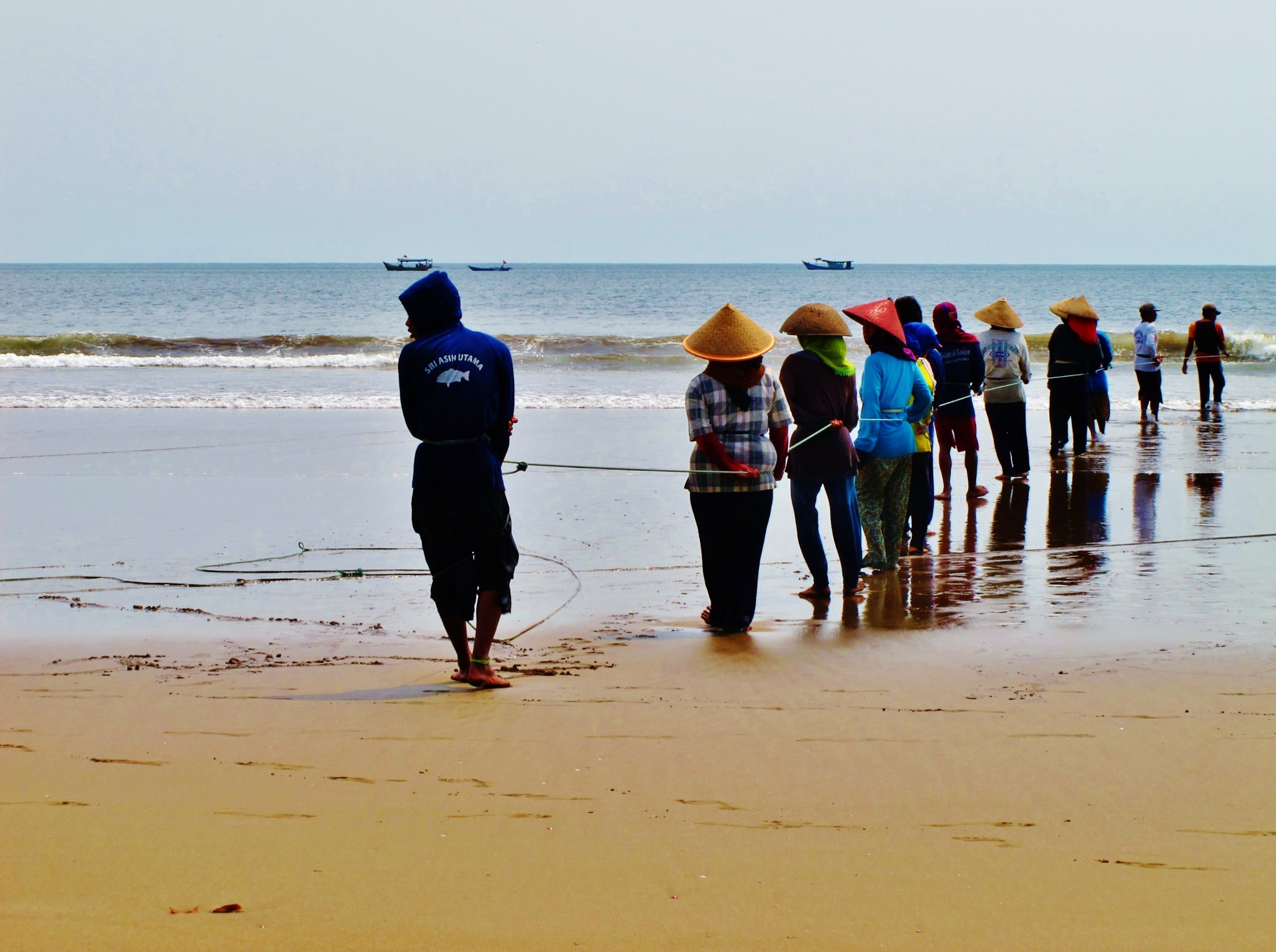
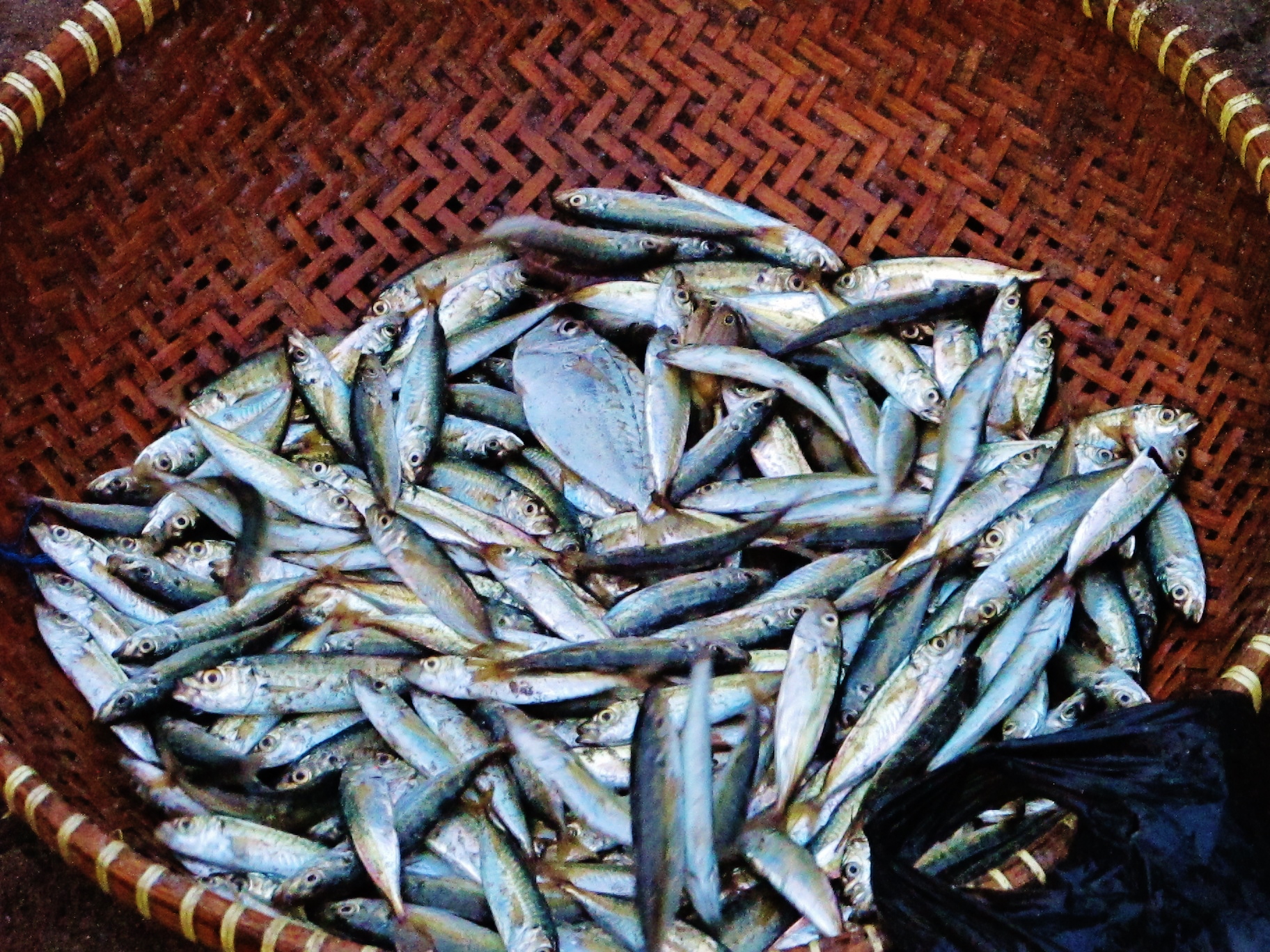
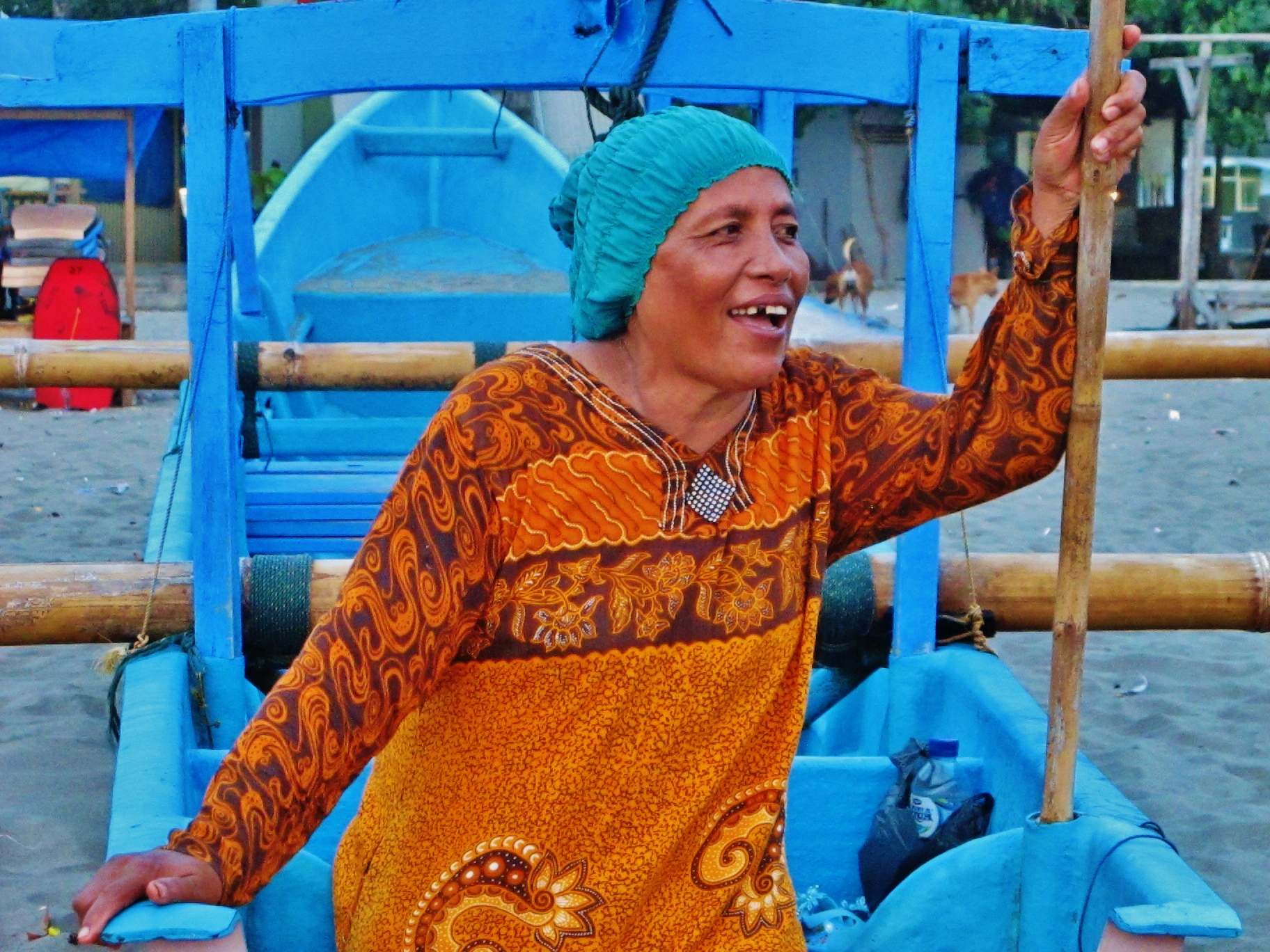
The sea brings waves, the waves bring us.
Sometimes we come with fish
sometimes we come with one less,
sometimes they make us happy
sometimes they bring a mess.
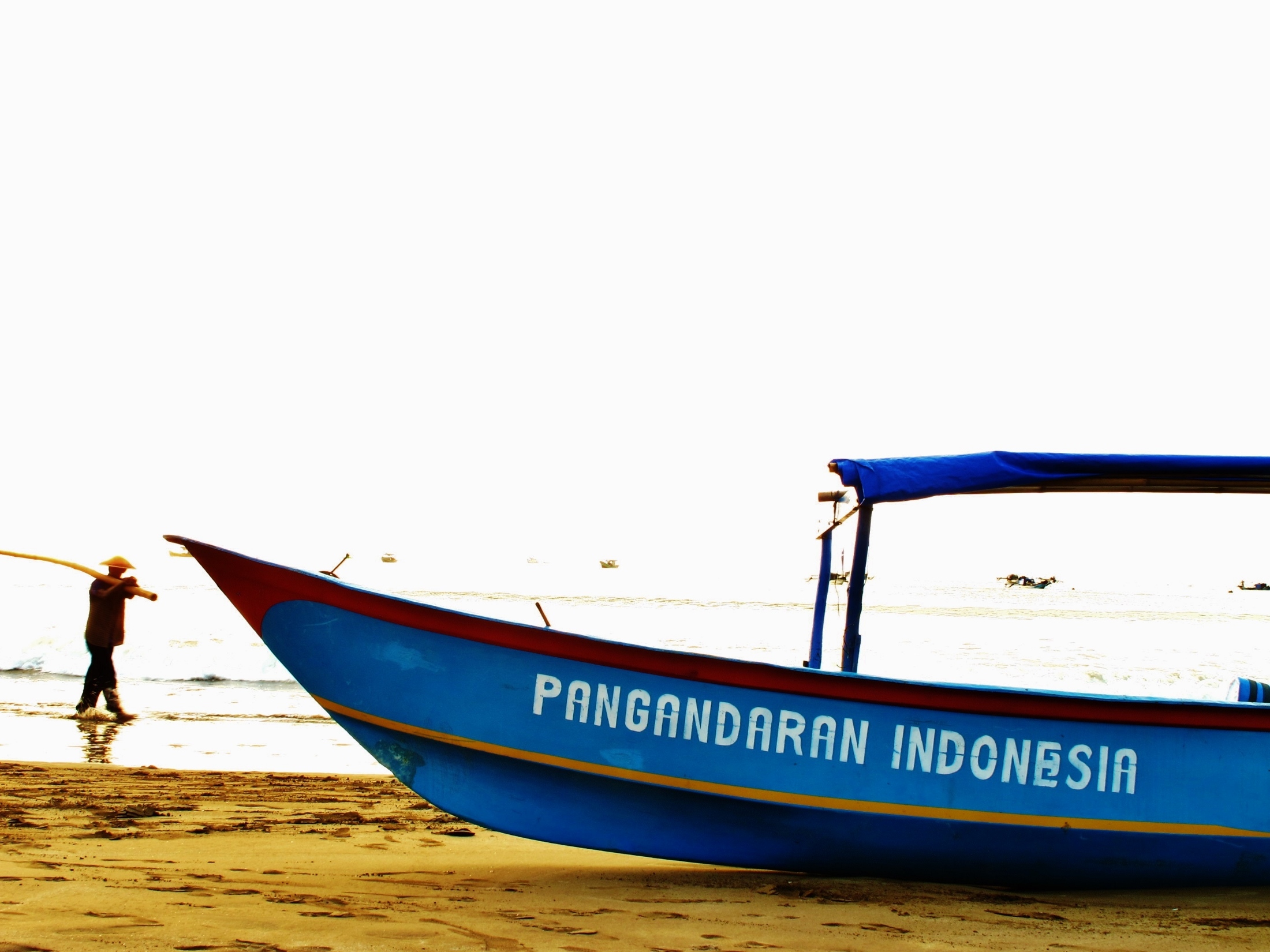
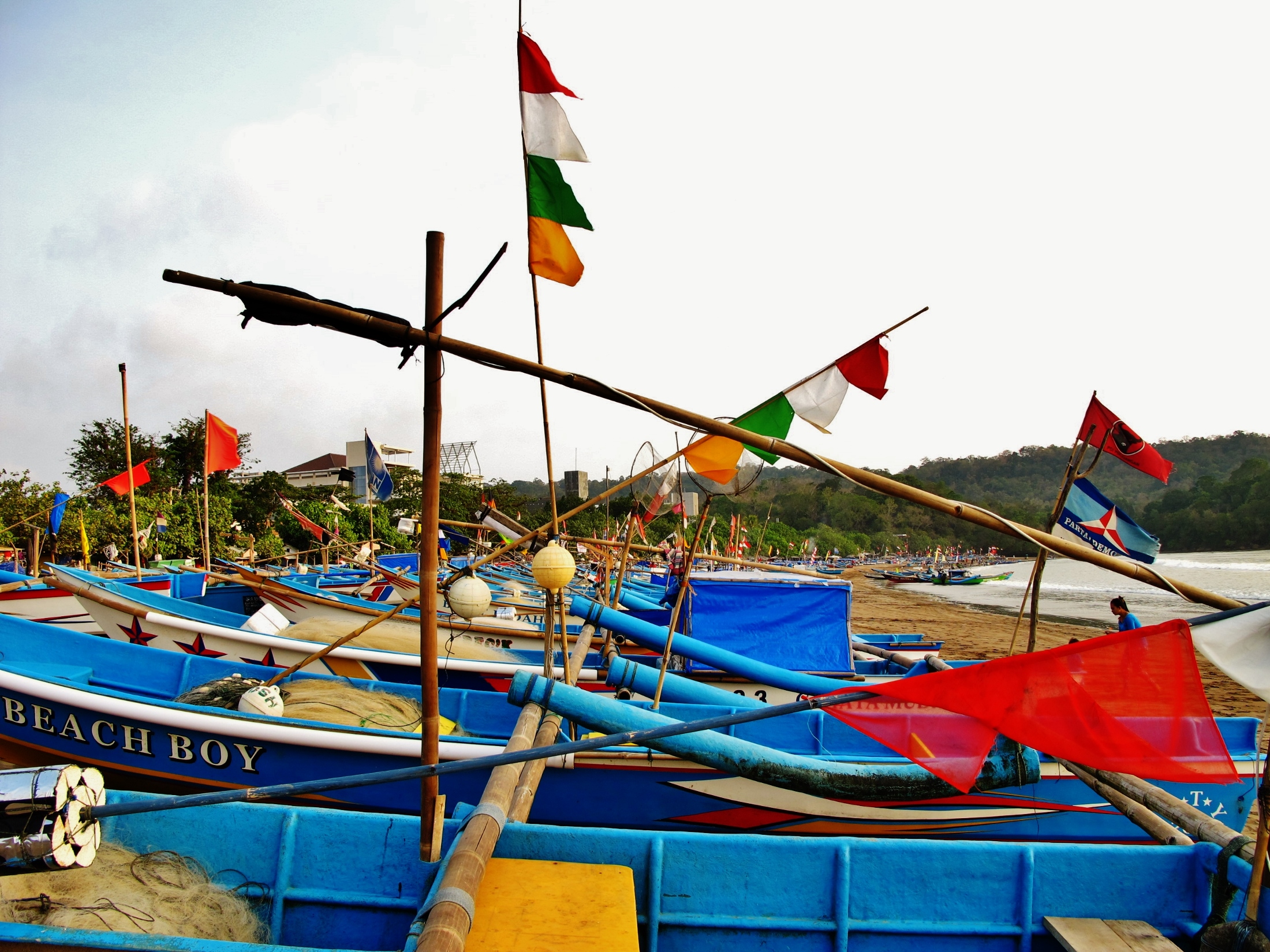
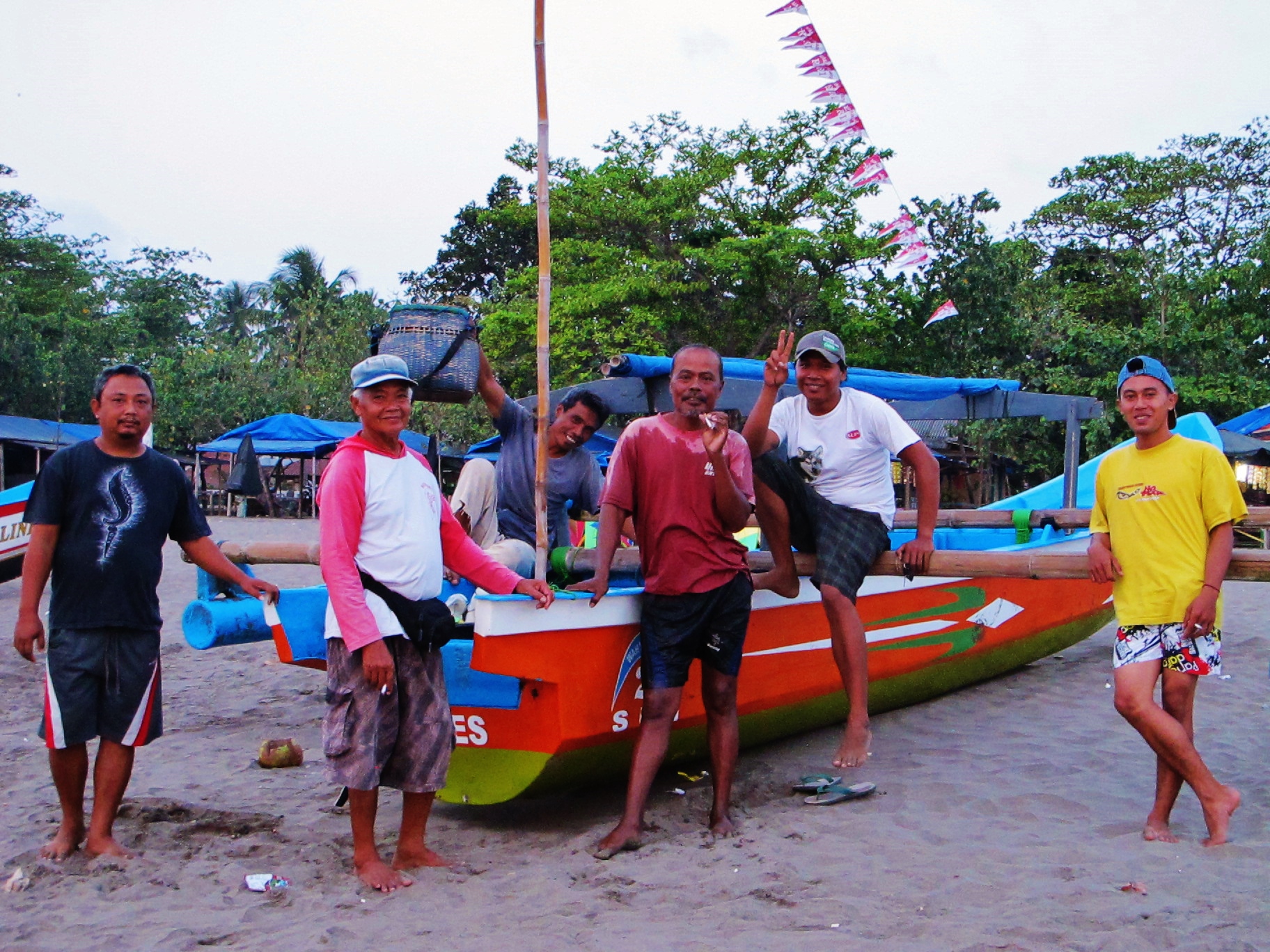
At the shore, our parked boats and near colors
at the sea, horizons and shapes of distance.
Beauty in both because nature is all
she’s never cuteness, she’s our persistence.
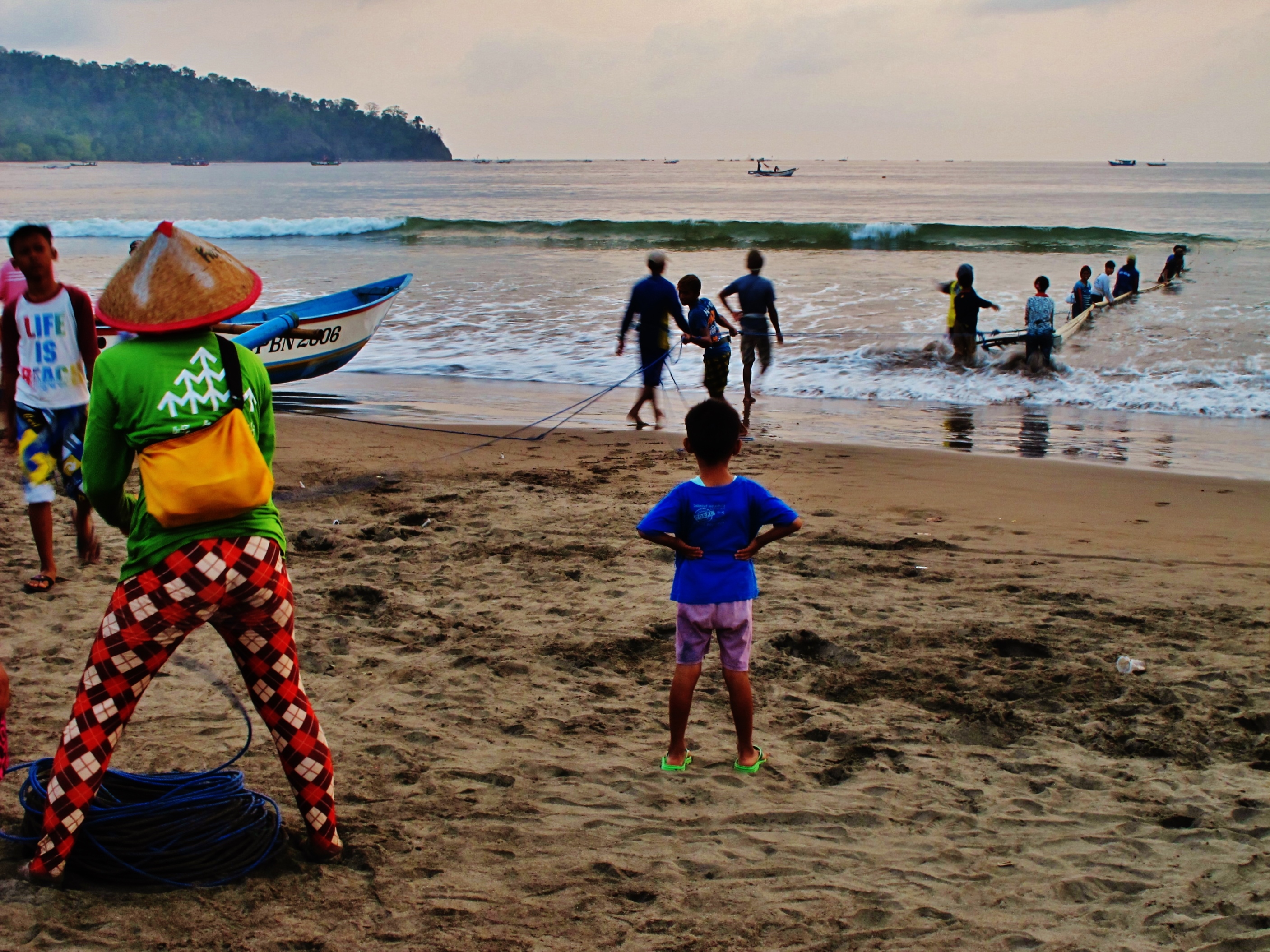
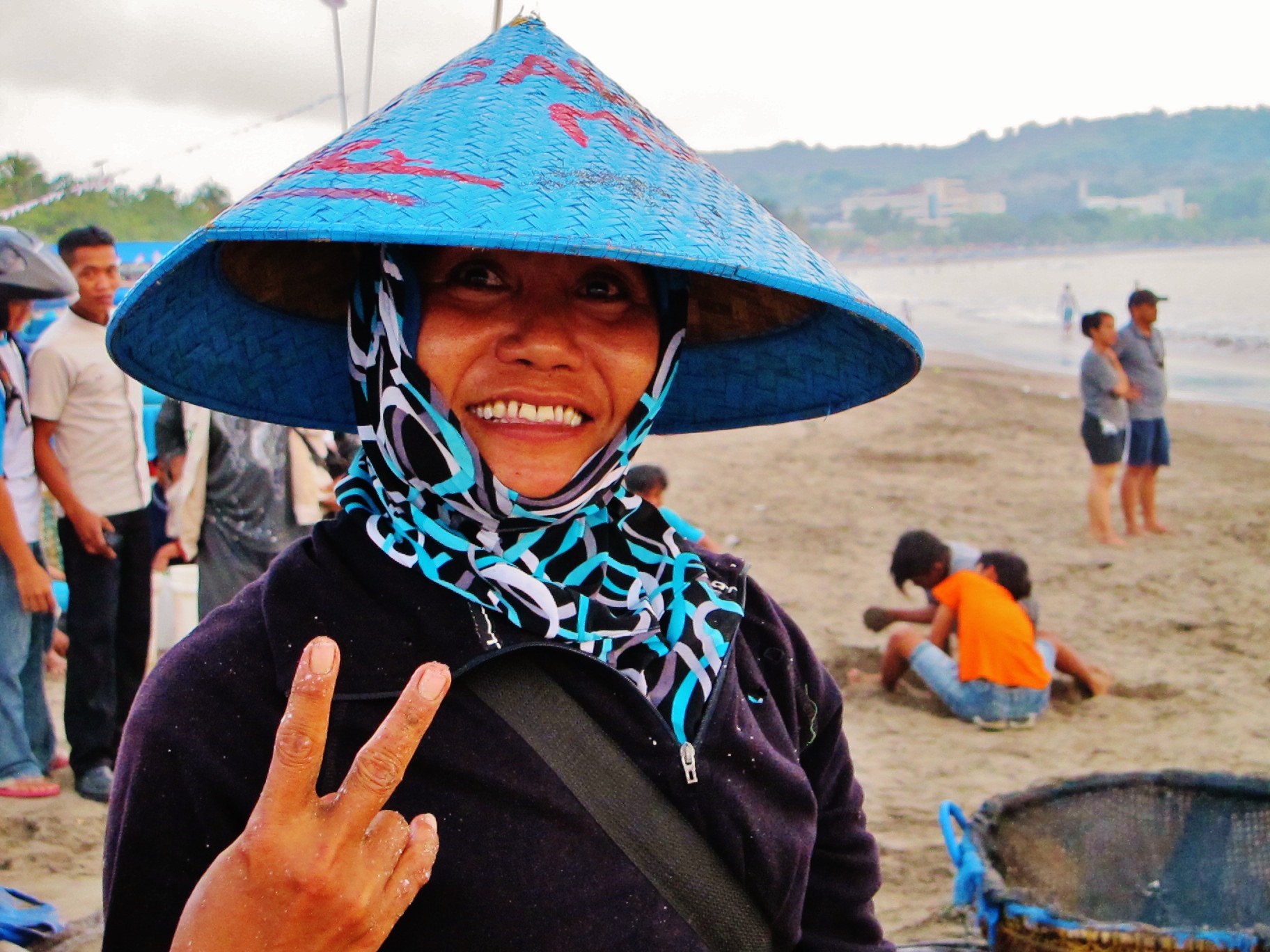
As the tshirt of a boy in one photo says,
life is beach. And that is all.
Water Series V: Save Subak
(Bali, Indonesia)
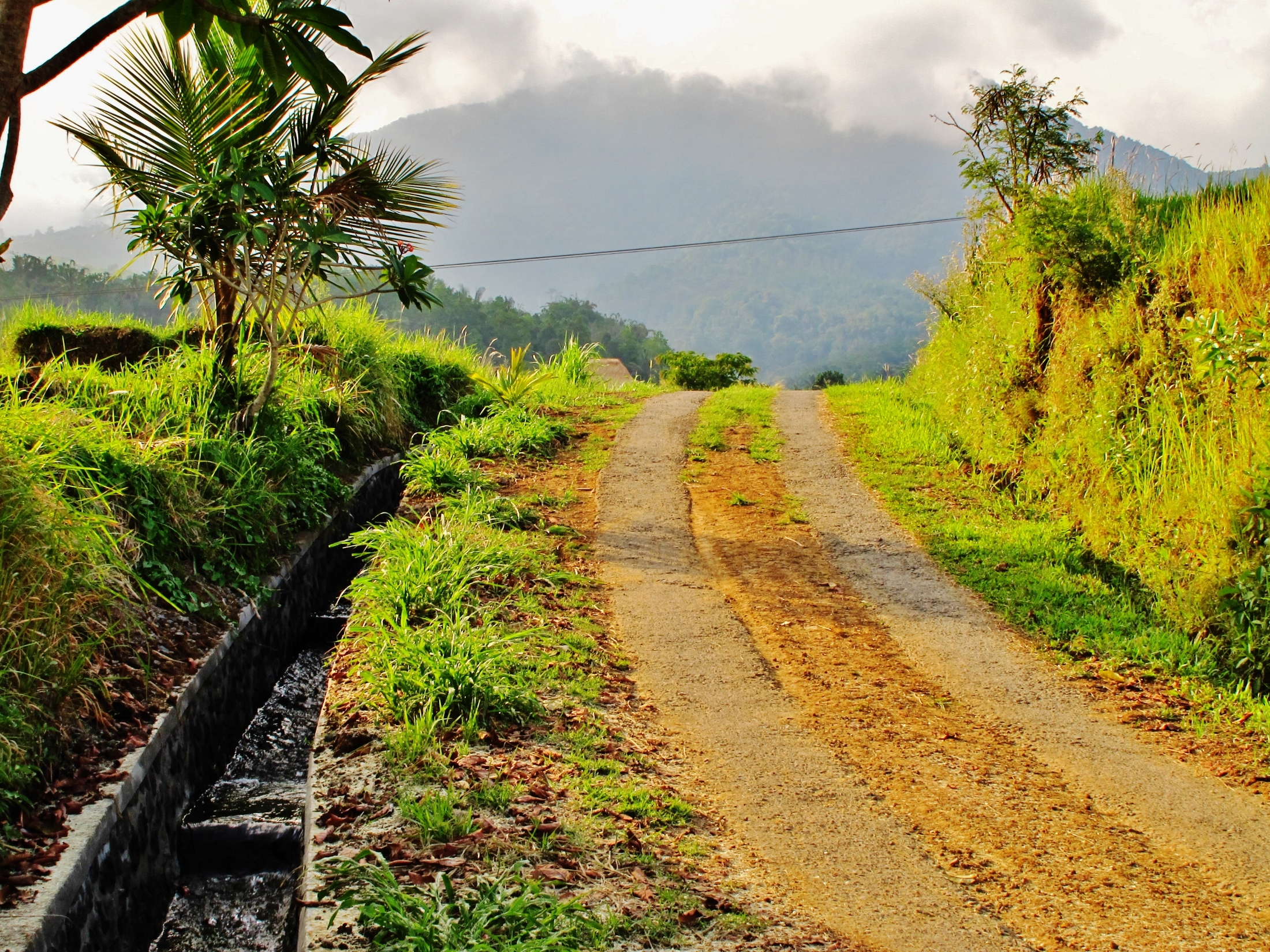
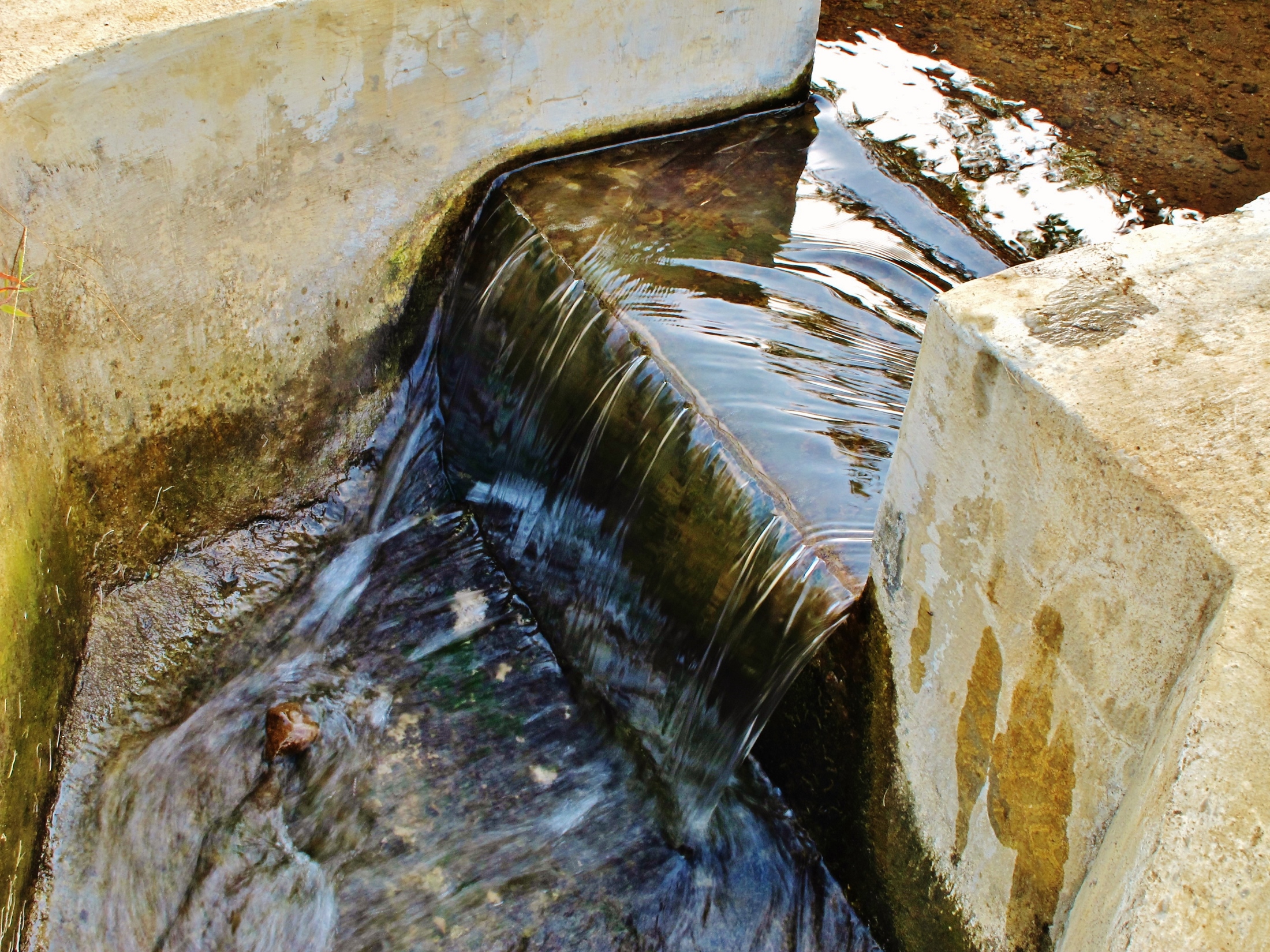
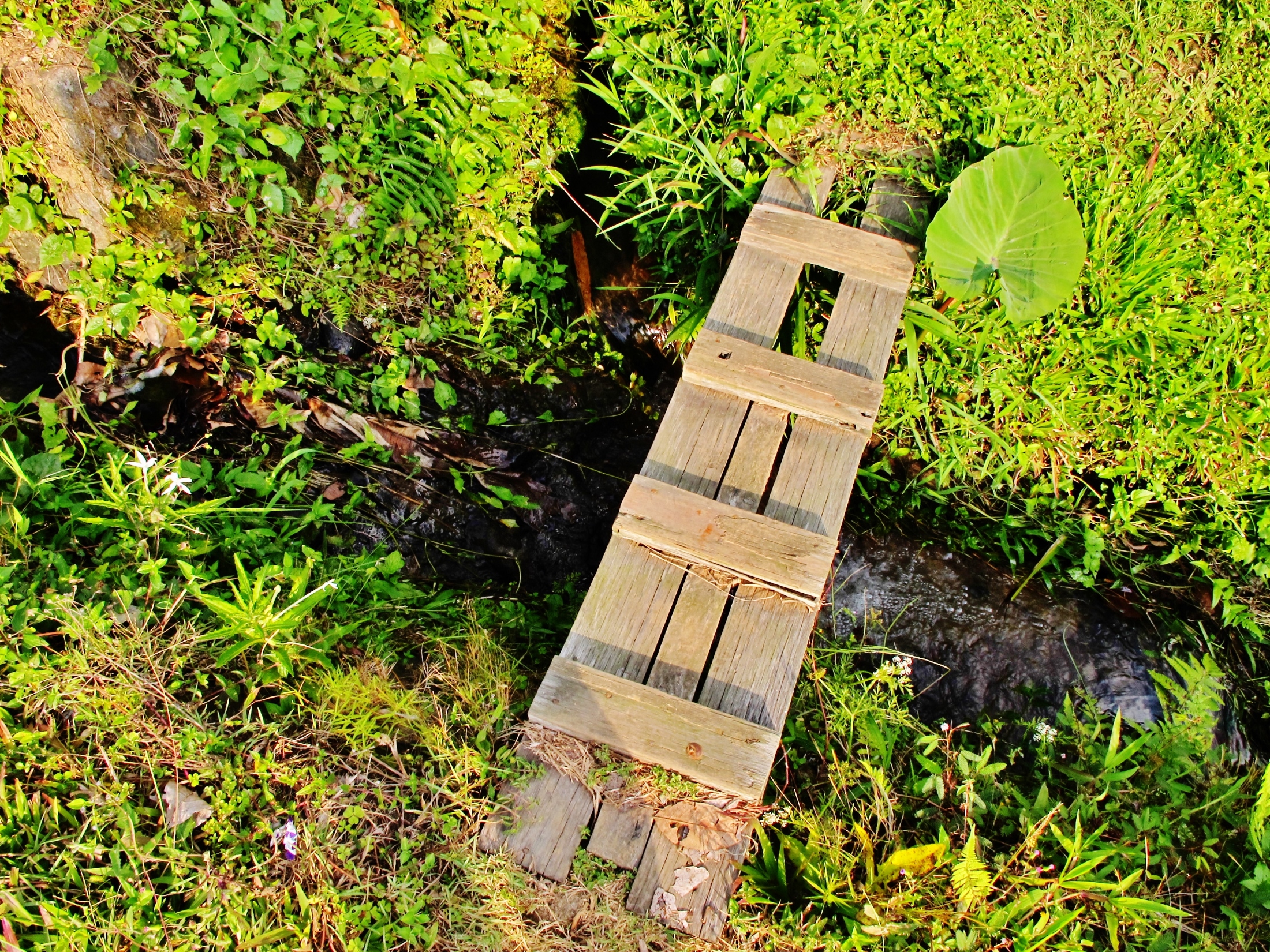
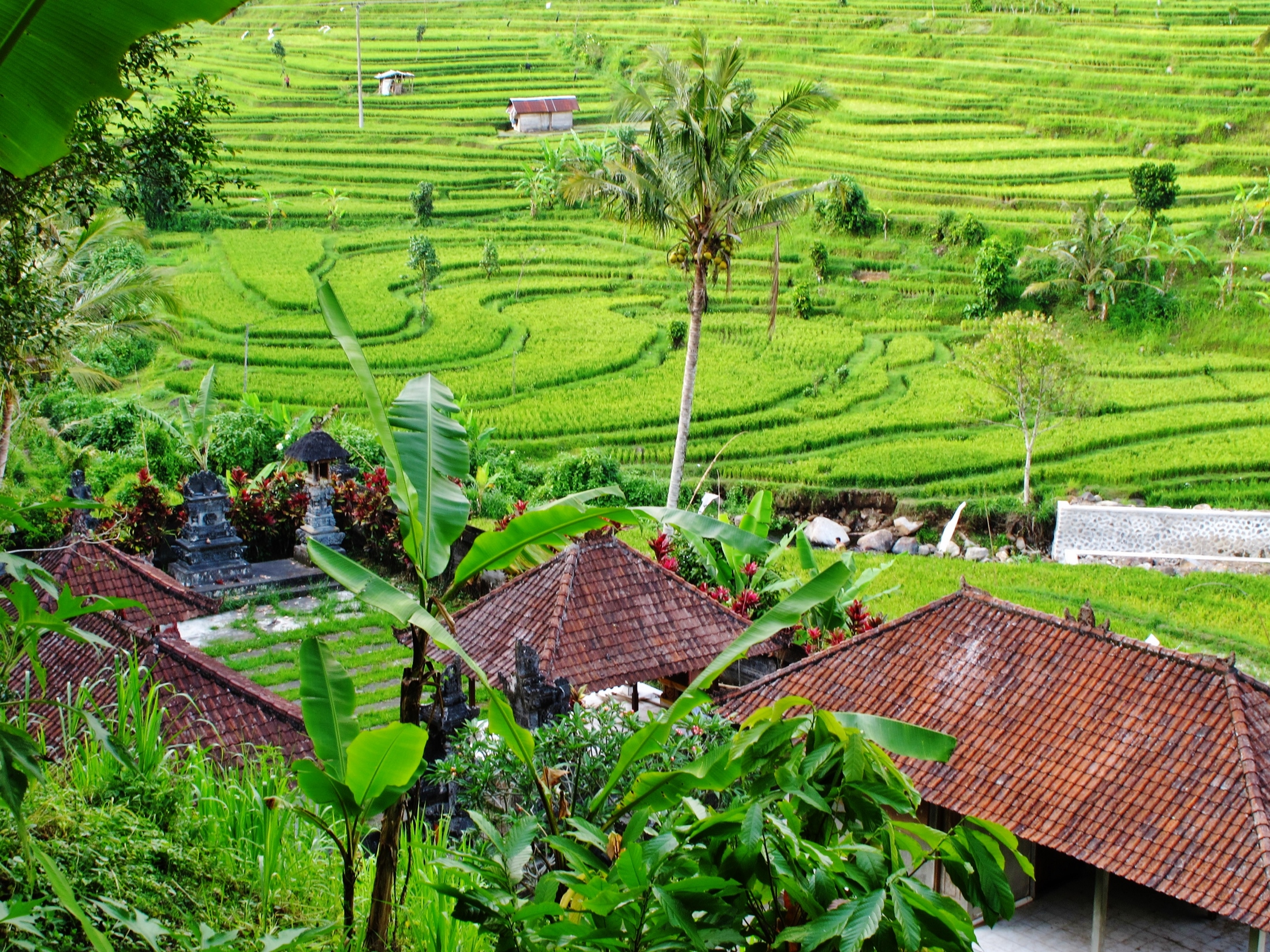
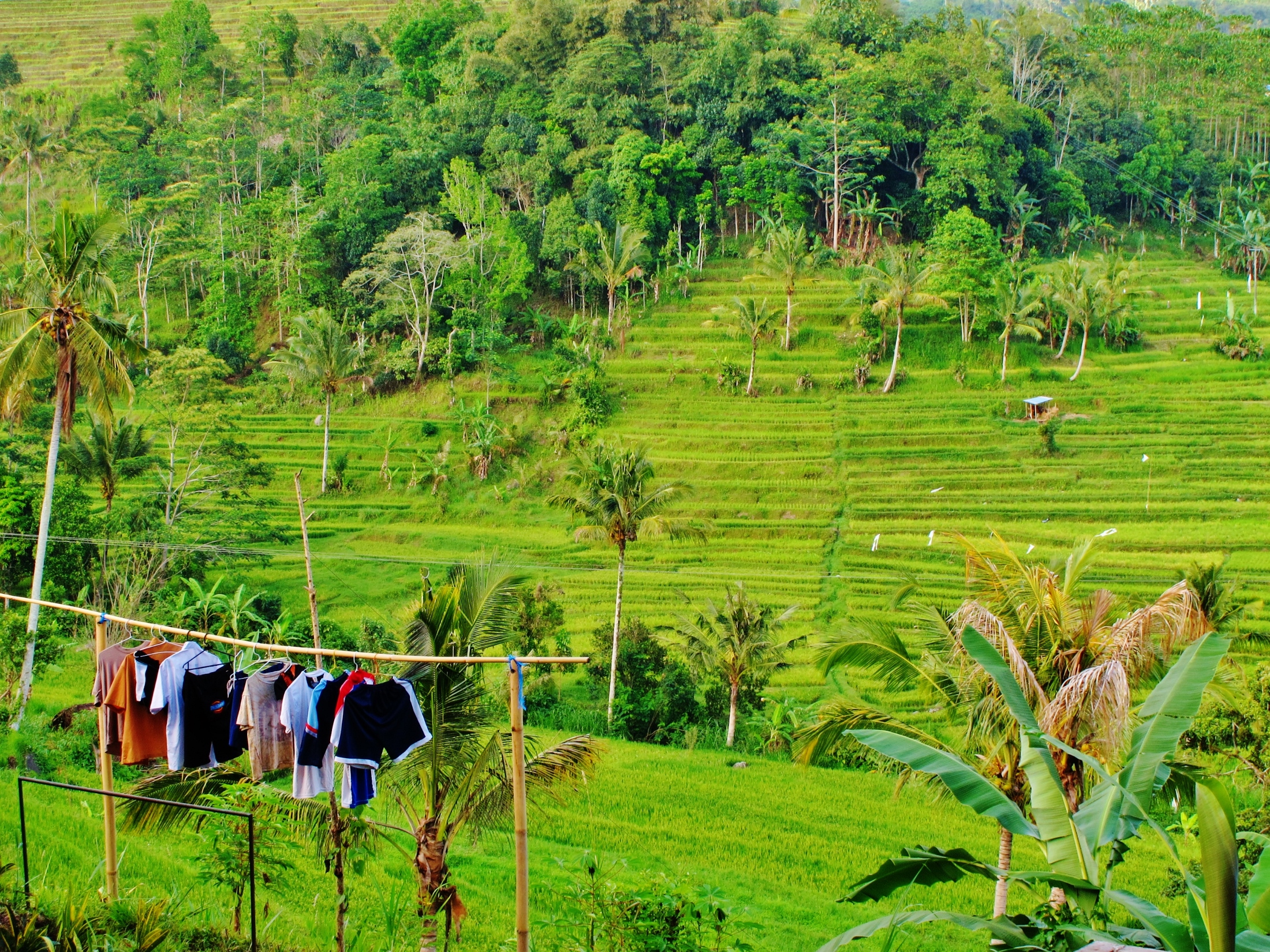
The cliche of water is life works quite well in the island of Bali. Having rice as the main cultivation, and mountains in the center of the island with massive lakes on top, for more than one thousand years is functioning a complex system of water channels to irrigate all lands. They call it Subak. It all starts in lake Batur, believed to be the ultimate origin of all the water. Then this cooperative and sustainable system uses gravity and the consensus between all people to fairly divide the flow between all, sharing the main resource for their food cultivation, their subsistence, their life.
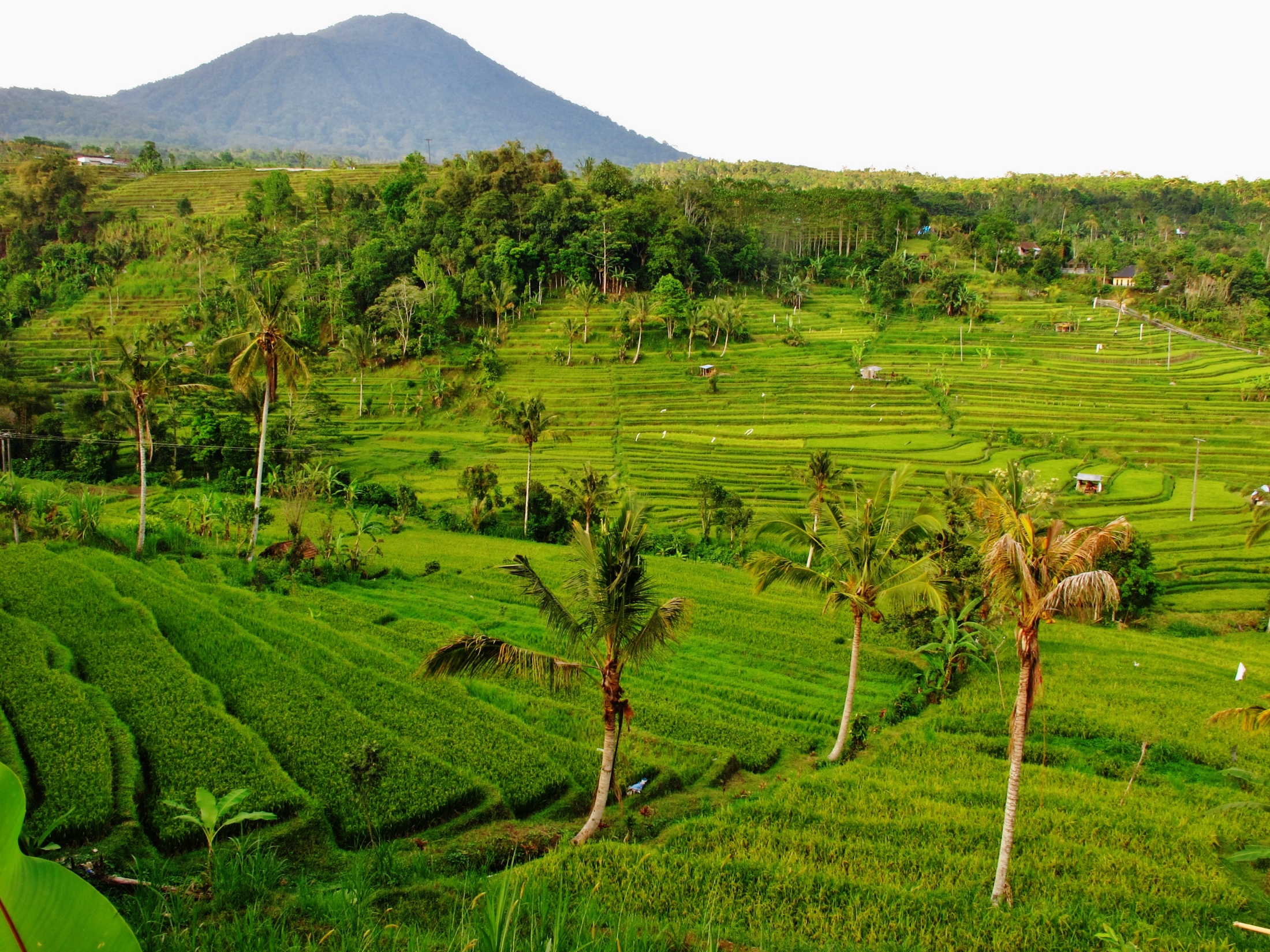
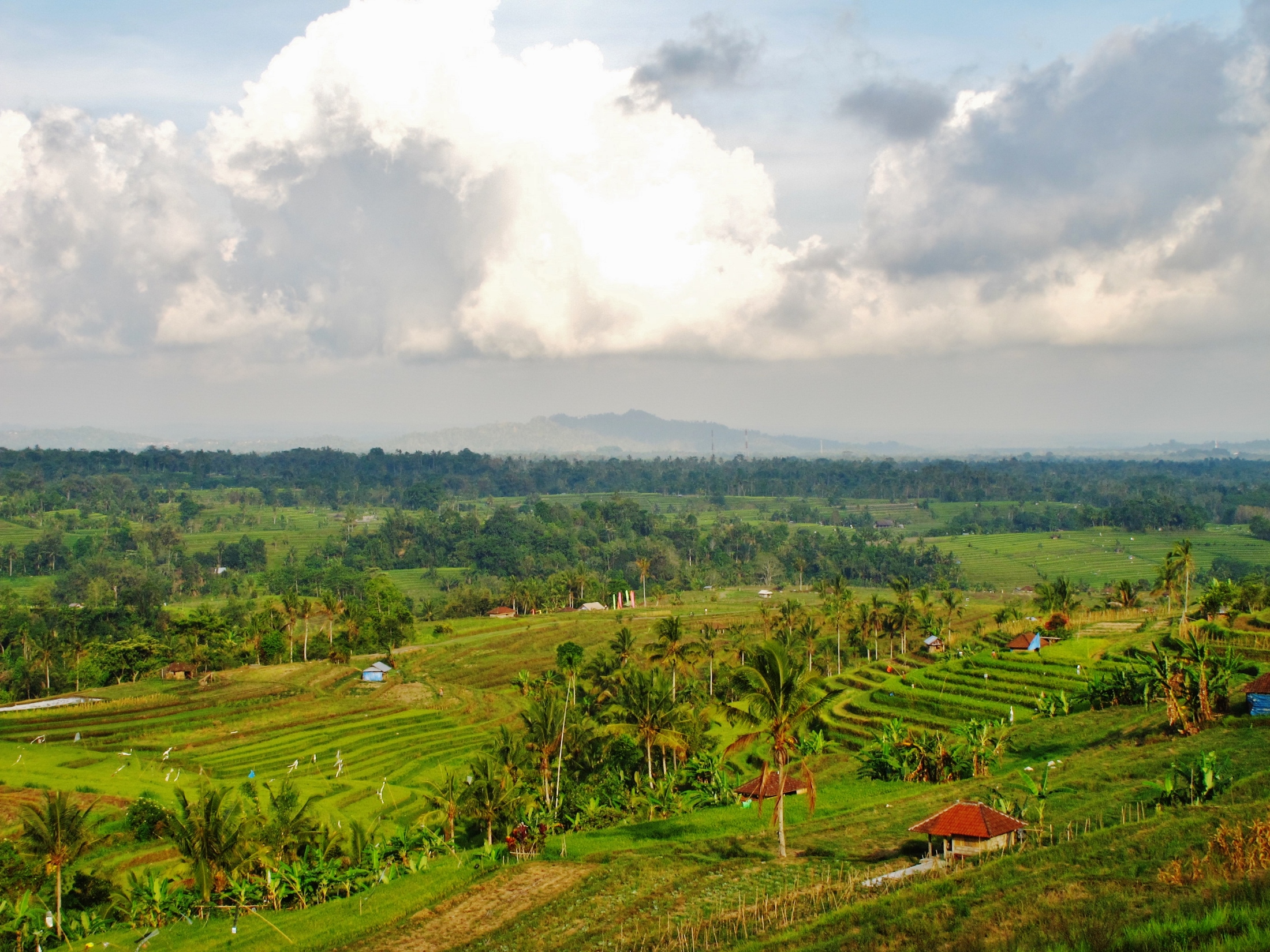
The water management is mainly runned in Pura Tirta, water temples where the priests are the ones that manage the water allocation among the different villages around the temple. Then, well planned channels make the distribution to the lands of the people in each village.
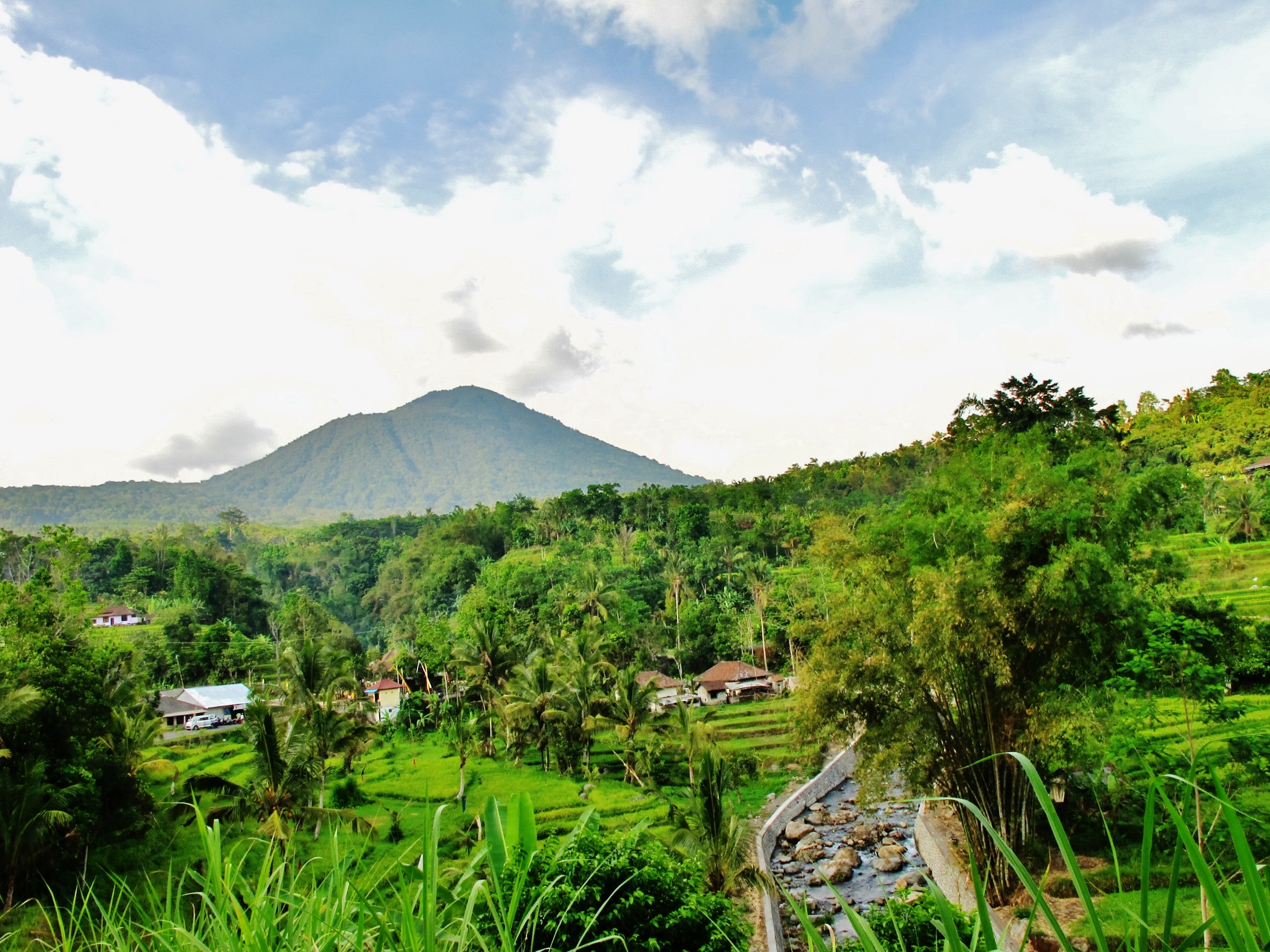
People working in the rice terraces. At the core of this whole lifestyle and philosophy is the concept of gotong-royong, volunteer communal work that everyone offer to the common good without asking anything in return. The idea of happiness as a collective feeling and not an individual one, helping others it’s just the normal thing to do because one is only happy if all the others around are happy too.
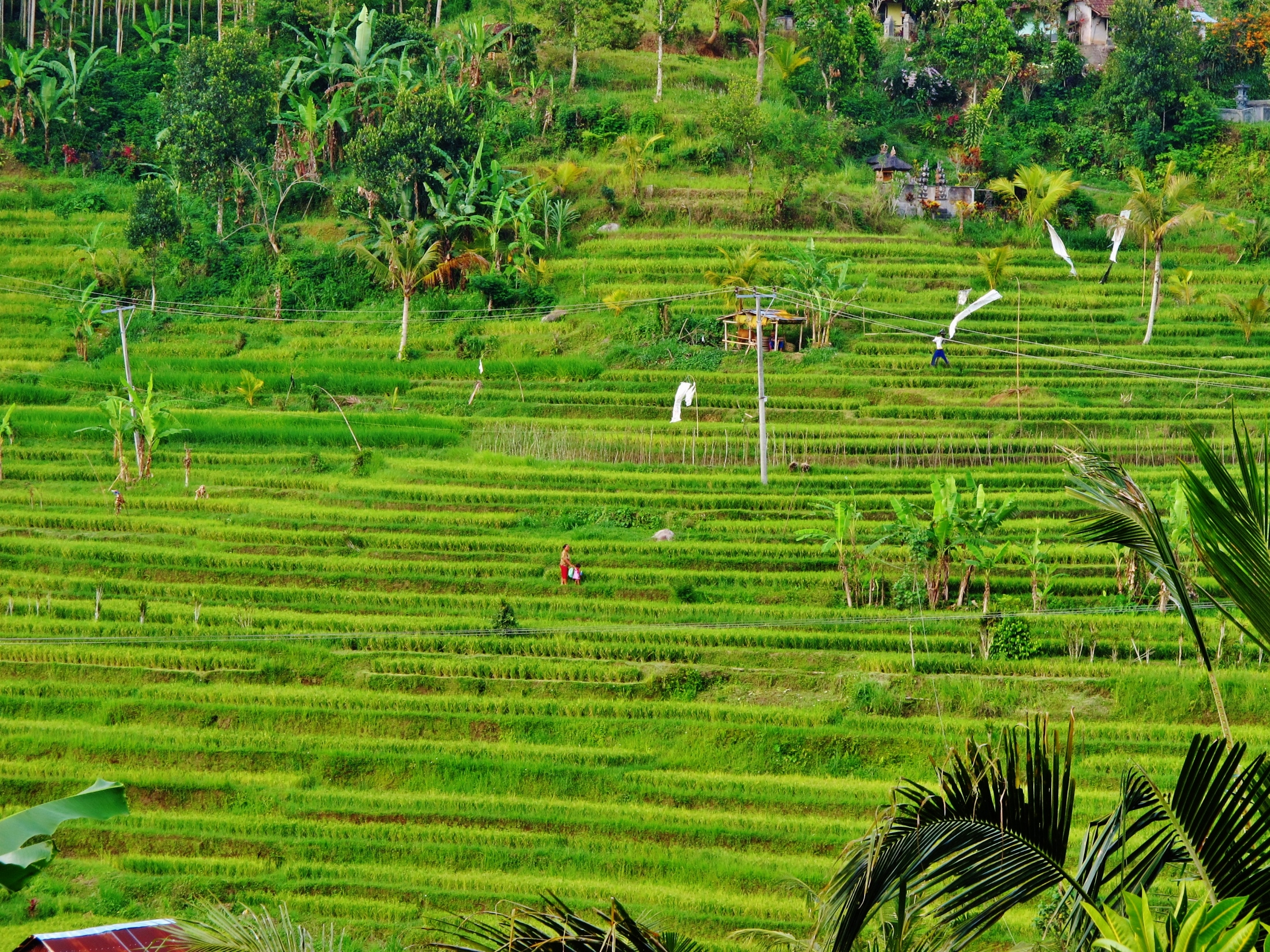
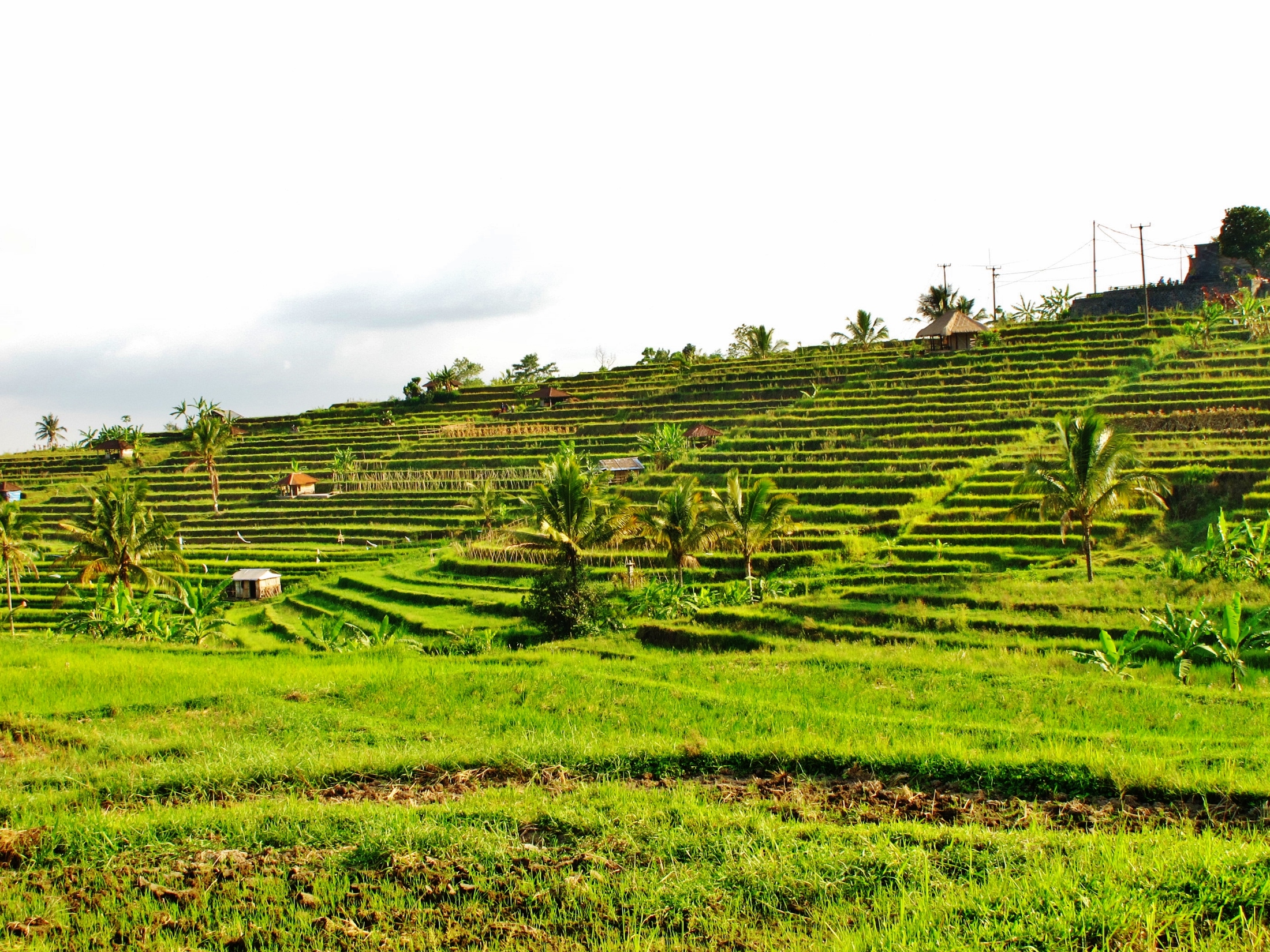
There is harmony in the whole environment, between rice fields and forest, people’s houses and nature, between everyday activities and what they believe is the divine. They called it Tri Hita Karana, the harmony of people, nature and god. Also, for perfectly suiting the rice cultivation with the hills and vicissitudes of a mountainous terrain, beautiful drawings on the surface are made fo adapt the rice terraces to the different heights.
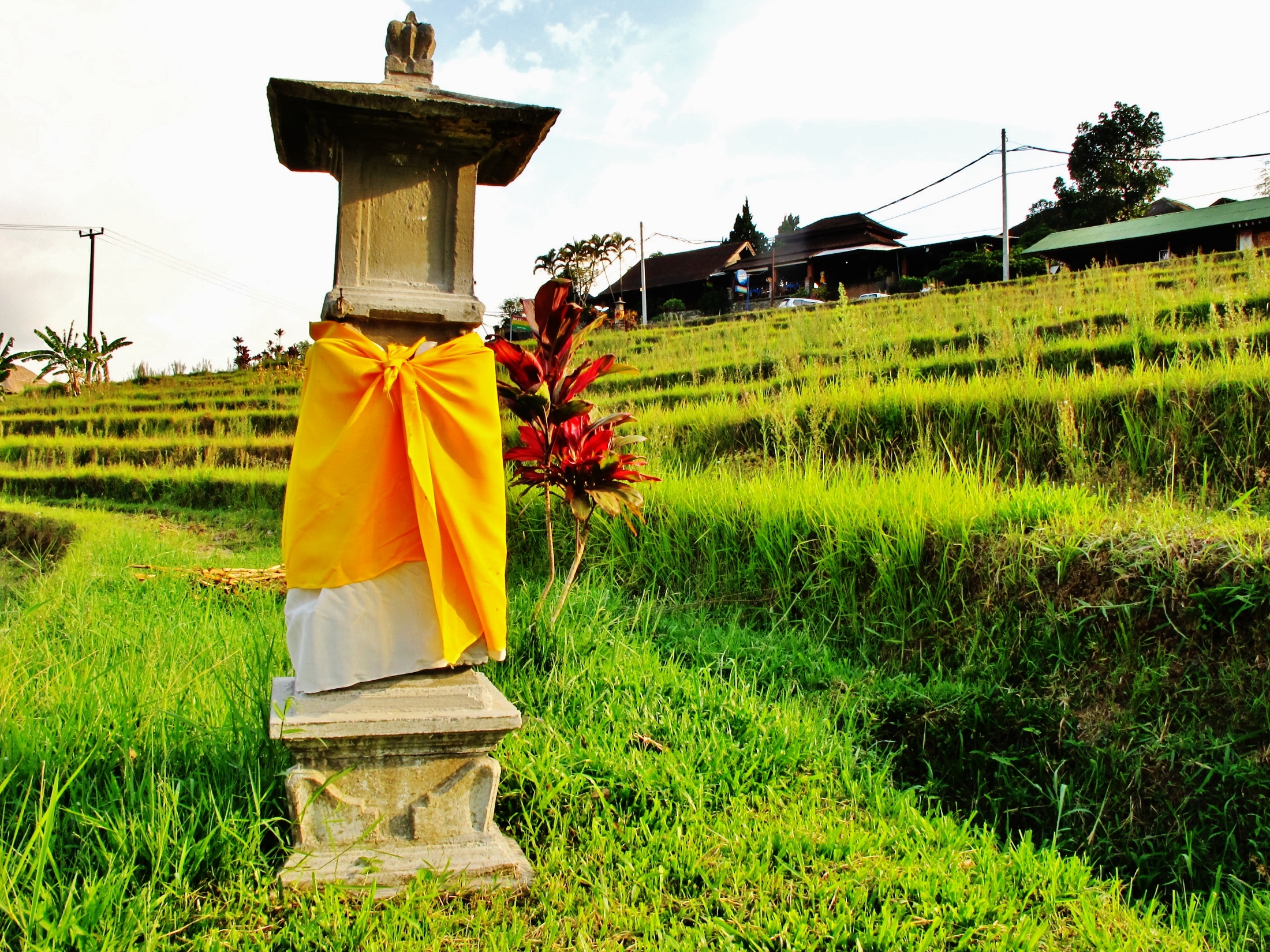
Local woman praying at Pura Ulun Danau Batur. In the head of the whole system is this temple, considered the main one in the island for the worshiping of water and being dedicated to Dewi Danu, goddess of lakes and rivers. In the rice fields is also normal to see religious symbols, guardians of the whole water system and life flowing by.
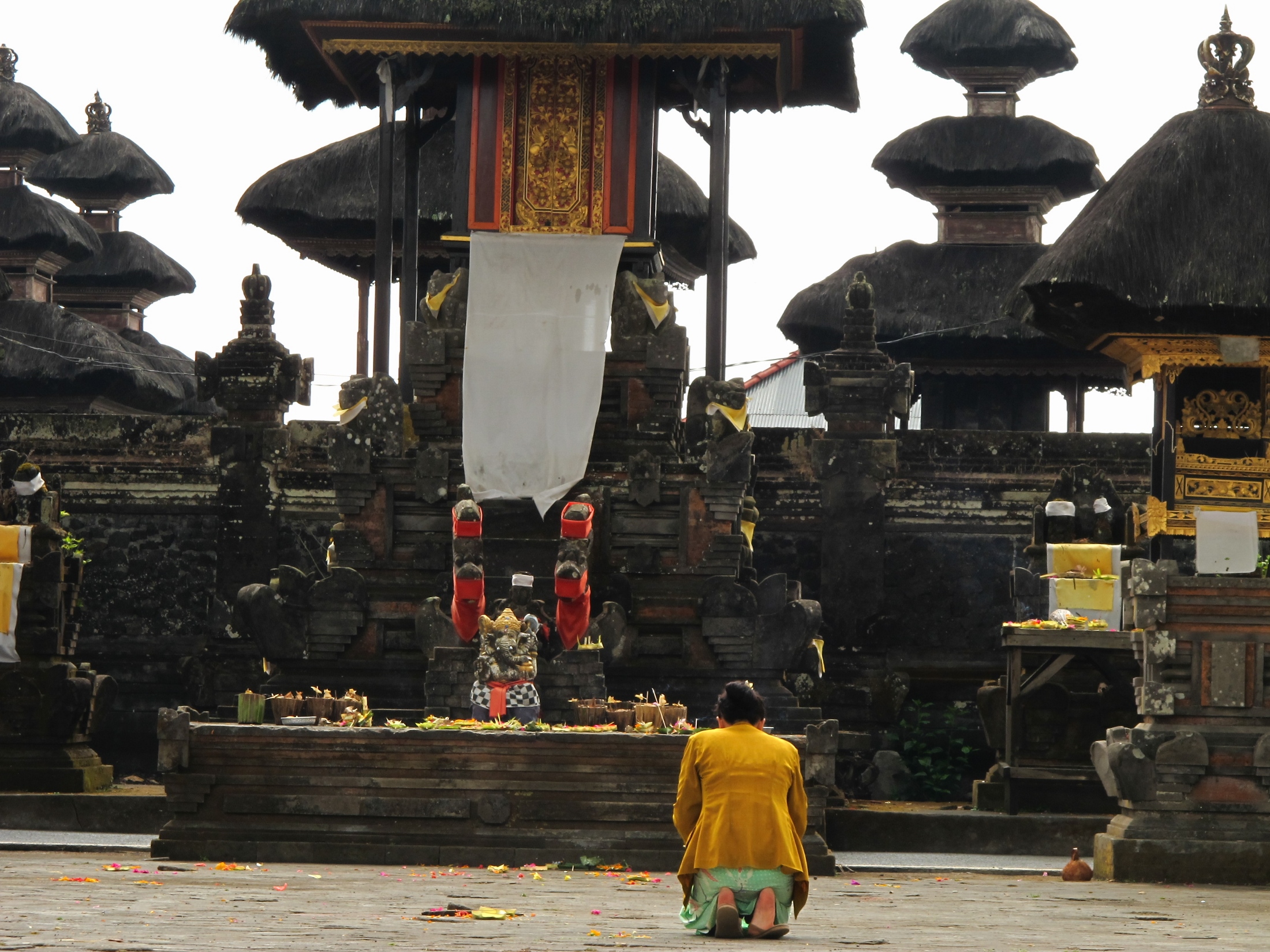
Many are the days were locals flock to the temples to give offerings to the gods.


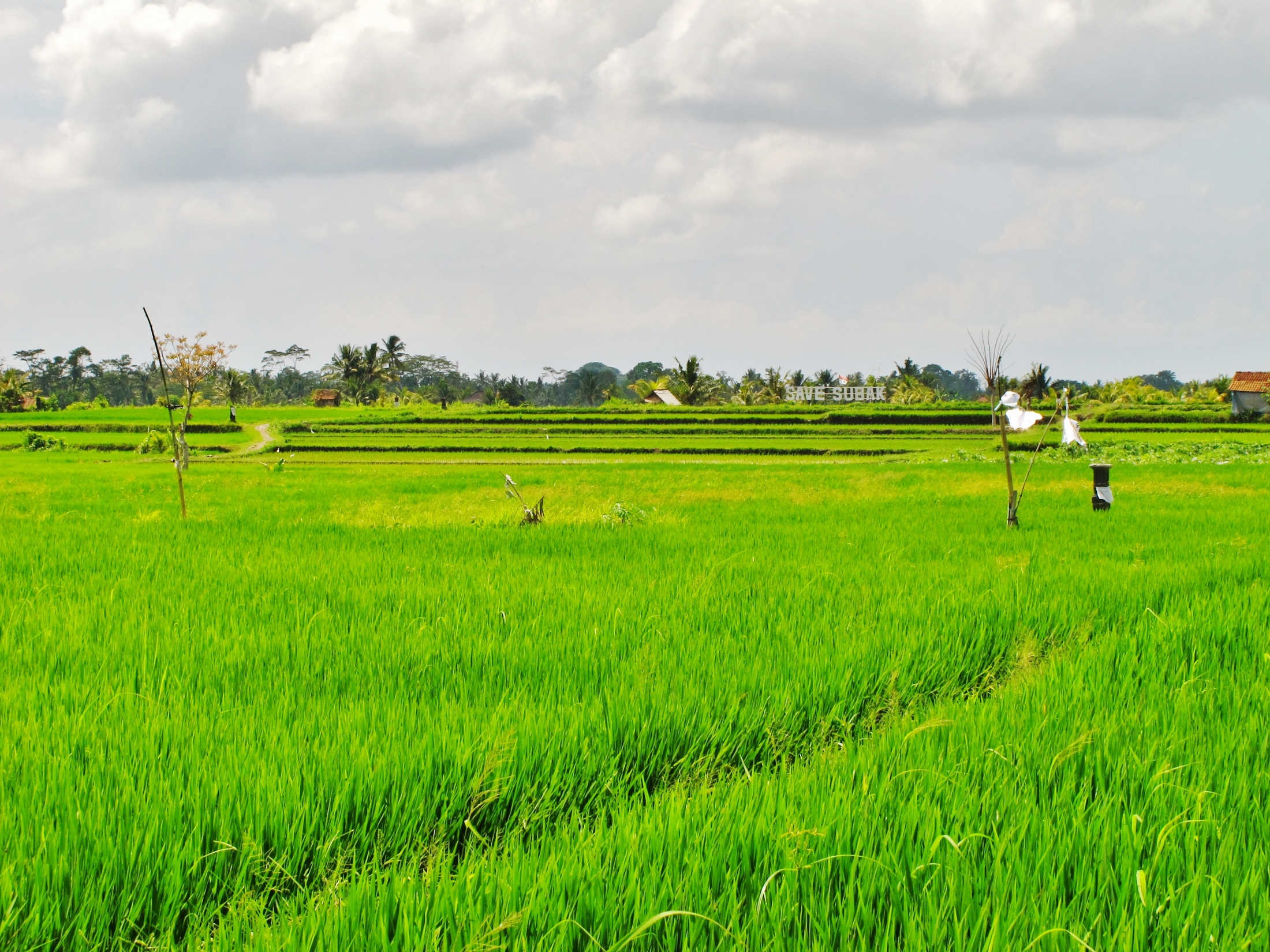
‘Save Subak’ sign in a rice field. Even with all the harmony and spiritual protection, the system is at risk with the always rising development of Bali, the mass tourism and abusive construction.
Water Series VI: The golden geometries of Kampong Khleang
(Cambodia)
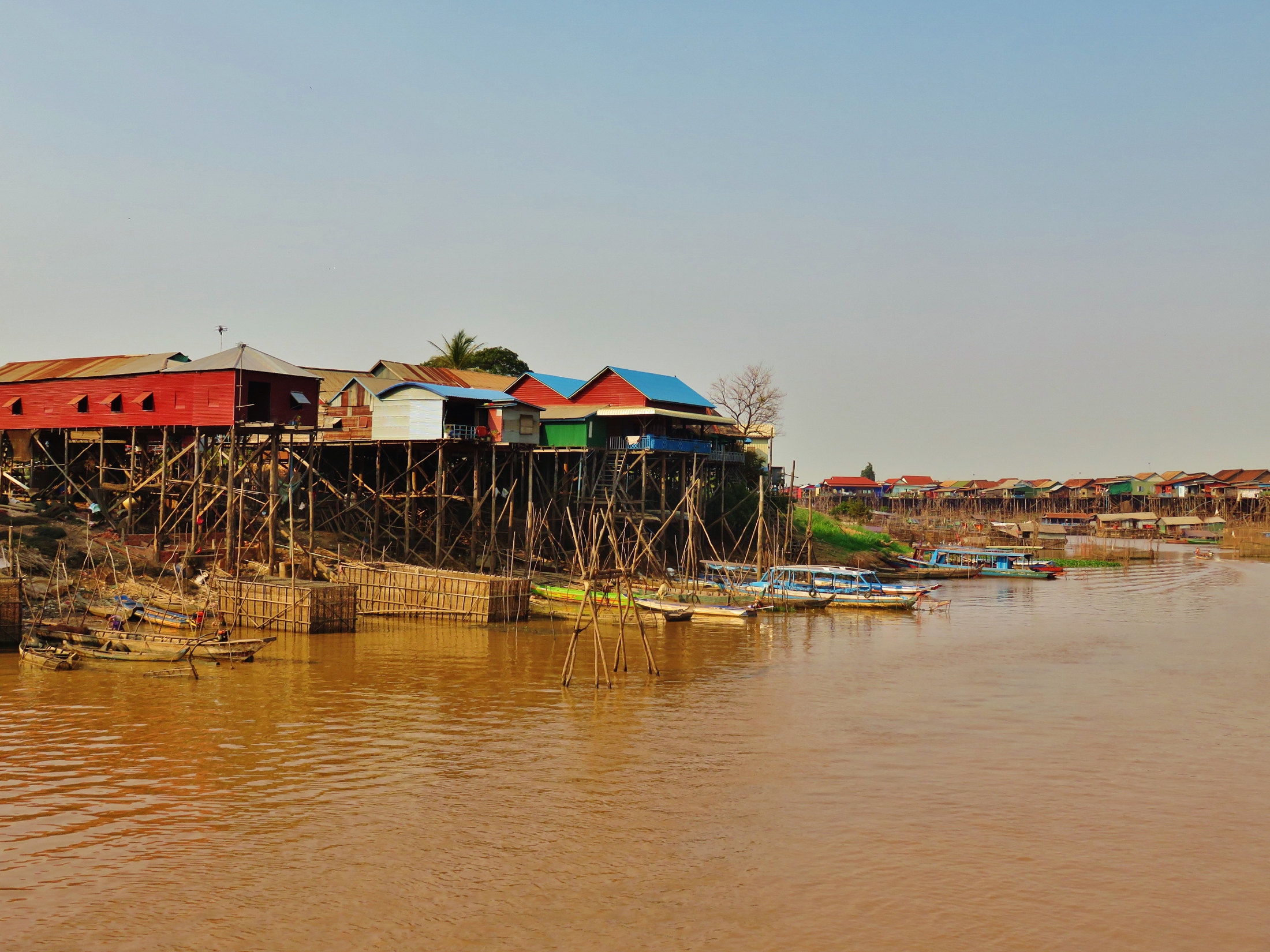
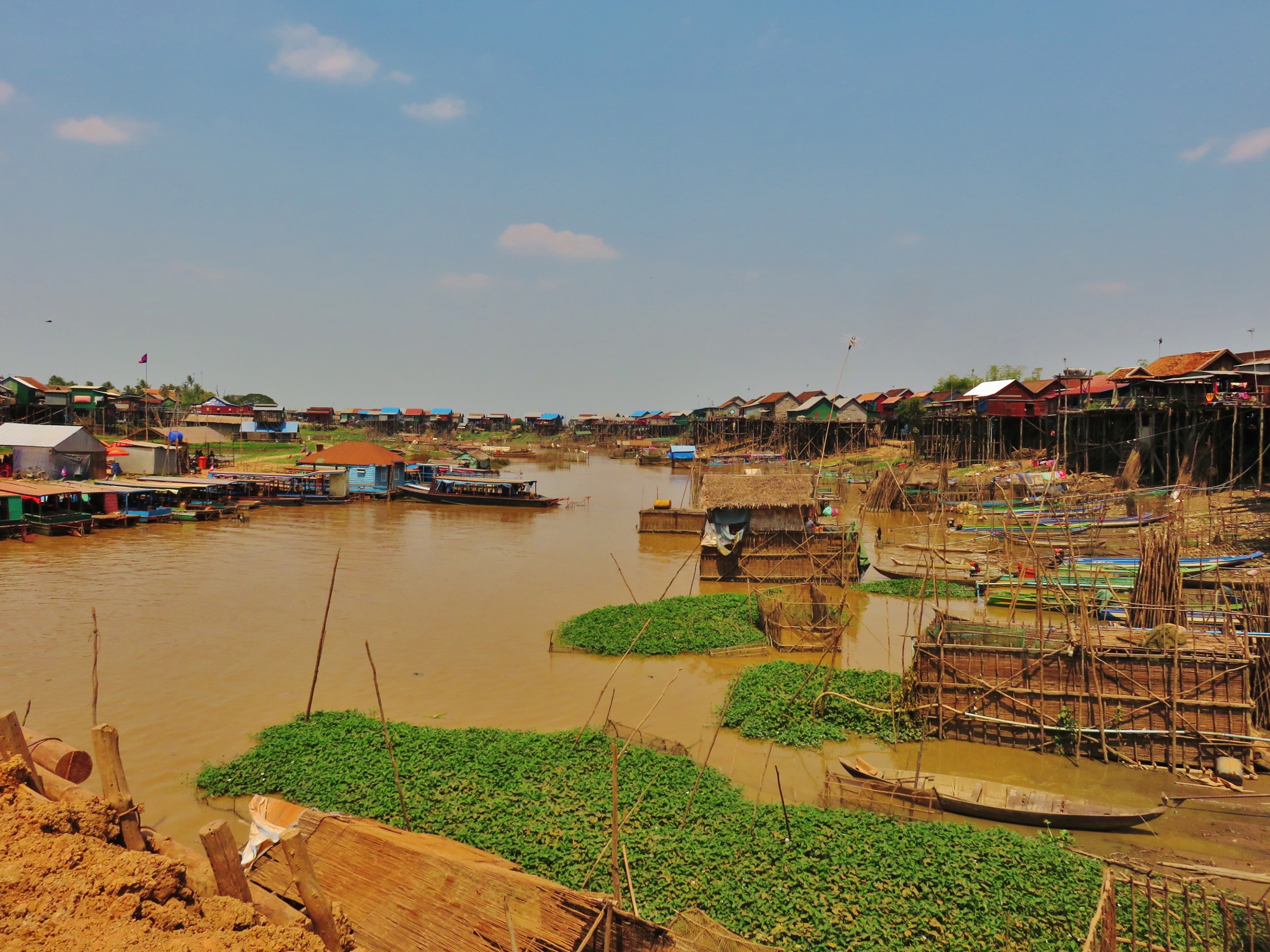
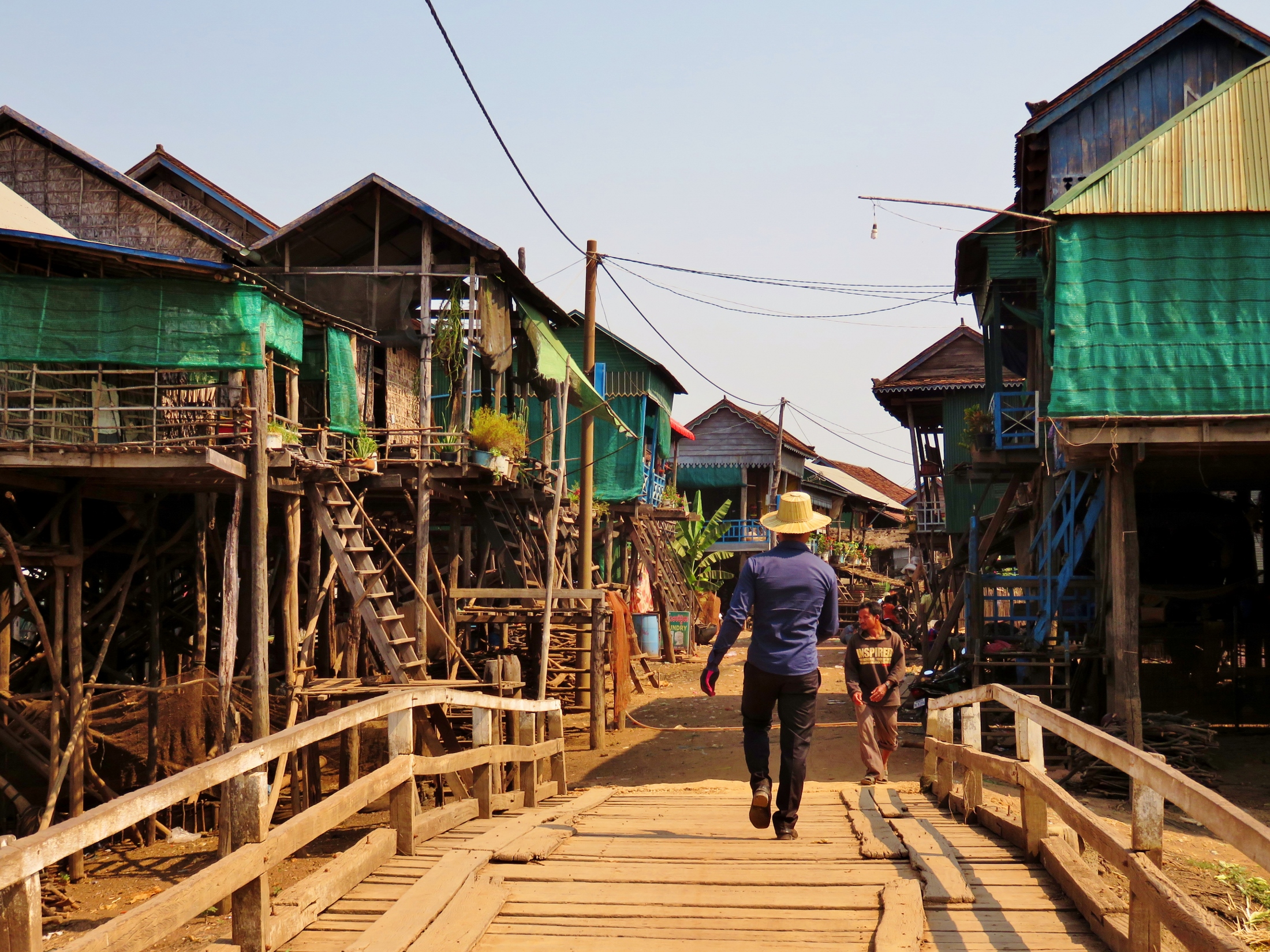
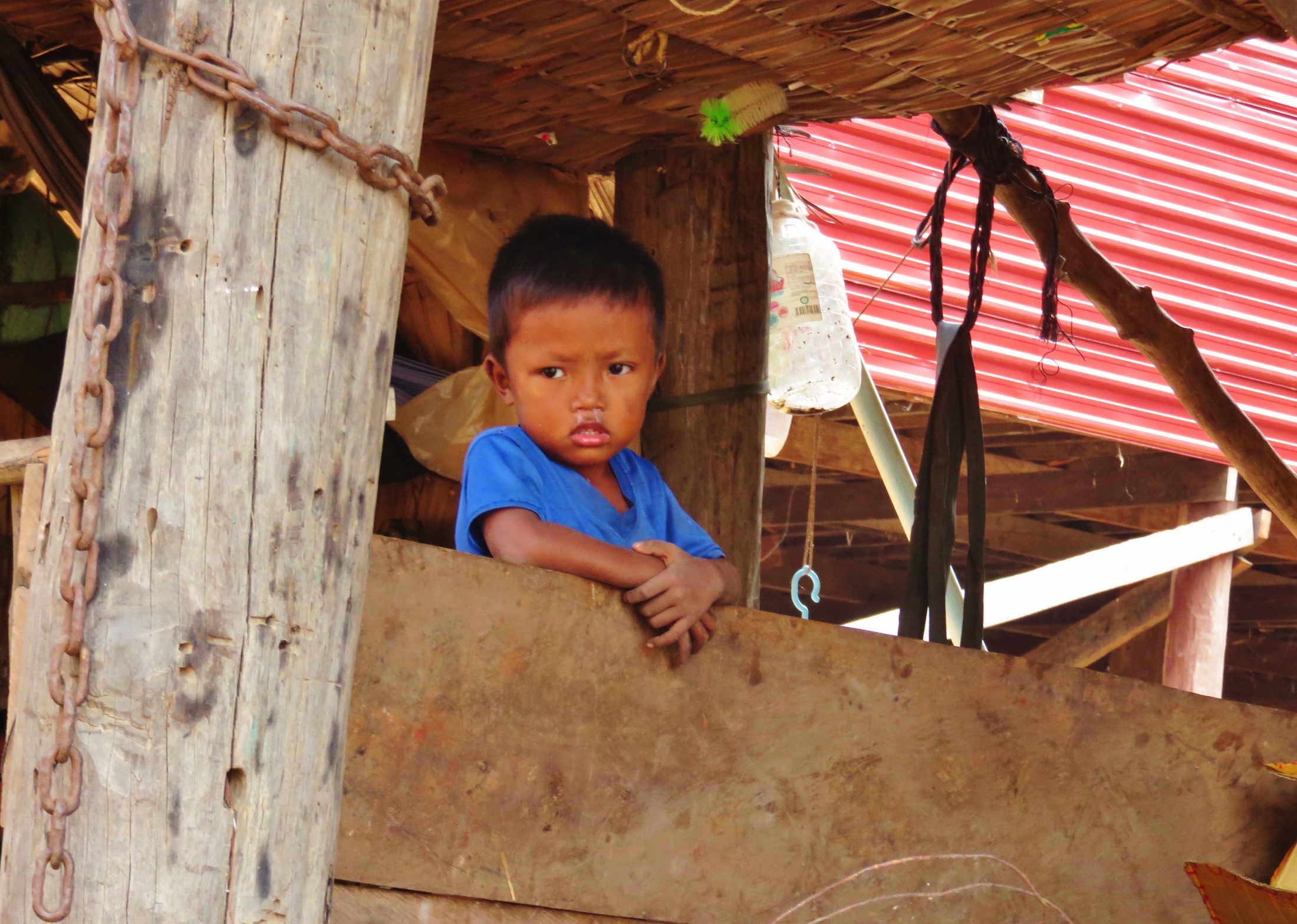
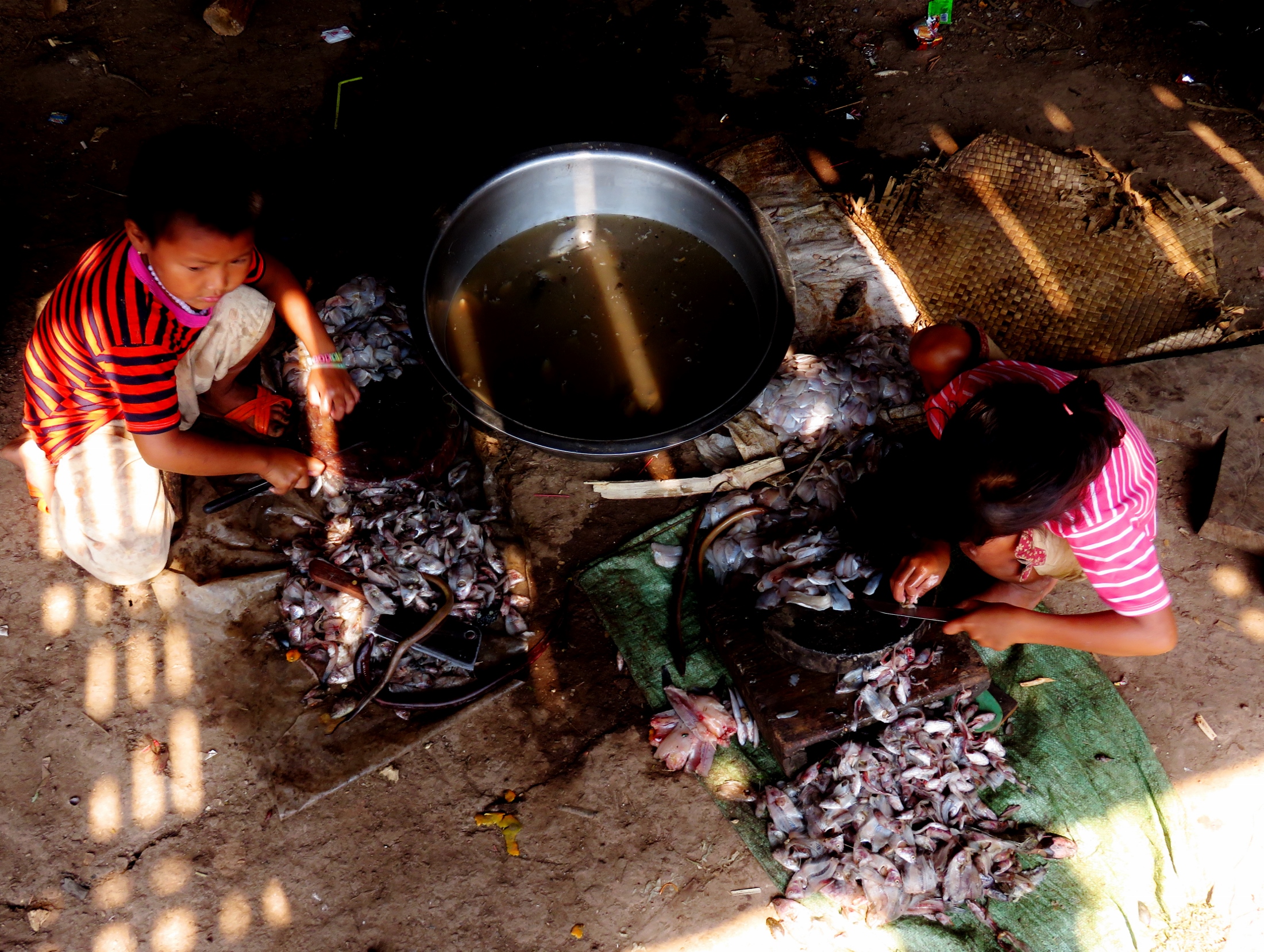
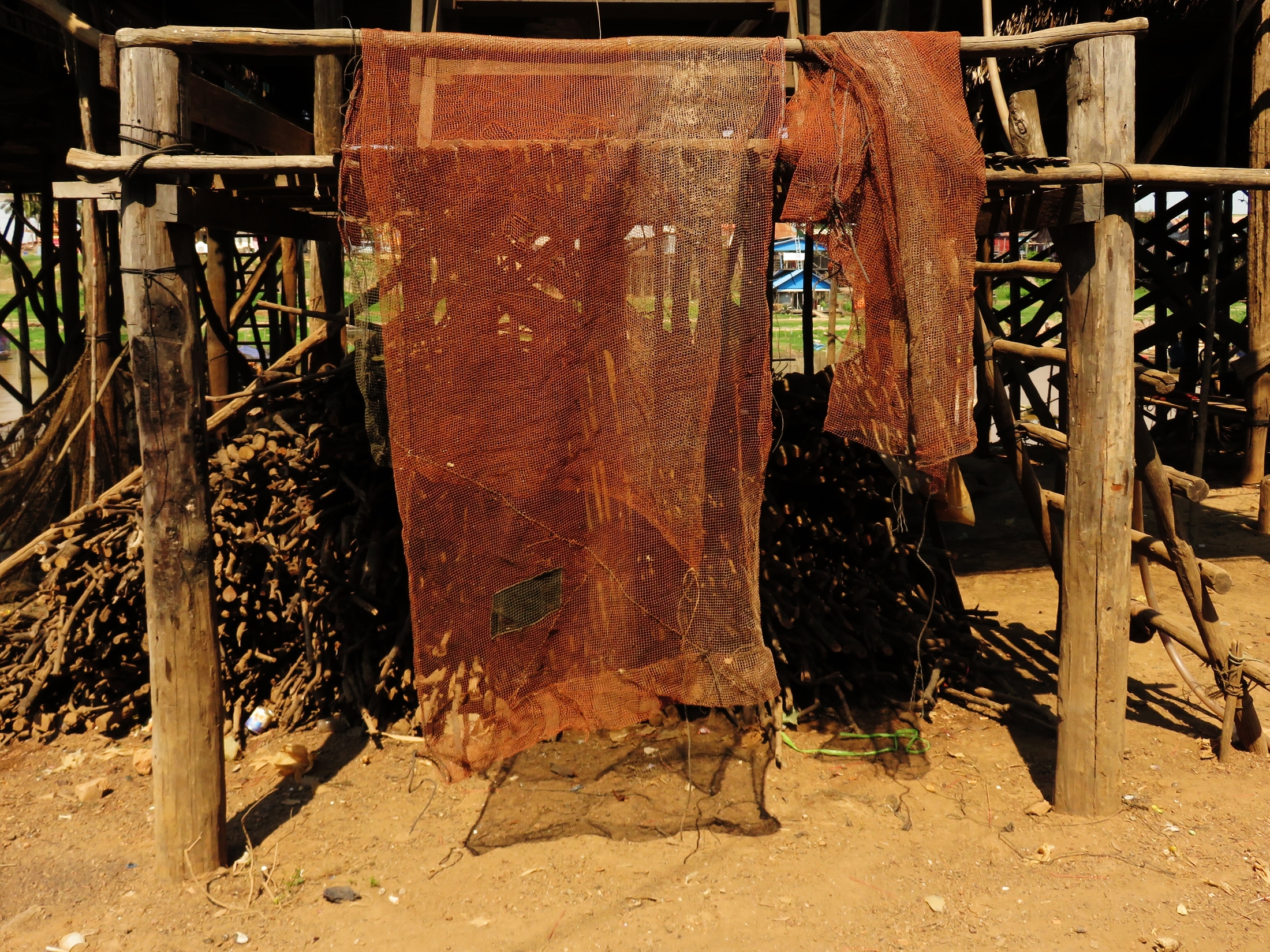
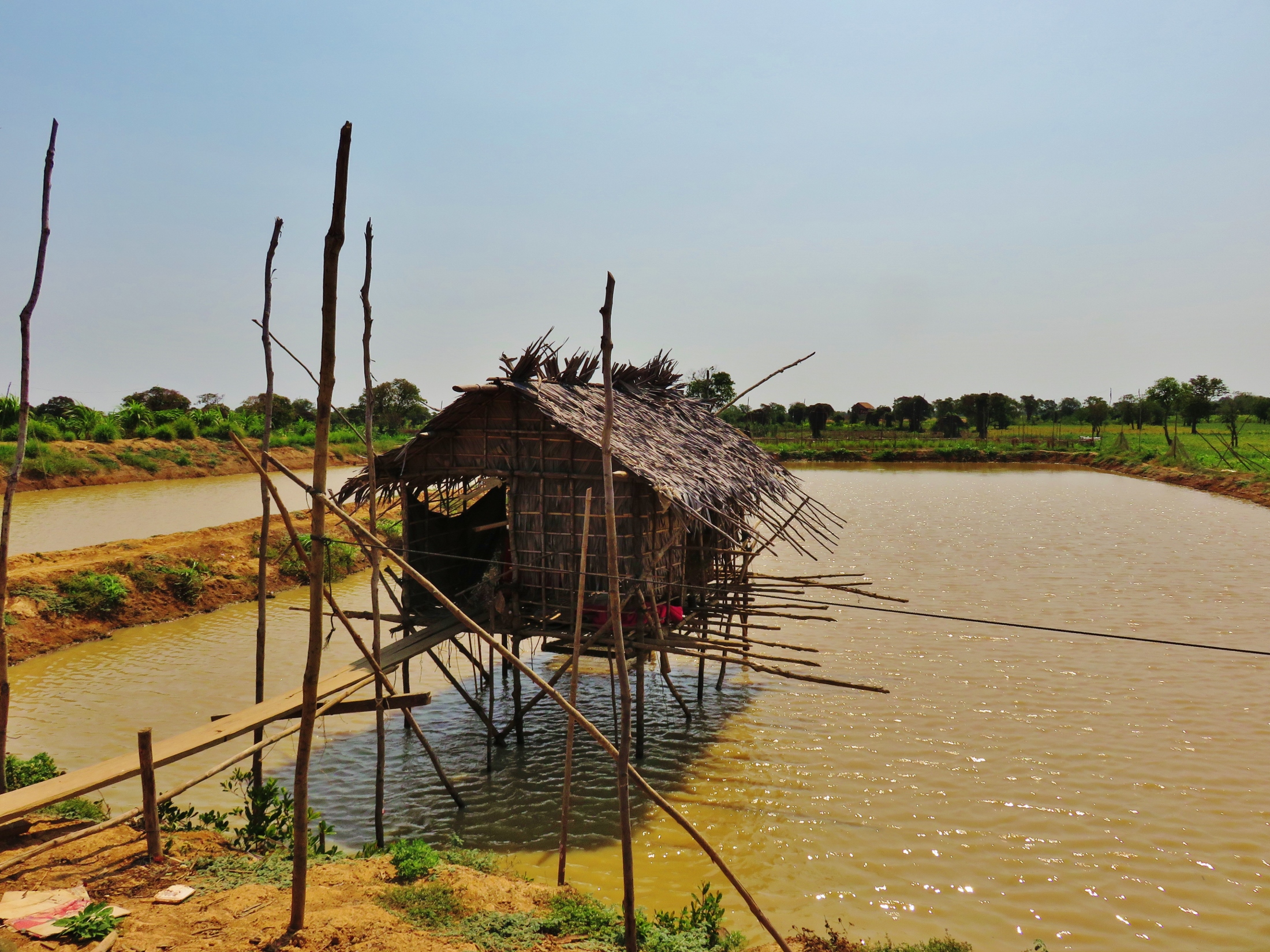
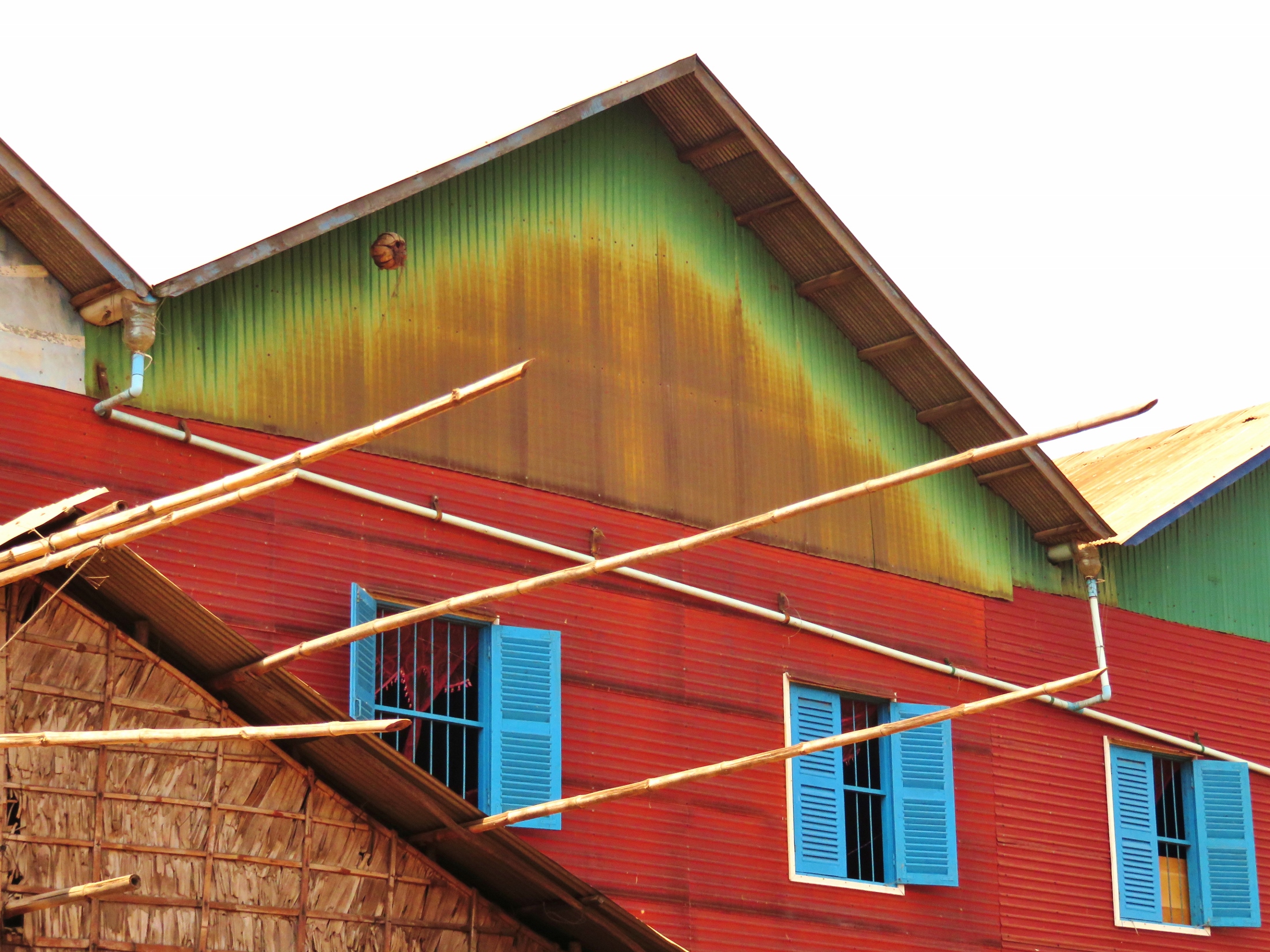
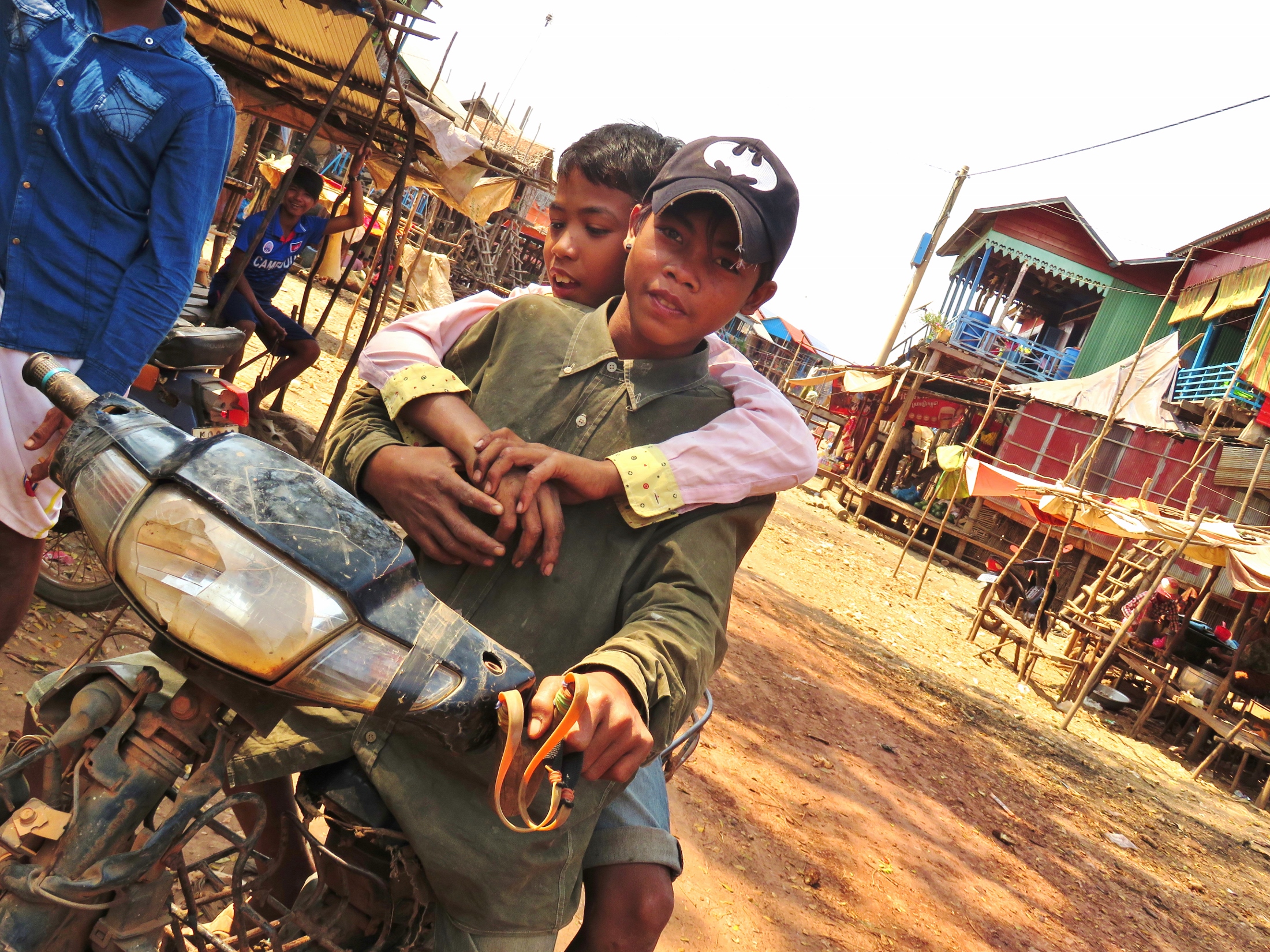
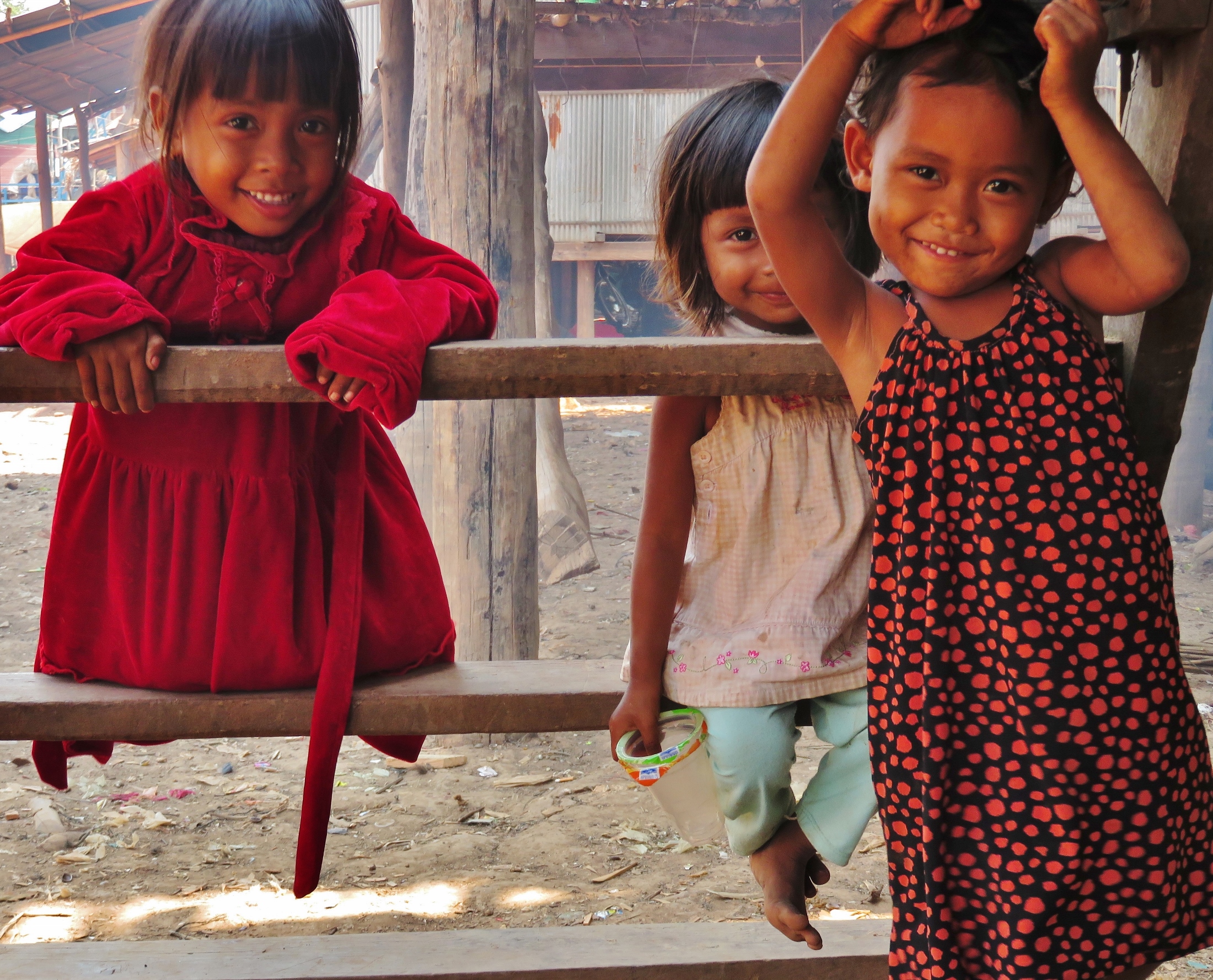
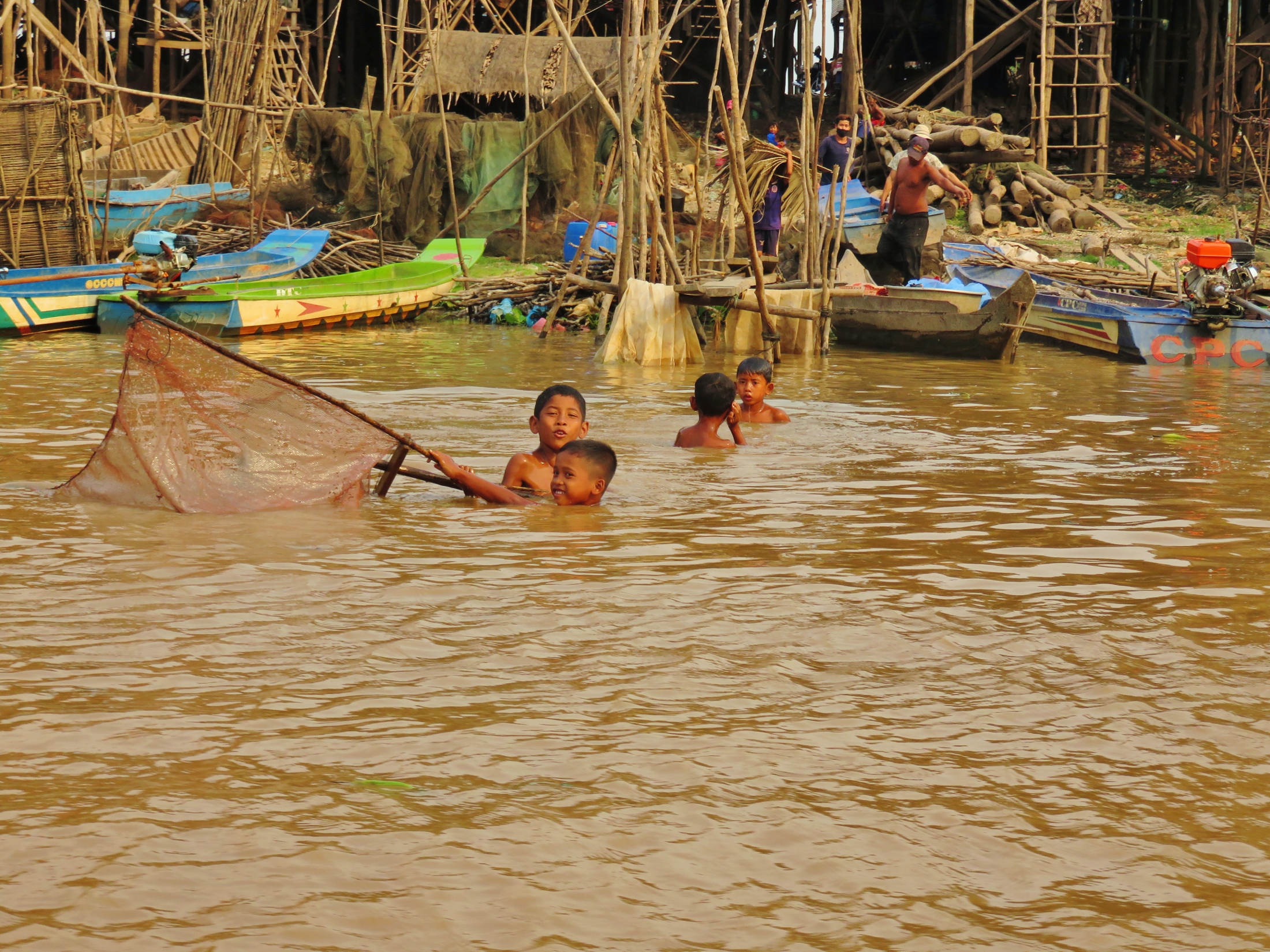
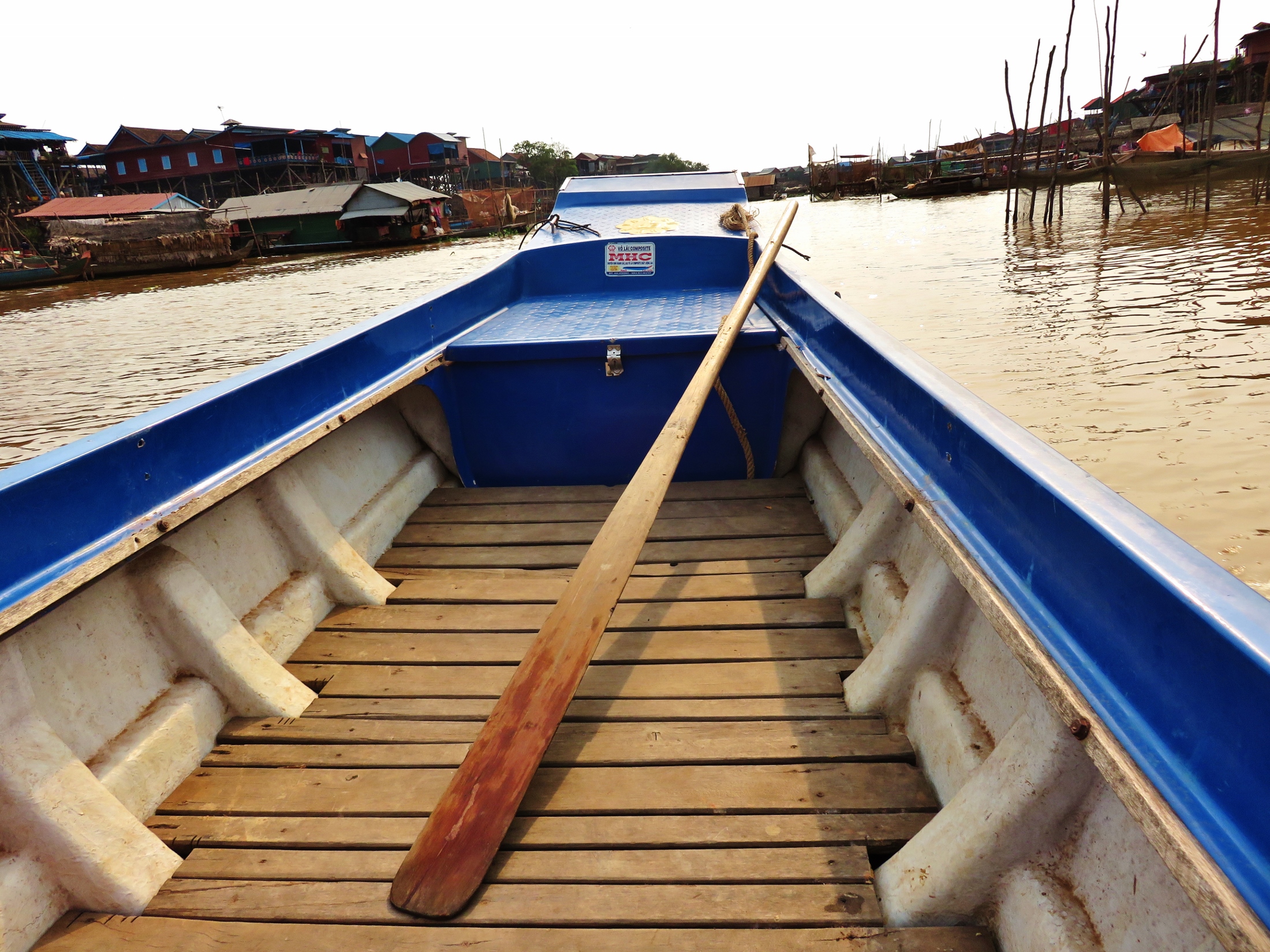
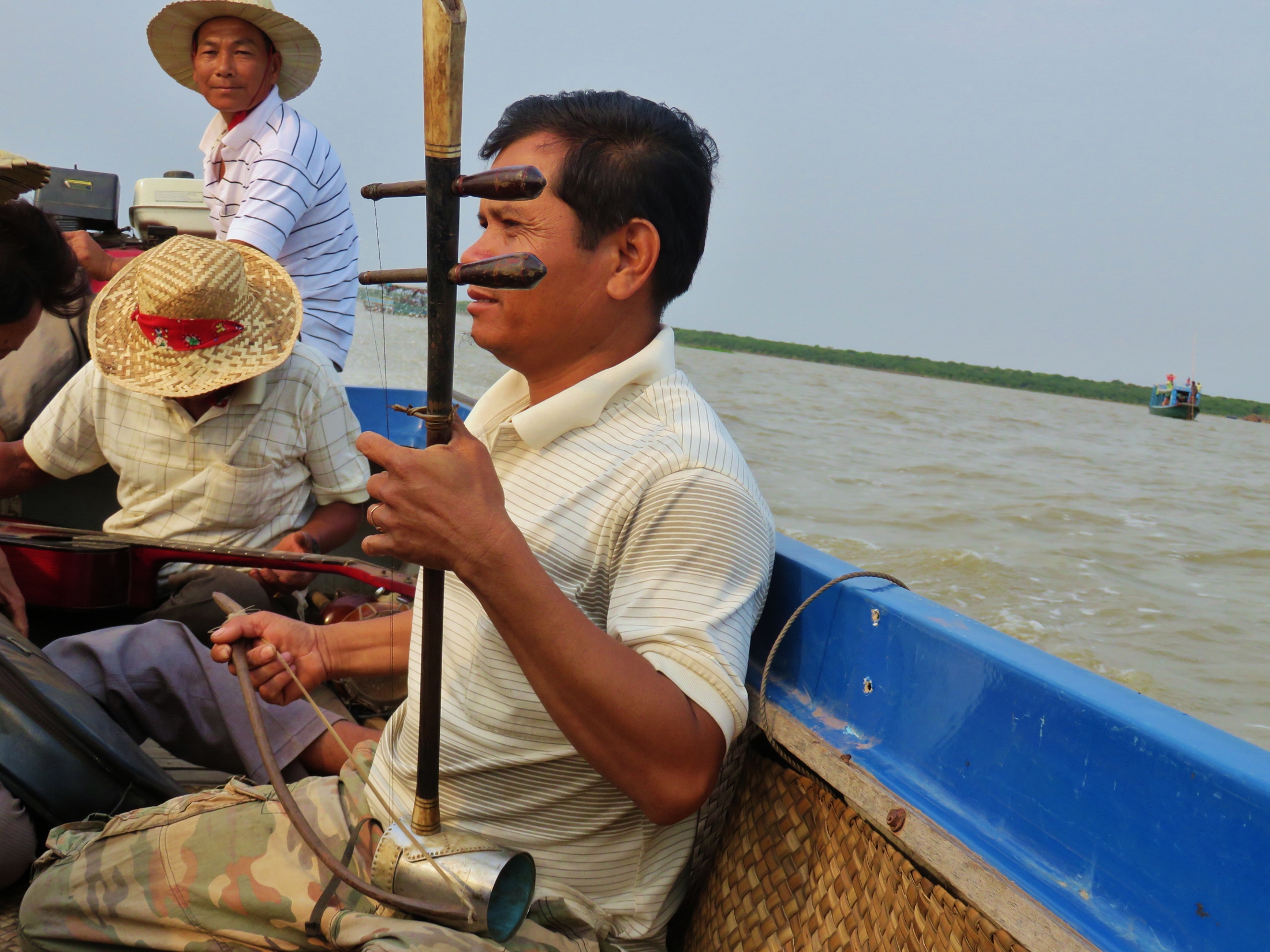
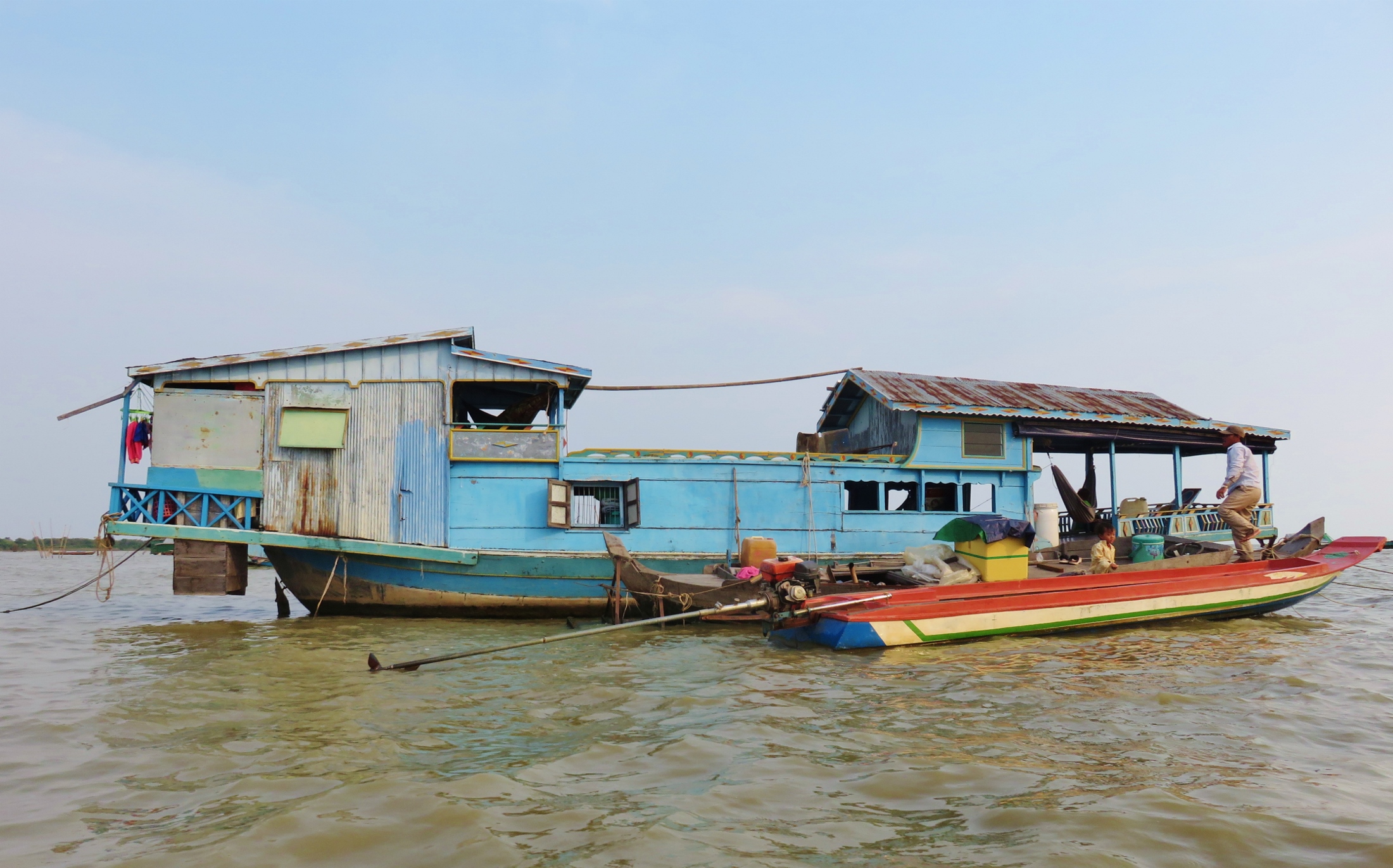
Kampong Khleang is the largest village in Tonlé Sap lake, a massive water body that stretchs almost from Phnom Penh to Siem Reap, in Cambodian. Its natural cycles shape the whole Khmer culture and society. Not only provides the direct livelihood for thousands of people, is also the main source of protein in the country’s diet. Its fed by the Tonlé Sap river during the rainy season (with water coming from the Mekong, in a confluence between the two rivers located in the capital Phnom Penh) and the water flow reverses during dry season, making the lake providing the water that shapes the Tonlé Sap river all the way until the Mekong, and consequently from there to the Vietnamese Delta towards the sea.
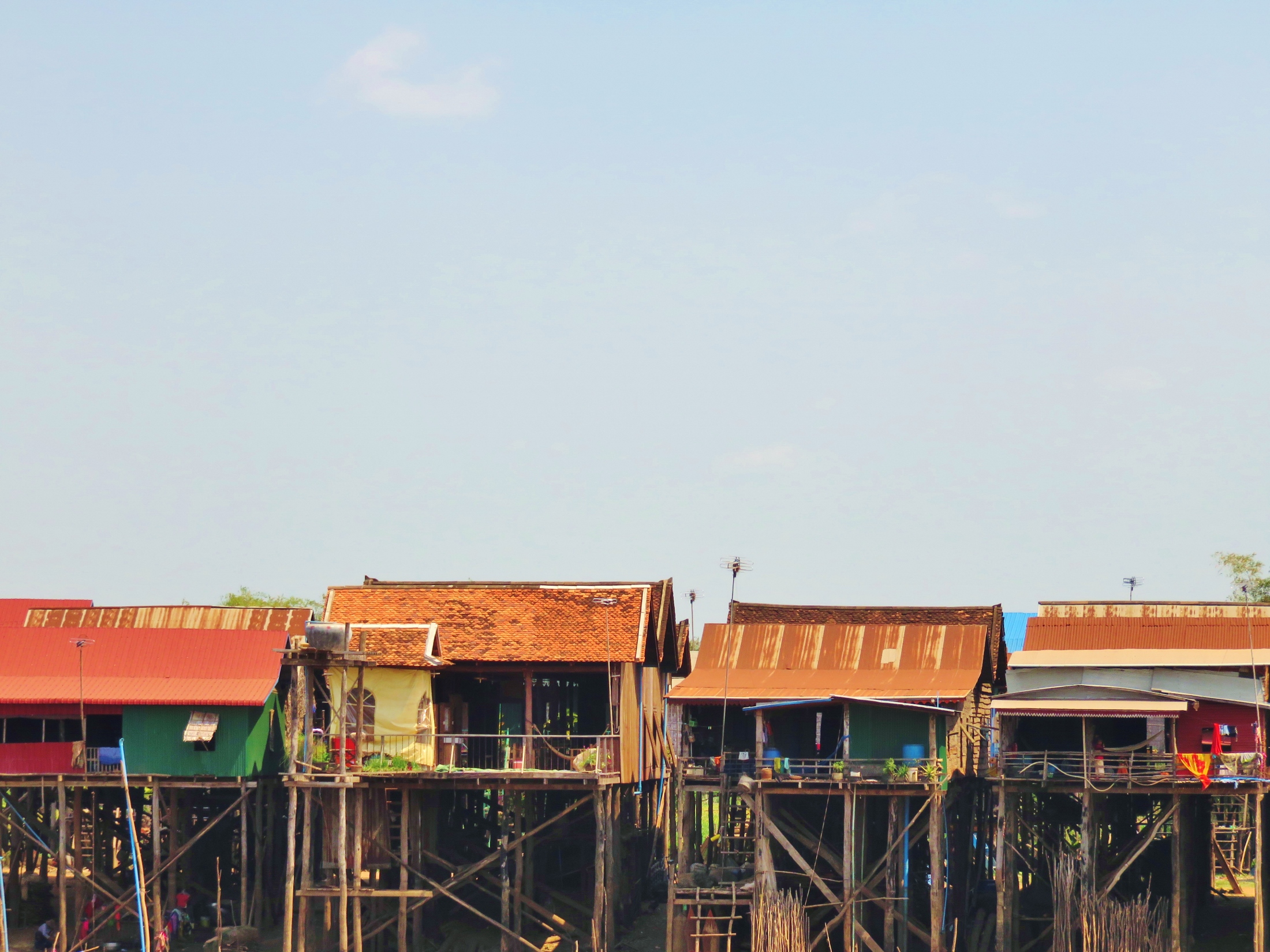
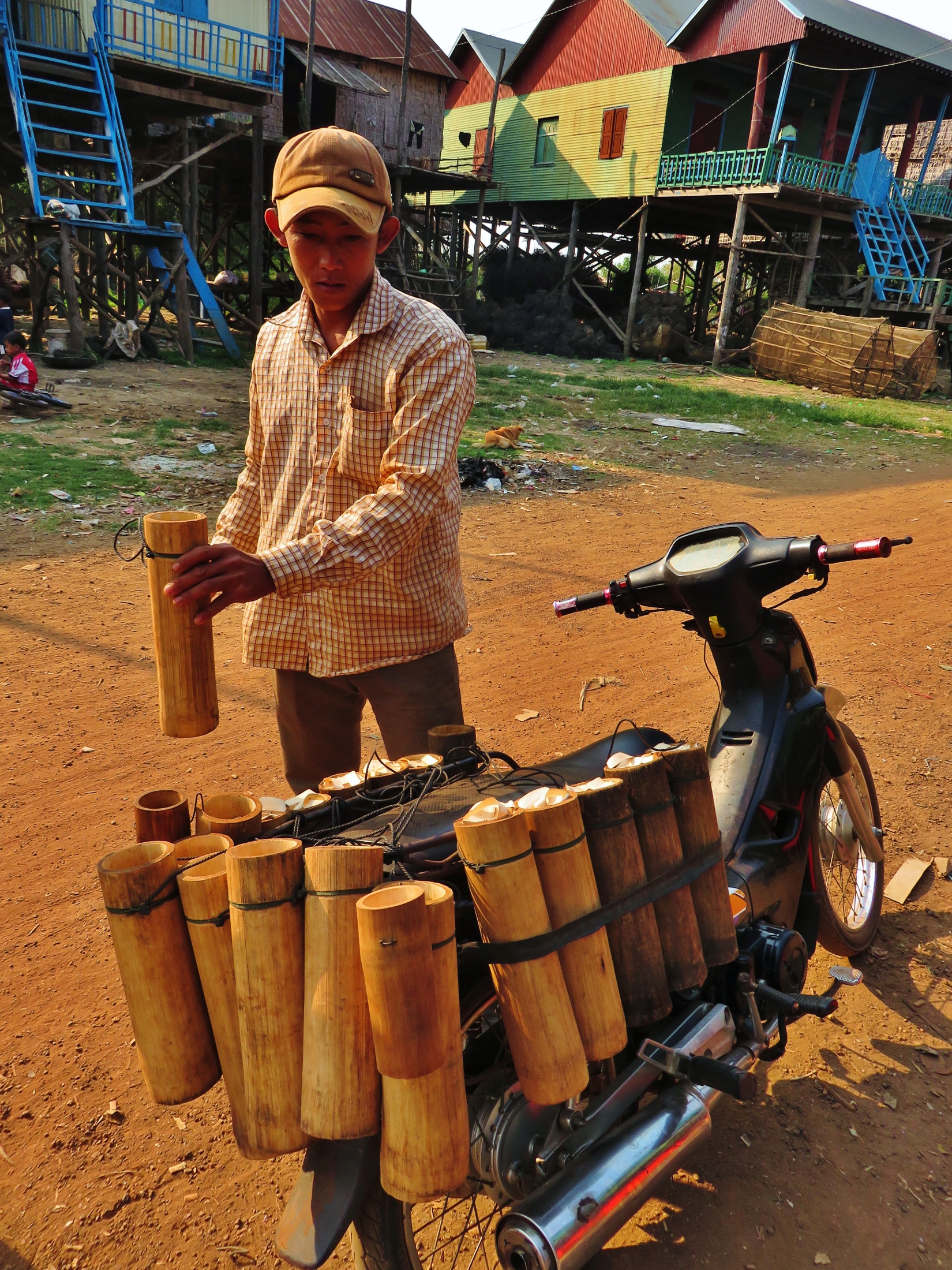
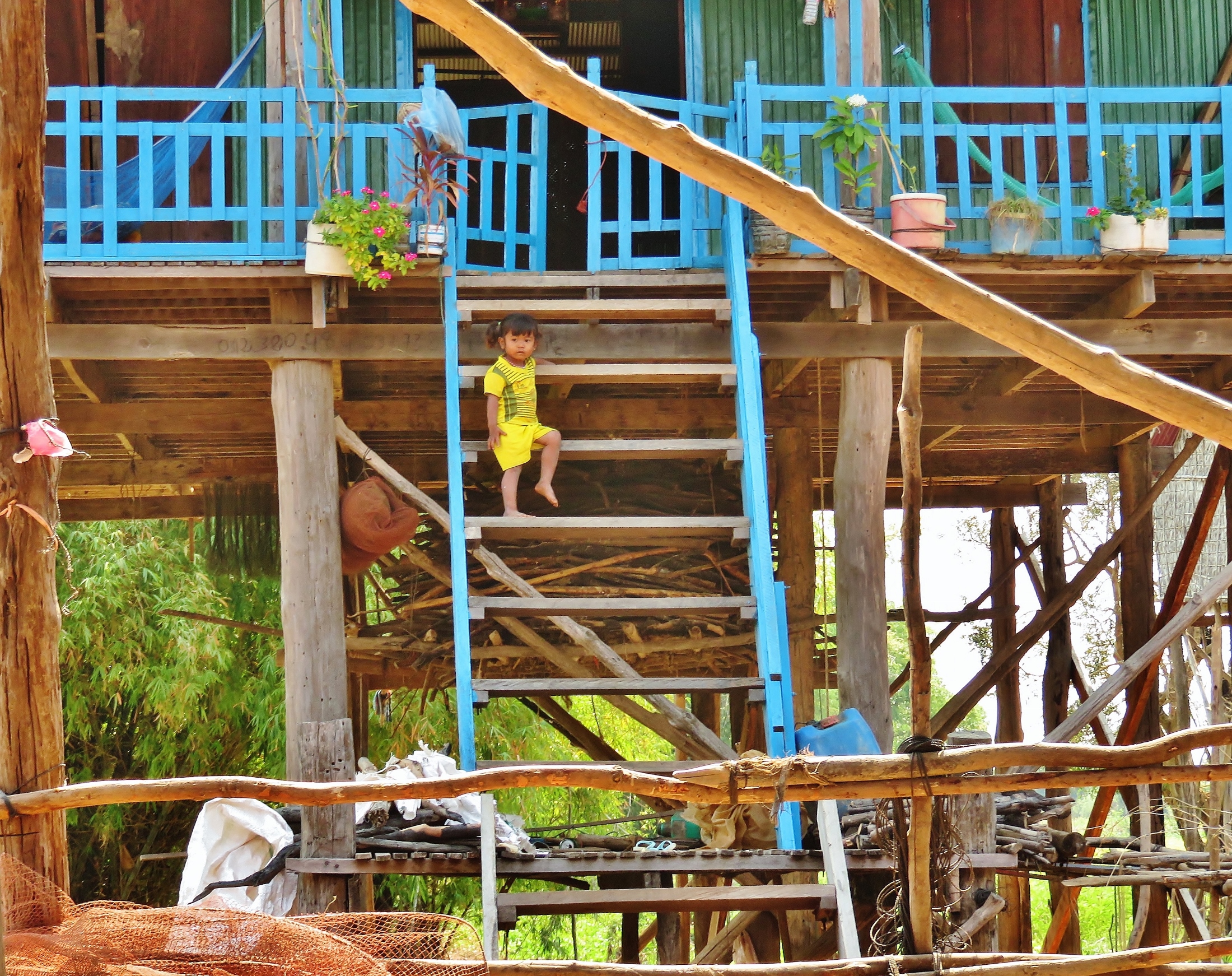
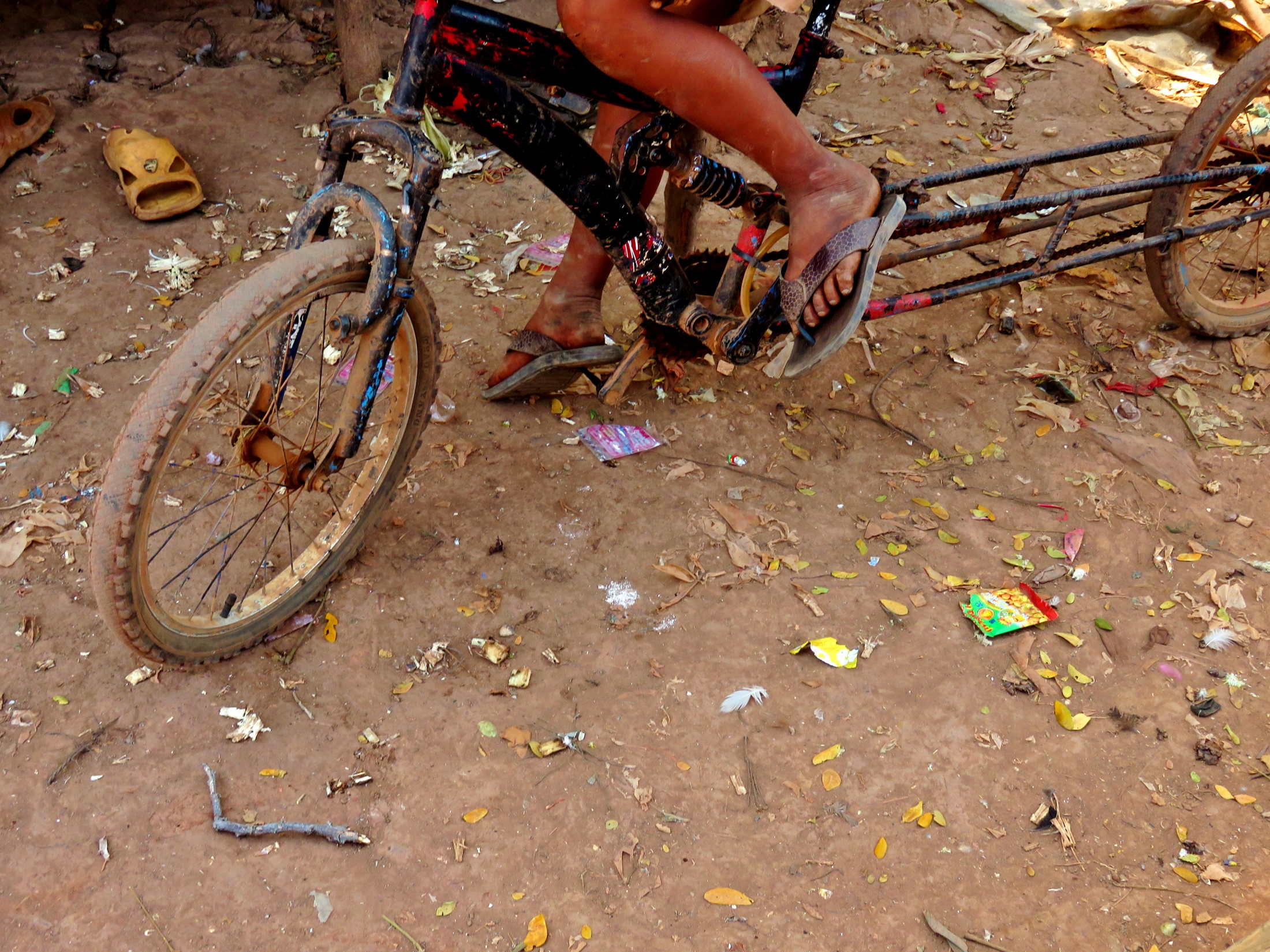
Among this dynamic environment lives a population that have their existences merging with the lake. Their houses are made of wood and on top of high stilts, often reaching more than 10 meters. They are mainly fishermen and provide the food for the whole region. Thousands of wooden poles elevate the whole village in order to protect them from the water, being boats the main vehicle of transportation in their daily lives. Geometries touched by the red-brownish dust and golden sunset by the lake. A human-made forest that composes an unique landscape attracting more and more tourists from the nearby famous town of Siem Reap.
Nevertheless, the water goes on, and with her, the lives of all these people.

(more to come)
 miguel jeronimo photography

