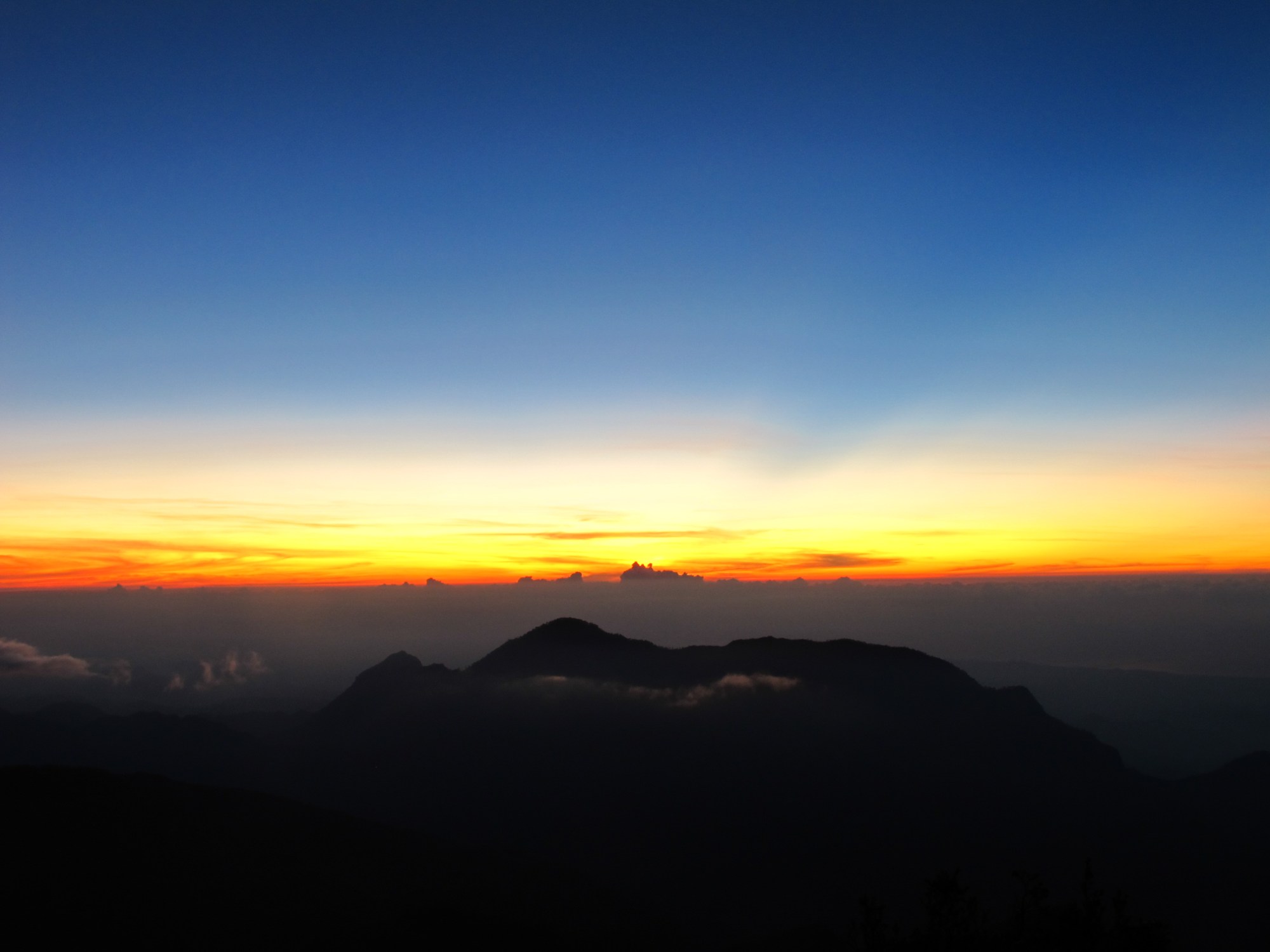
East Timor (Timor Lorosae or Timor Leste, in the official languages of tetum and portuguese) is known as the land of the rising sun.
In the east of the east, in the edge of the new; it’s a country looking to find itself and grow towards maturity.
It’s one of the youngest nations in the world after 450 years of colonialization by the portuguese, a japanese invasion during second world war and twenty four years of brutal occupation from Indonesia, an occupation that ended only in 1999 and resulted in an estimated number of deaths between 90.800 and 202.600 (in a population of around 820.000 at the time of the independence), the displacement of almost 75% of the population and the destruction of 70% of the country’s infrastructure.
A land of contrasts and opposite forces, the old and the new, the poor and the rich, the nature and the development.
Beyond that exists an enormeous hope for the future and a willingness to overcome the past, without forgeting the resilient and rebel attitude that made its people to endure the occupation of the giant country that surrounds this tiny island.
This is a small overview of this beautiful and courageous country.
~
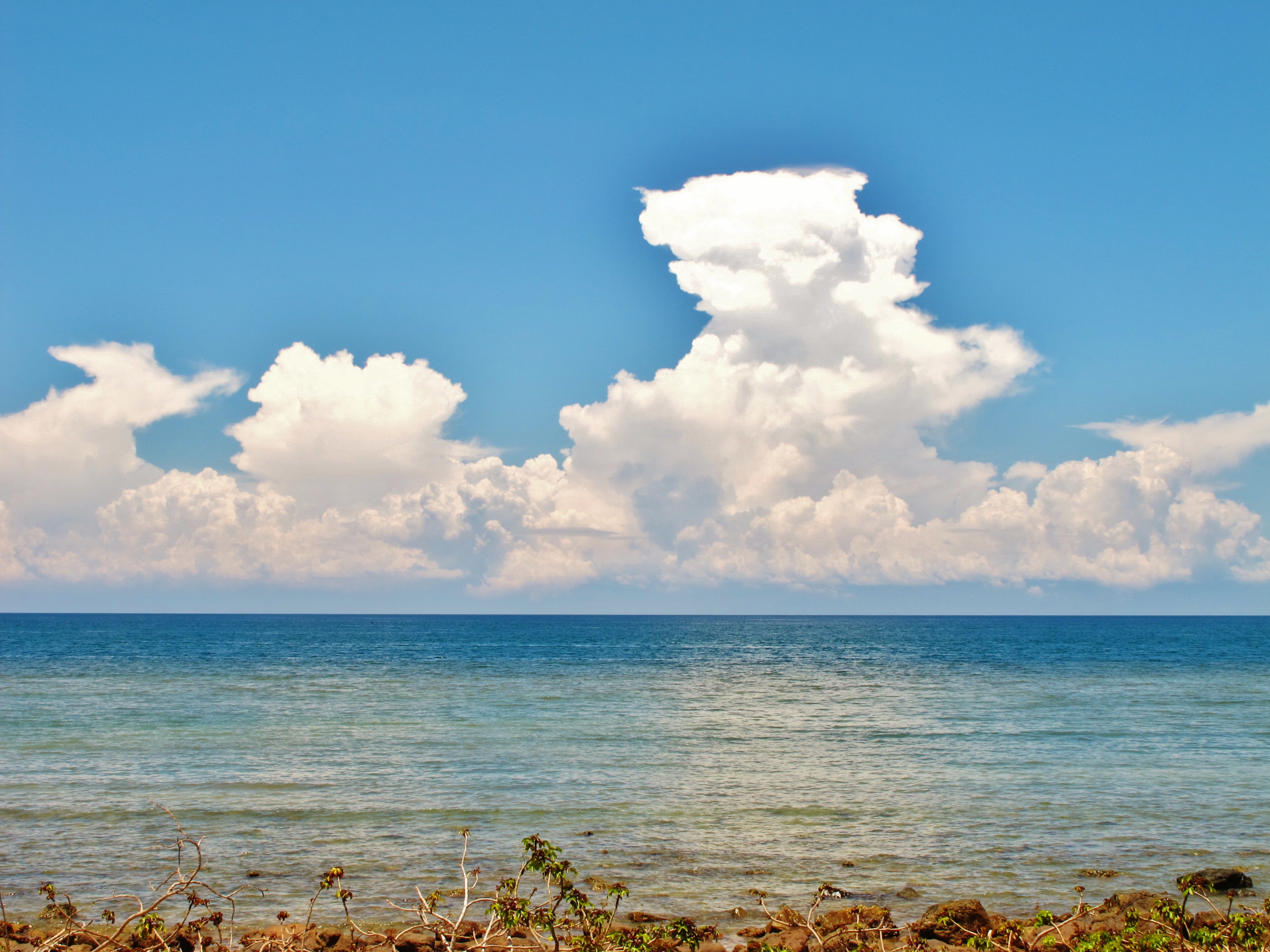
Sea landscape from Liquiça district, welcoming the visitors that came from indonesian border before they arrive to Dili, the country’s capital.
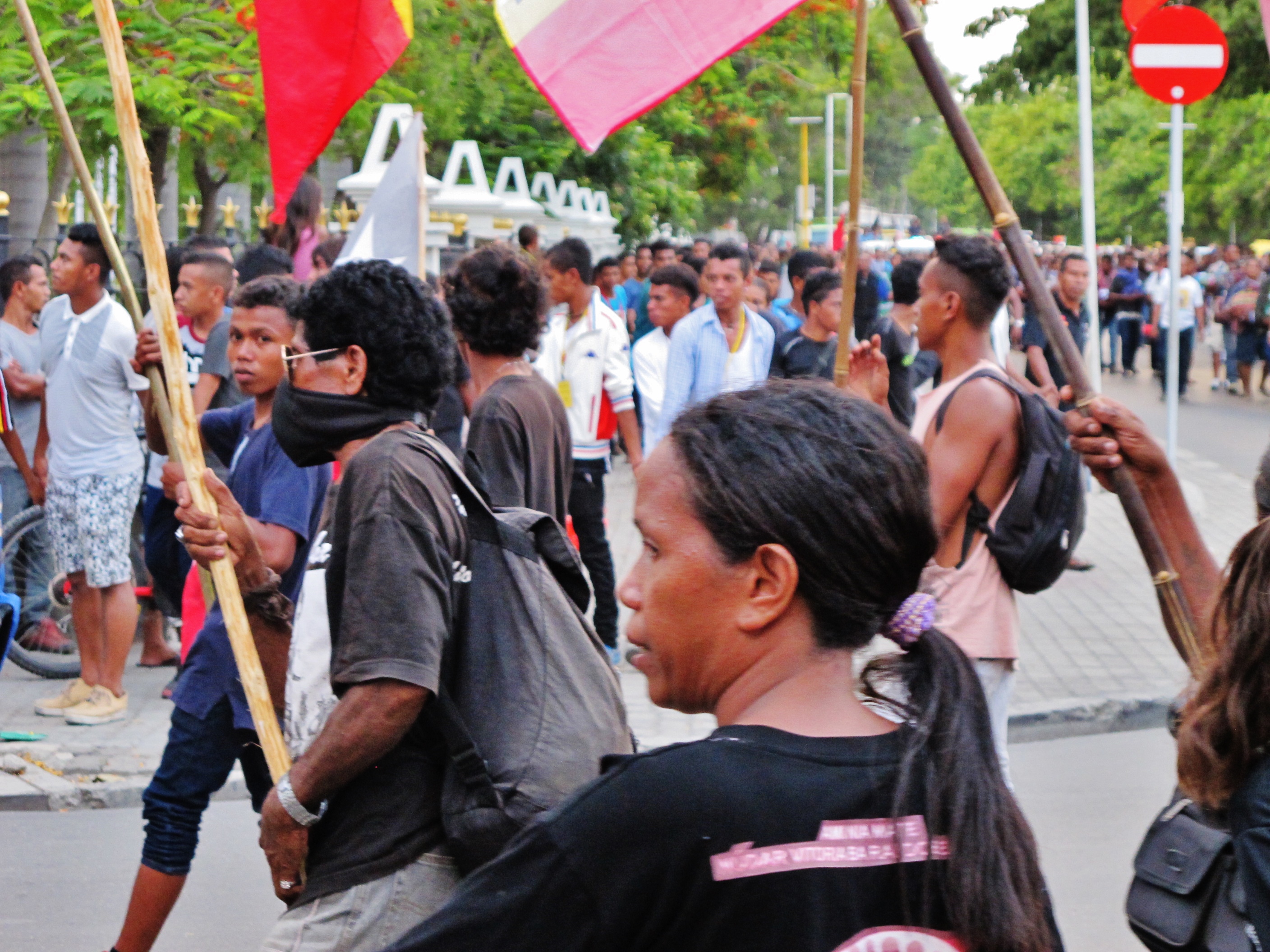
March in Dili supported by Fretilin (a political party that emerged from the resistance movement against the indonesian occupation) and Falintil (the military branch of the resistance movement).
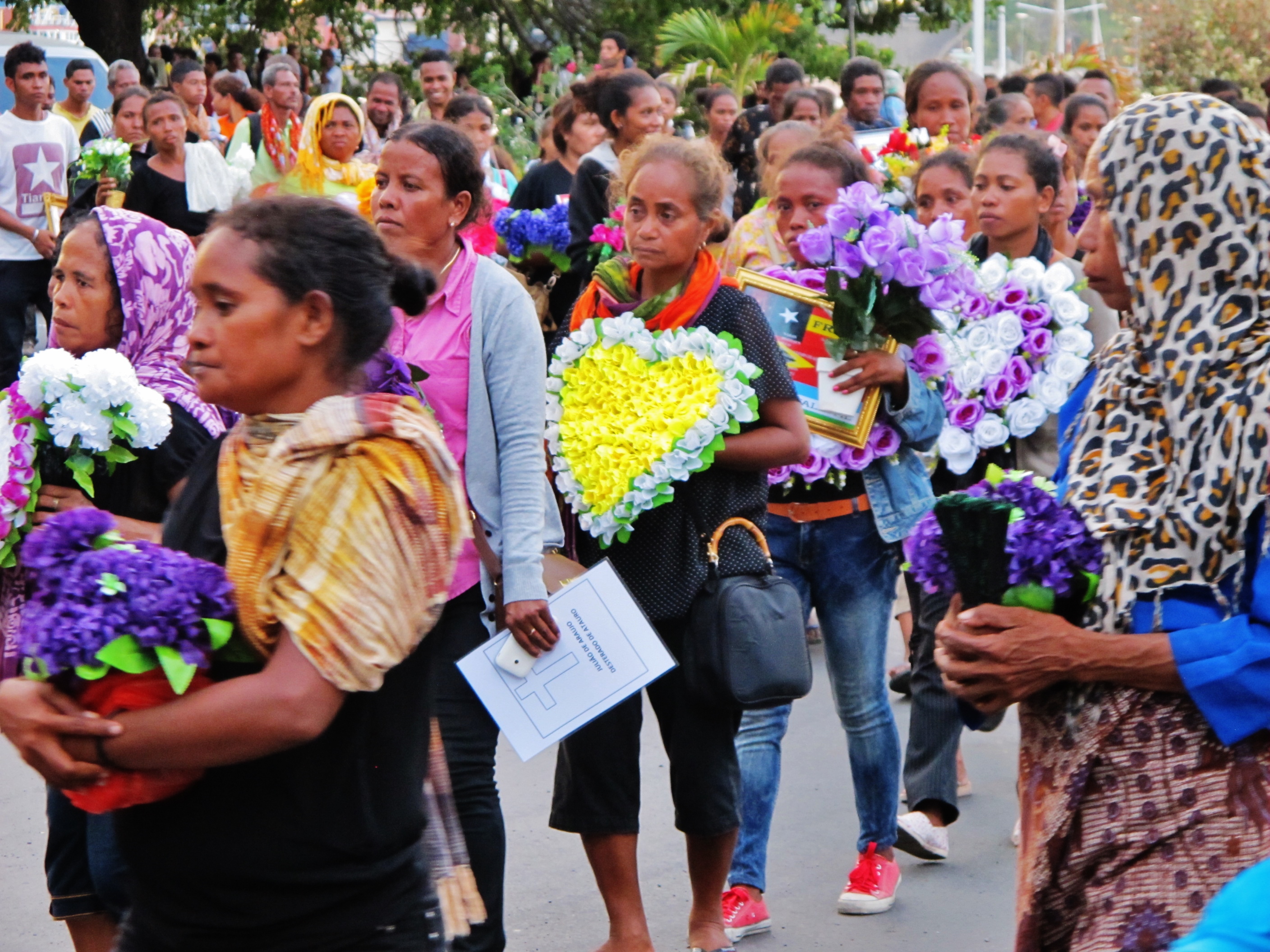
Contemporary culture in Timor: the external influence offered modernity to the new generation (e.g. more freedom and gender equality) while the country still deals with old time issues such as domestic violence, a practice still considered socially acceptable with an estimation of 40% of women over 15 years old being victim of physical violence and 34% of married women having reported abuses from their husbands.
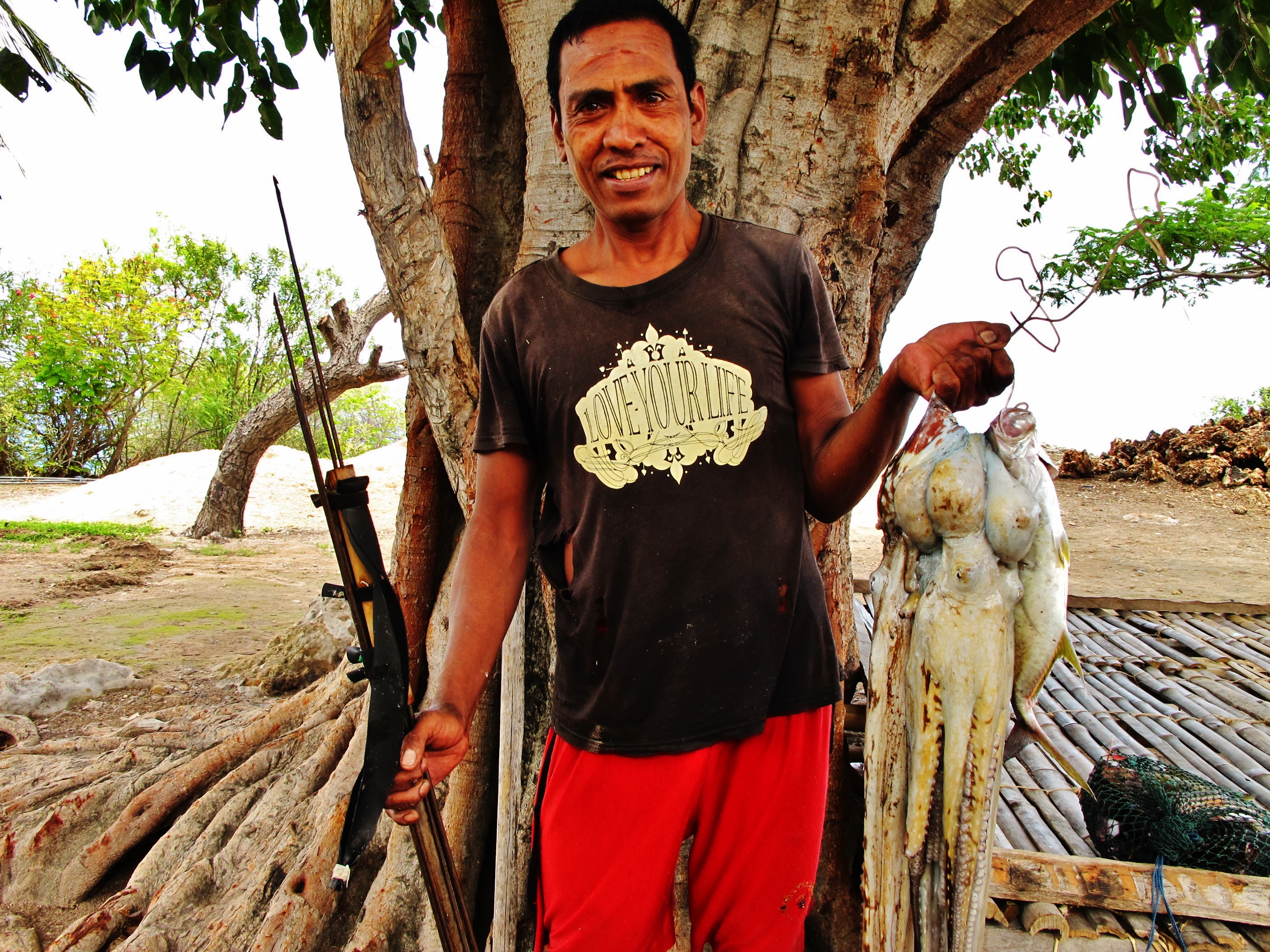
Local fisherman from Baucau, proudly showing the octopuses that result from a morning of underwater fishing.
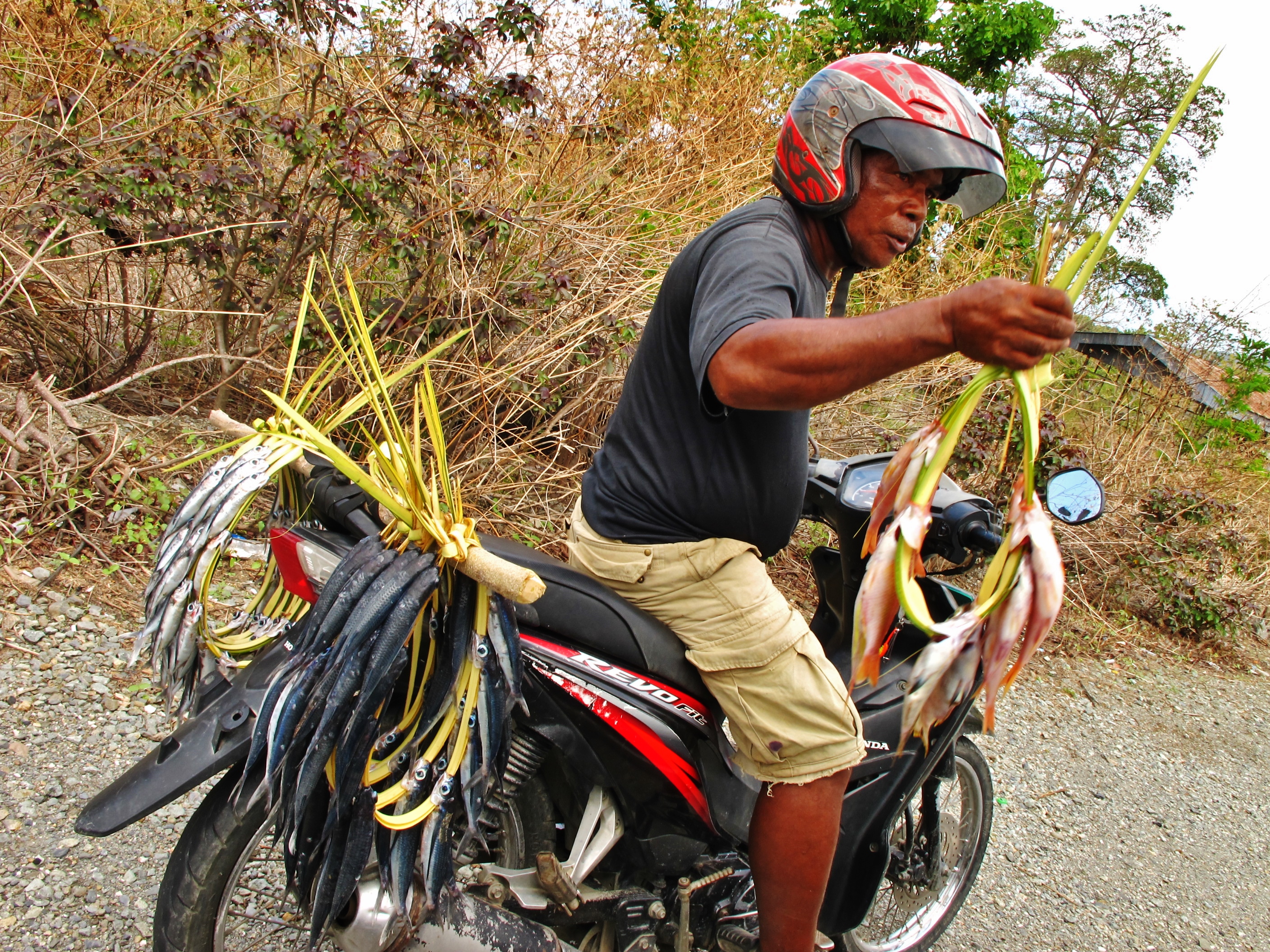
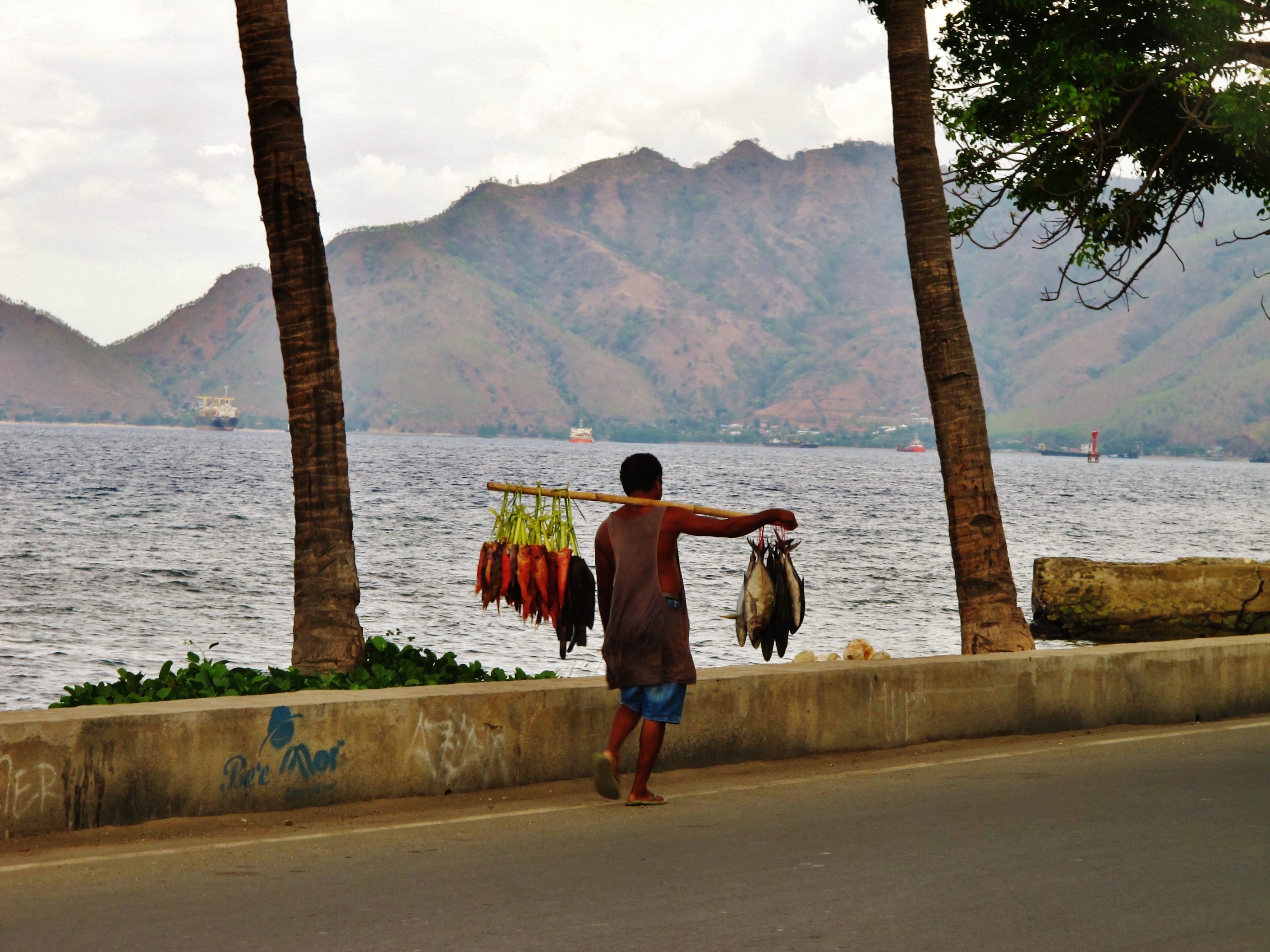
Being fishing one of the main livelihoods of the local population, street sellers are ubiquous on the side of any road in Dili.
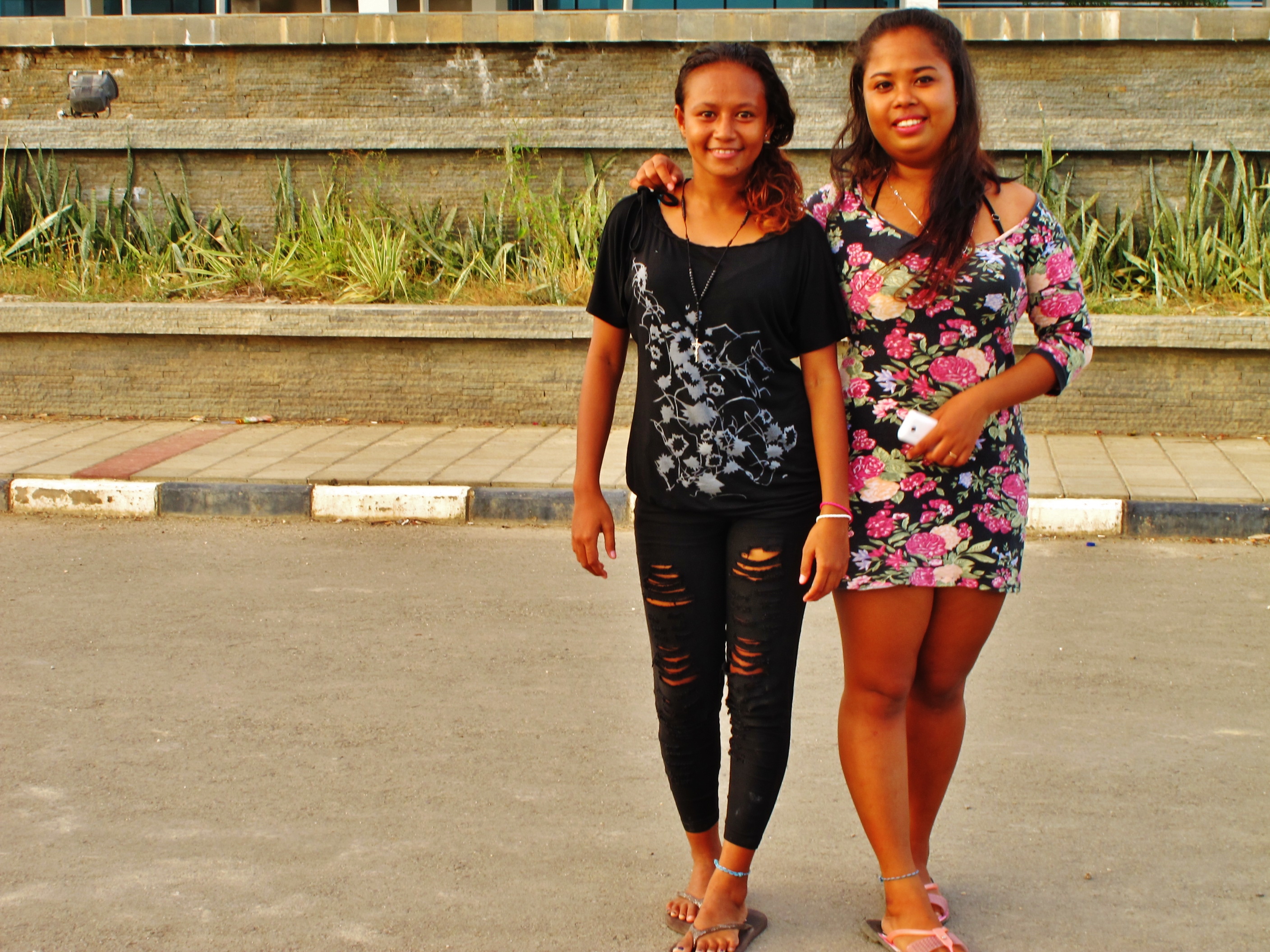
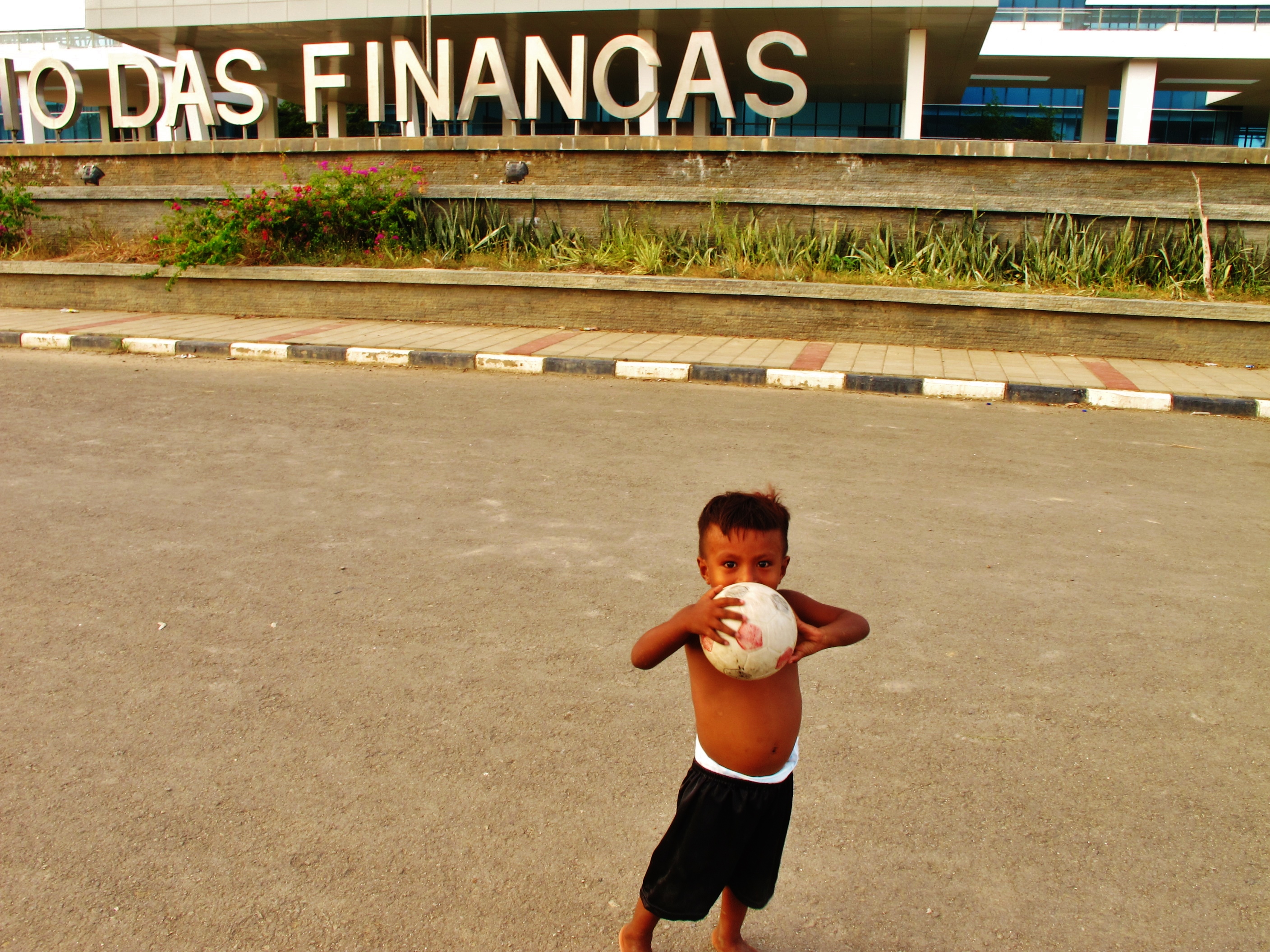
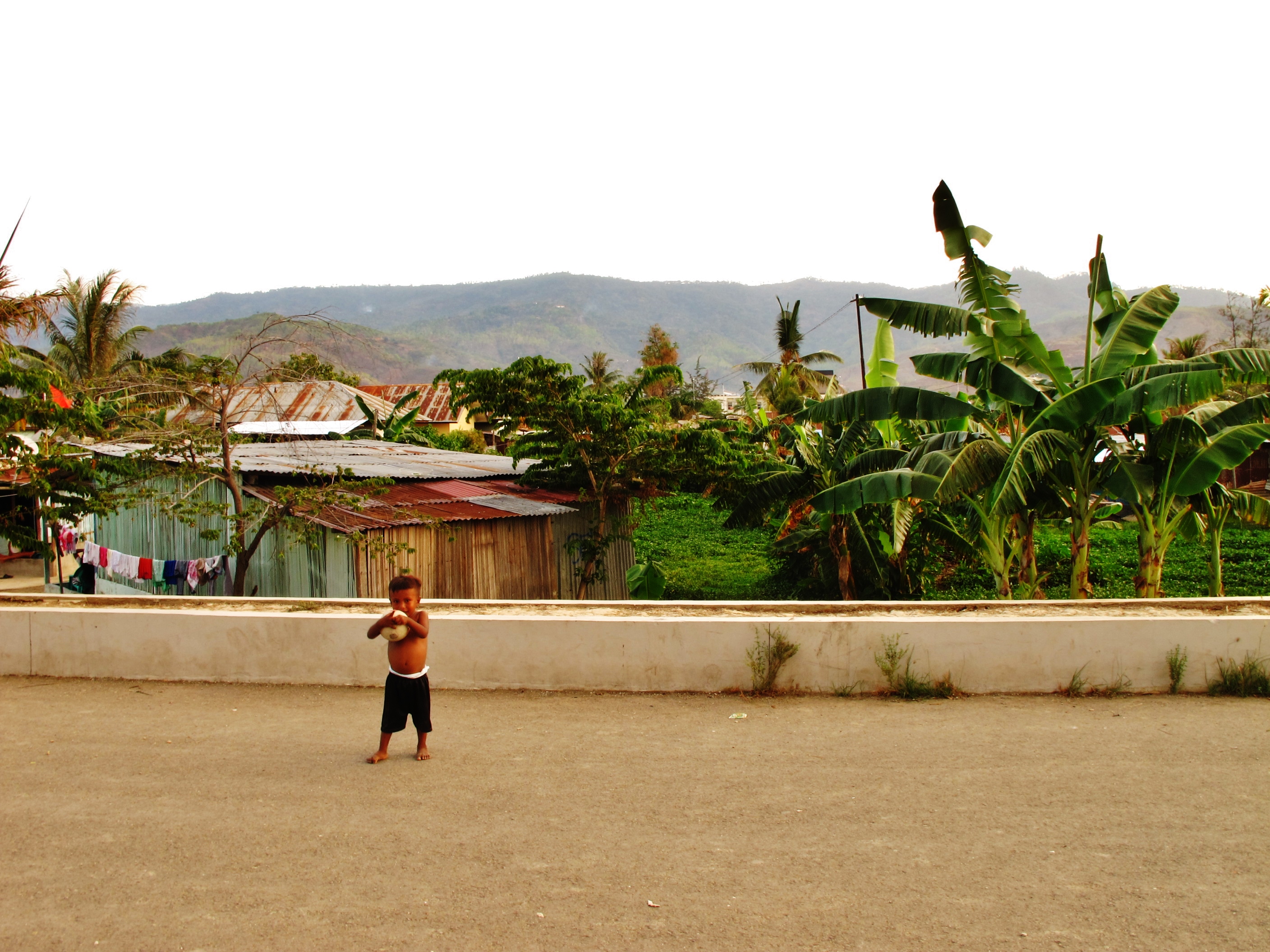
Gap between people and the government and its elites: a local kid poses in front of the future building of the ministry of finance (a modern-looking and expensive building waiting to be finished for ages) and in the opposite side of the street where a slum cohabits with the future government building.
With an oil-based economy and a GBP growing on average 6.61% in the period between 2001 and 2014, the country faces great challenges in order to extend its grow to all the population, in addition to the issues generated by this fast development (waste management, infrastructure, environmental protection, etc).
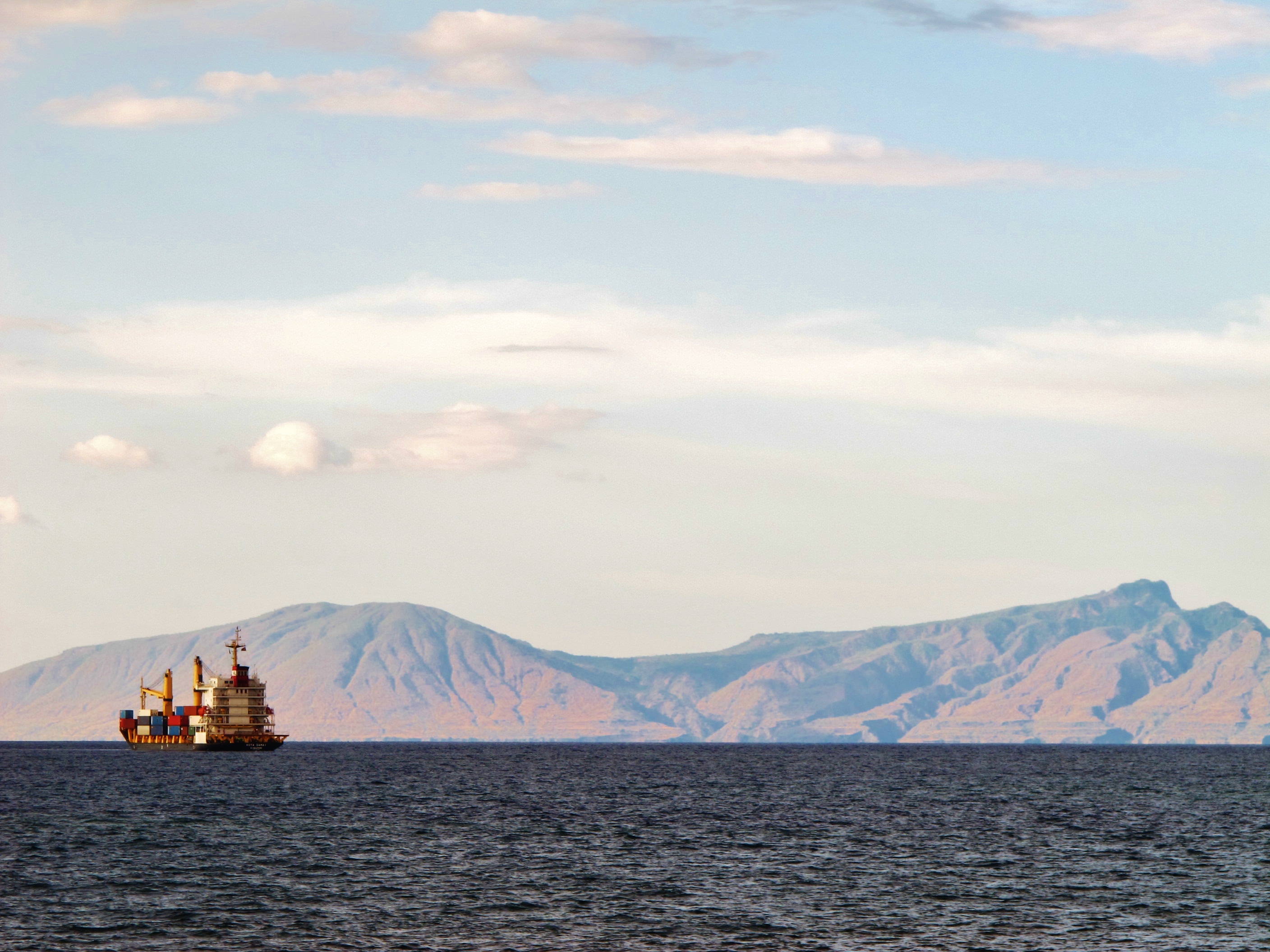
One of the areas that will struggle in the next years with this new development will be the idyllic island of Atauro, with its pristine nature and beaches being at risk with the government decision of establish there a special economic zone for casino and mass tourism.
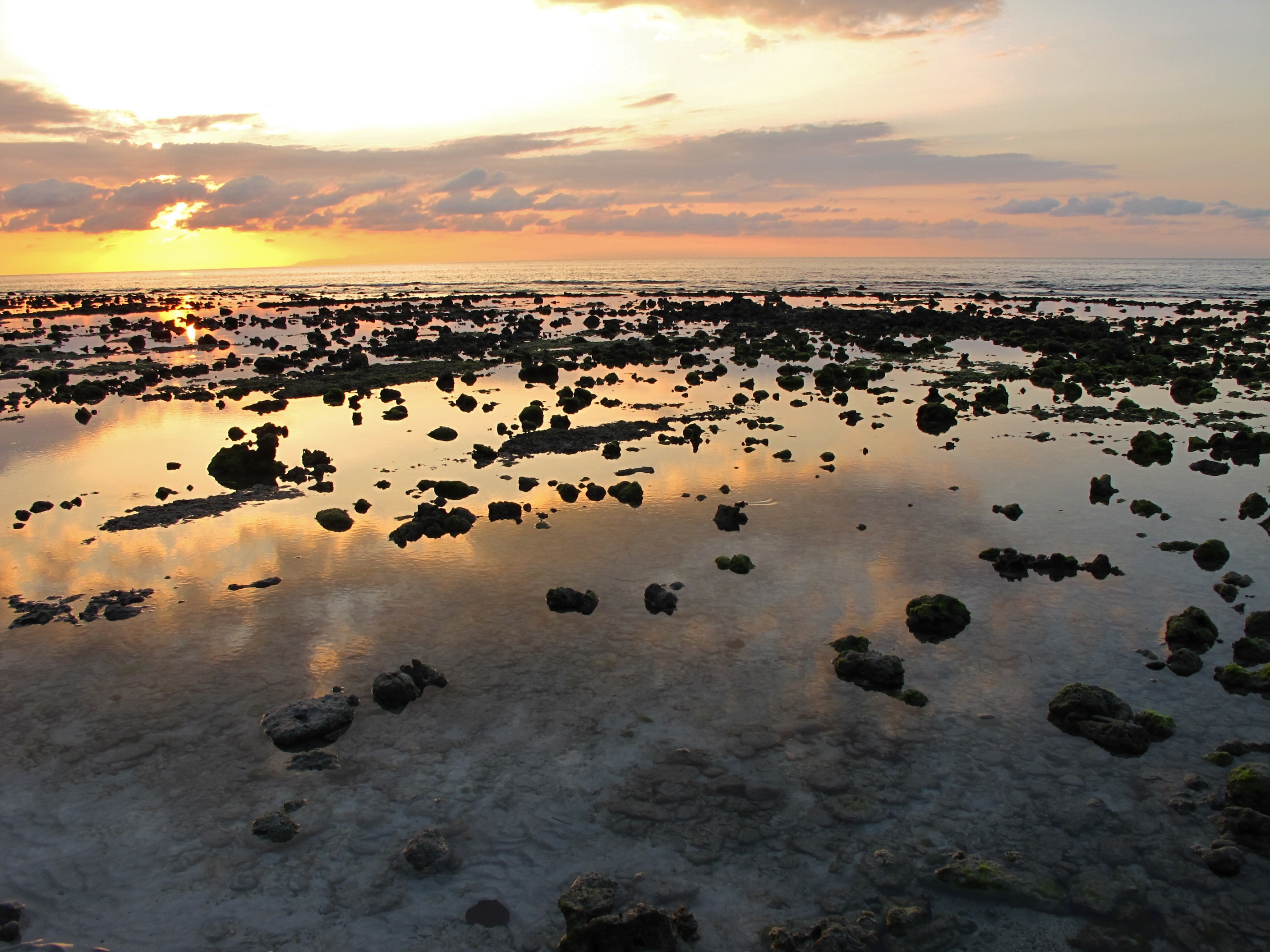
On the other hand, a wide range of non-governmental organizations are commited to a sustainable development and ecotourism practices.
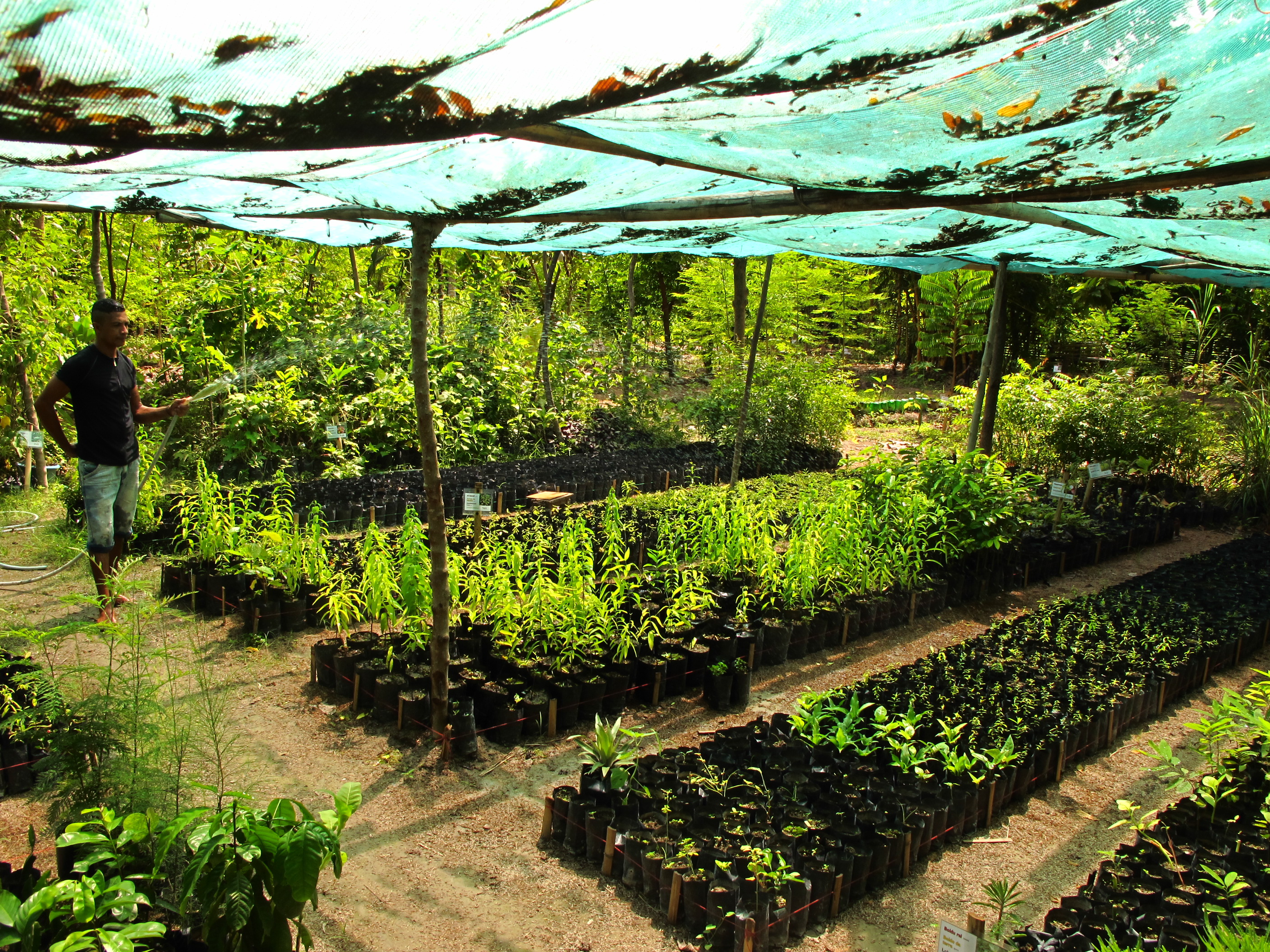
For instance NaTerra with its permaculture farm and nursery (with a surprisingly wide variety of fruit trees, medicinal plants and vegetables), focused on raising awareness about organic agriculture through education and capacity building, donation of fruit trees and other plants to the local community, kitchen garden workshops in schools and advocacy of the use of moringa powder (made with the highly nutritious leaves of a local tree) as a tool to fight malnutrition among timorese children.
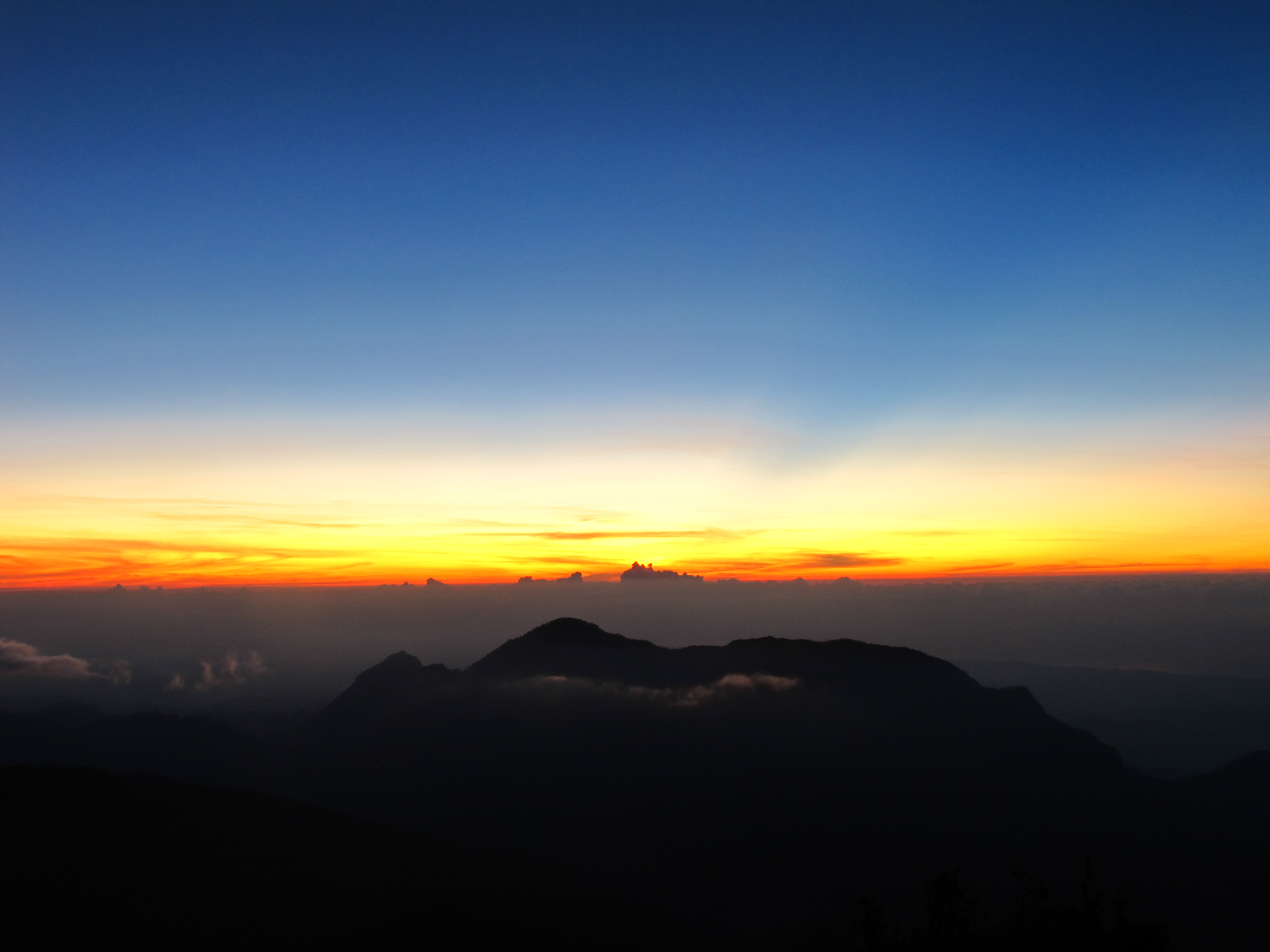
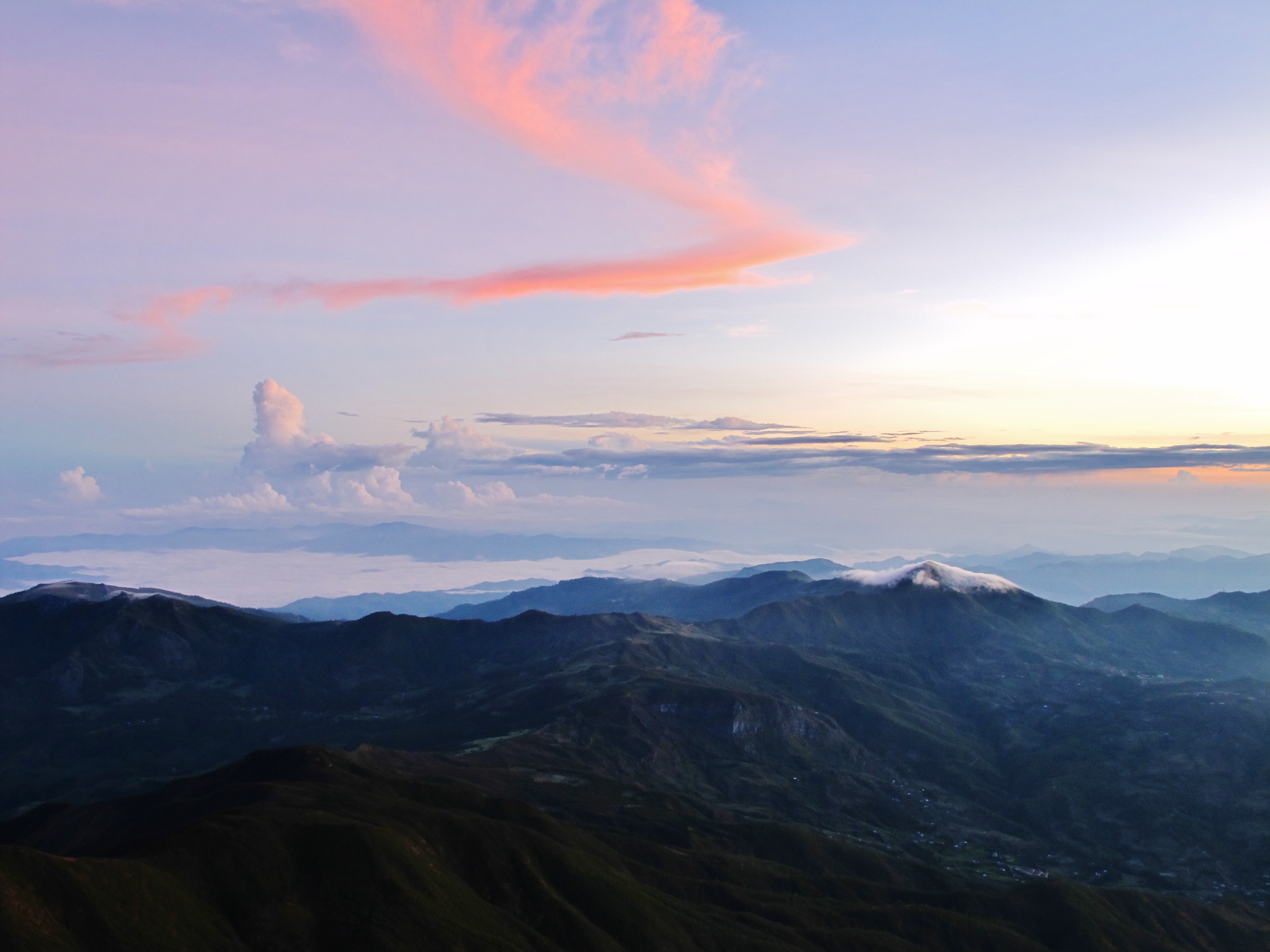
Sunrise above the clouds and views surrounding Mt. Ramelau: besides the beauty of the Atauro island, other natural wonder of East Timor is Mount Ramelau, its highest mountain (2986m) right in the center of the island.
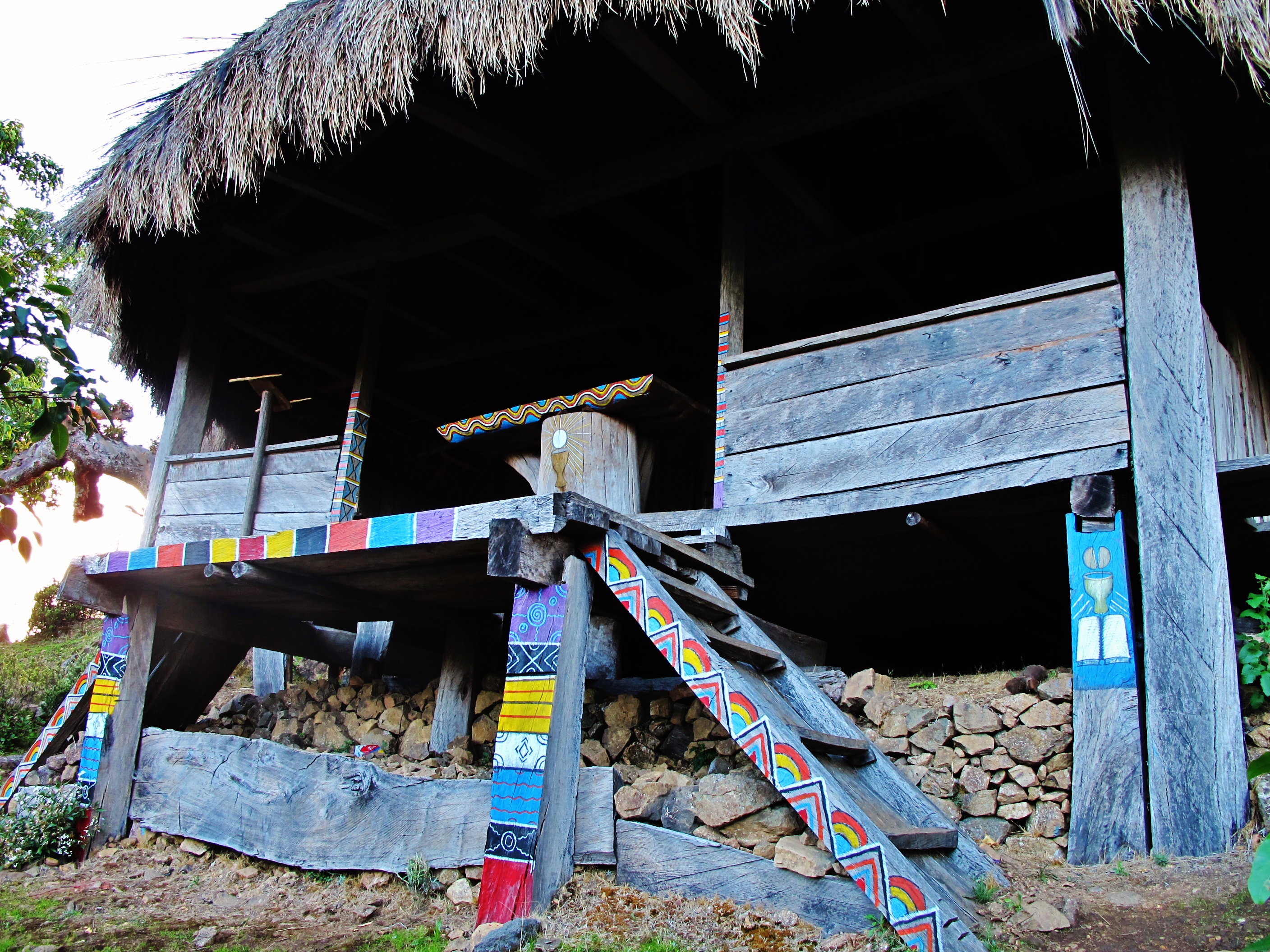
Church at the top of Mt. Ramelau, an important pilgrimage site for timorese people. Most of the people in the island are devoted catholic (with the exception of Atauro island where the majority are protestant), but their religion always go hand in hand with the local ancient beliefs and traditions. 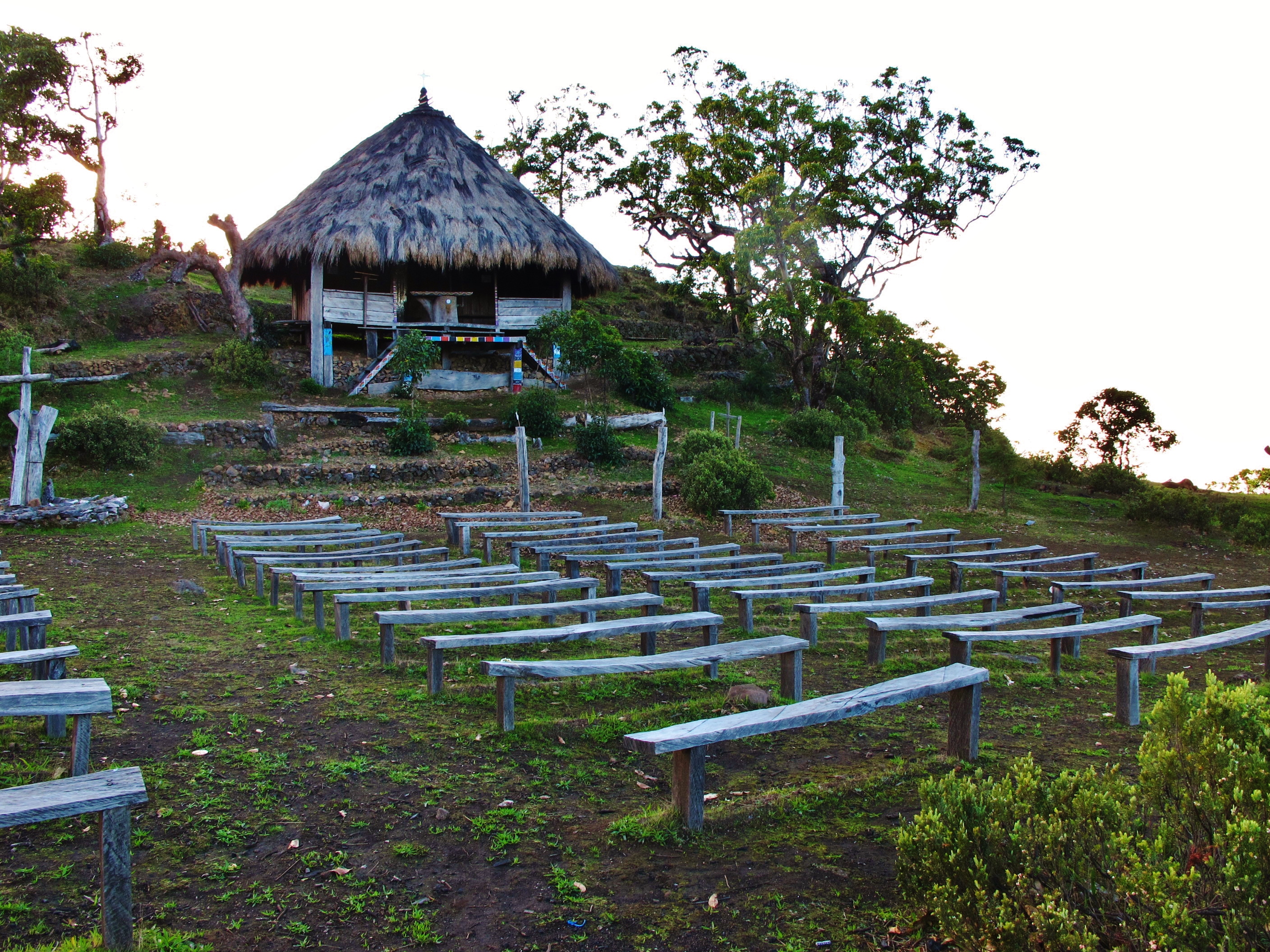
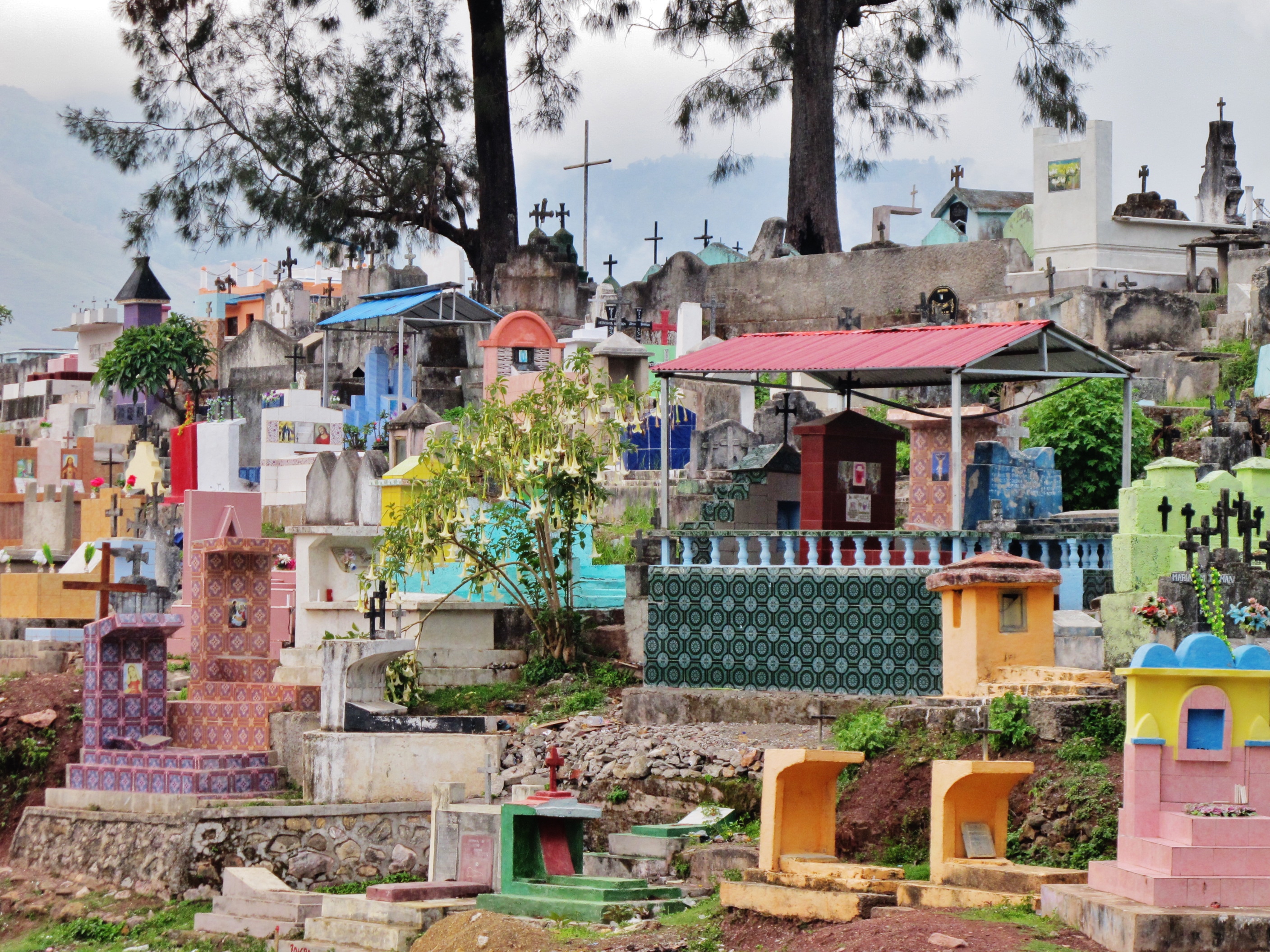
For instance they buried the bodies of the dead relatives in catholic cemiteries but believe the spirits live in sacred houses built near their homes.
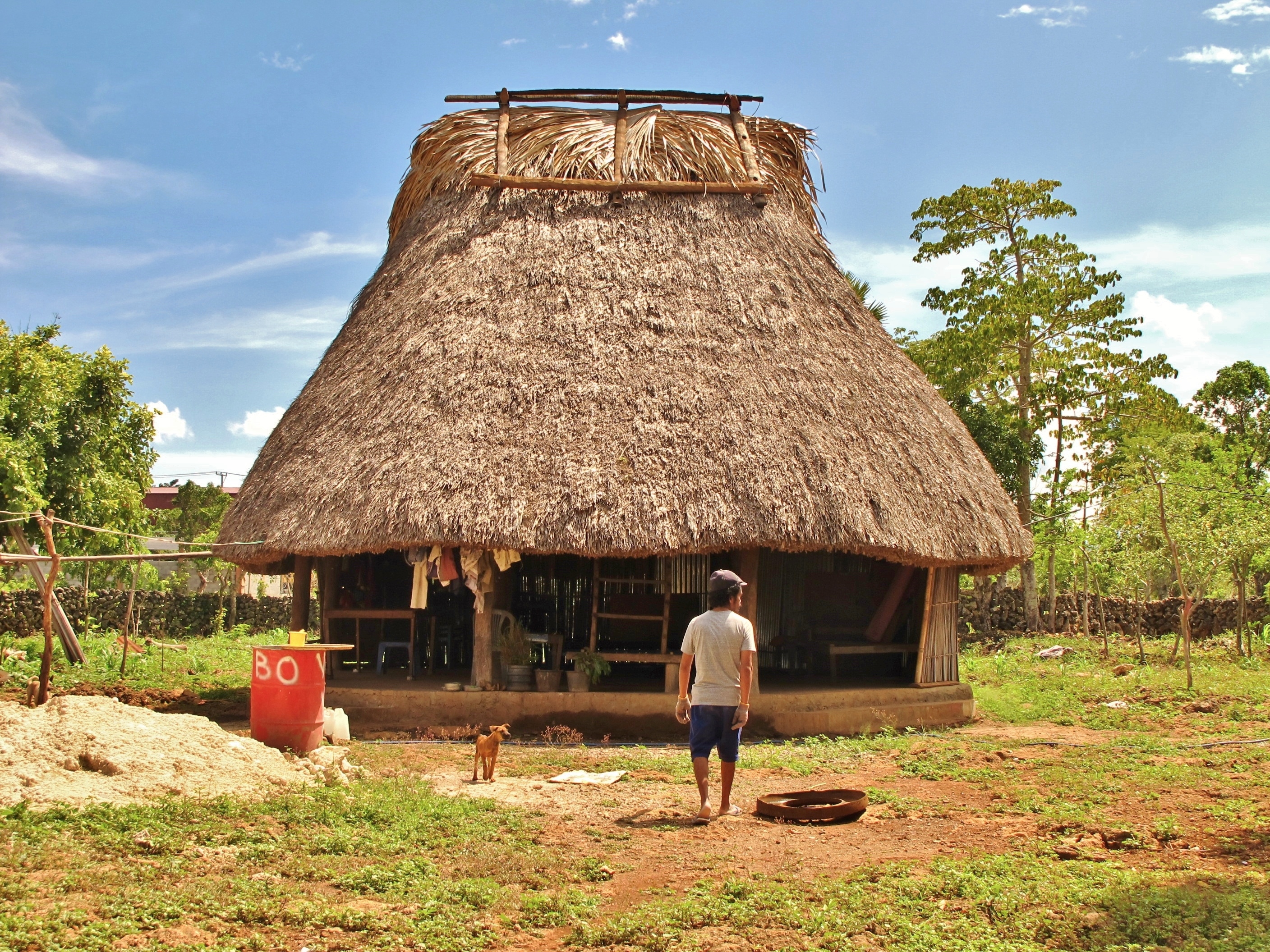
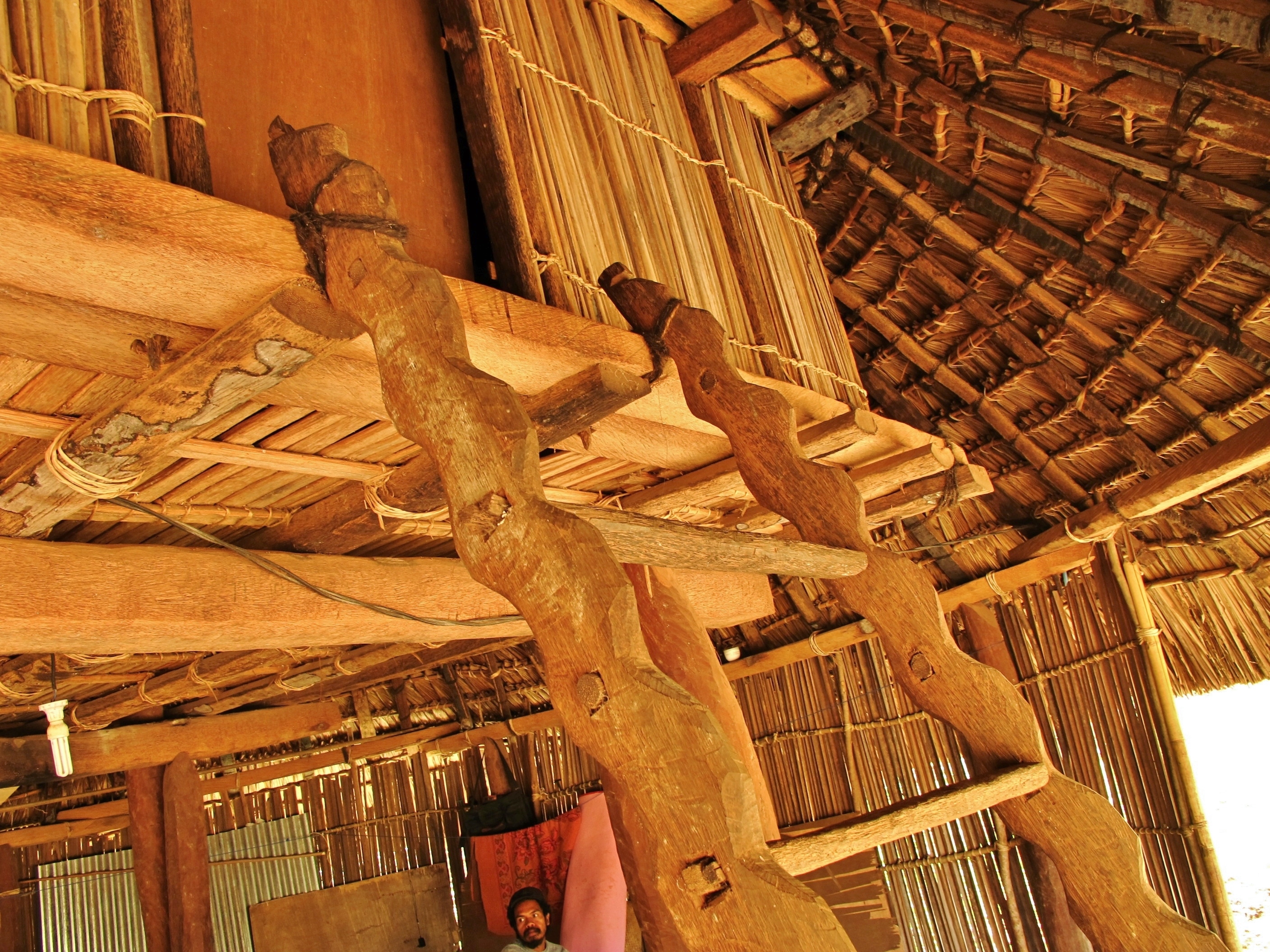
A local man near Baucau showing his family’s uma lulik, the sacred house where they believe their ancestor’s spirits live, divided by a ground floor for family gatherings and an upper floor for the ceremonies to be conducted for worshiping the spirits and comunicate with the dead relatives.
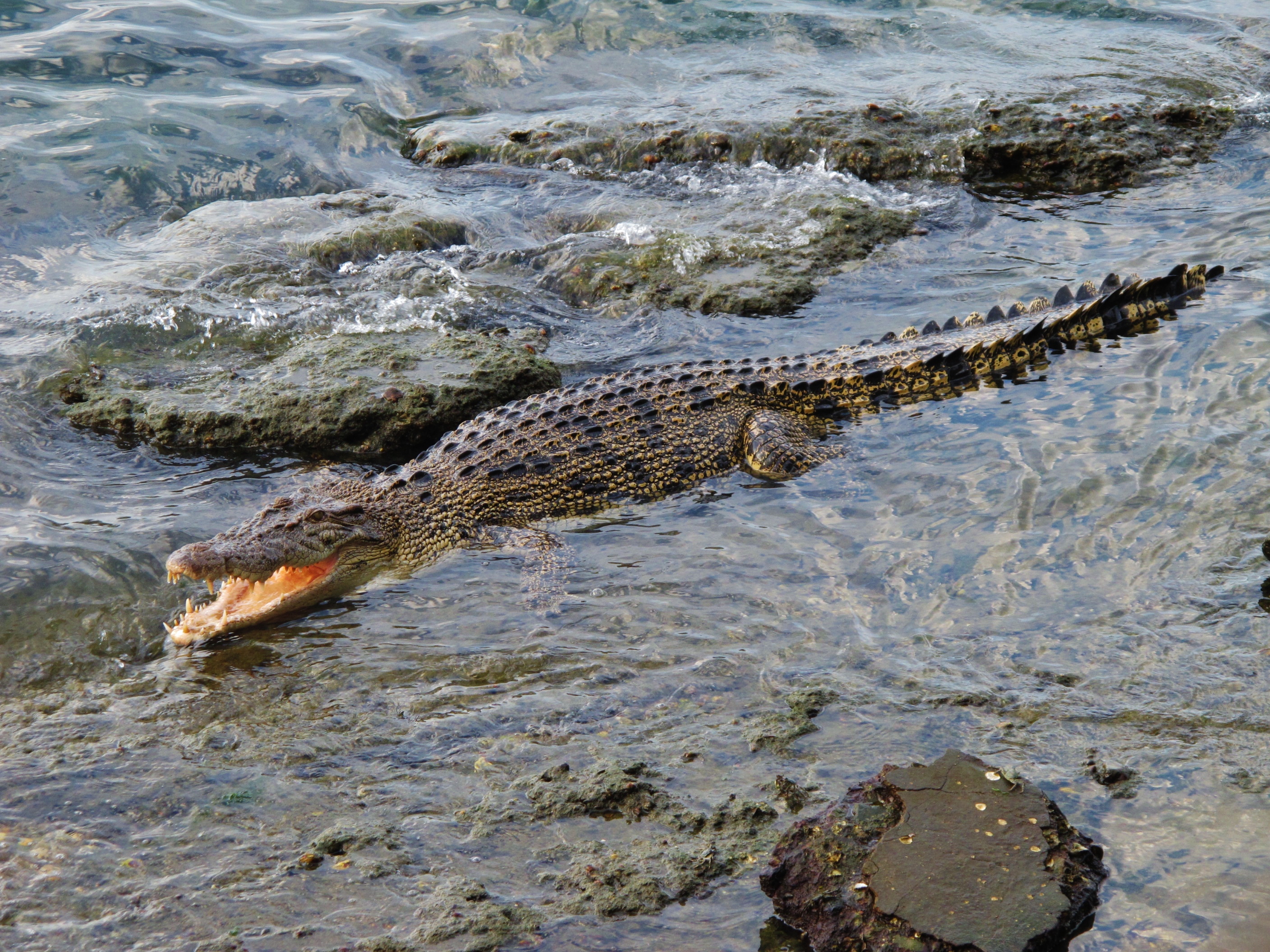
A crocodile at the seafront across the street from the governmental palace in Dili: another local belief is that crocodile, the national animal and commonly addressed as grandfather, is the founder of the country and responsible for the shape of its mountains (Timor mountainous scenery seen from Dili bay looks like the head and the back of a crocodile). People are not allowed to harm the animal and, more often than not, will buy chickens to give them any time they appear near the beach, or conducted spiritual rituals to clean the ‘sins’ of a family that had one of its members attacked by a crocodile. It’s the country’s symbol, a representation of the raw and natural beauty of its people and culture.
 miguel jeronimo photography