
The Khmer Rouge regime, led by Pol Pot as a radical agrarian-based communist state, is responsible for the genocide of an estimation of 1.5 million people, one fifth of the cambodian population of that time. Hunger, slave work and torture were the language of the regime. One place where this story of horror was more intense is Tuol Sleng in Phnom Penh, a former school turned into the Security Prison 21, a major torture site and execution center during the Khmer Rouge time and now converted in the Genocide Museum. Around 20.000 people were tortured and killed between its walls, with the added symbolism of this massive suffering being placed where before was a site for learning and education, with its class rooms being turned into prison cells and instruments for repression. Prisoners were forbidden to talk with each other, not given enough food and sometimes forced to eat faeces. They were tortured with electric shocks, hanging, suffocation techniques and waterboarding. Having their fingernails being pulled out while pouring alcohol on them was also common. With this treatment even the most innocent person confessed whatever the prison staff wanted.
The memory works as a tool for not repeating the errors of the past; but in contemporary cambodian society people don’t take so much time or effort to think about what happen in their recent past. One of the reasons it’s the fact that the generation that lived through the hell of Khmer Rouge regime is still alive, and not all of them were victims. In the present, people that were tortured or had all their family killed live side by side with people who were part of the state bureaucratic and violence machine of that time, with everyone using silence and the new worries of economic development as tools to not talk about what happen, to not bring again the sufferings and immense horror that this population went through.
But this kind of forgiveness has, of course, consequences in the present society. An authoritarian government, a population with lack of political involvement, a scarcity of democracy.
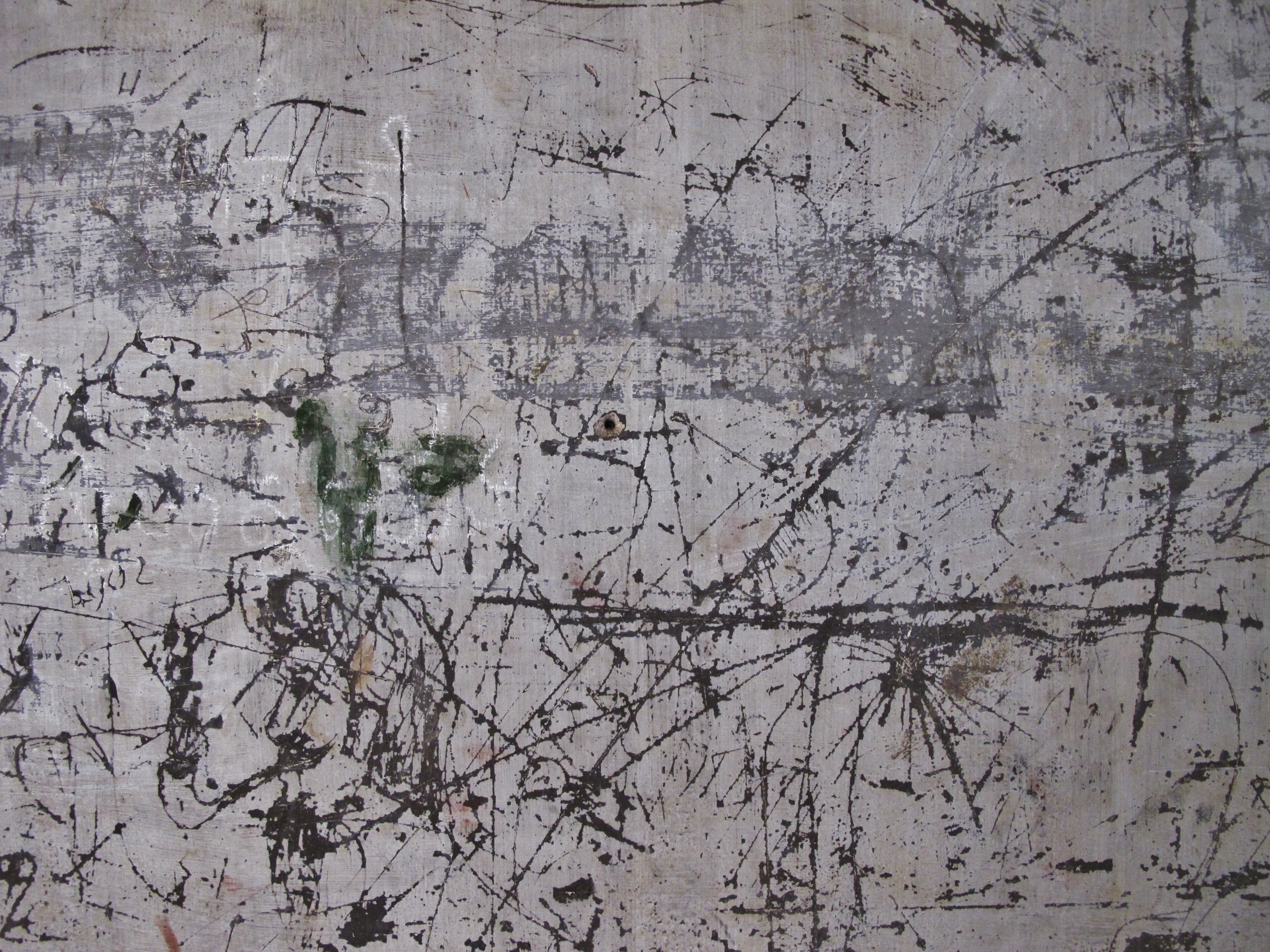
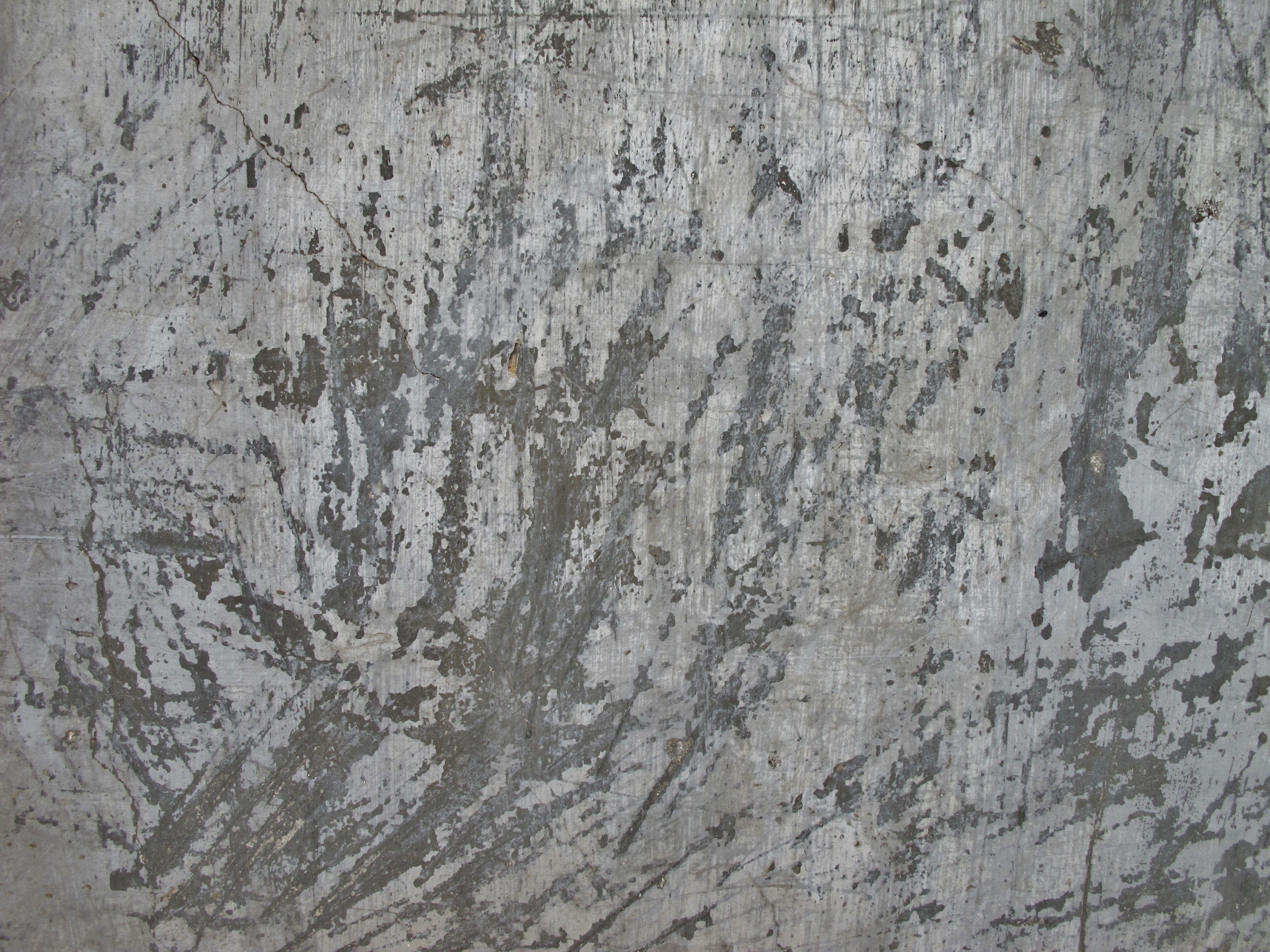
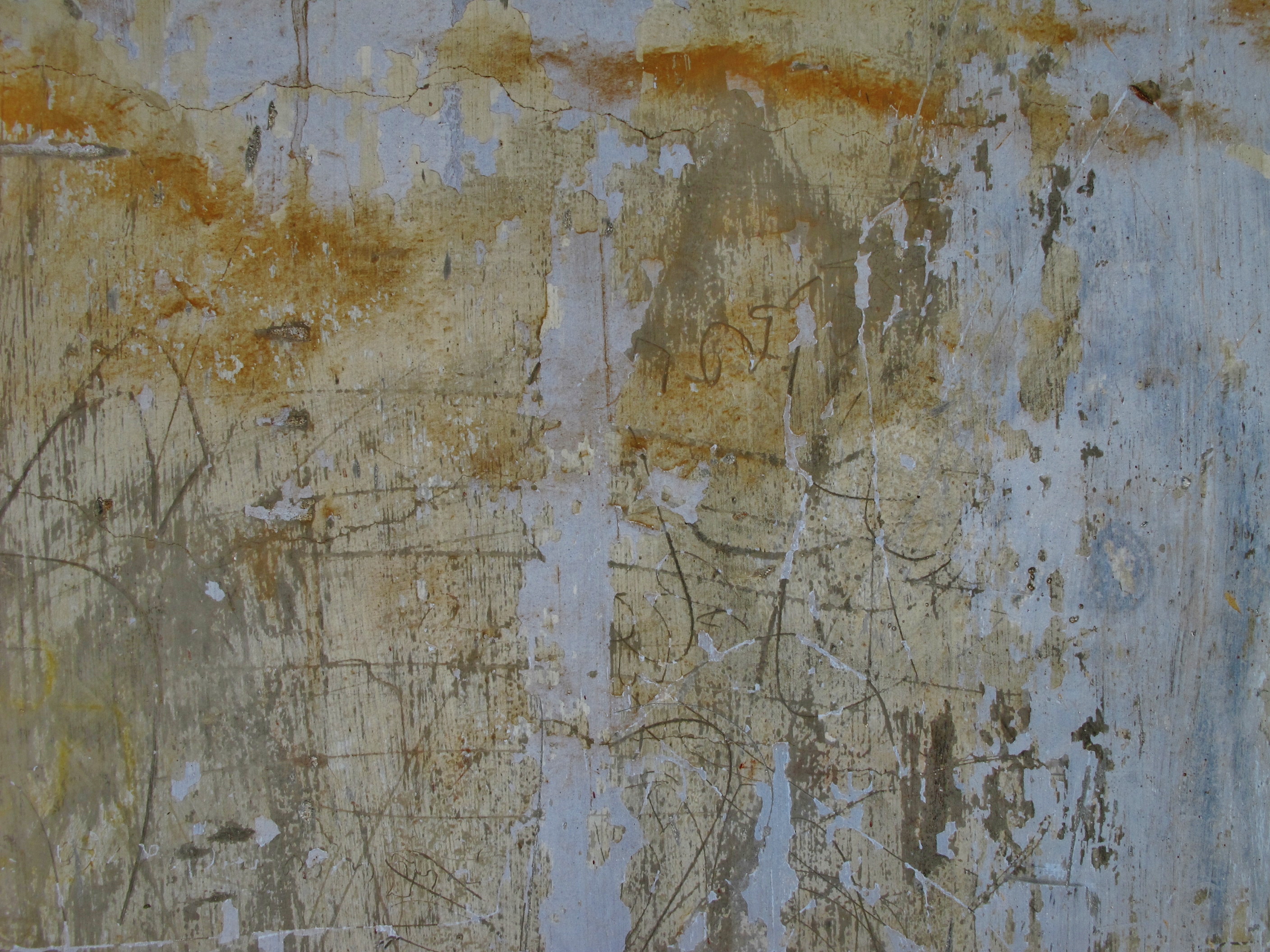
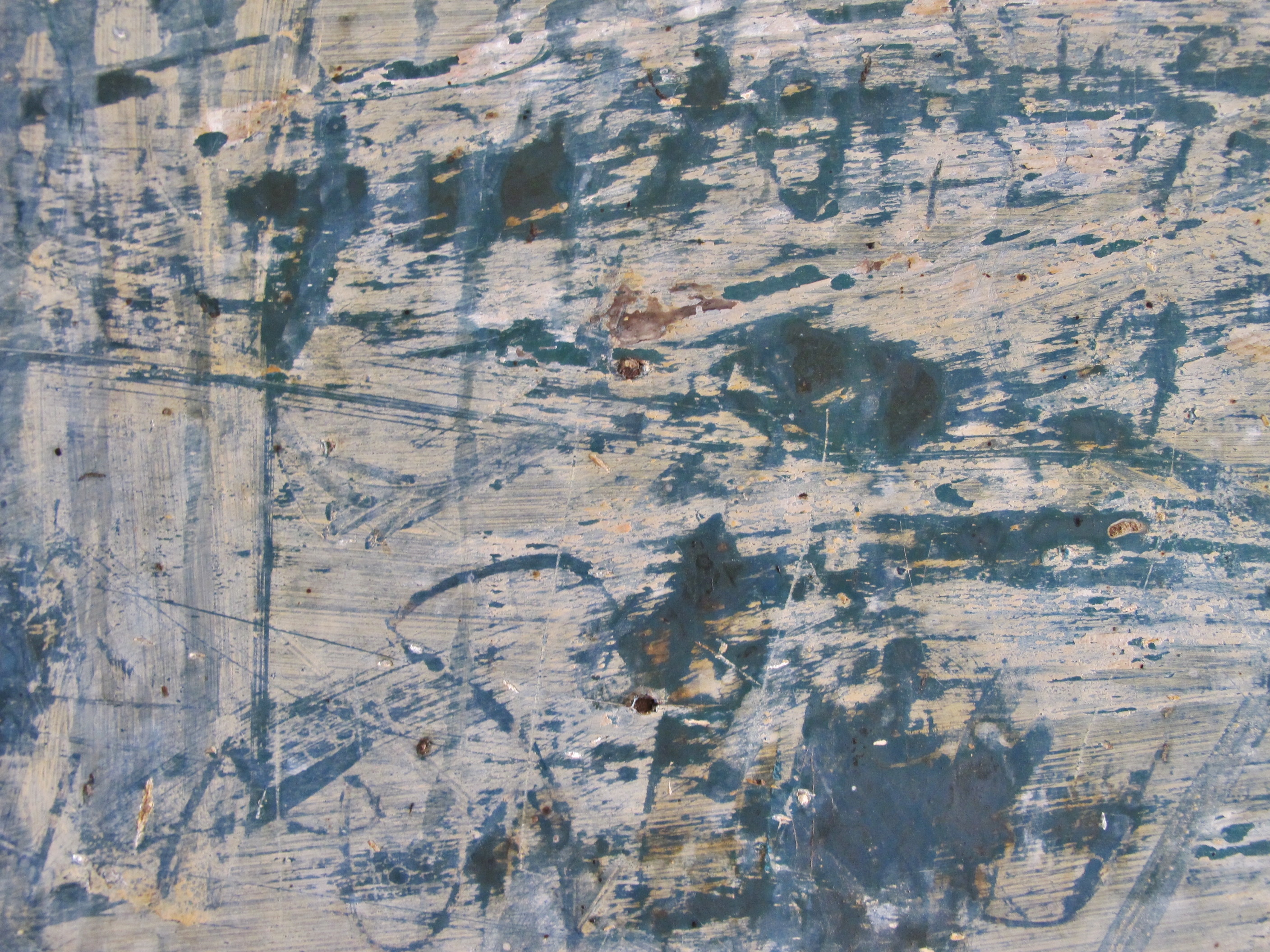
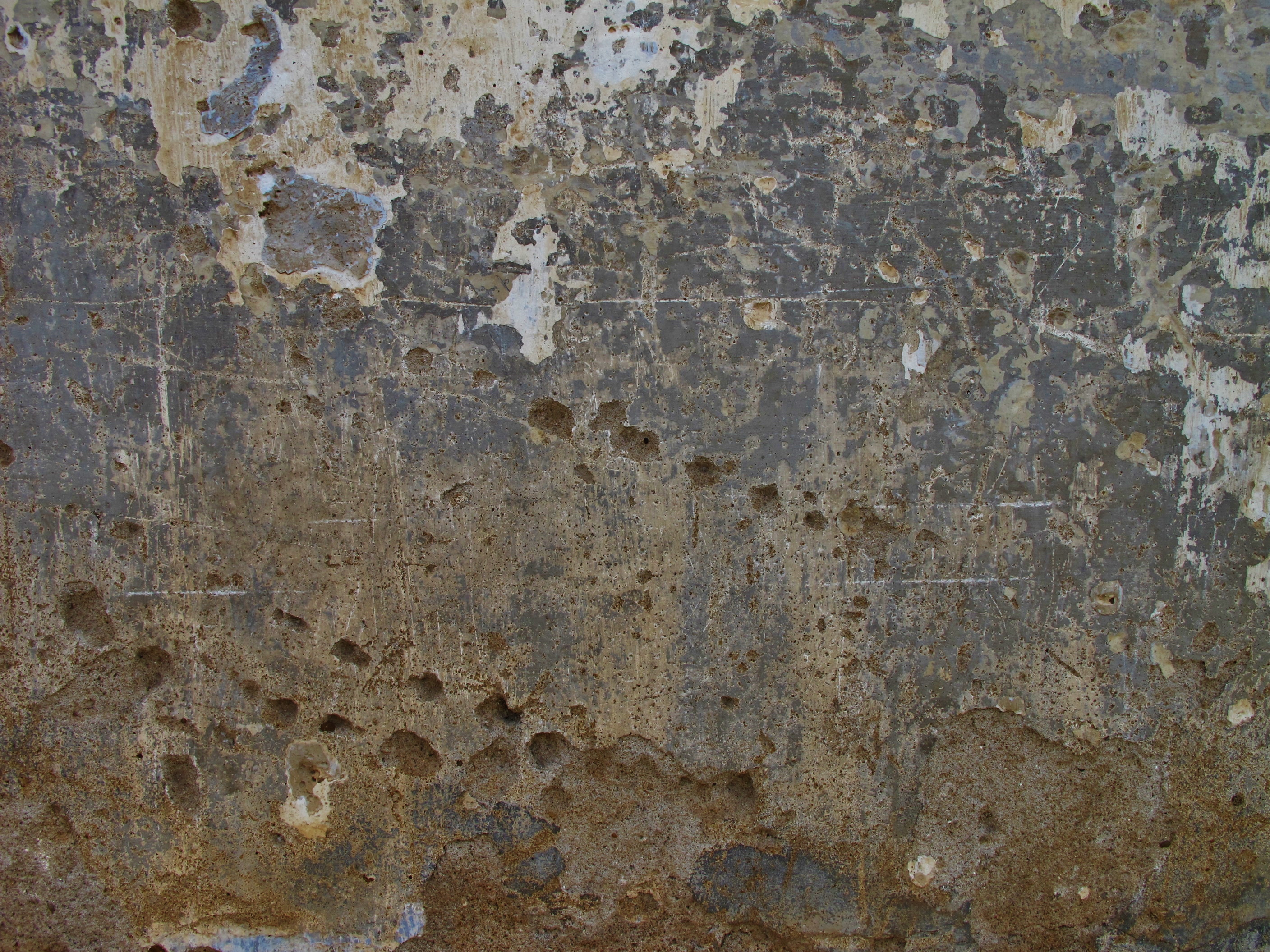
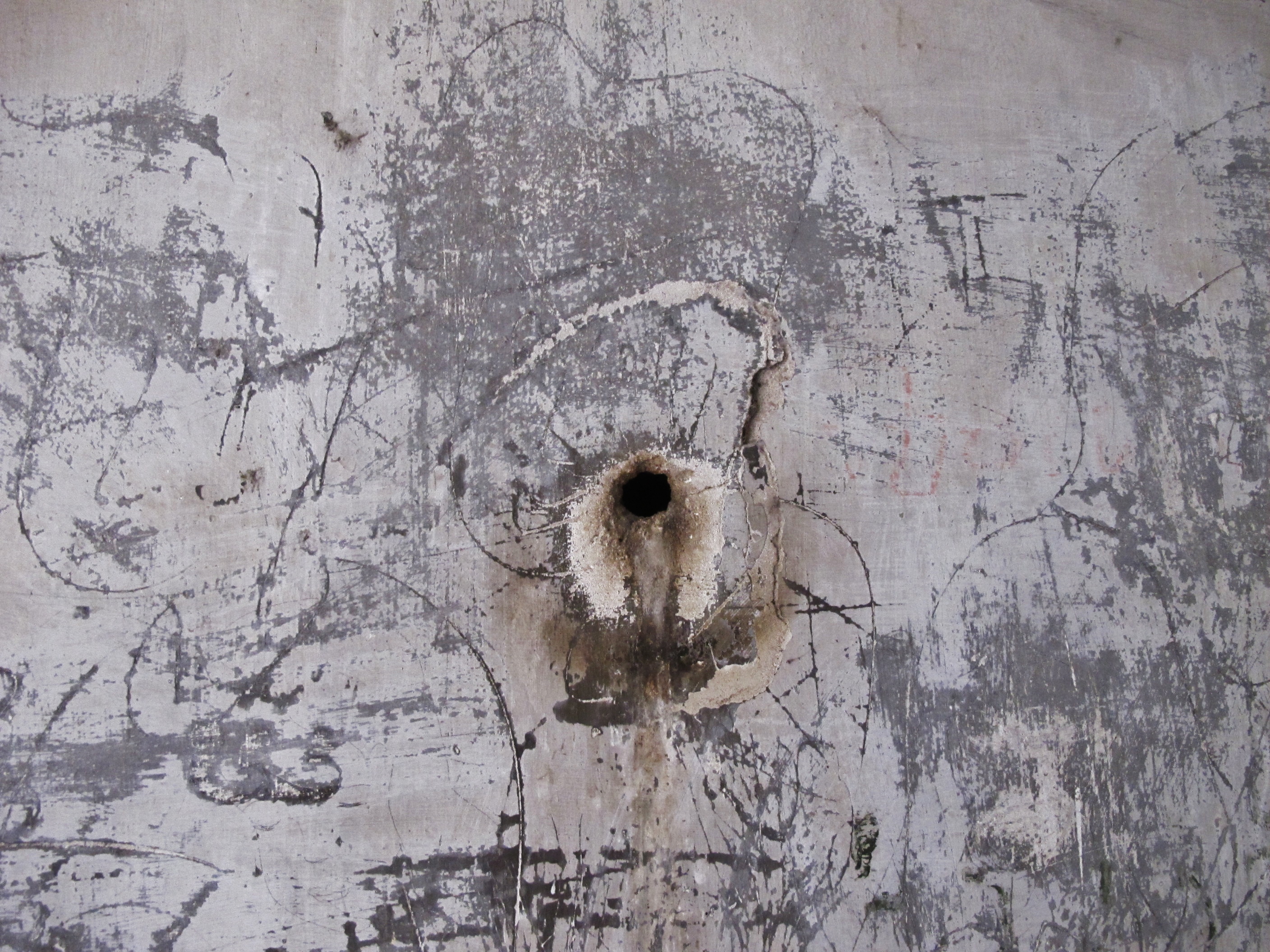
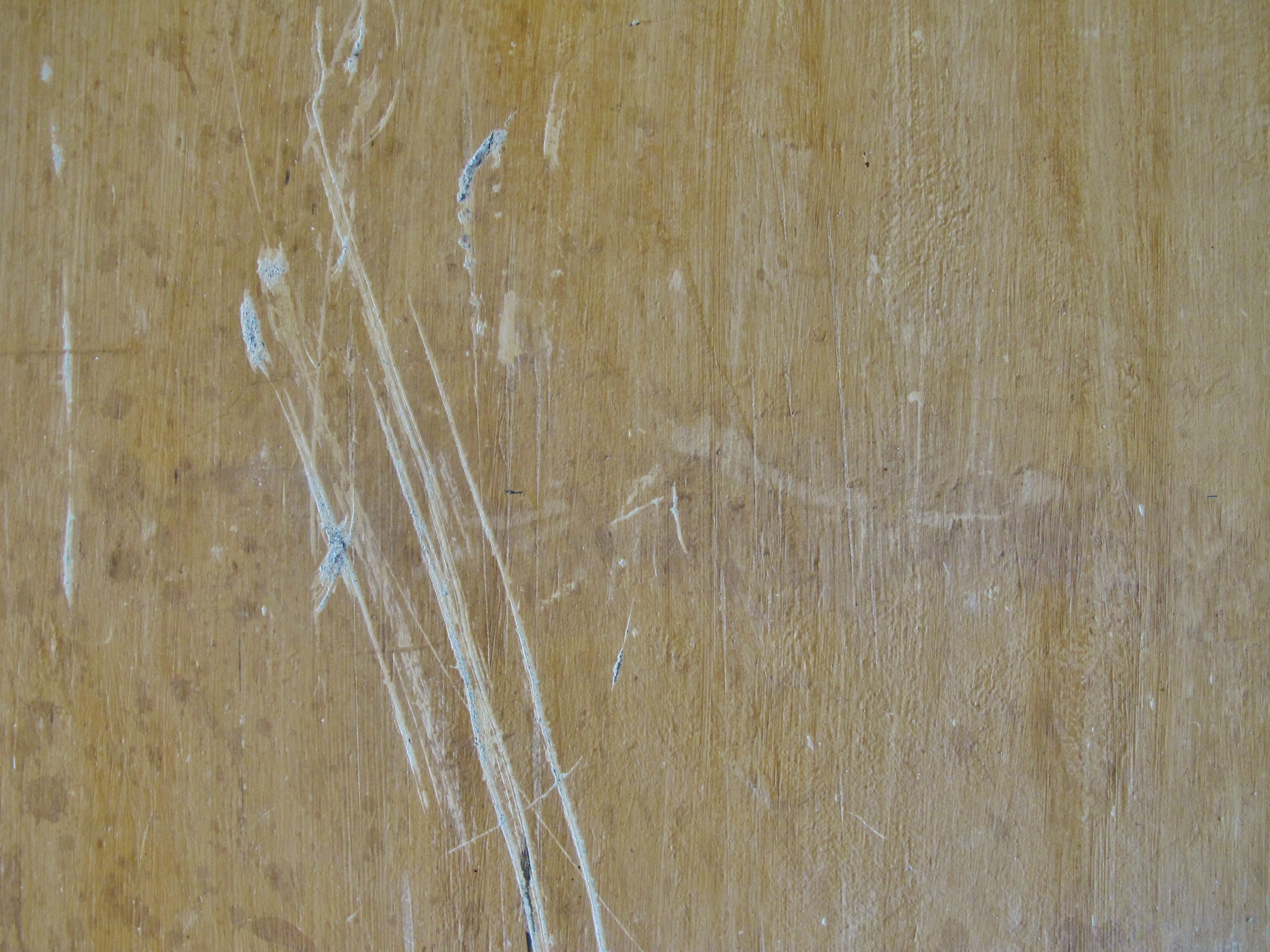
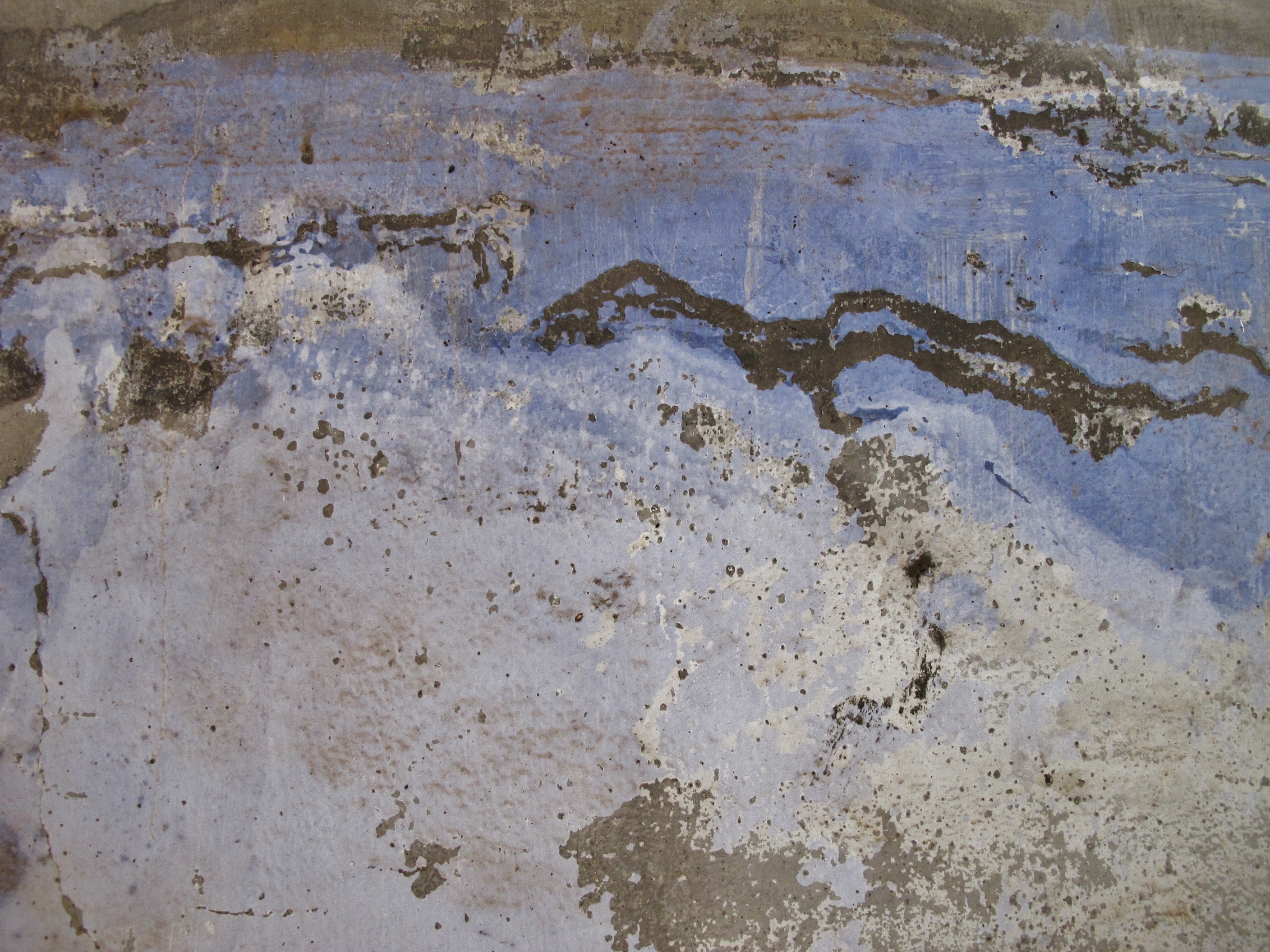
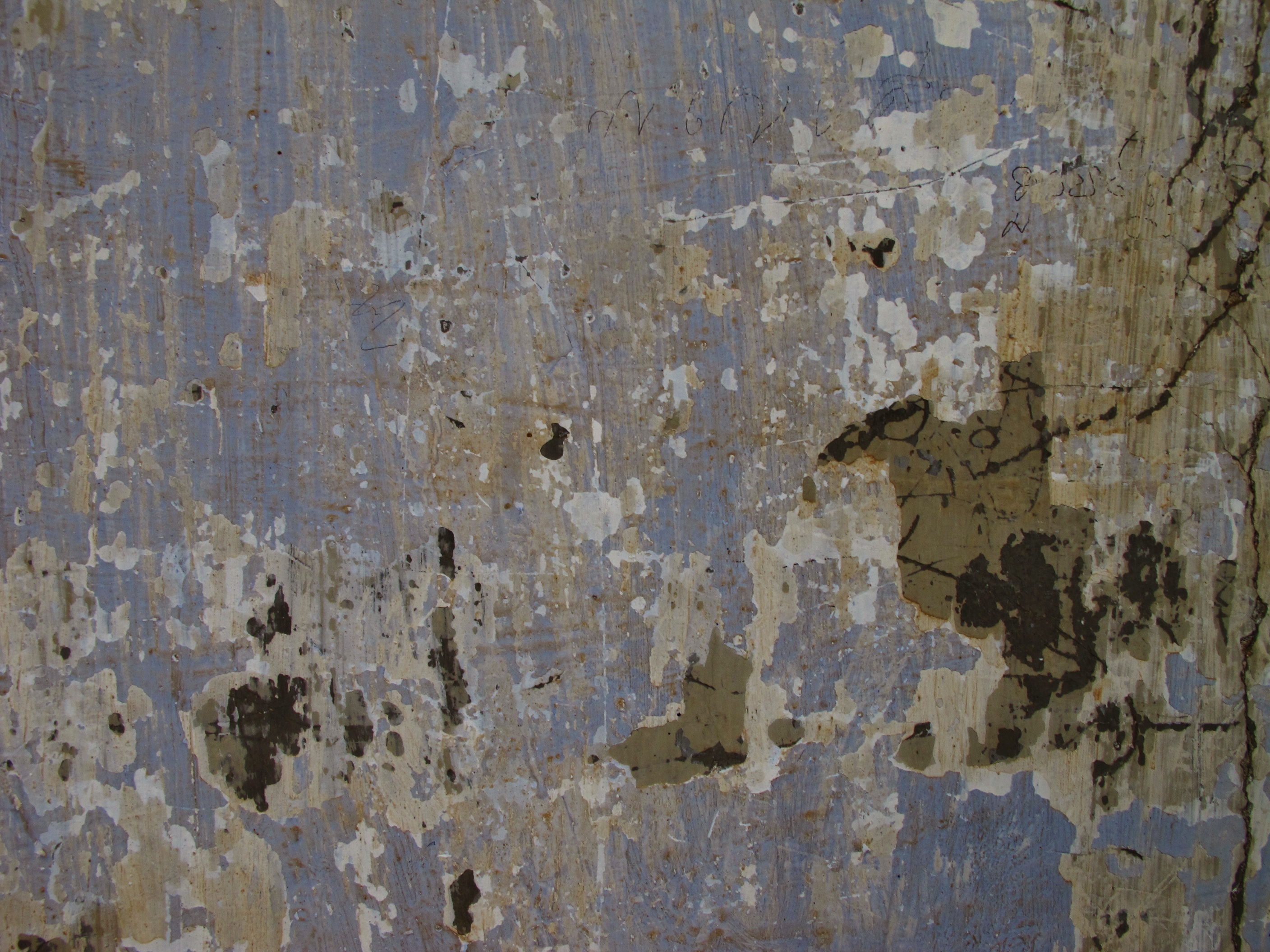
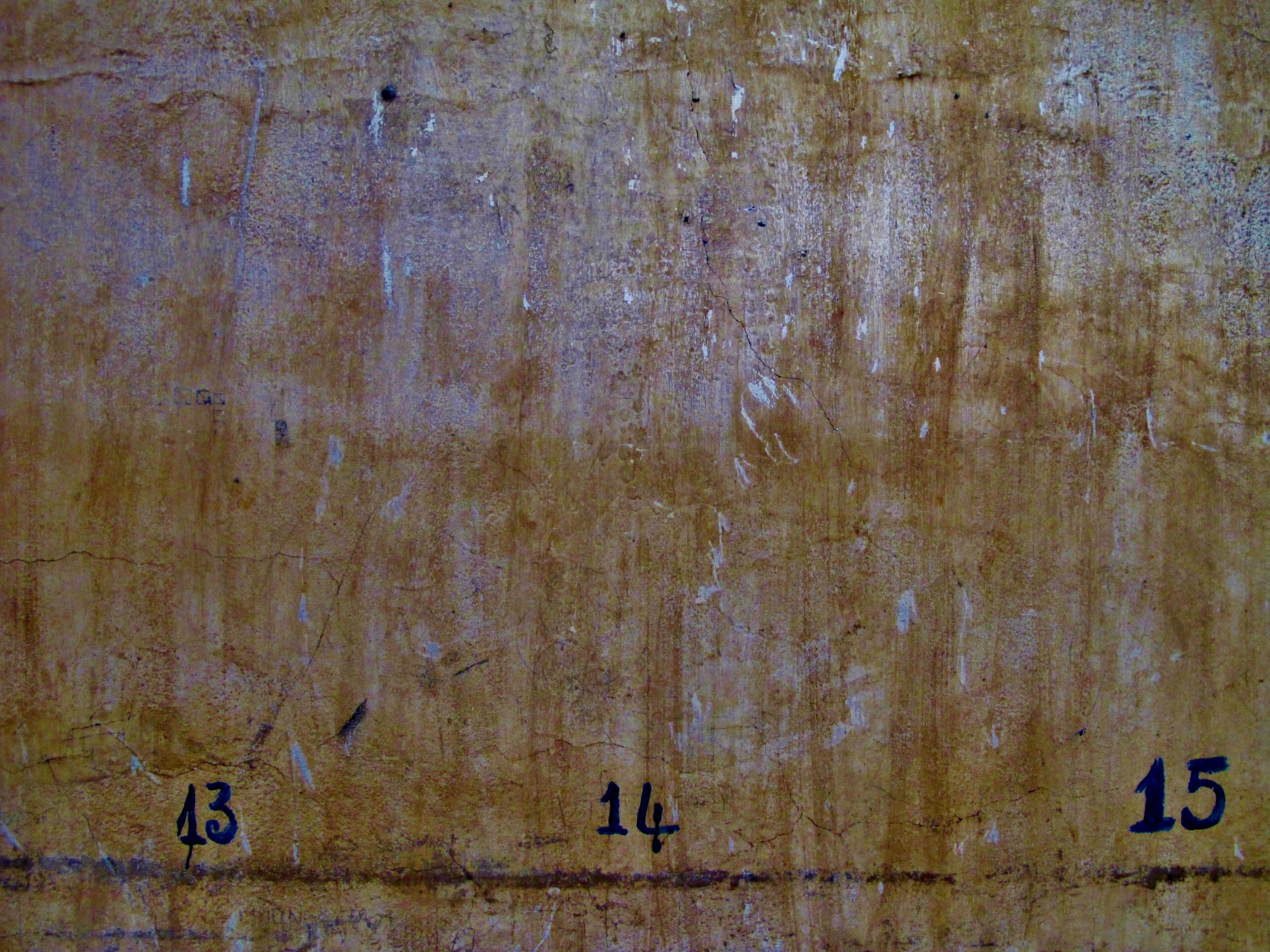
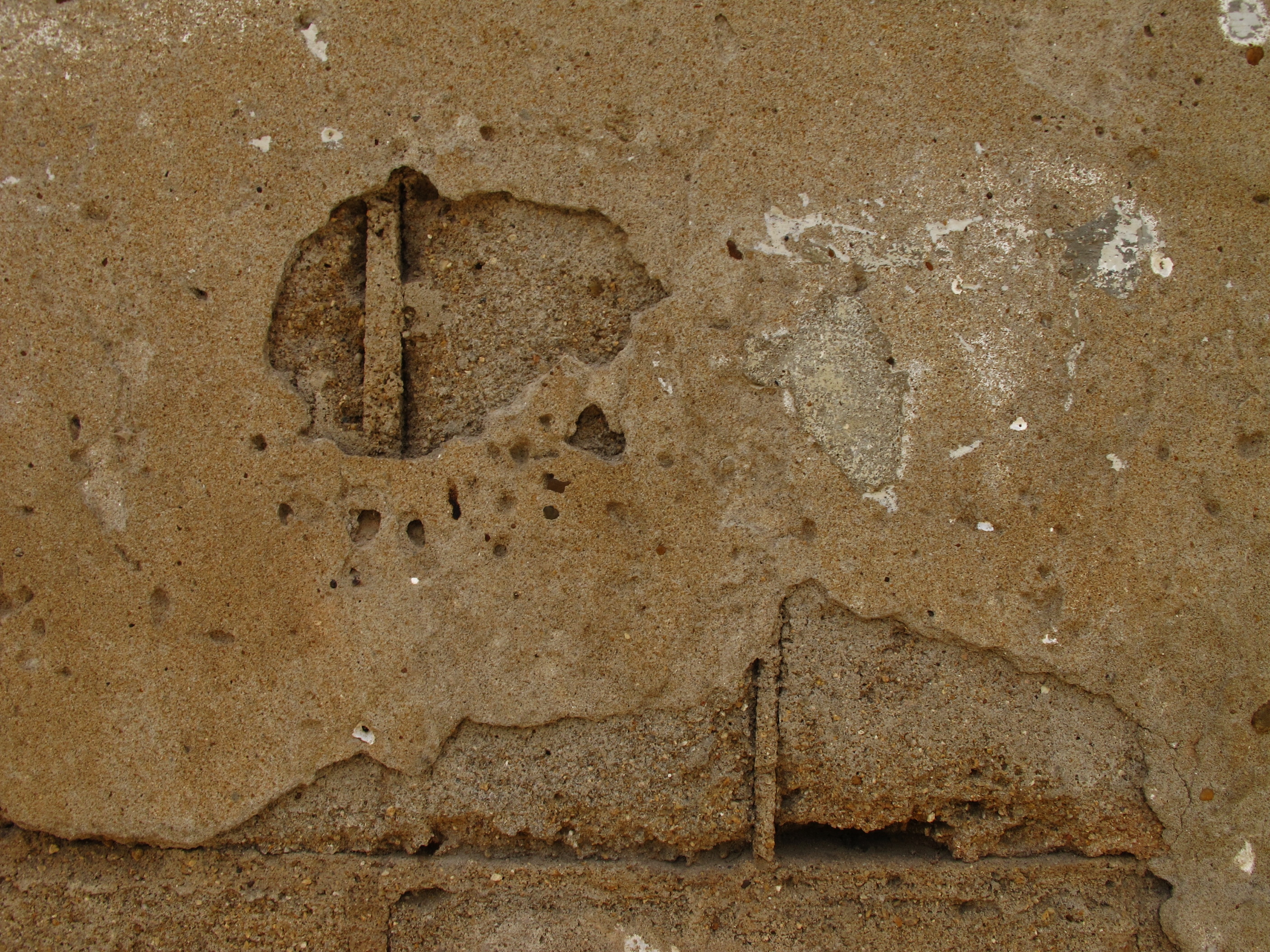
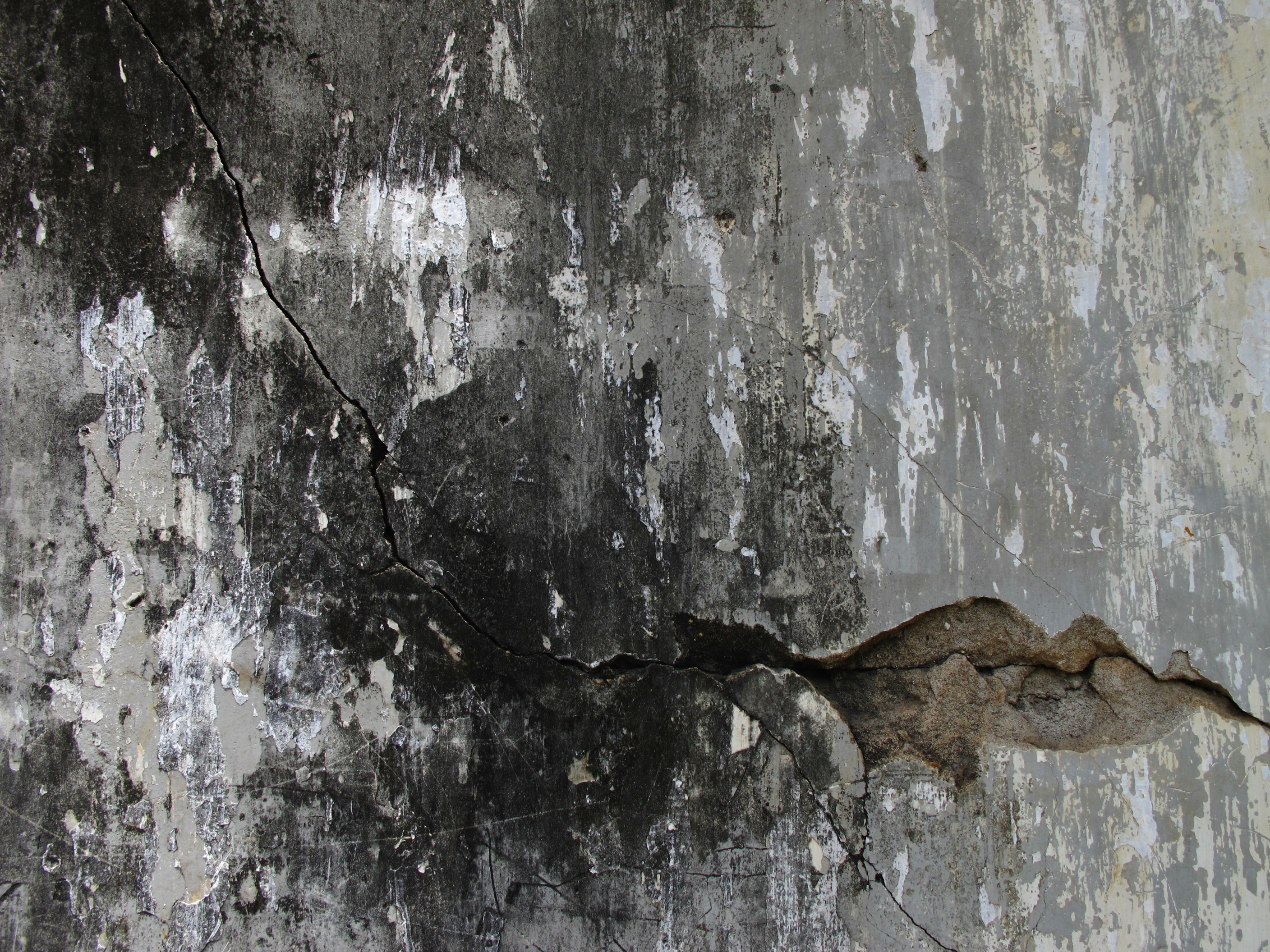
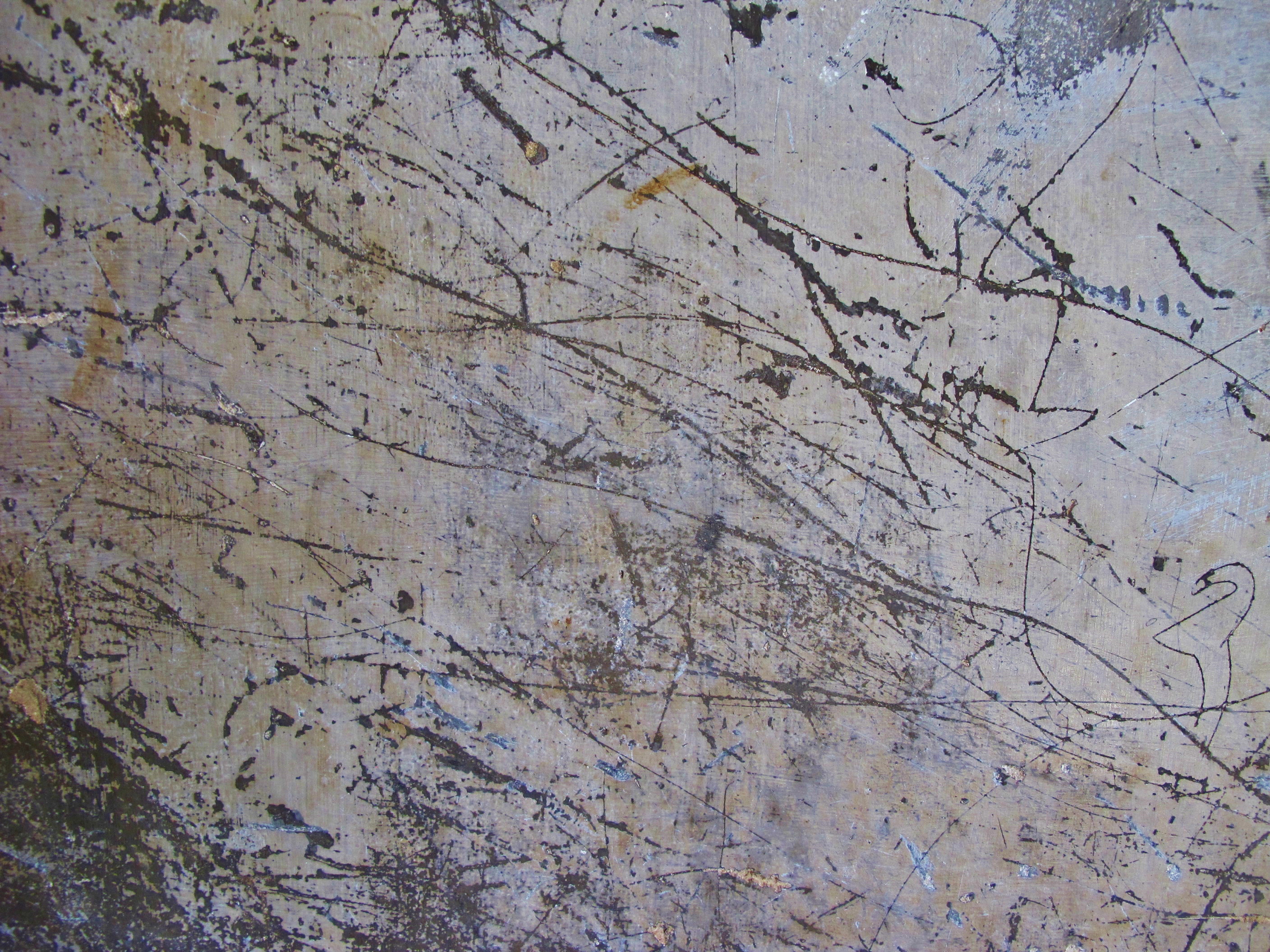
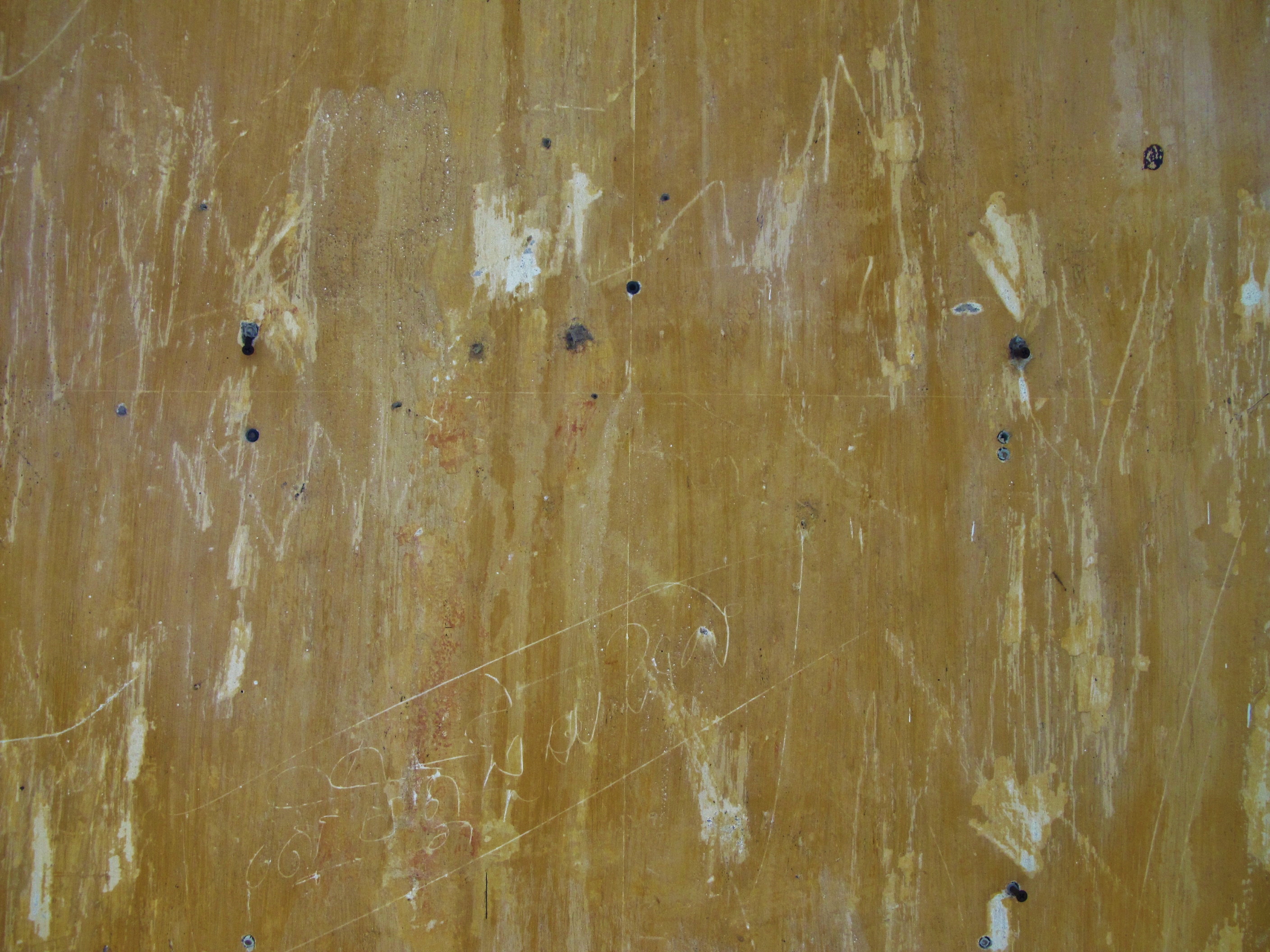
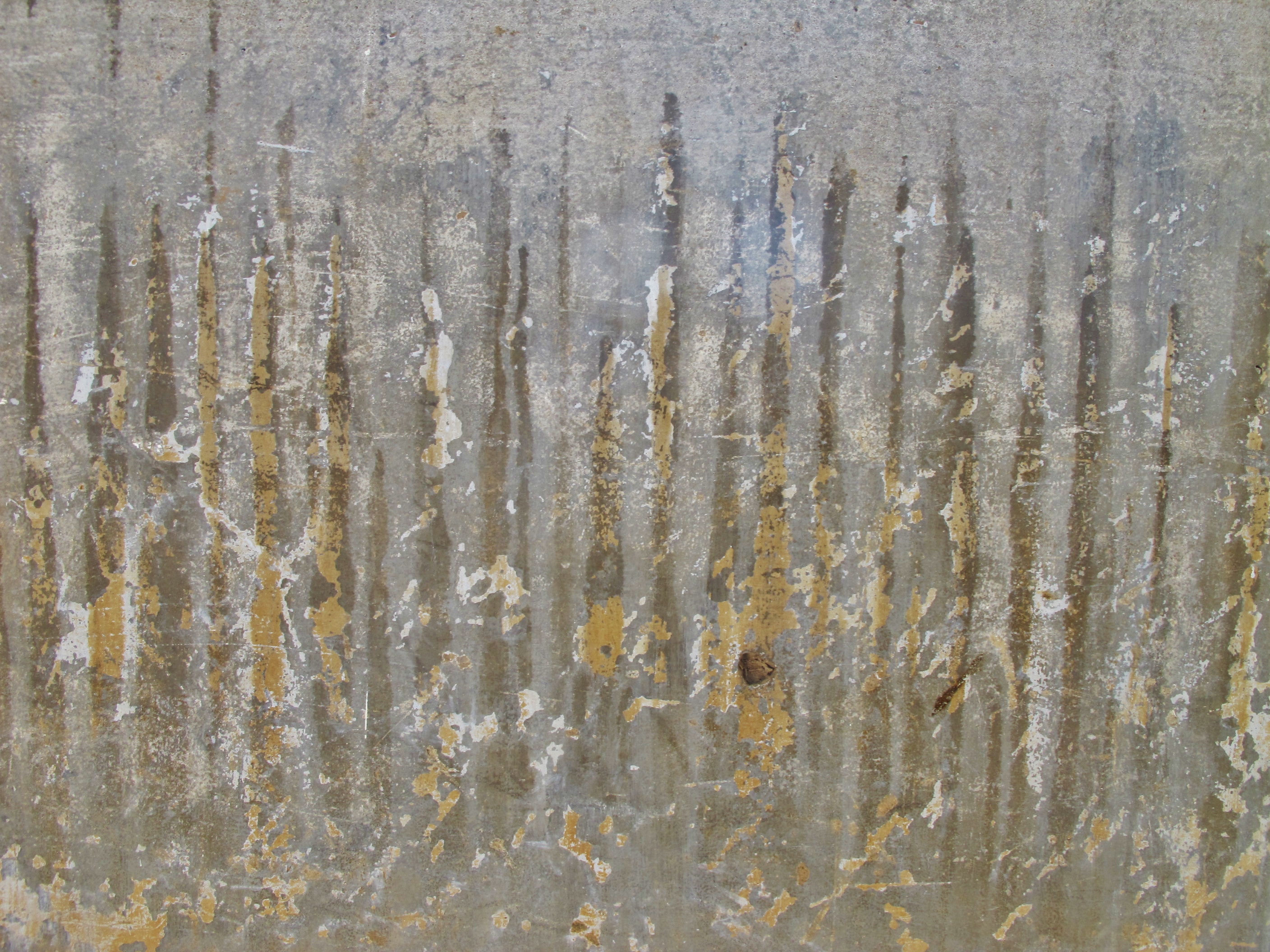
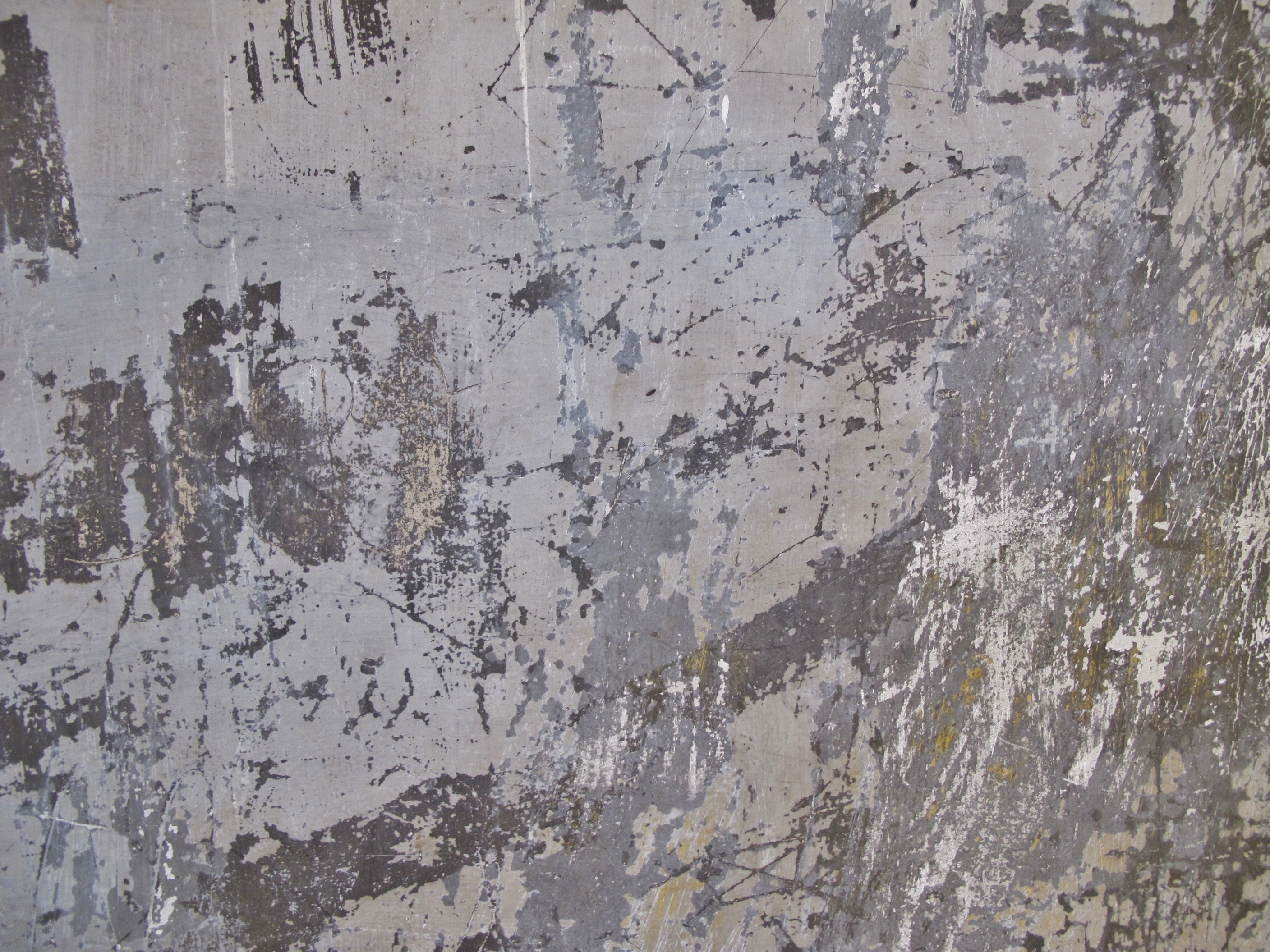
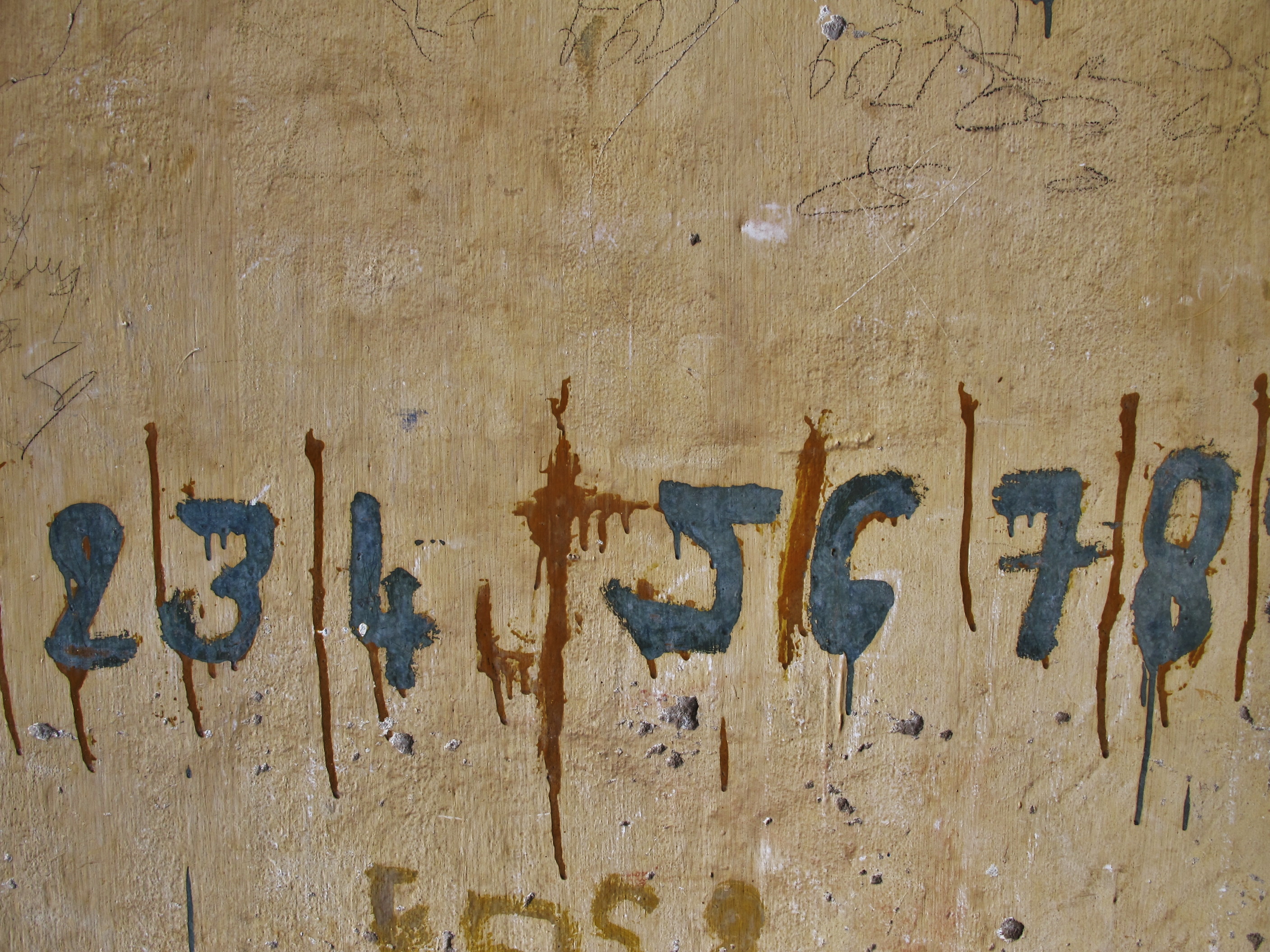
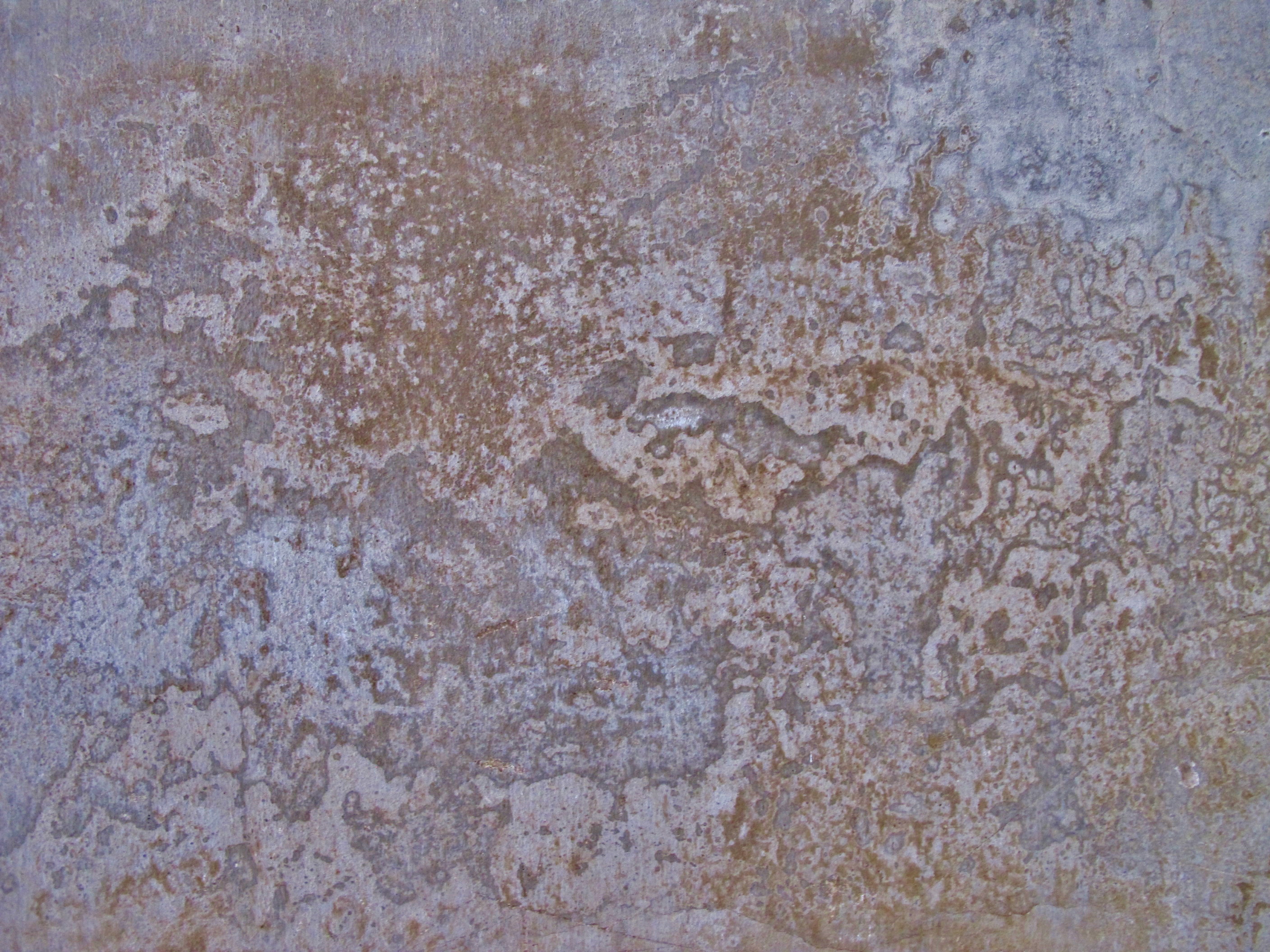
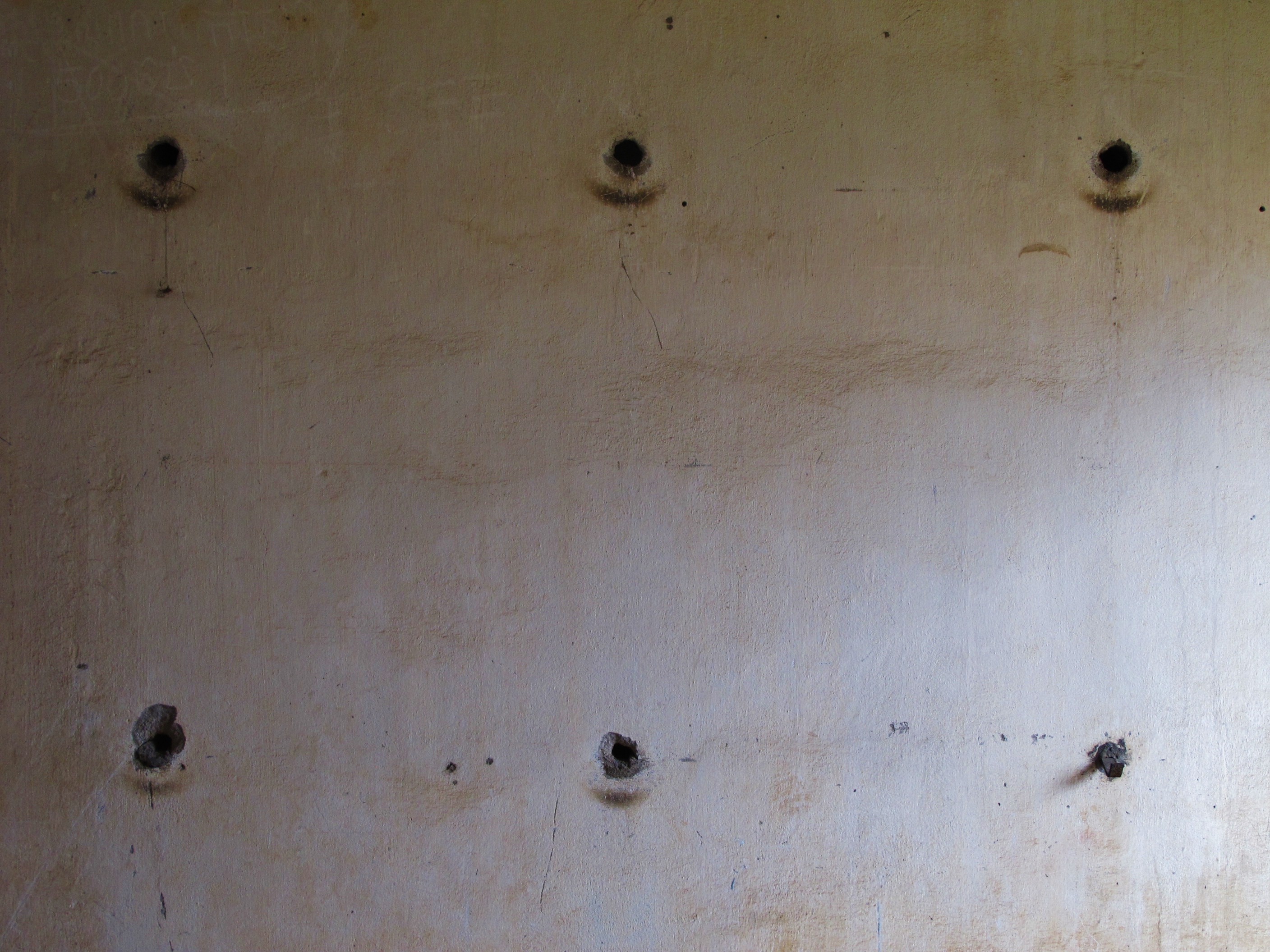
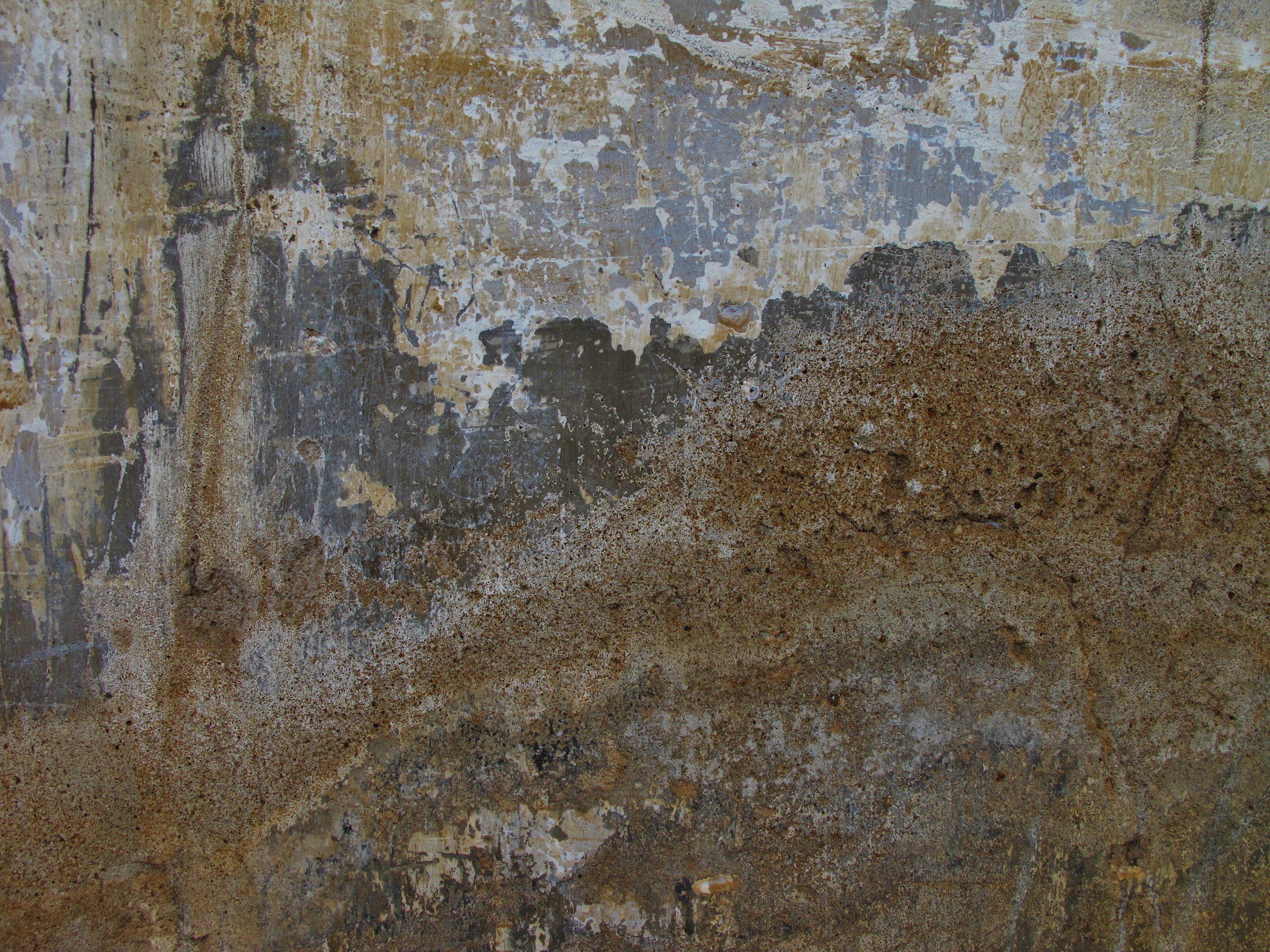
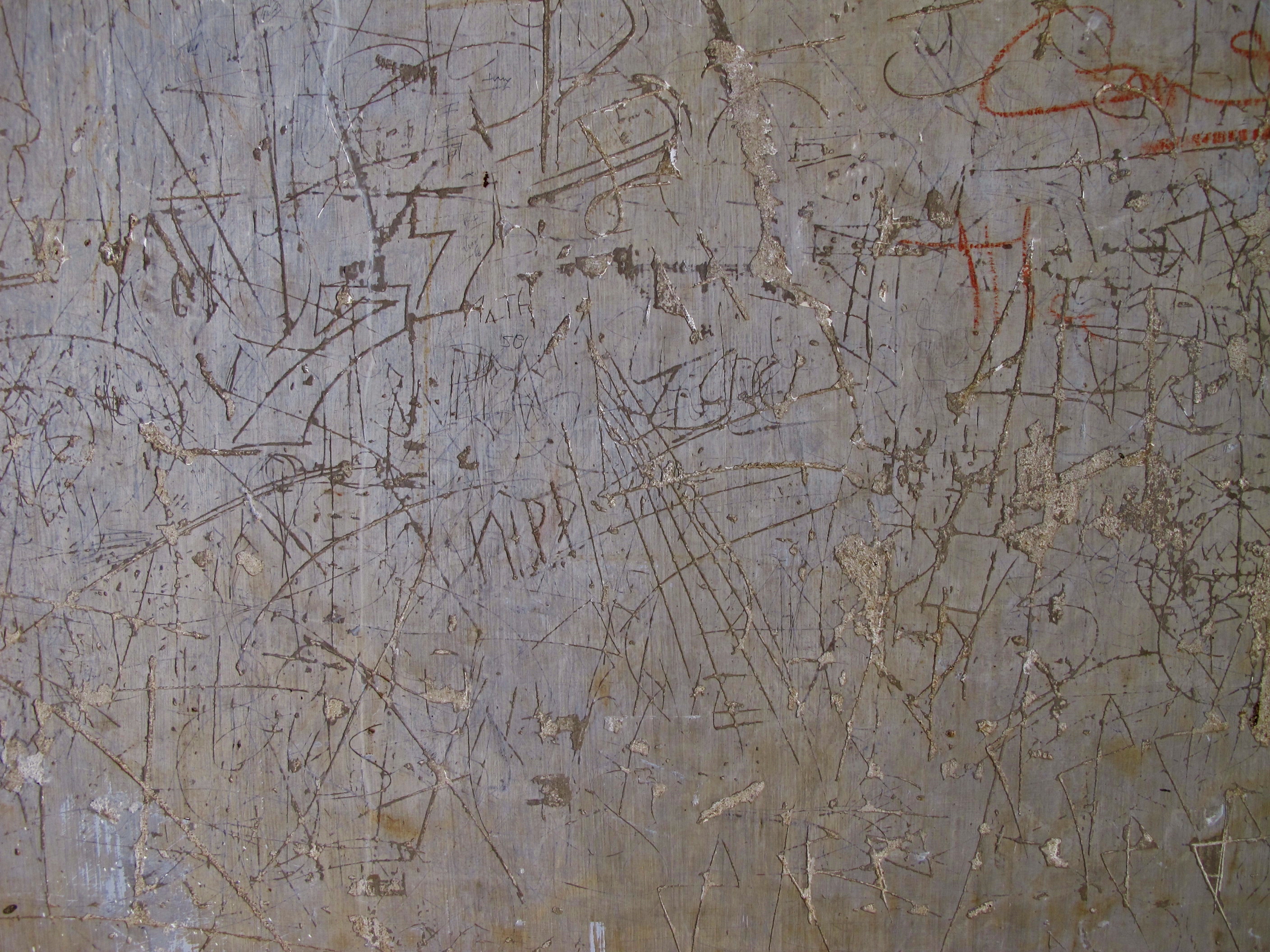
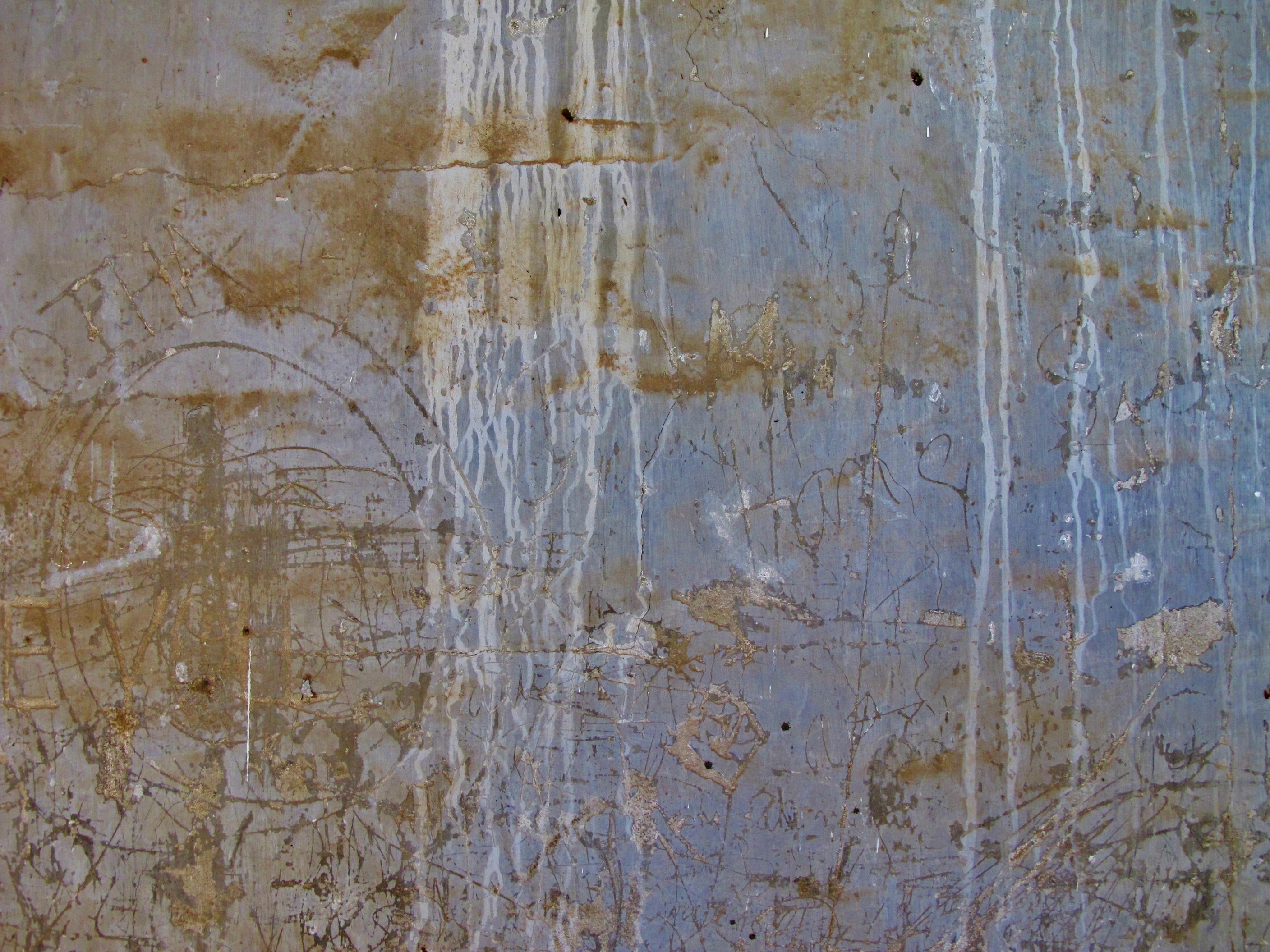
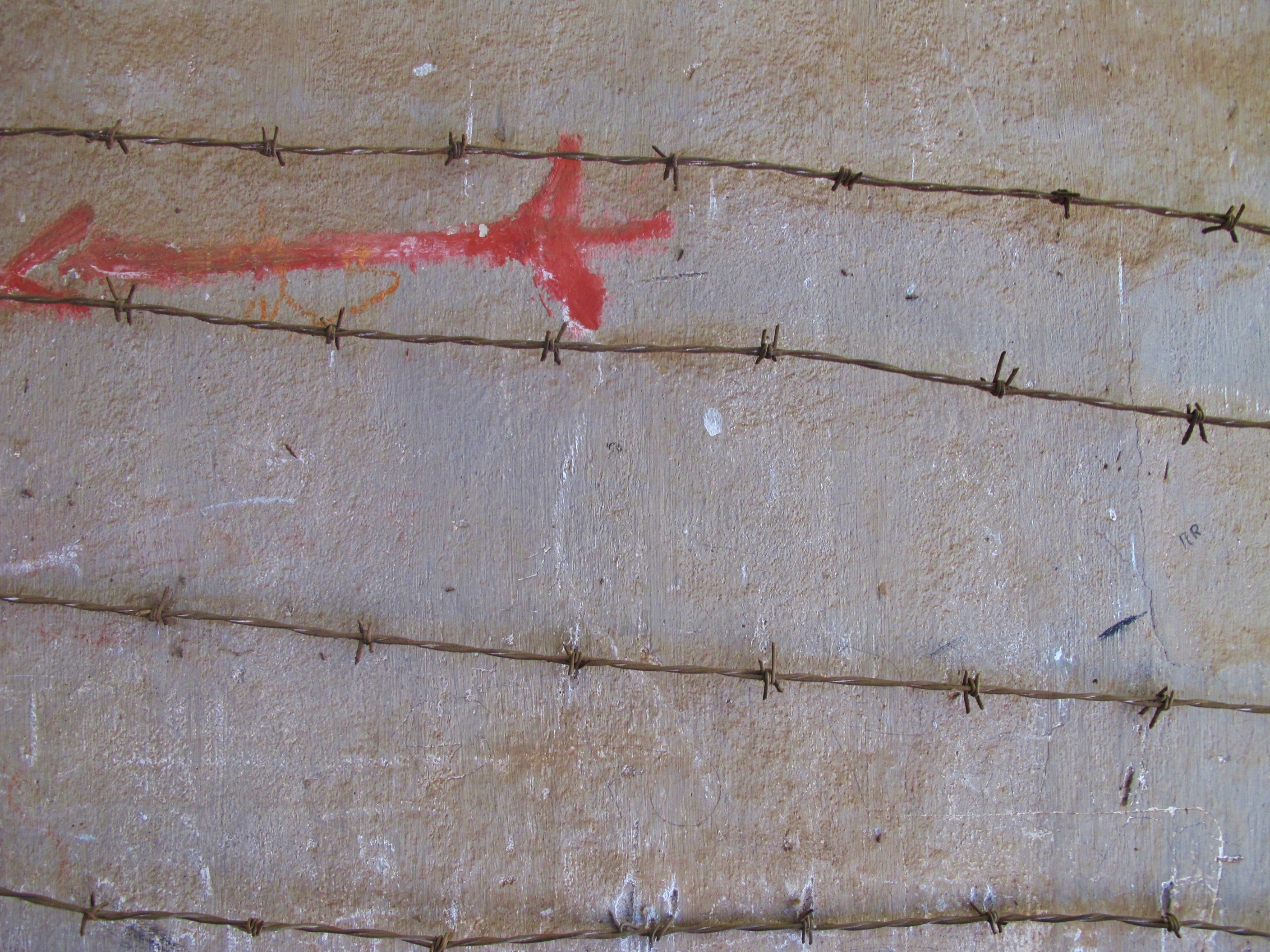
The purpose of this project is not so much to depict what happen between these walls — which definately lies beyond my capability of understanding — but to provide a
kind of meditation process and an empathy tool to whoever rejects the comfort of not wanting to think about it. With each image I try to imagine the amount of suffering that each wall witnessed; with each trace or rip on the wall I try to pay homage to each human life that made it or look at it every single day of imprisonment until the very end, through hunger, torture or simple execution. A wall can be a portrait of what happen, forgiveness and the desire to move on should not be invitations to forget.
We should not forget.


 miguel jeronimo photography