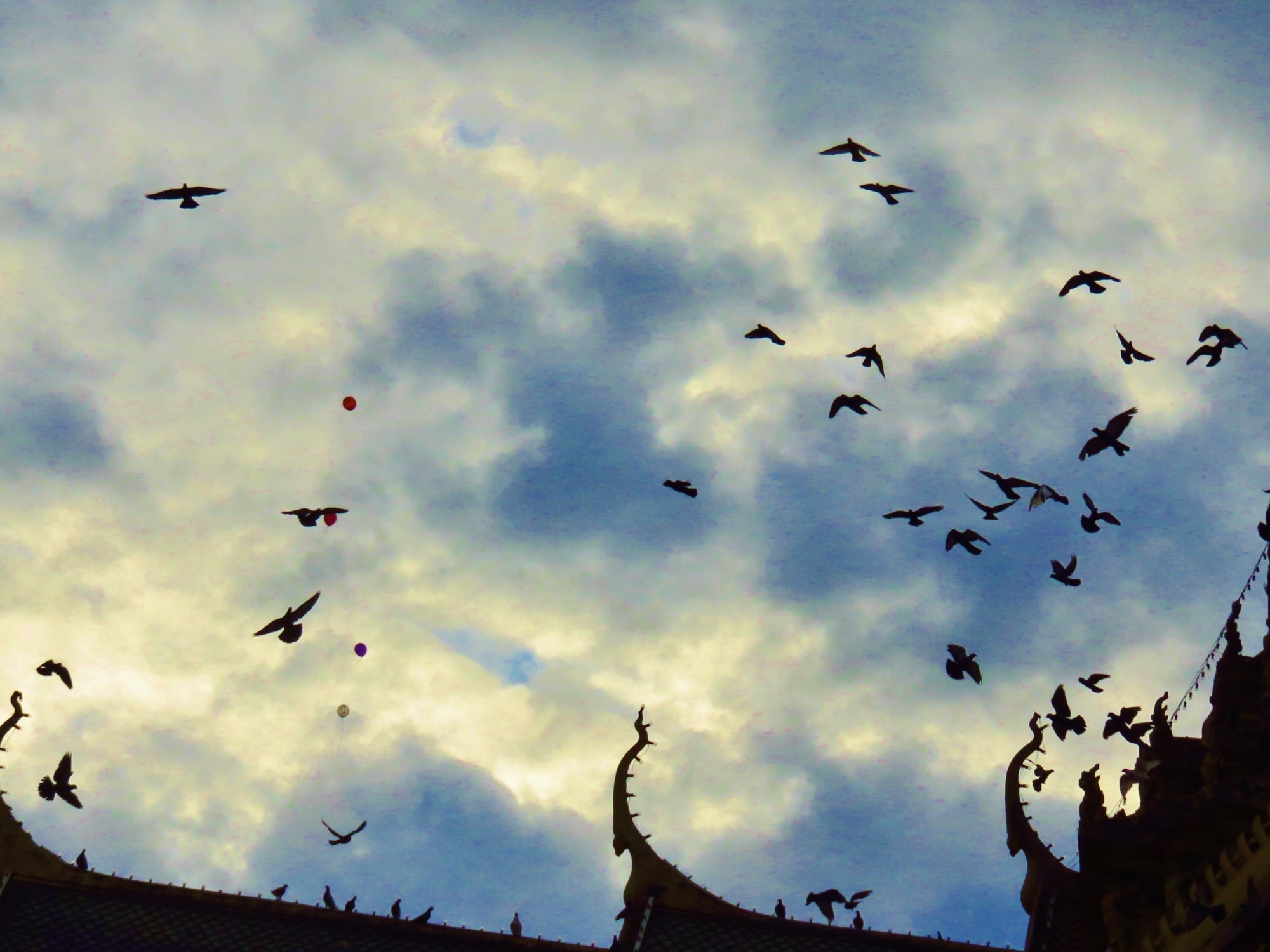
“The camera cannot lie, but it can be an accessory to untruth.” – Harold Evans
Many are the ways of manipulating a picture: taking it out of the context, cropping crucial elements for the story that is hoping to represent, photoshopping or playing around with colors, contrast and lighting, etc. Or even how its title can make our mind wonder in alternative stories that are not in the image itself. But if we think about it, even the gesture of taking a photo is always a curator act upon the world. An image is just a slice of the space photographed, with the photographer carefully choosing what to leave outside the frame, and only a moment in time, with the absence of the before and after having a fundamental role to trick us while we are reading the photo (a concept already explored since at least the 1974’s seminal artwork ‘Cause of death’ by John Hilliard).
But that’s not to say that a photographer being a manipulator is a bad thing. An eye that sees is a hand that creates. Everyday life is full of banality, the role of the photographer is to transform a normal scene and brief moment – that you only experience in a fraction of a second and is already eaten by the next one – into something worth seeing forever. So any act of seeing through the lens is a creative attitude. The image-making process is not about representing accurately the world but showing our subjective view of it. There is creative empowerment in the gesture of turning of the lights – switching off universal understandings – and throwing our own flashlight into a room full of darkness and noise, in order to make our own version of the world.
Every discovery is an act of creation.
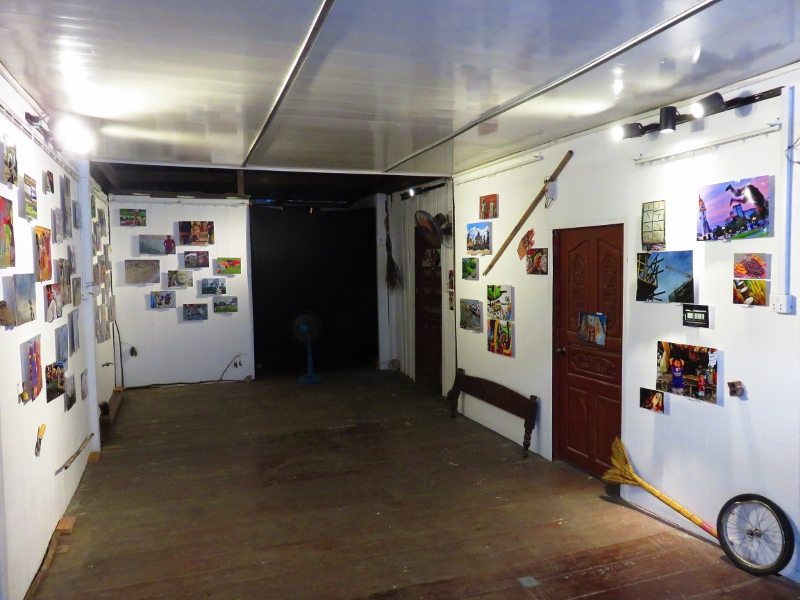
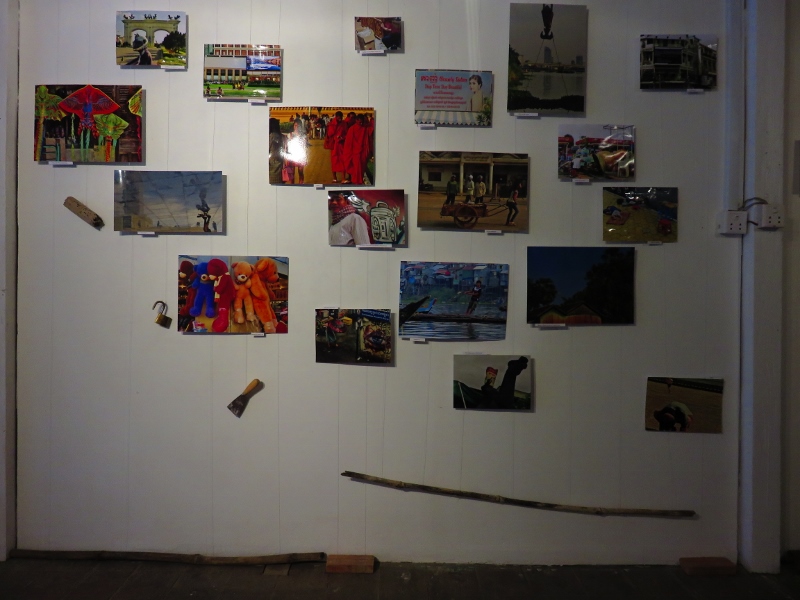
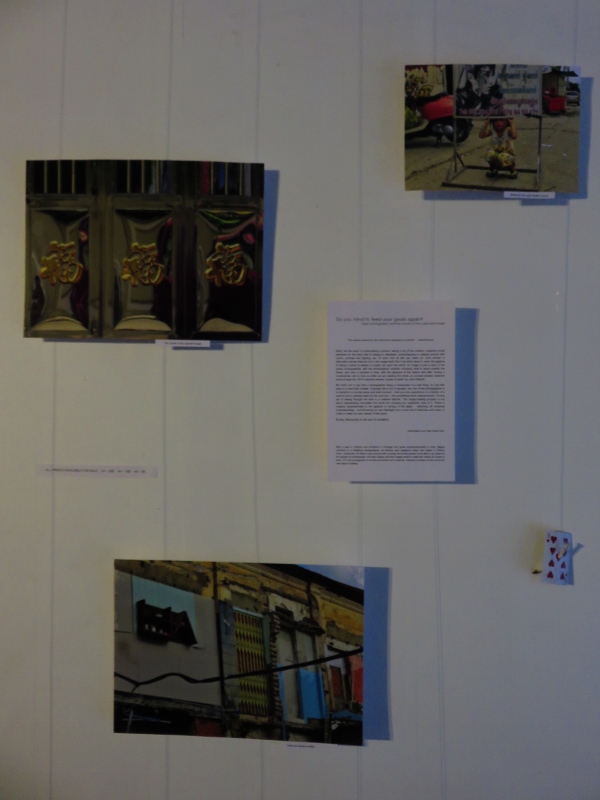
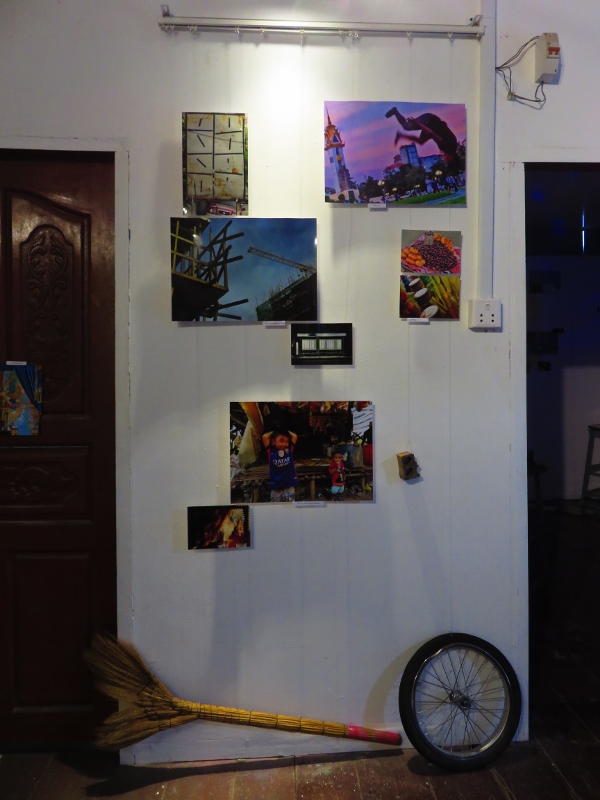
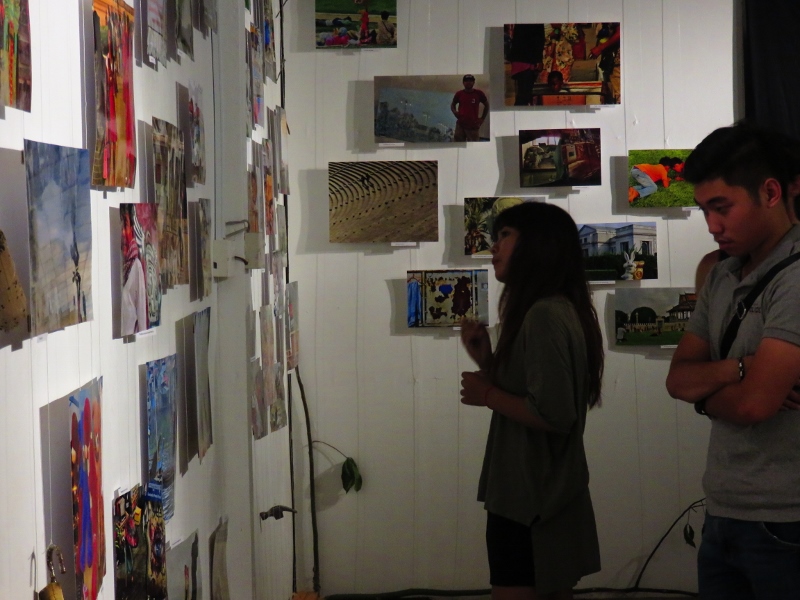
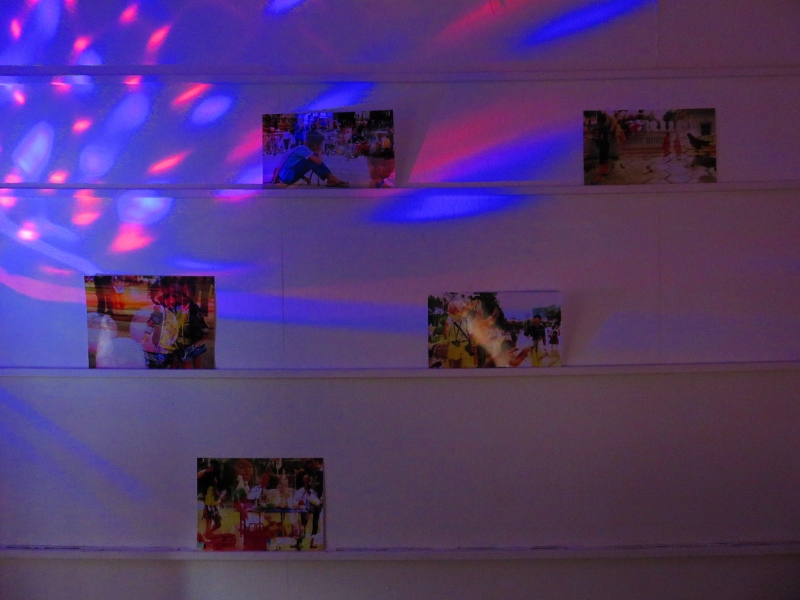
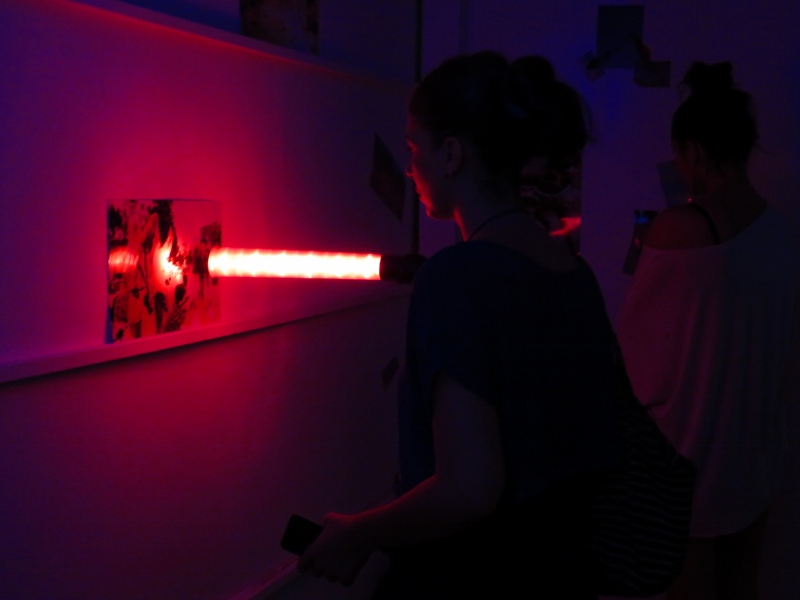
(exhibition composed by two different rooms, one with the photos below installed using objects collected from the street, and another smaller one with photo-experiments and collages, consisting on a dark atmosphere and different colored lights in order to confuse the audience, whom were given different types of flashlights in order to explore the photos by themselves, plus an experimental electronic sound piece playing in the background)
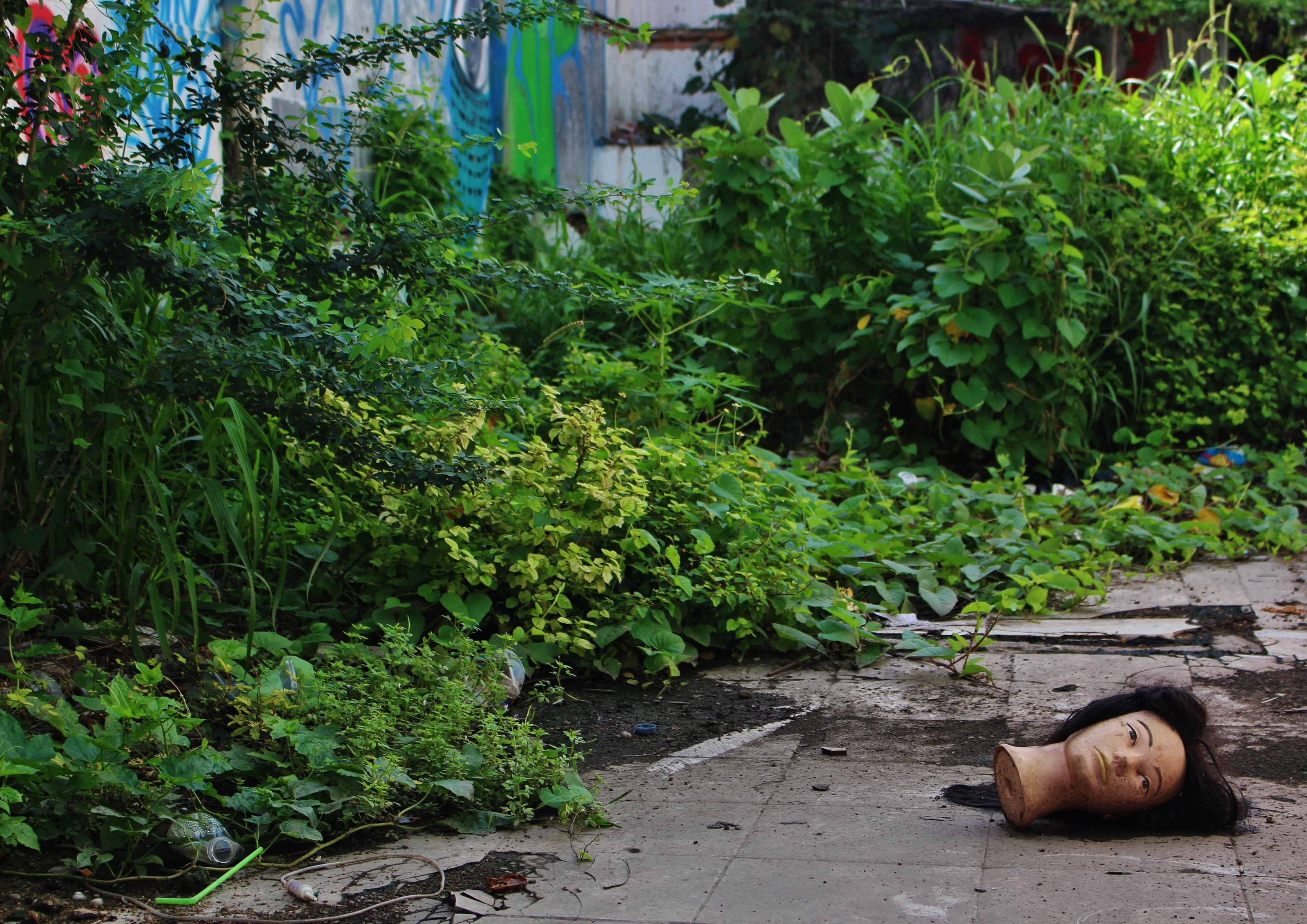
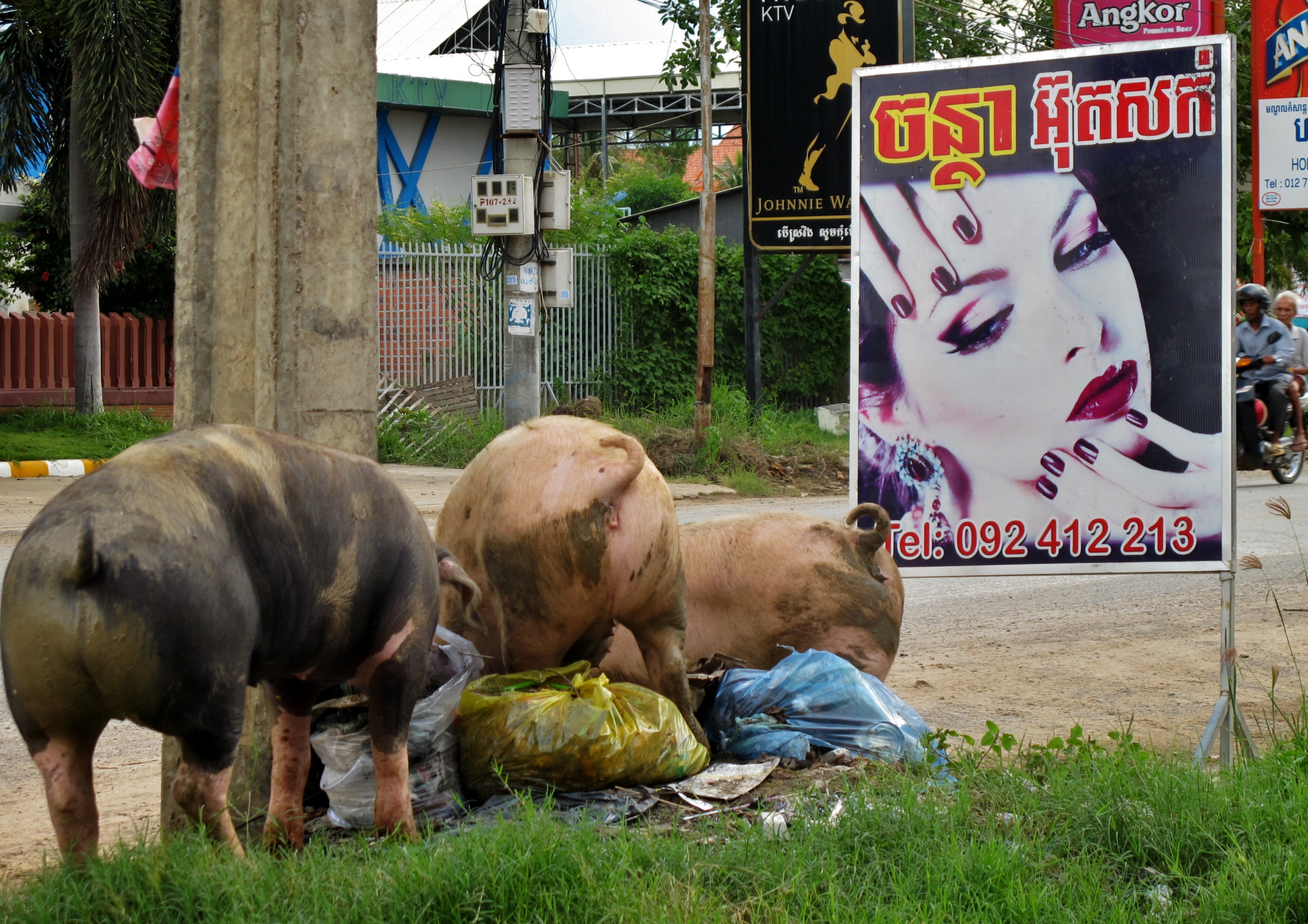
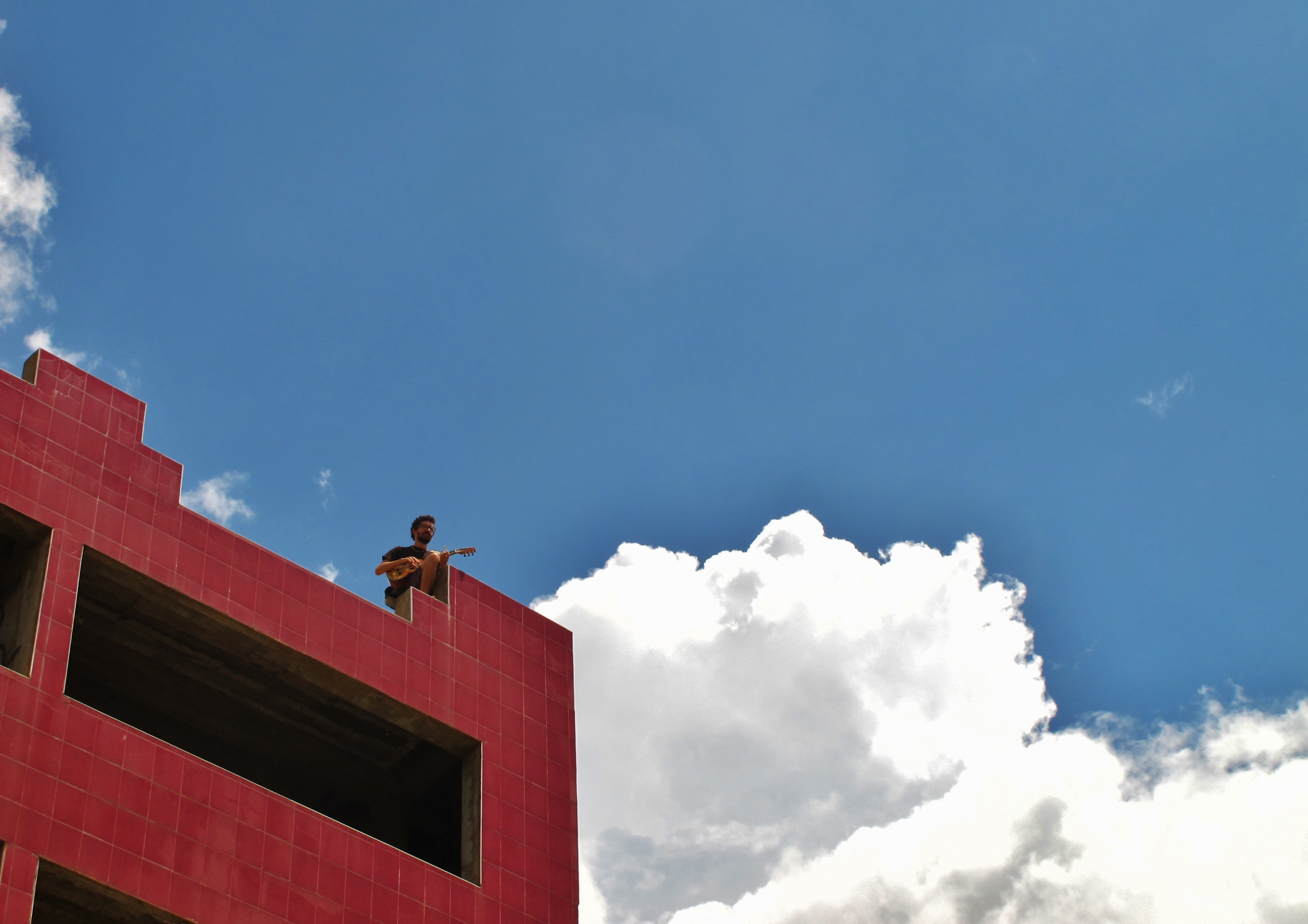
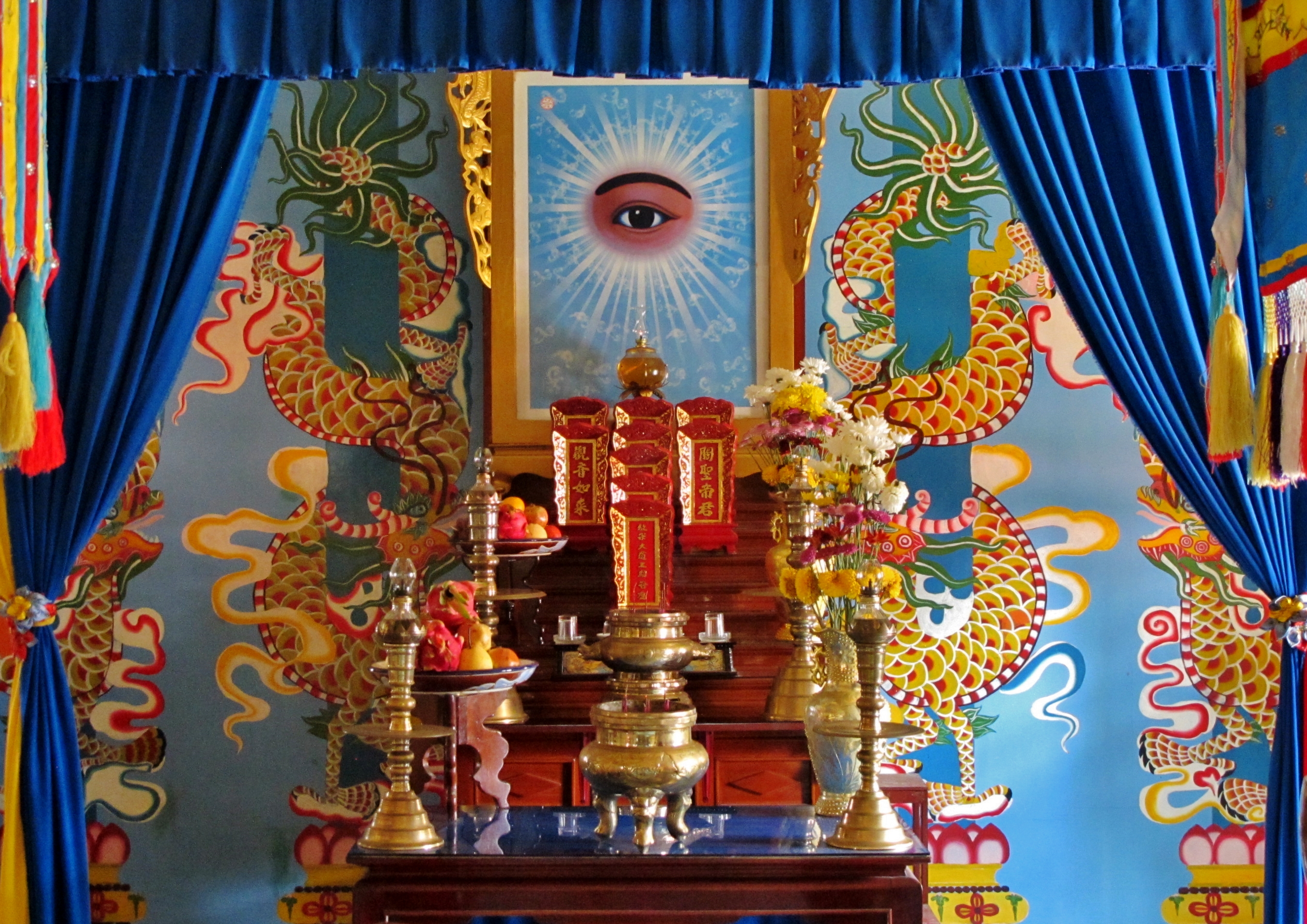
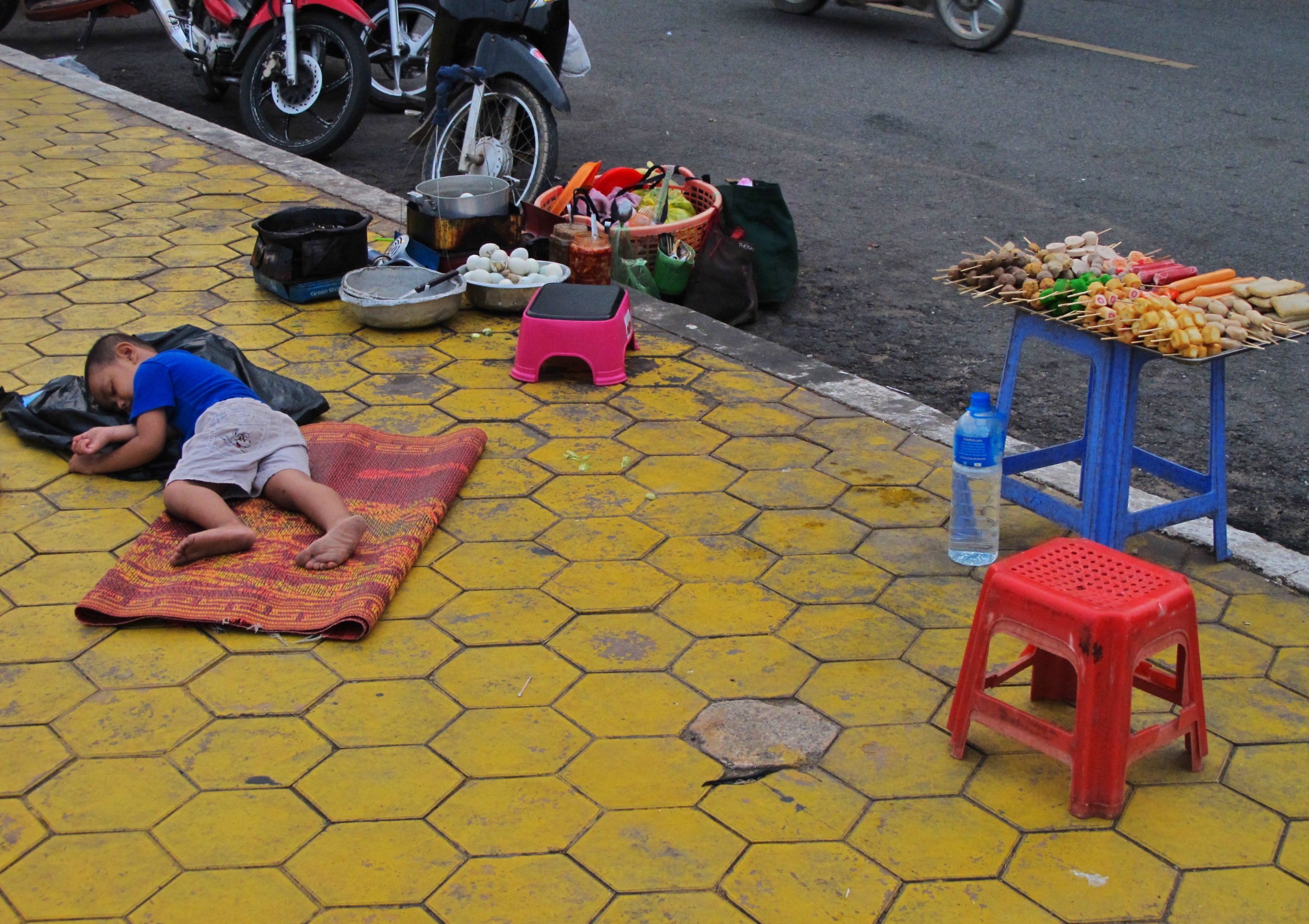
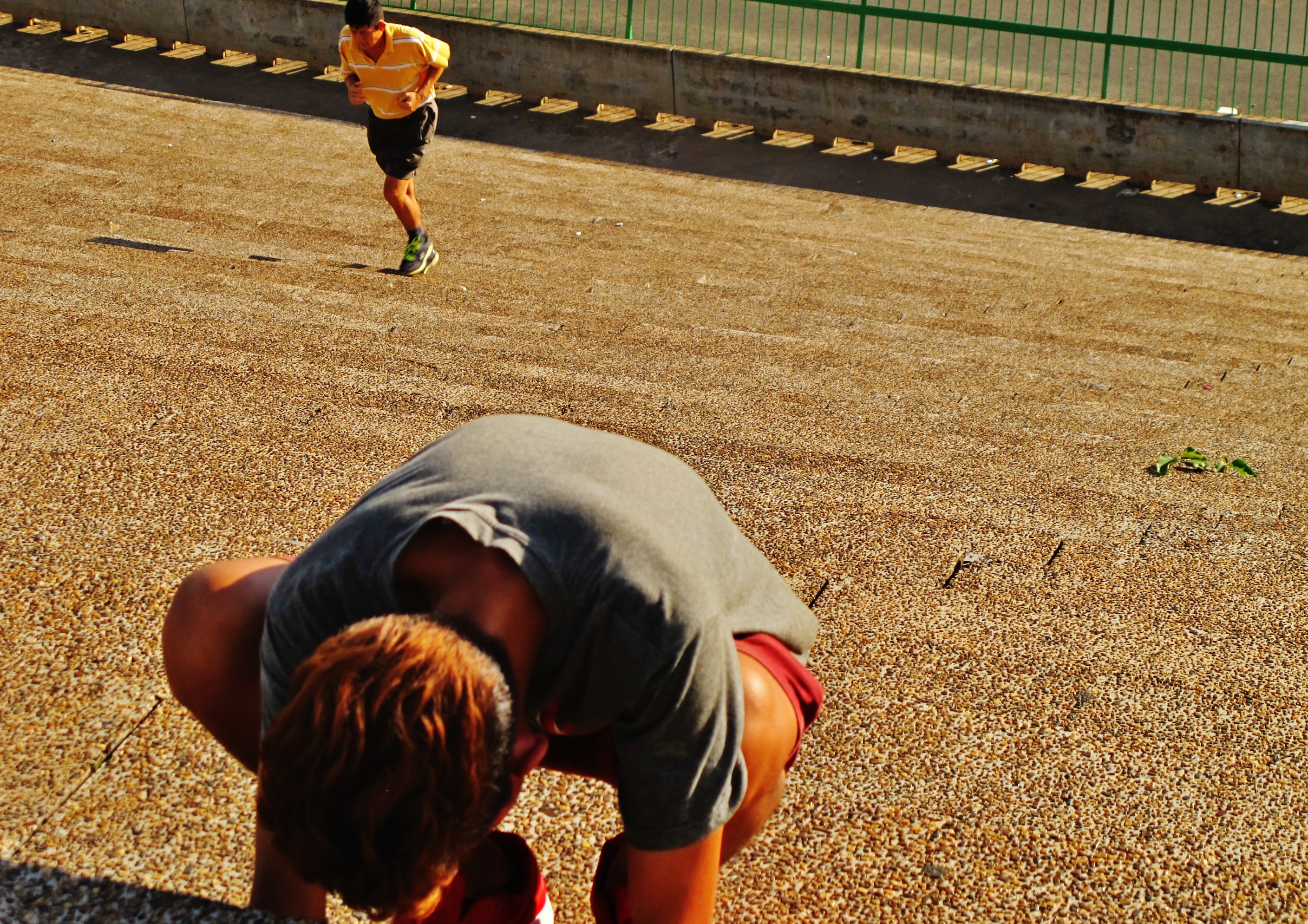
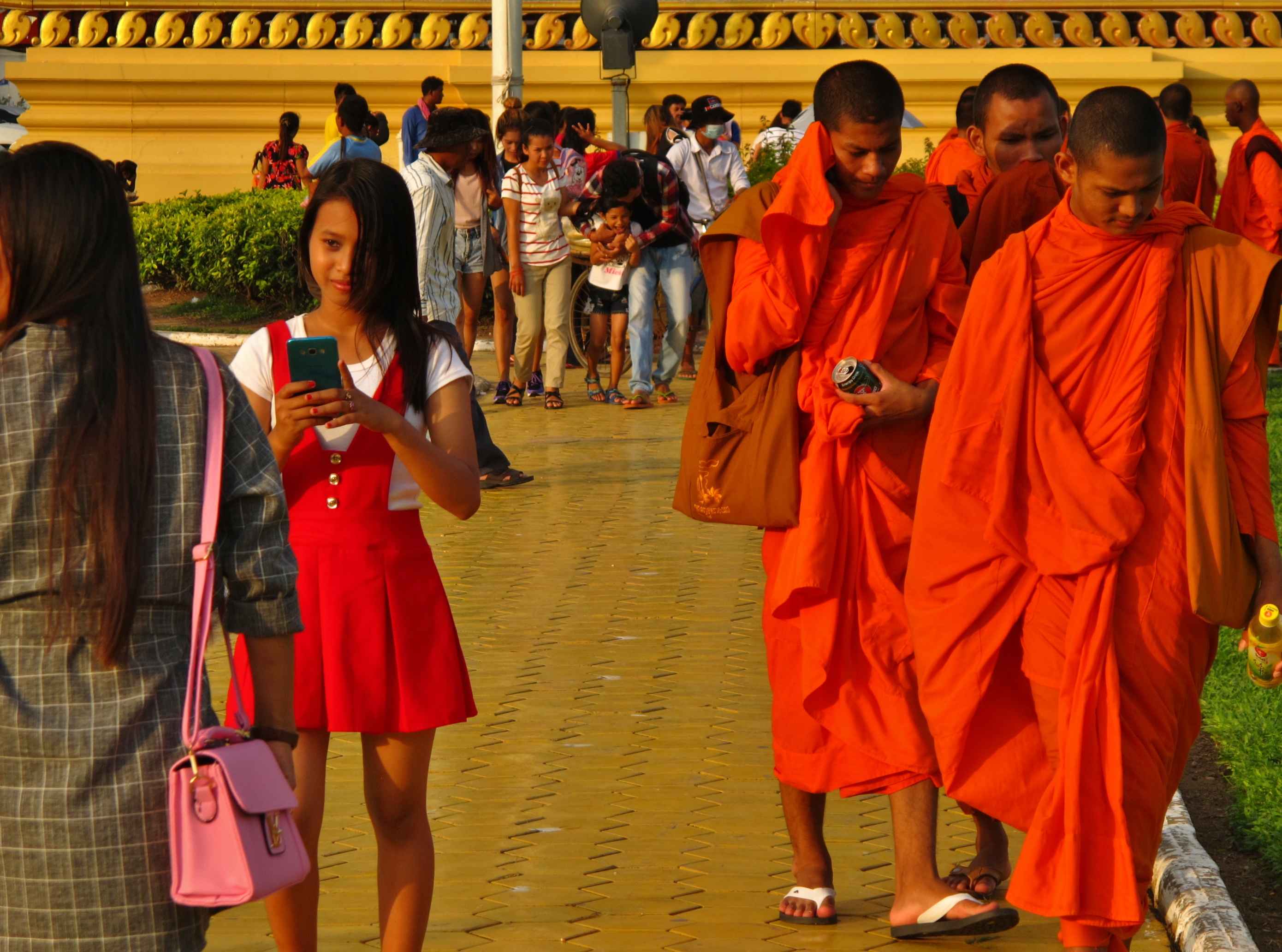
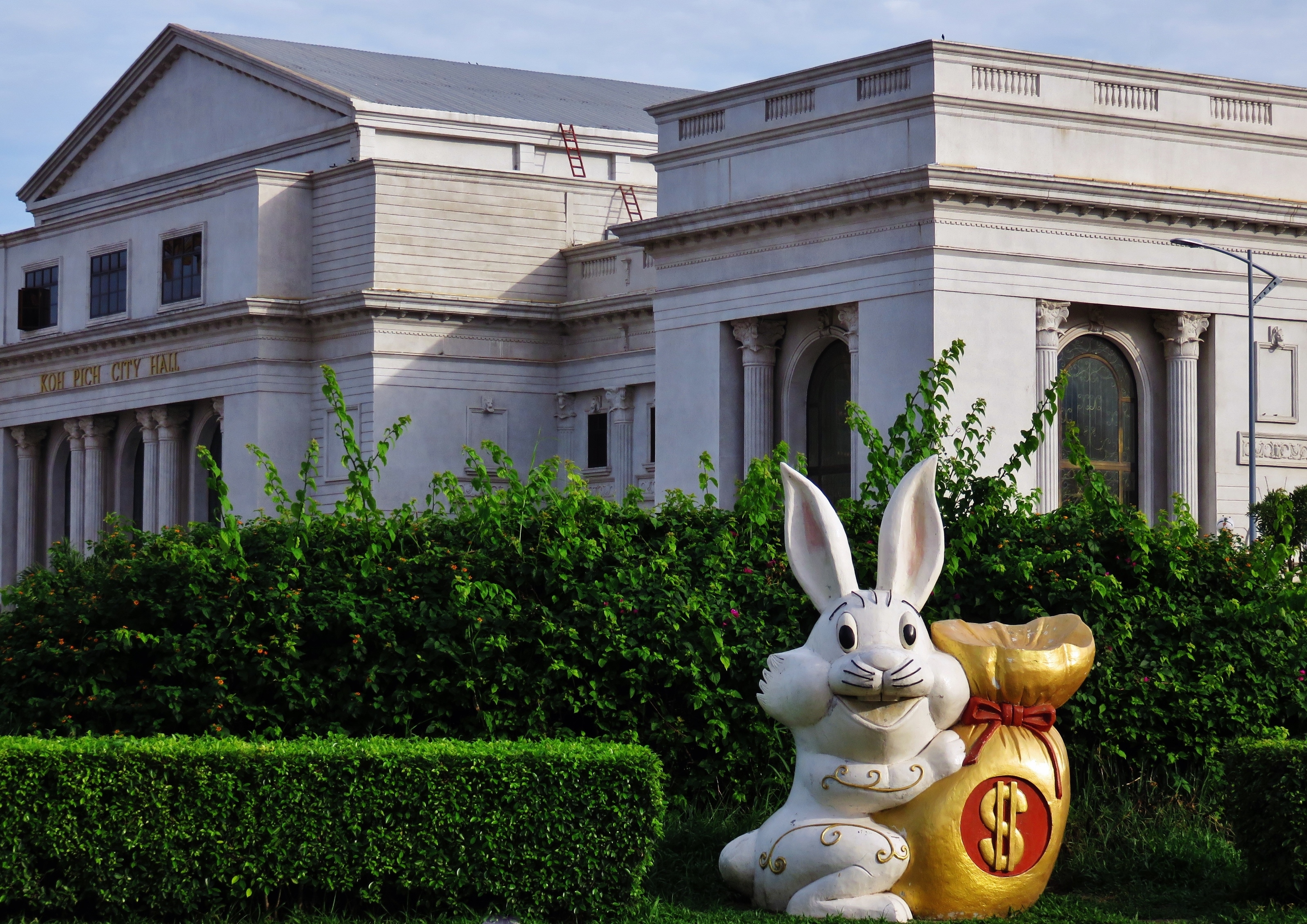
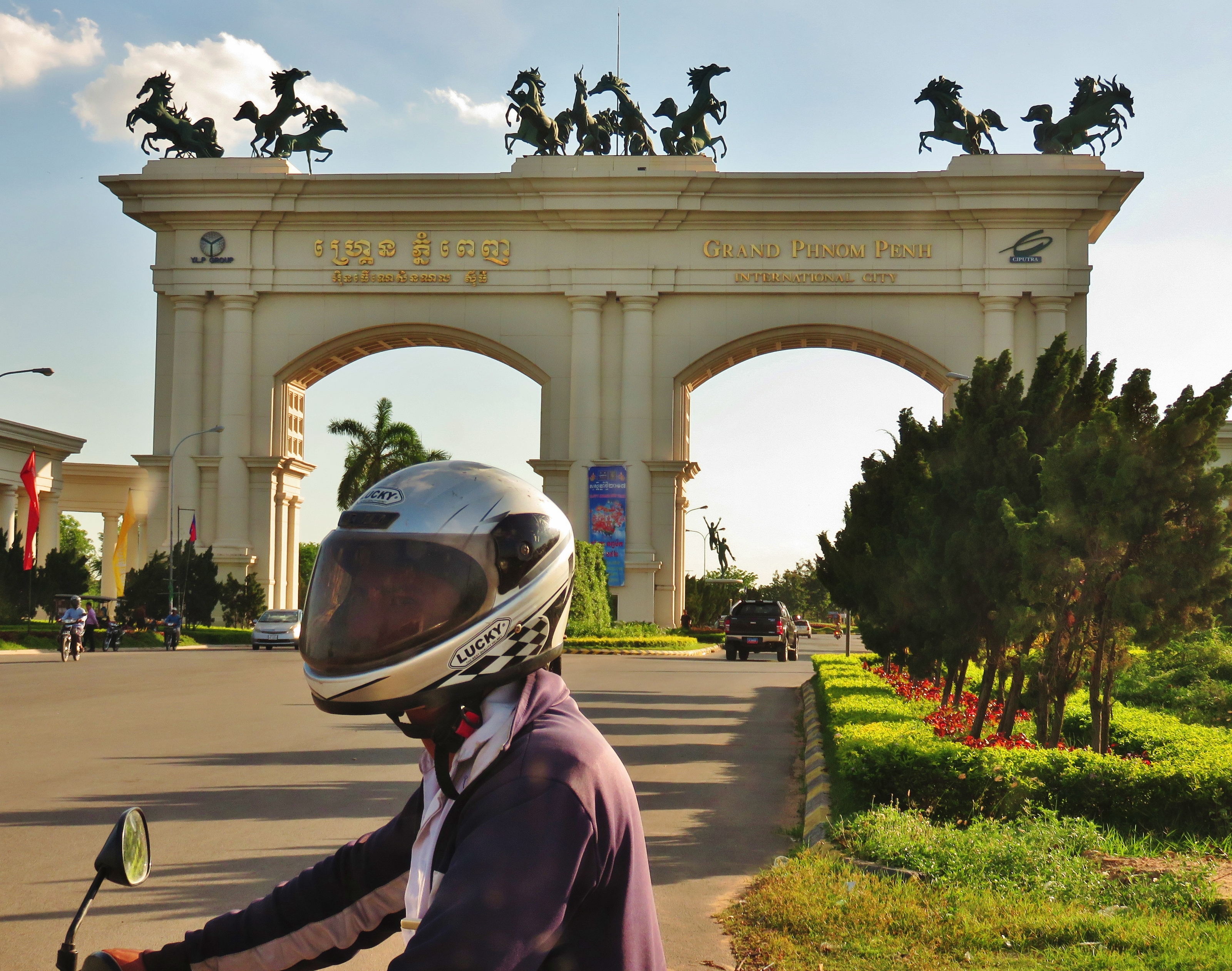
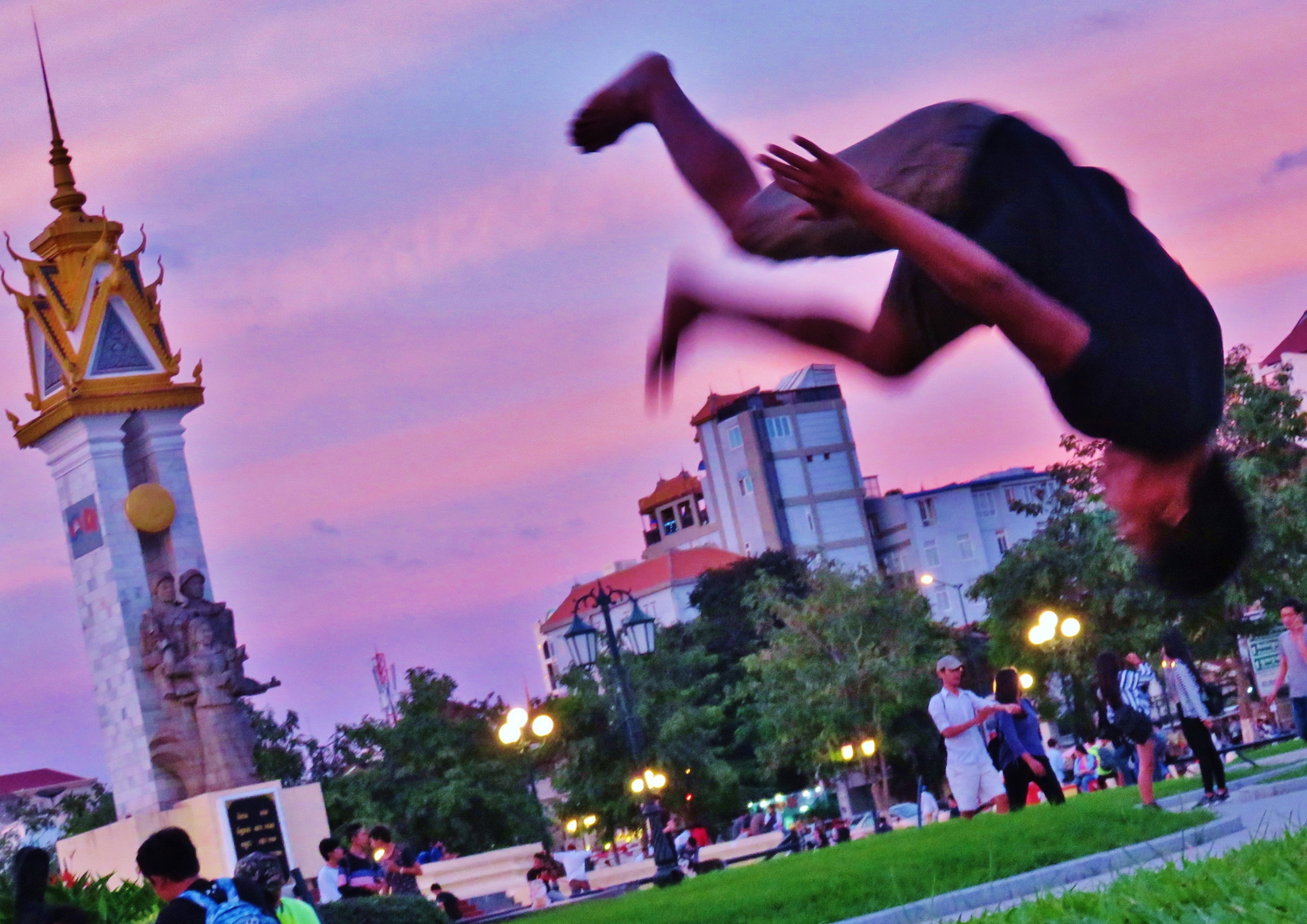
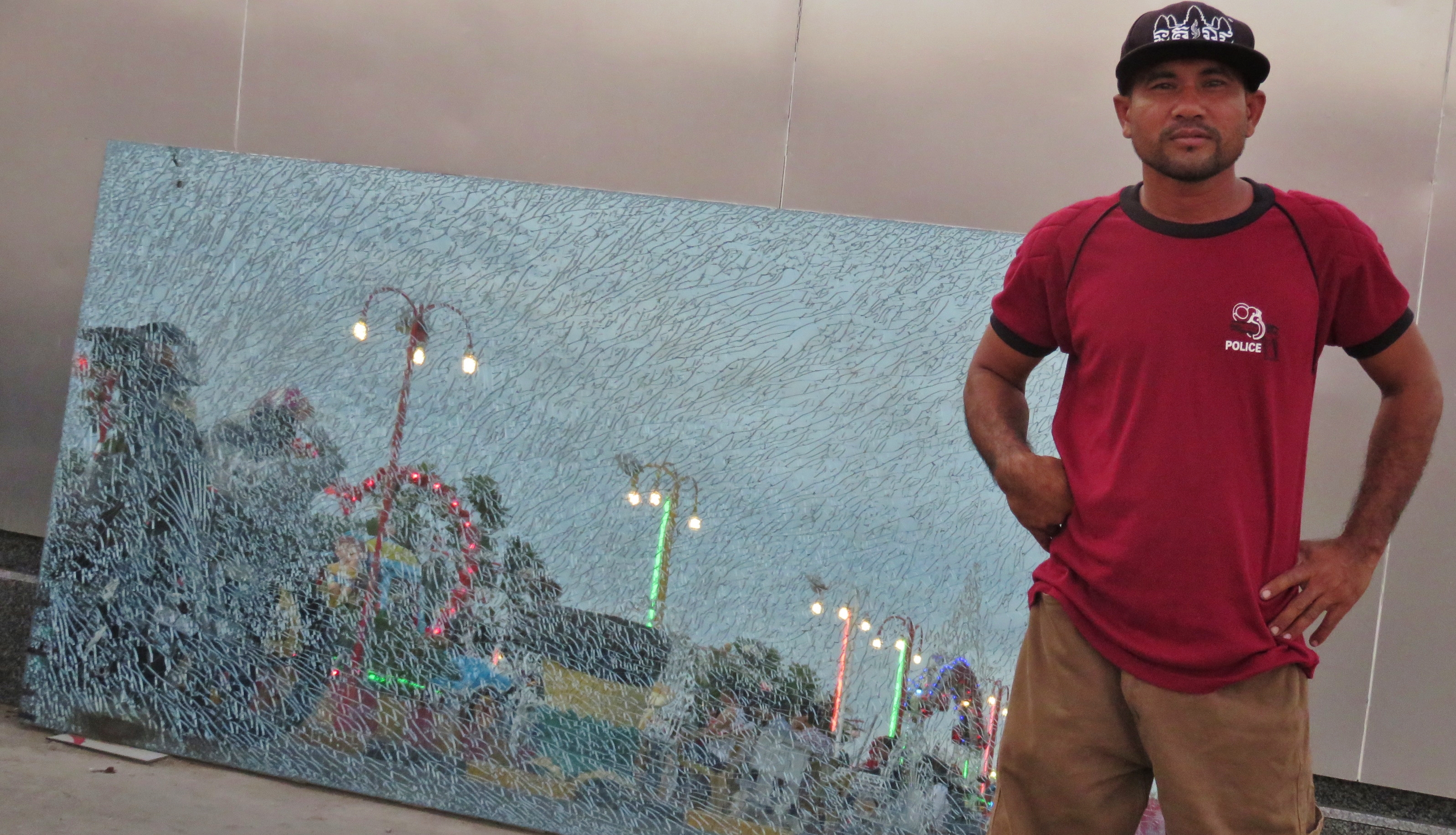
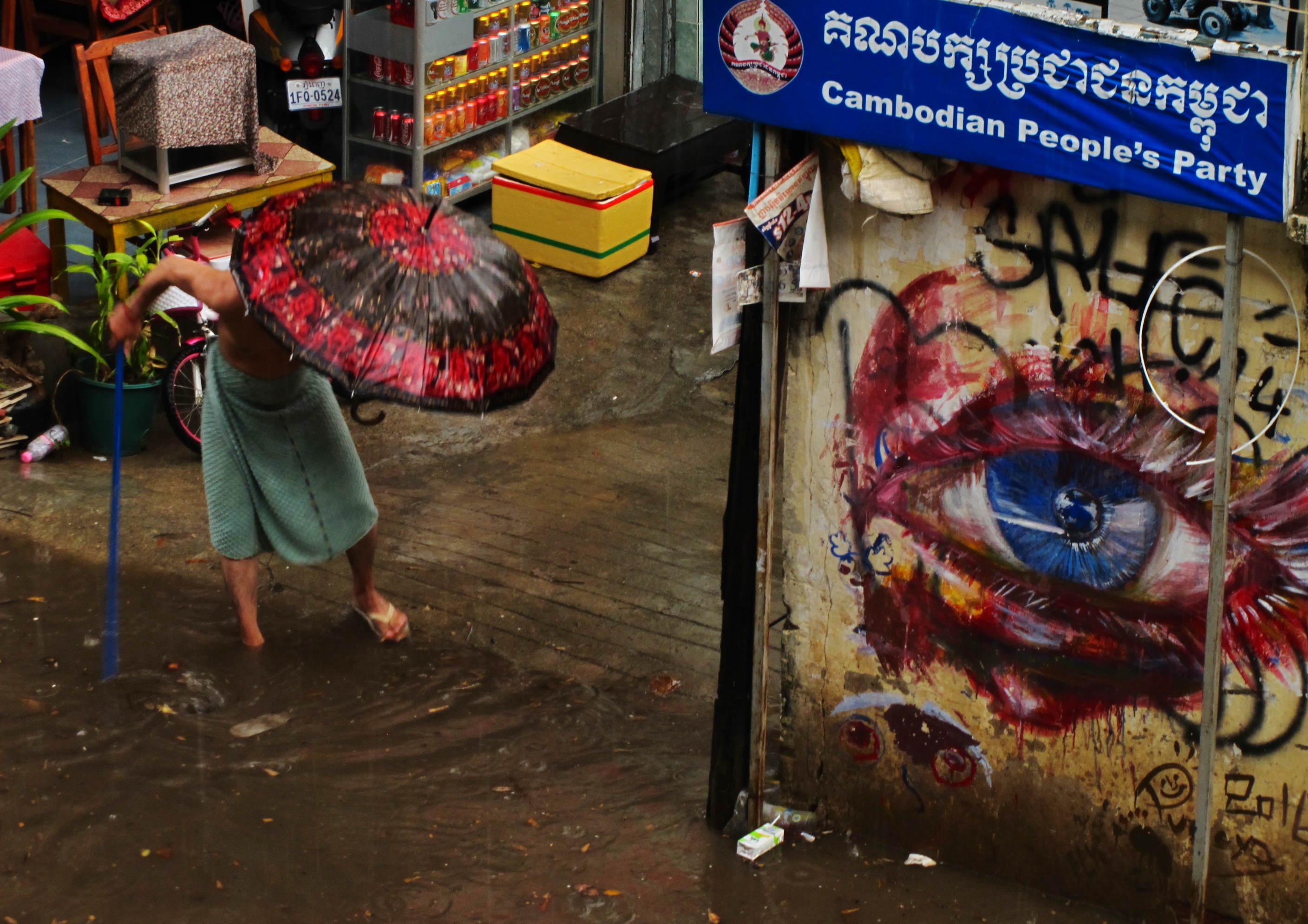
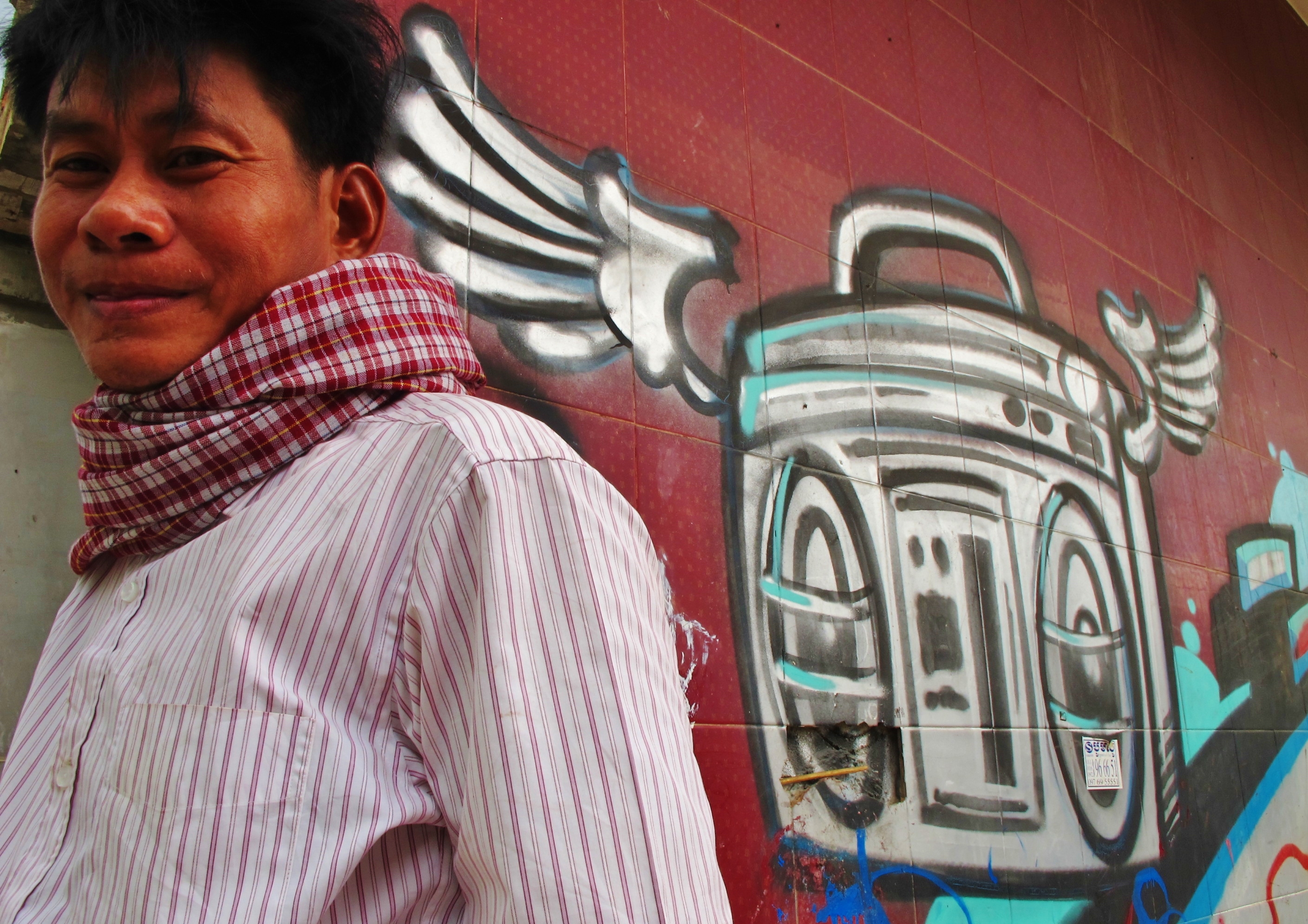
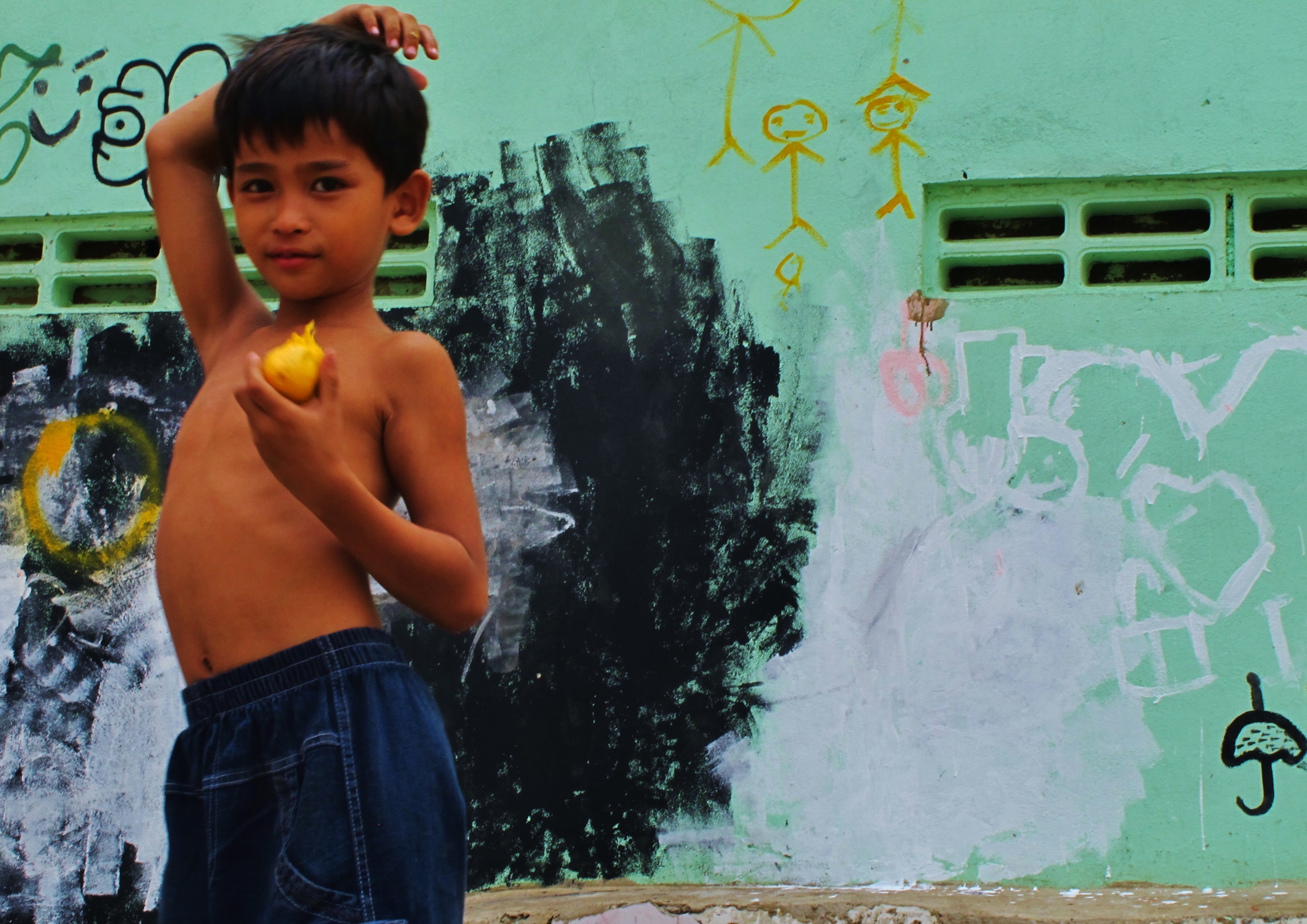
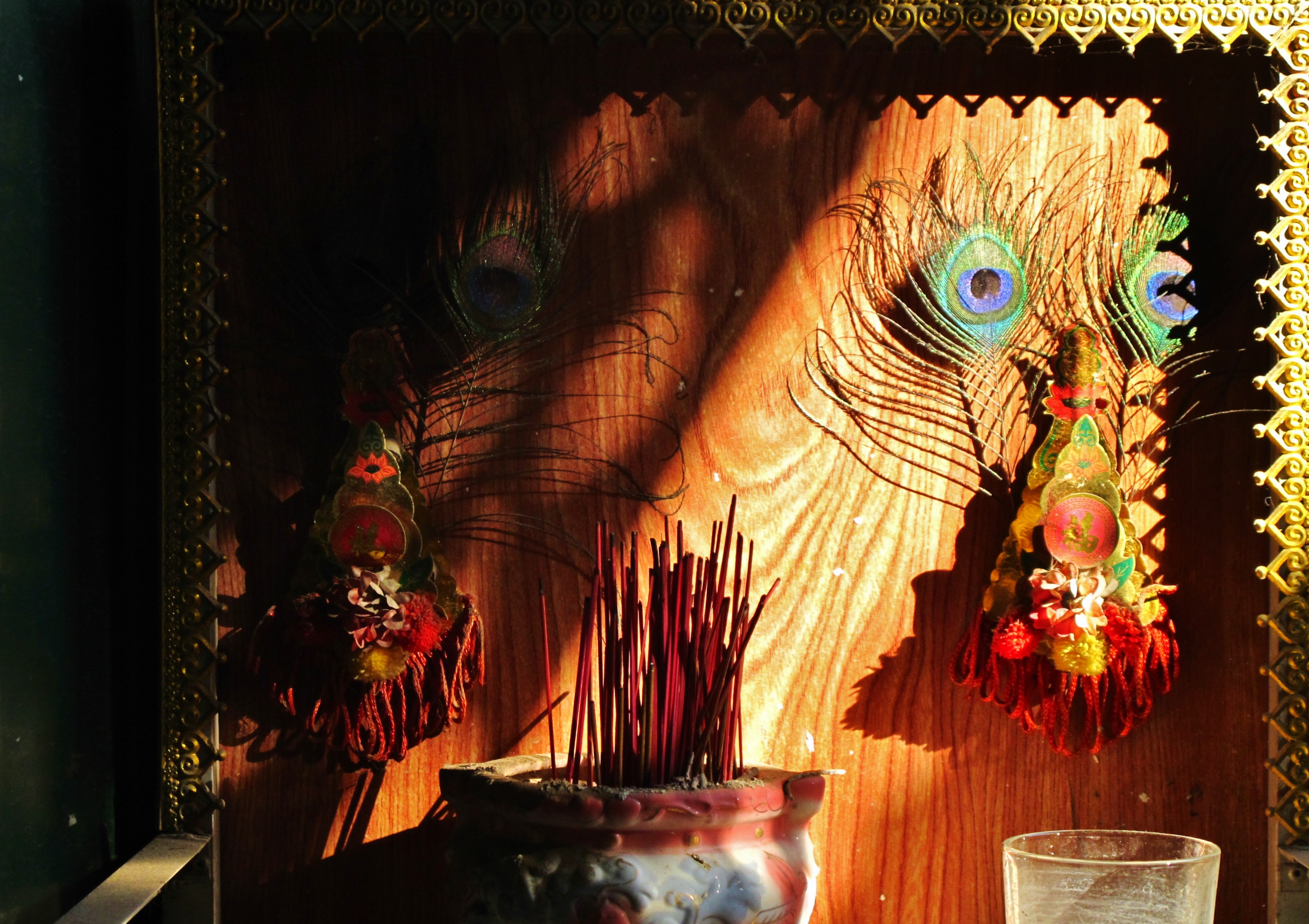
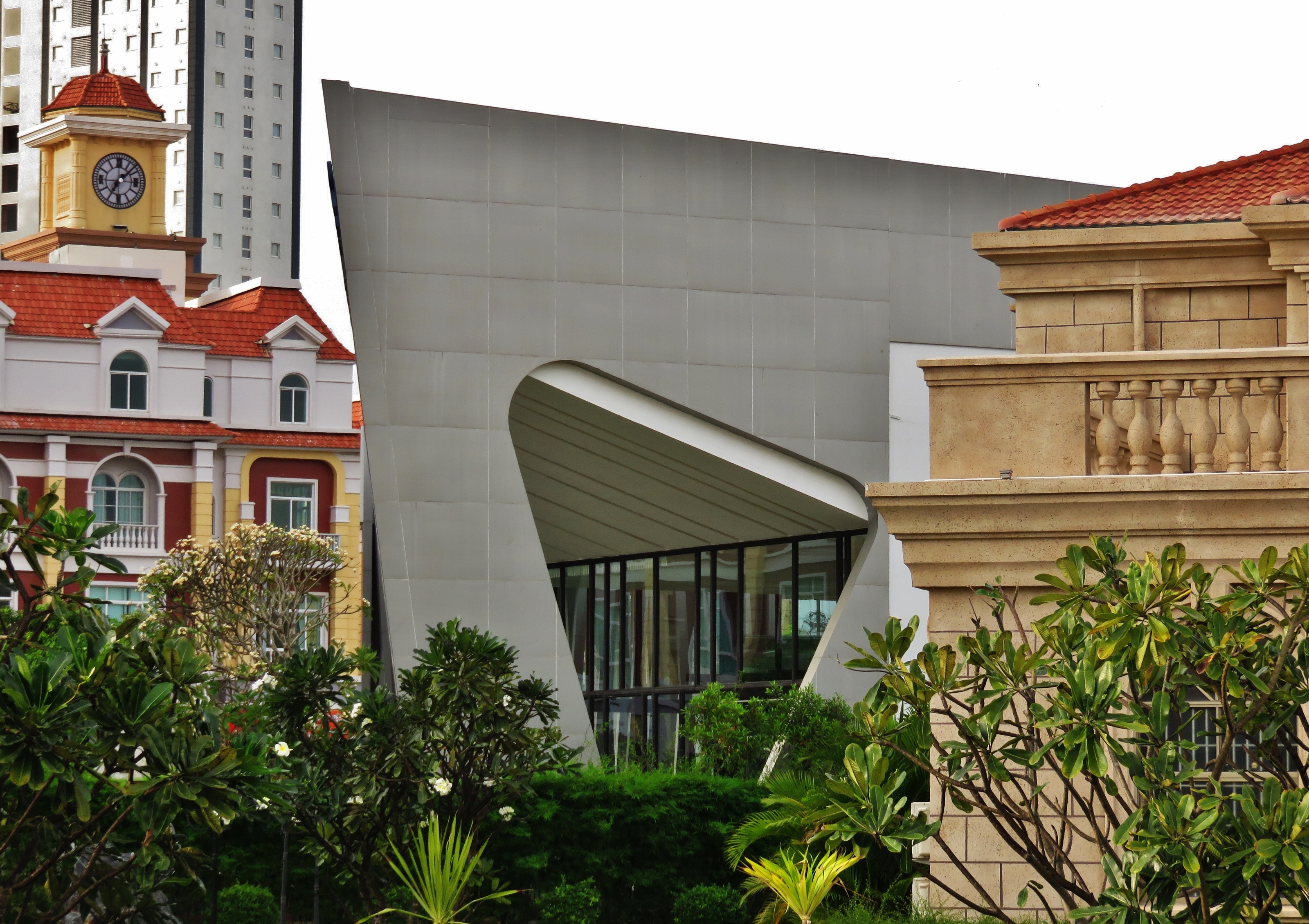
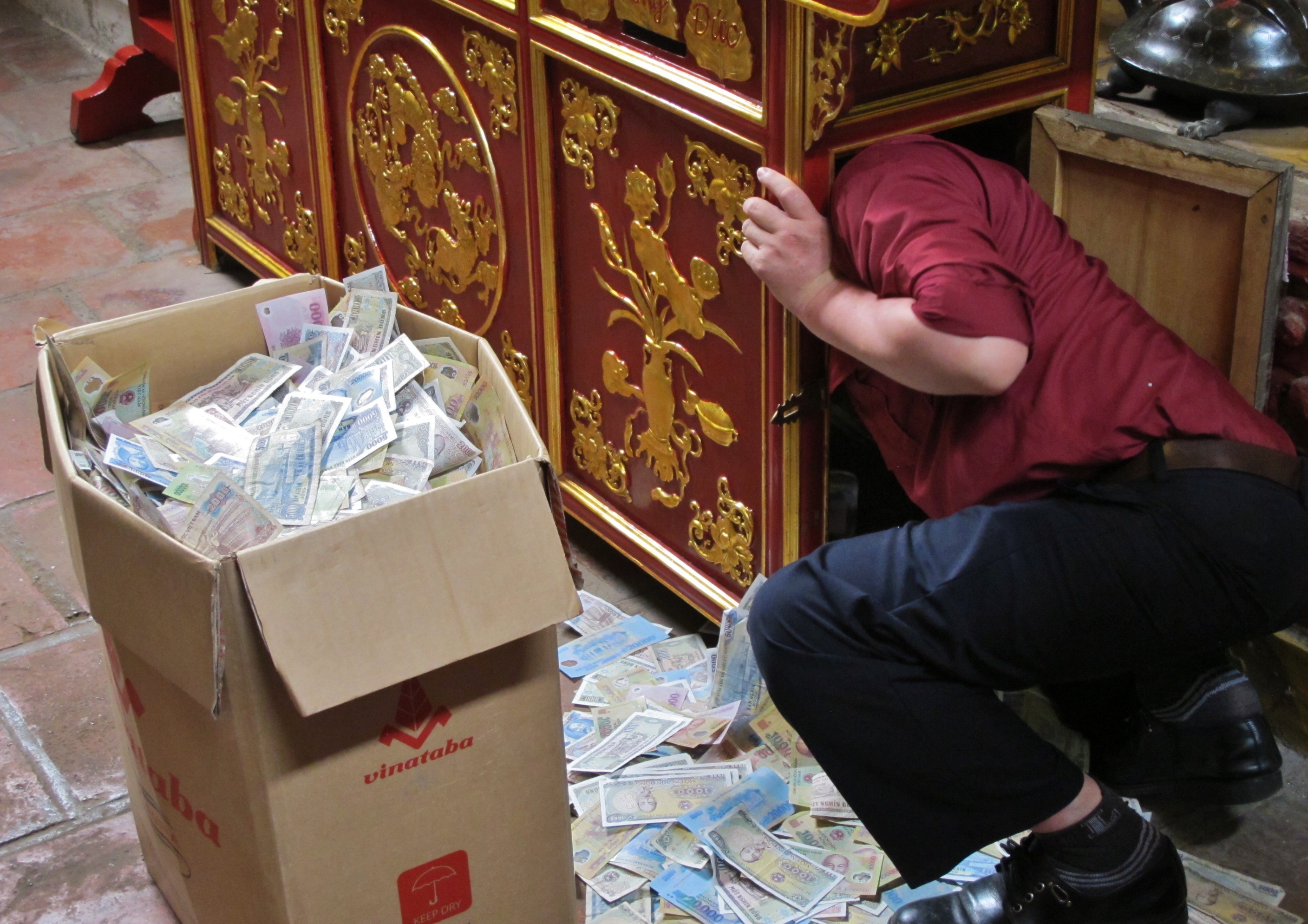
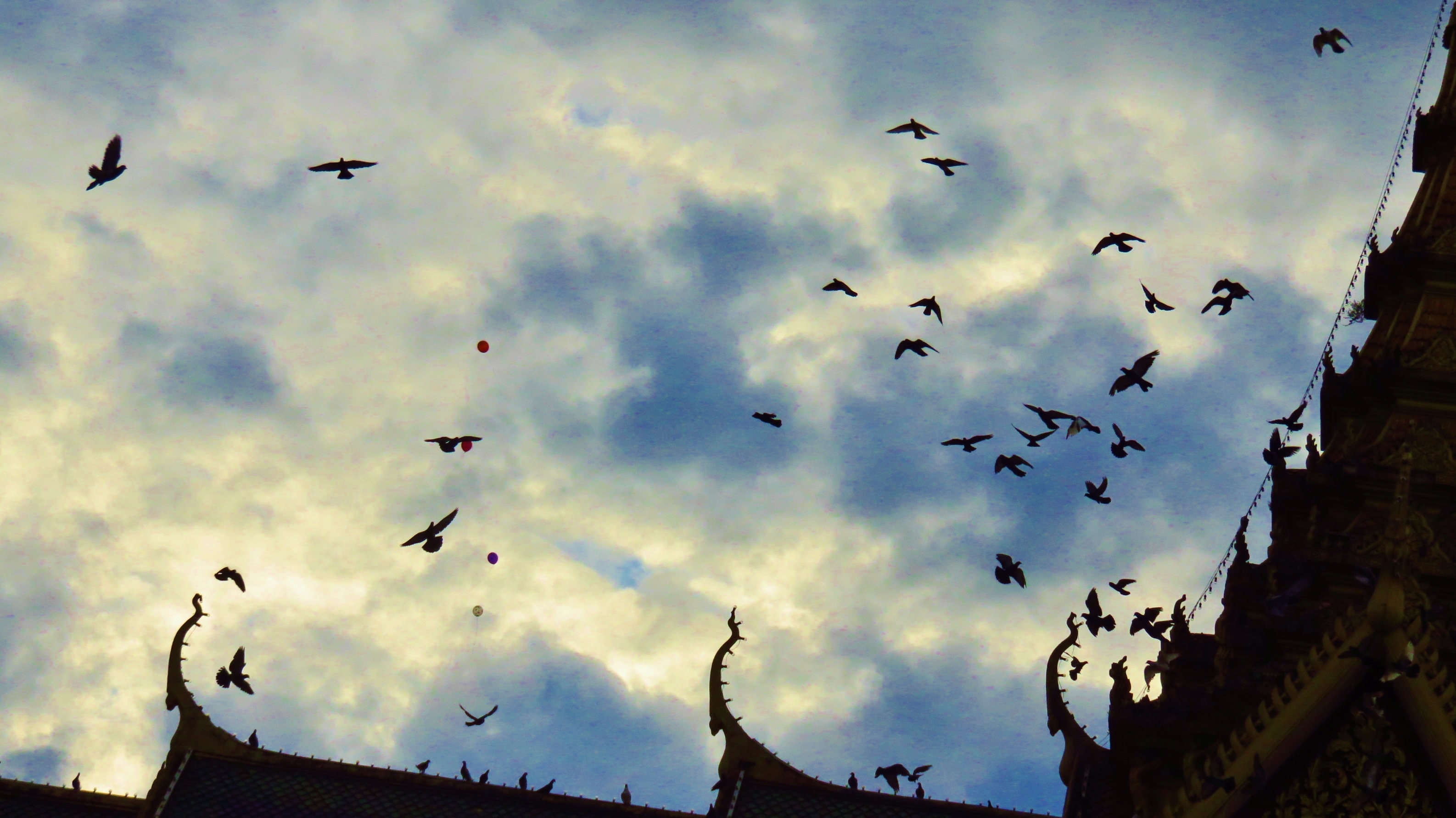
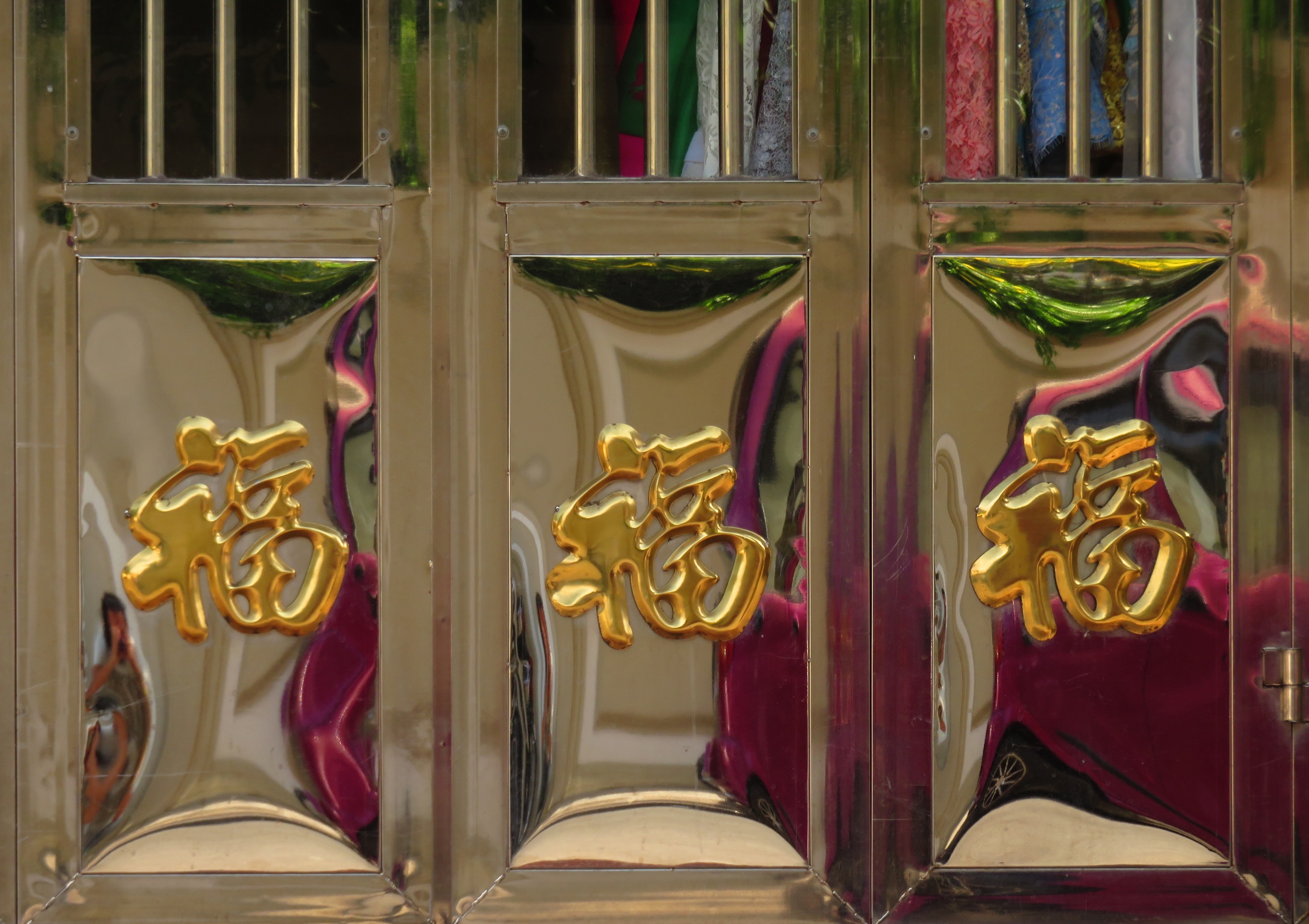
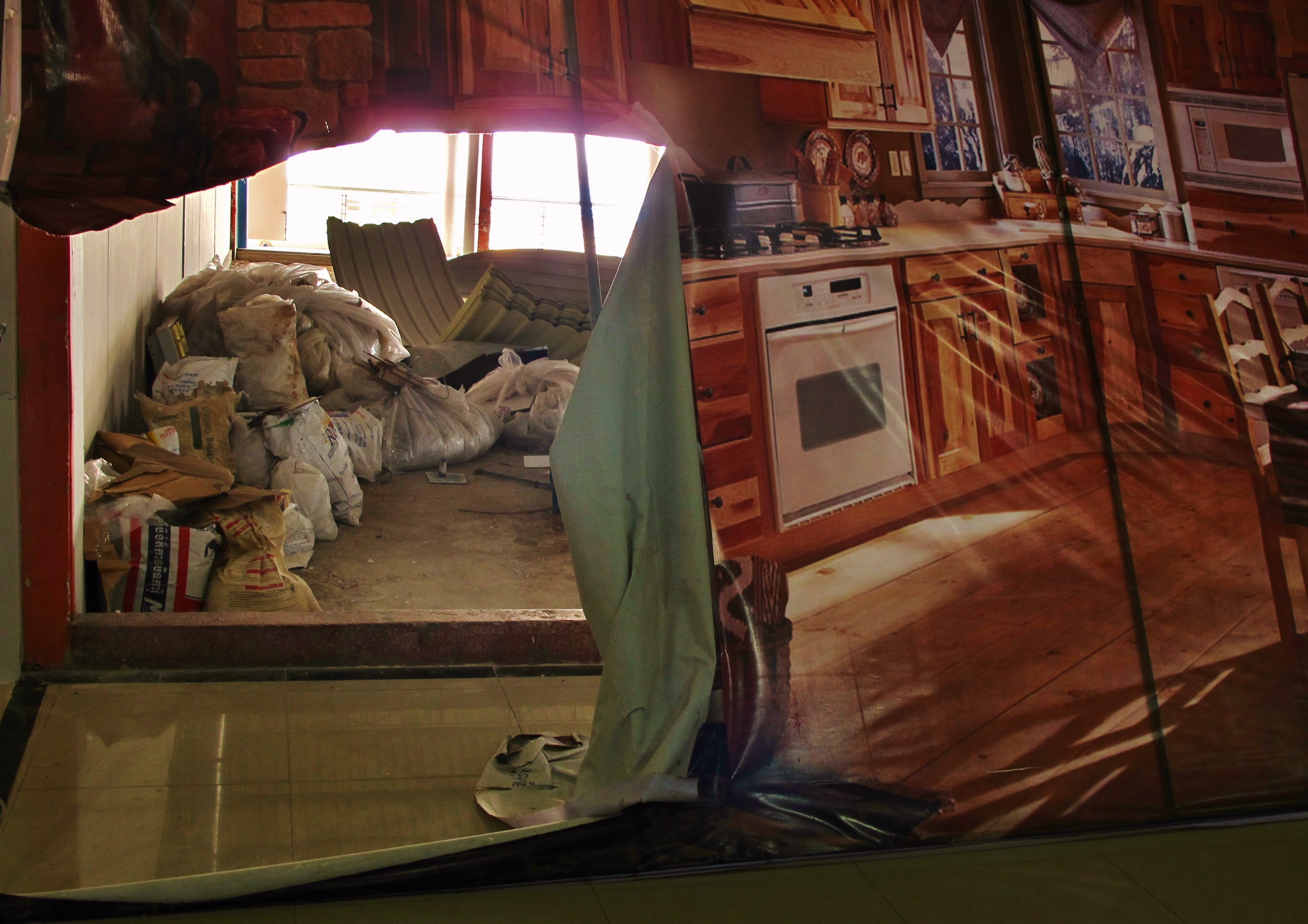
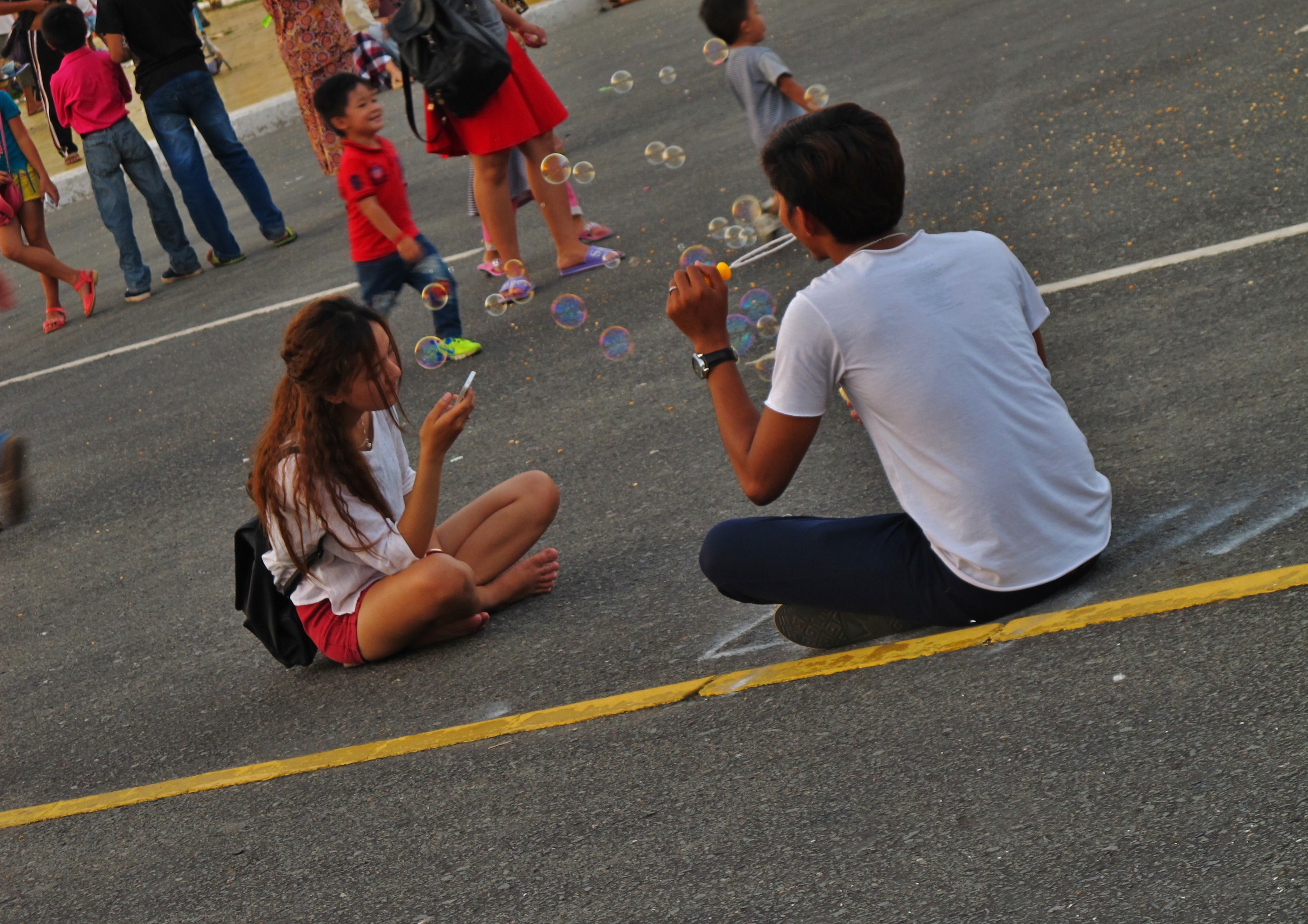
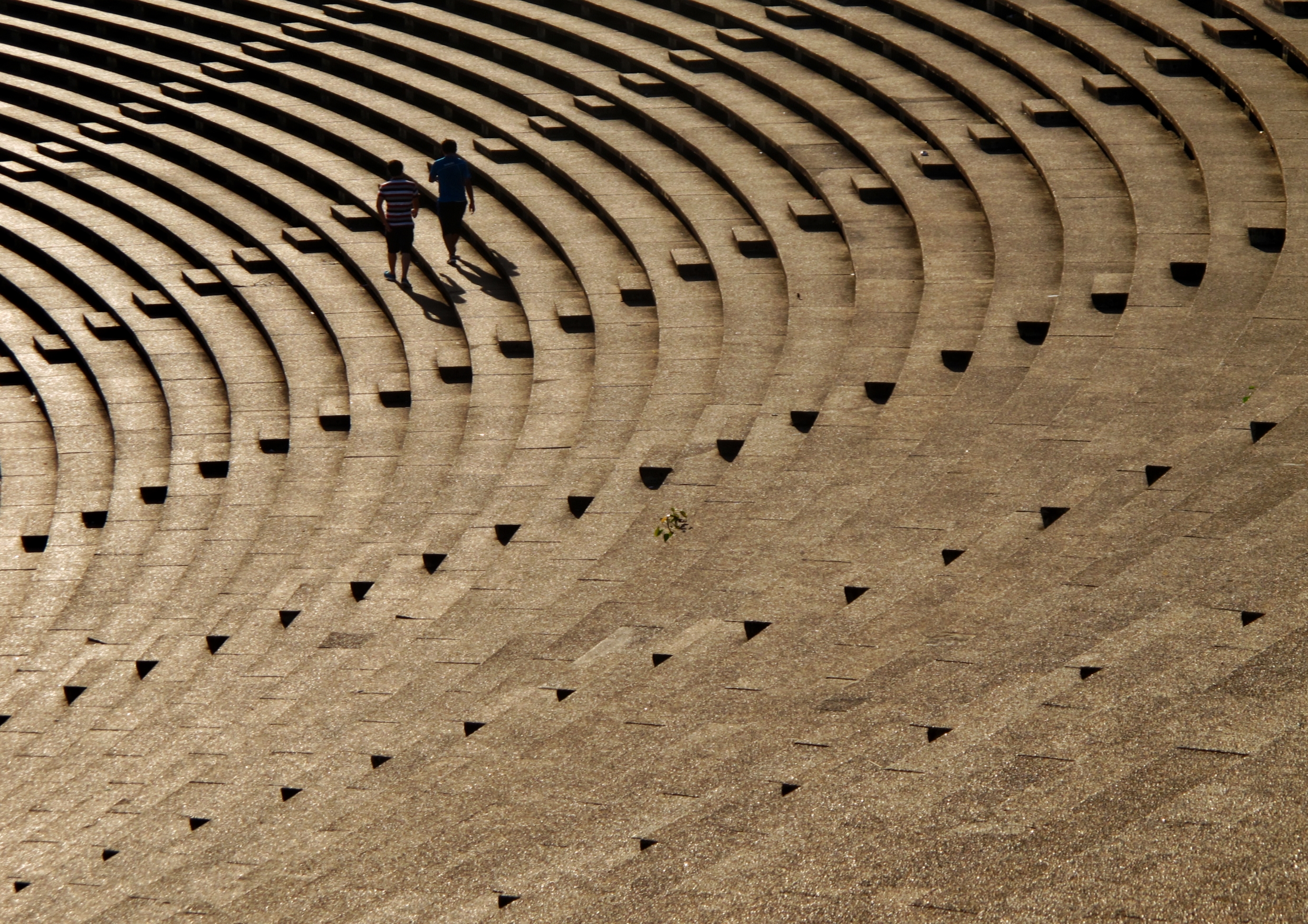
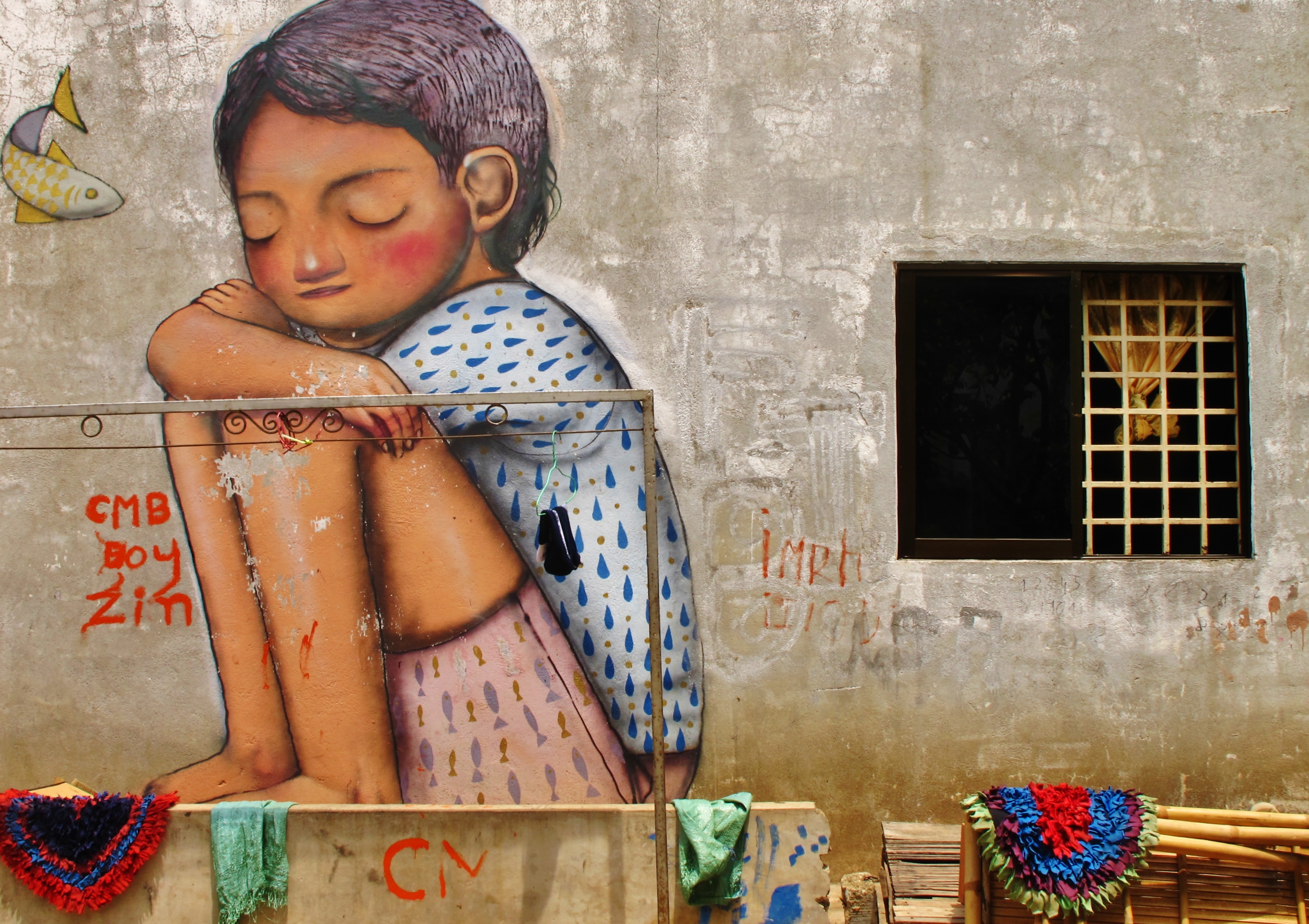
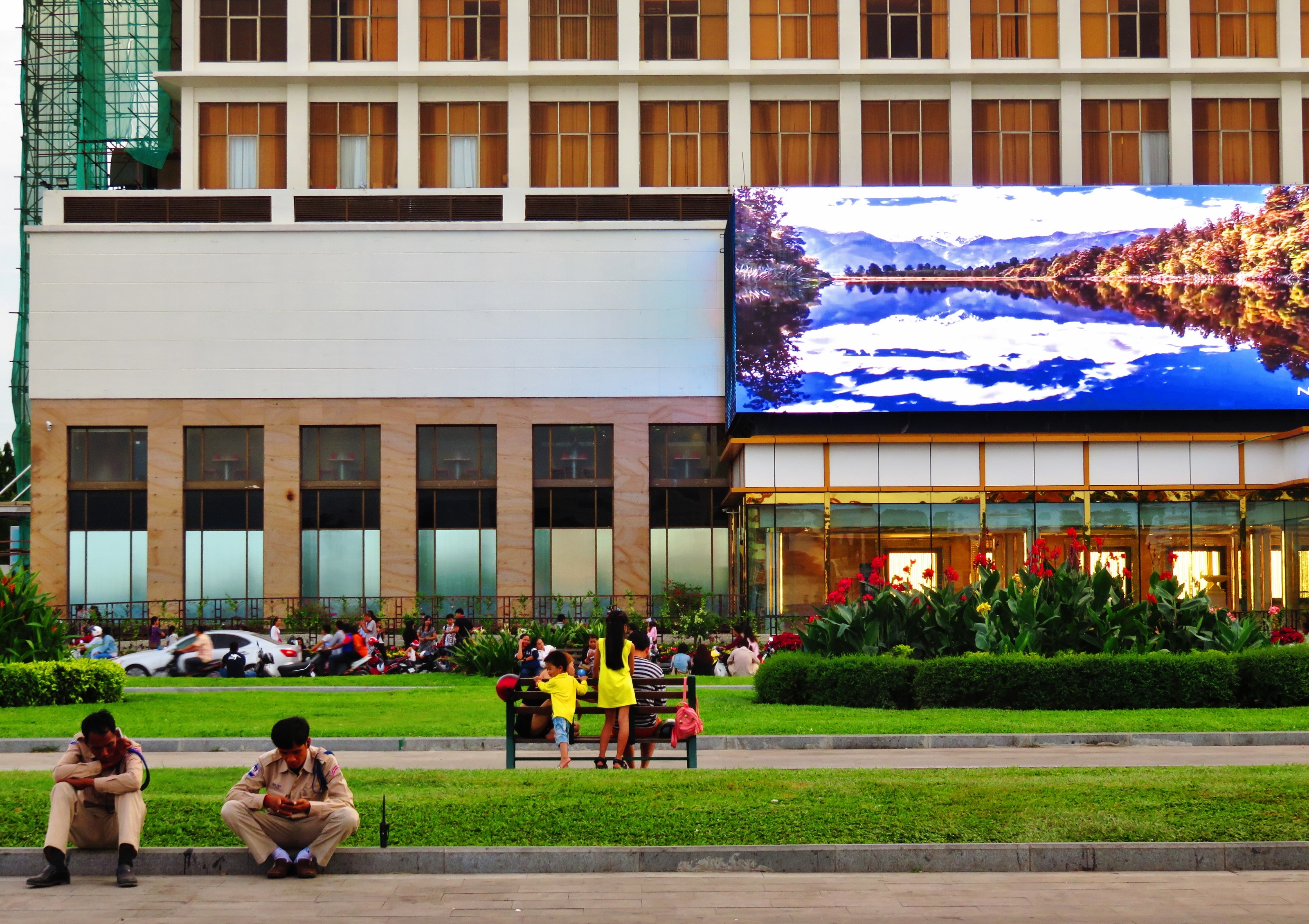
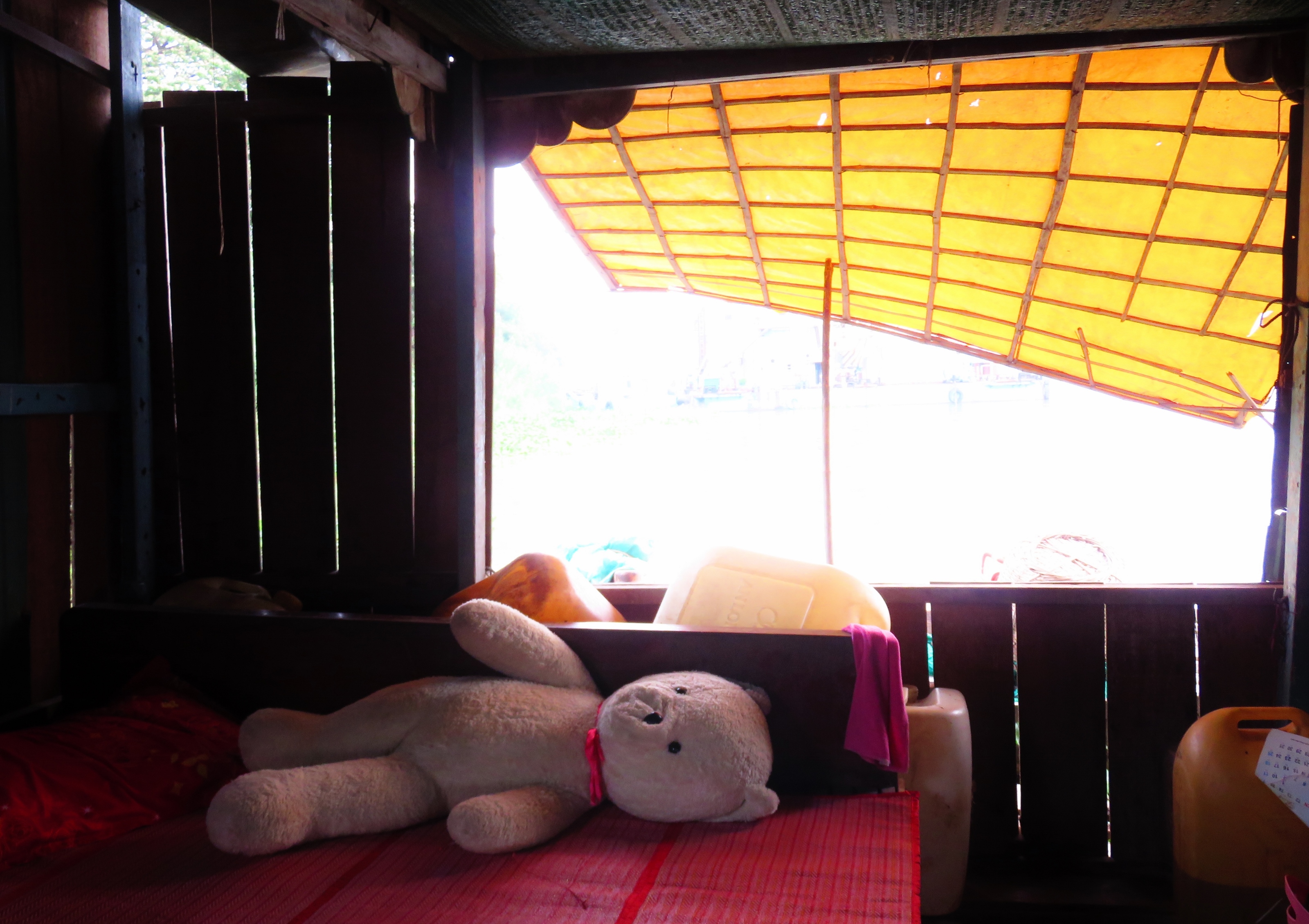
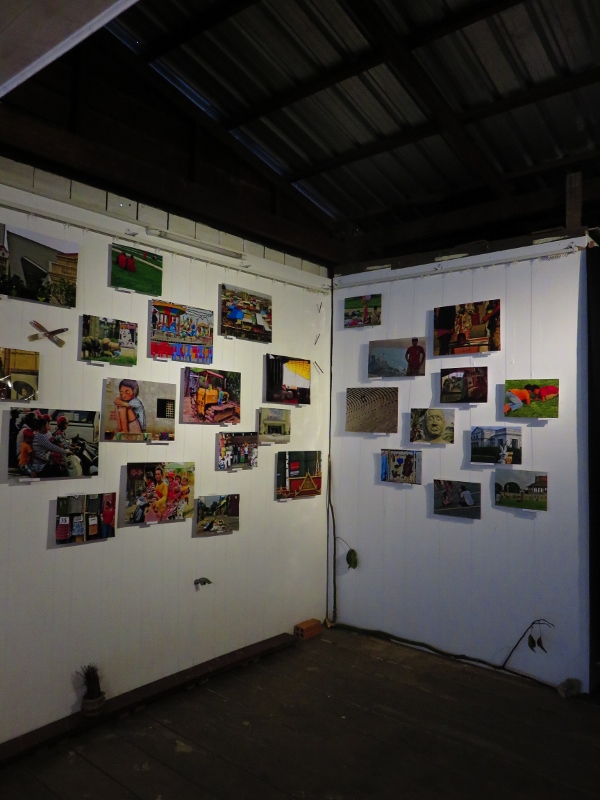
A selection of the photographs shown on the exhibition, in a total of more than 100 pictures exhibited:
















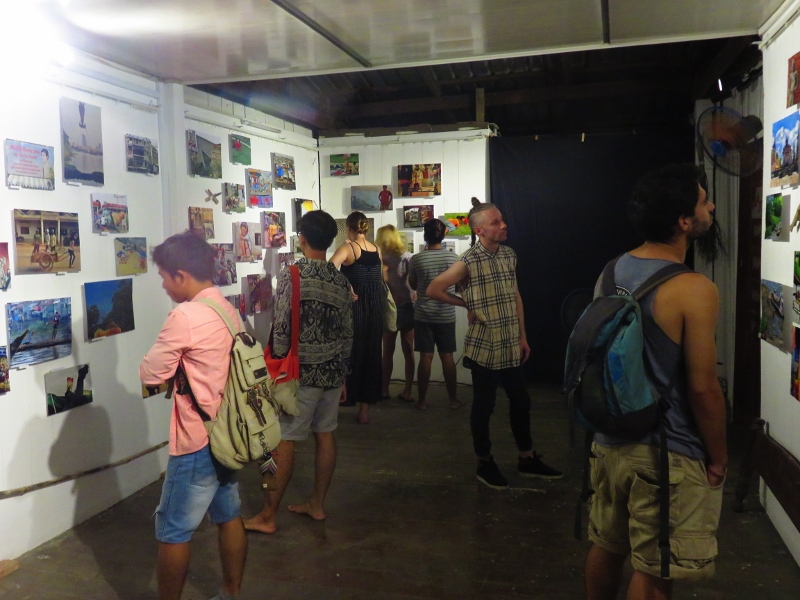
Installation view and opening night


 miguel jeronimo photography