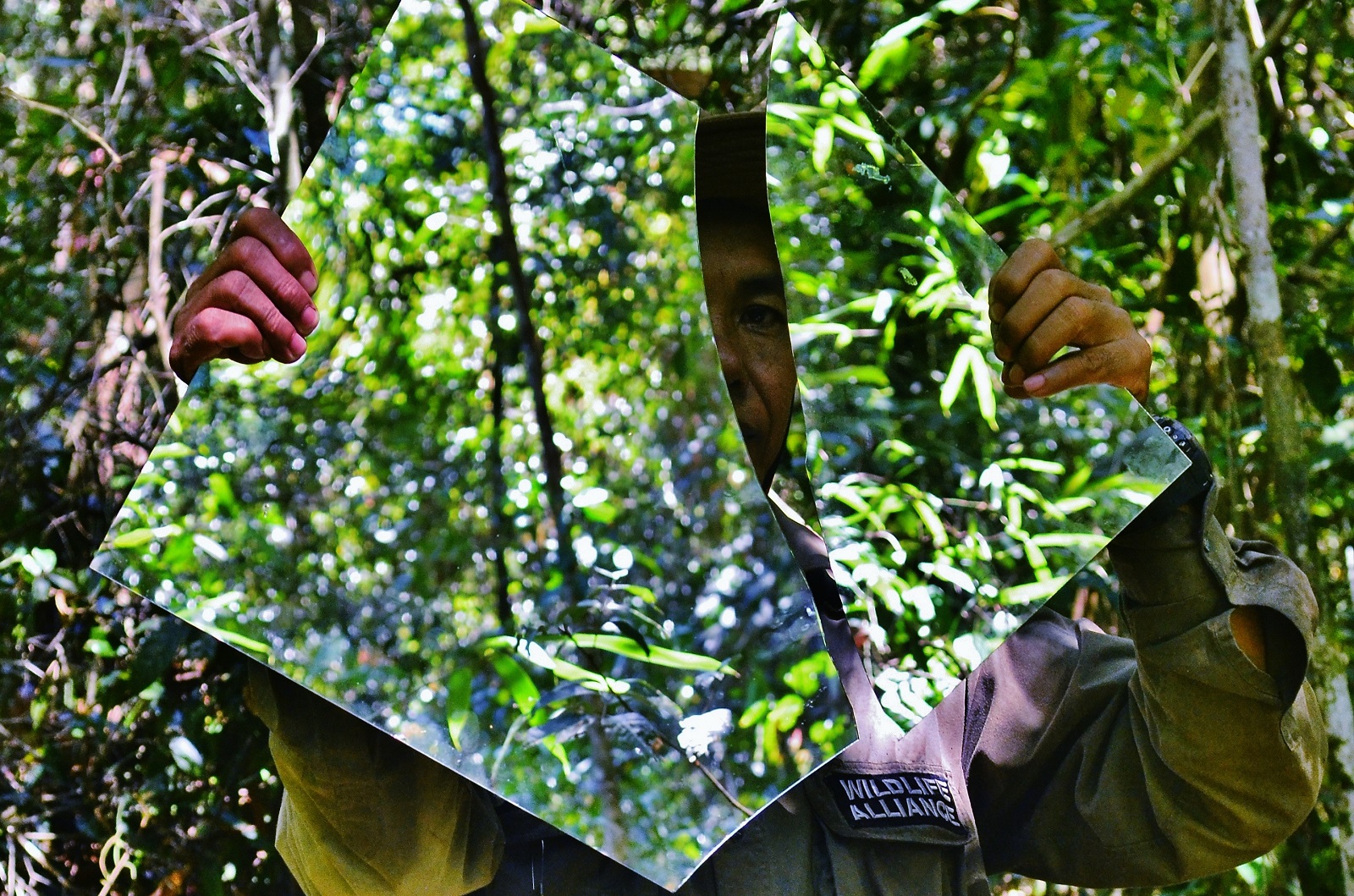
Koh Kong in Cambodia is a region suffering from severe deforestation due to illegal logging and endangerment of many of its endemic species. Poverty and lack of governmental support for development led locals to the only available source of income: hunting the wildlife.
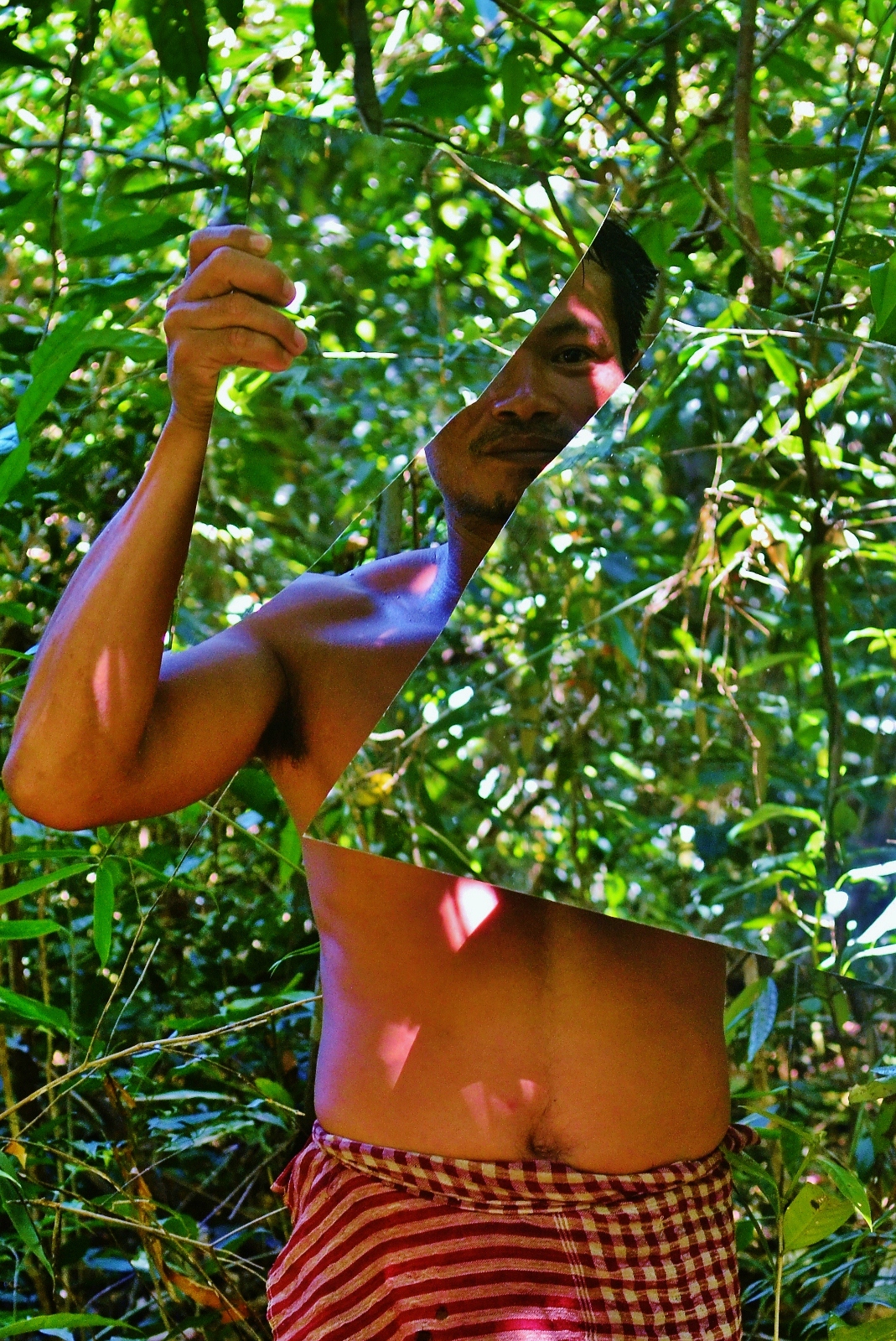
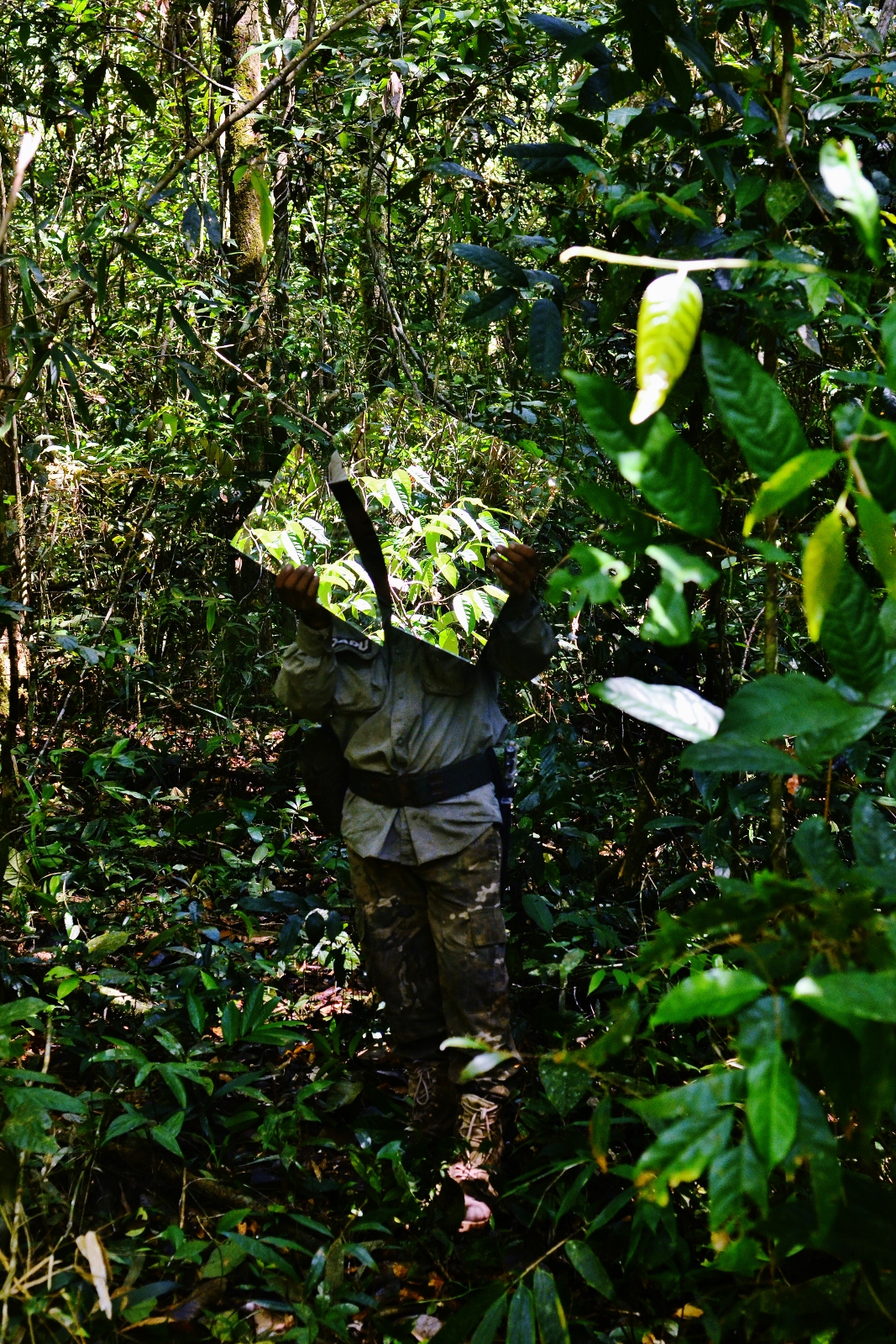
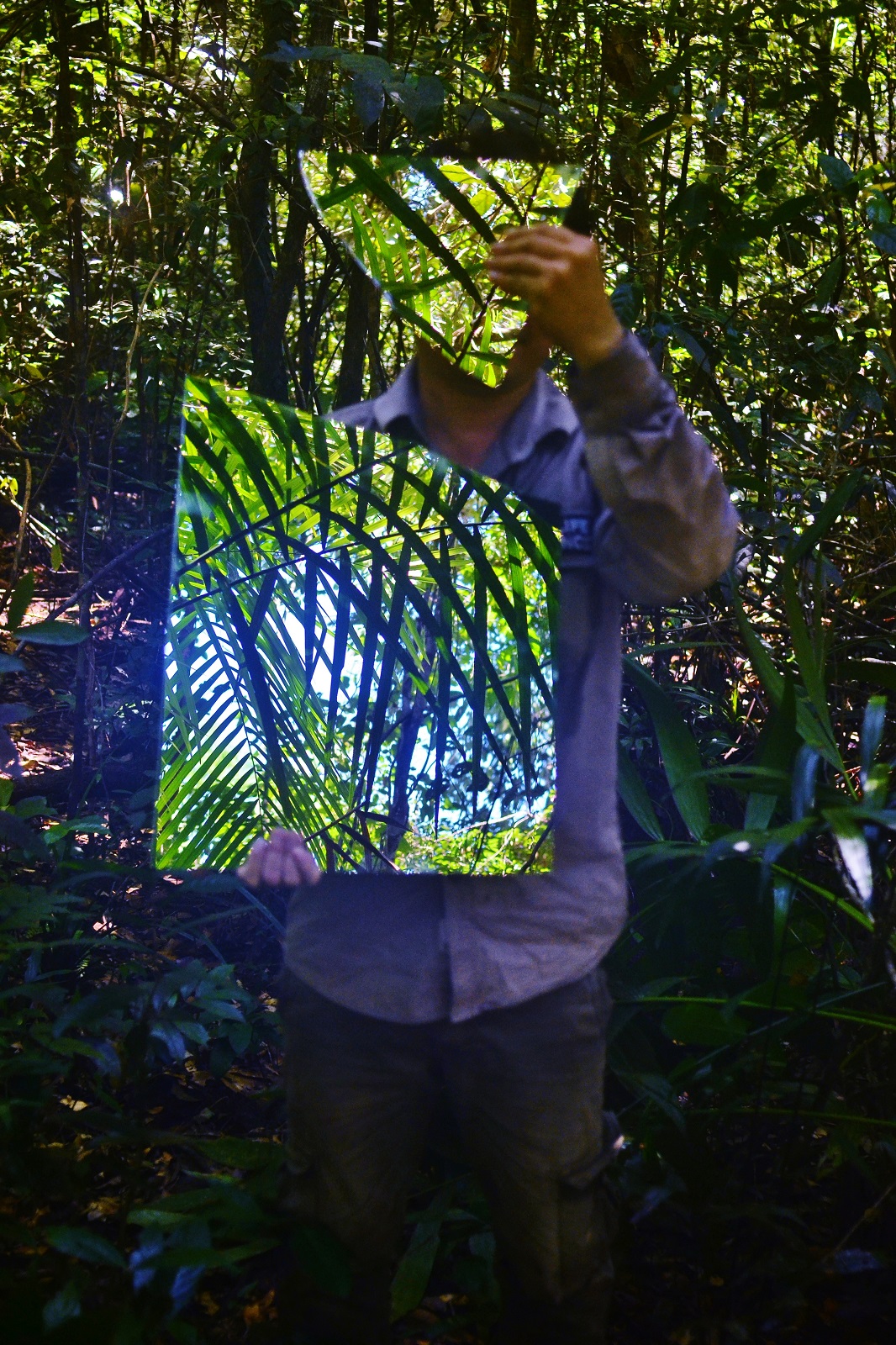
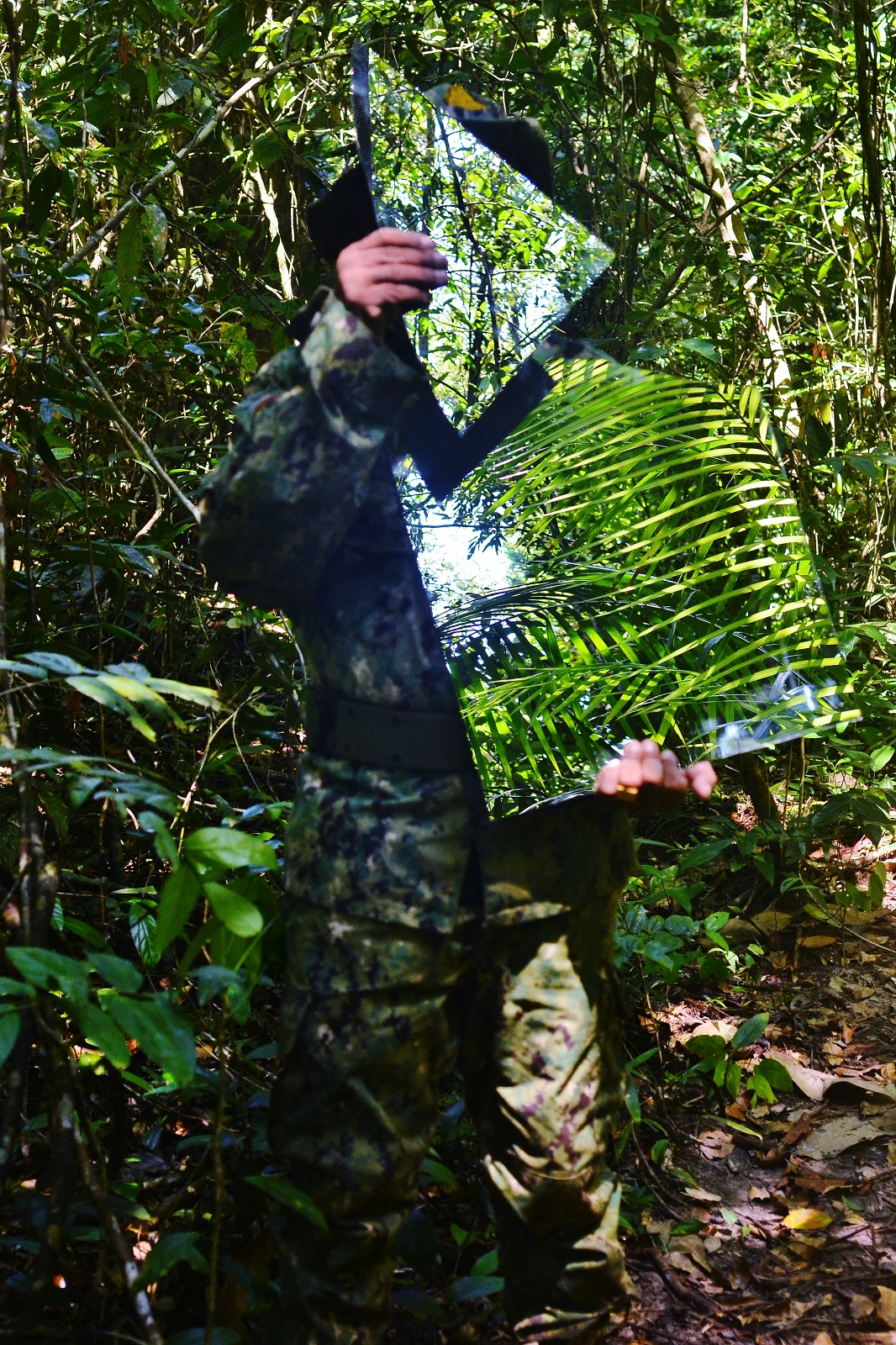
Mr. Koun, 39, Mr. Rith, 39, Mr. Sean, 44, Mr. Meuon, 58, Mr. Sok Out, 53, Mr. Ngeth, 52, and Mr. Rattanak, 36. They are all villagers from Chi Phat who used to poach animals for a living. Then the conservation NGO Wildlife Alliance approached them with awareness initiatives and training, convincing them and other villagers about the need to conserve the forest and the ecosystem. Now the majority earns their living through eco-tourism businesses and a few are being employed as rangers to patrol the jungle in search for the ones who don’t comply. They destroy animal traps, look for signs of illegal logging and arrest hunters.
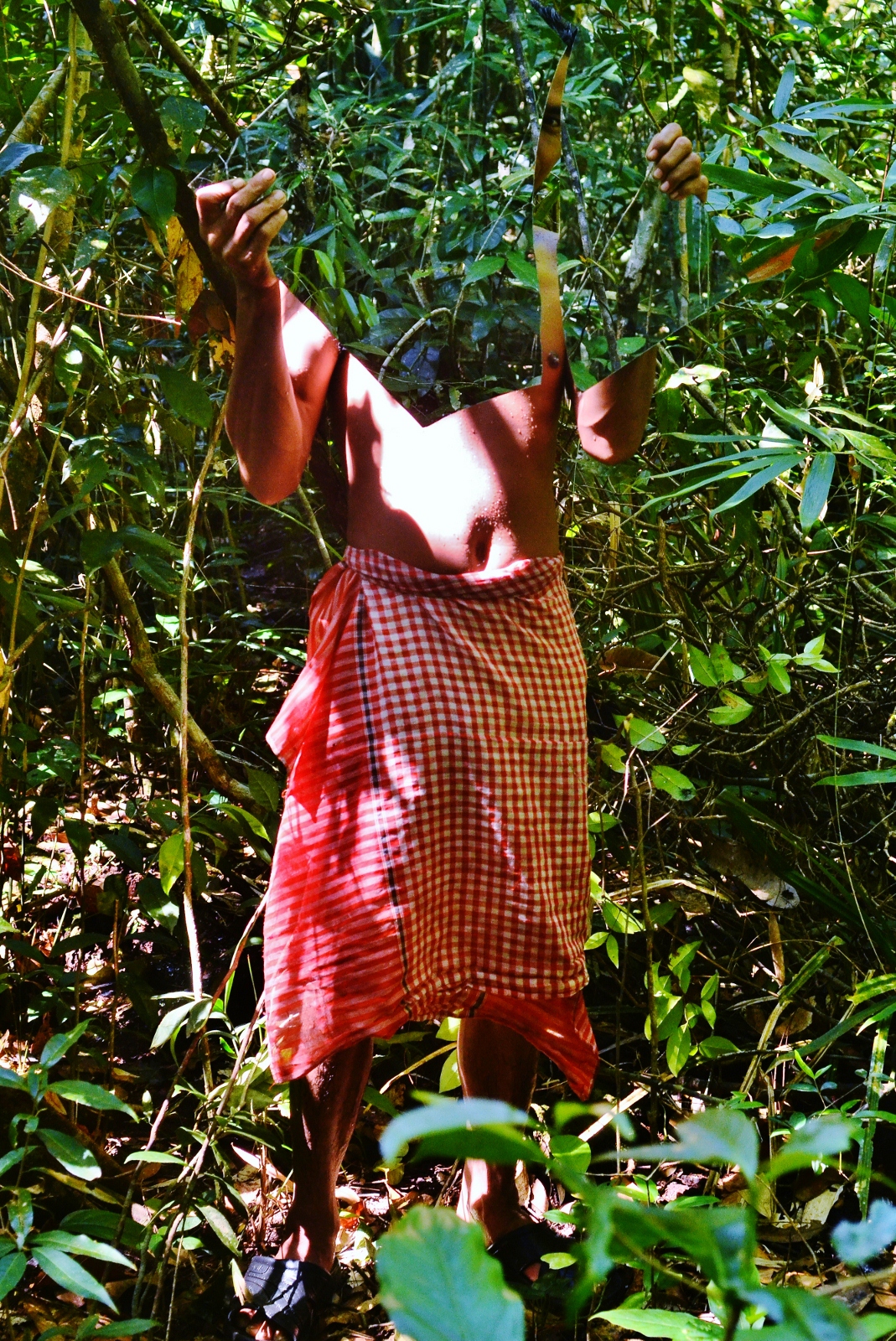
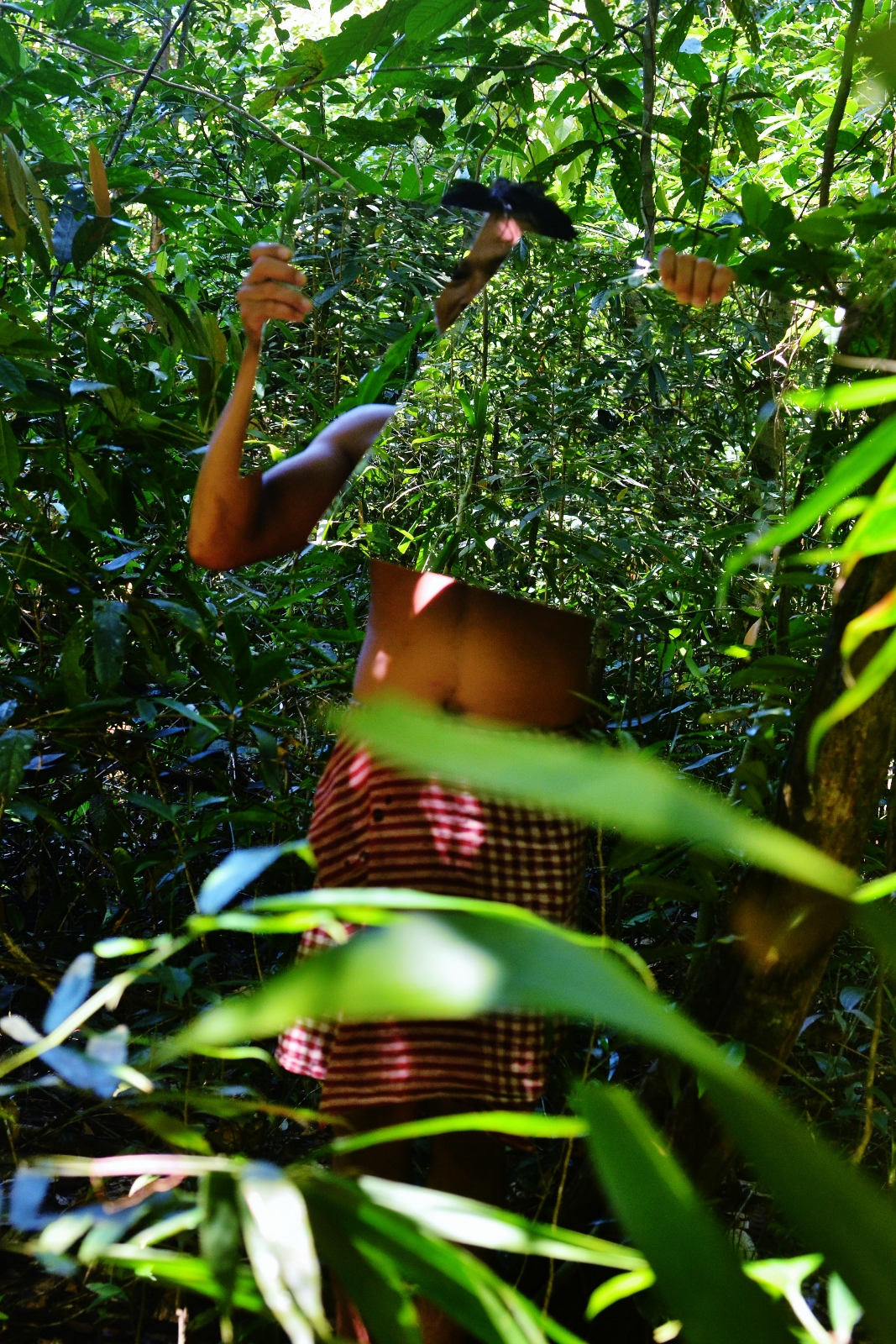
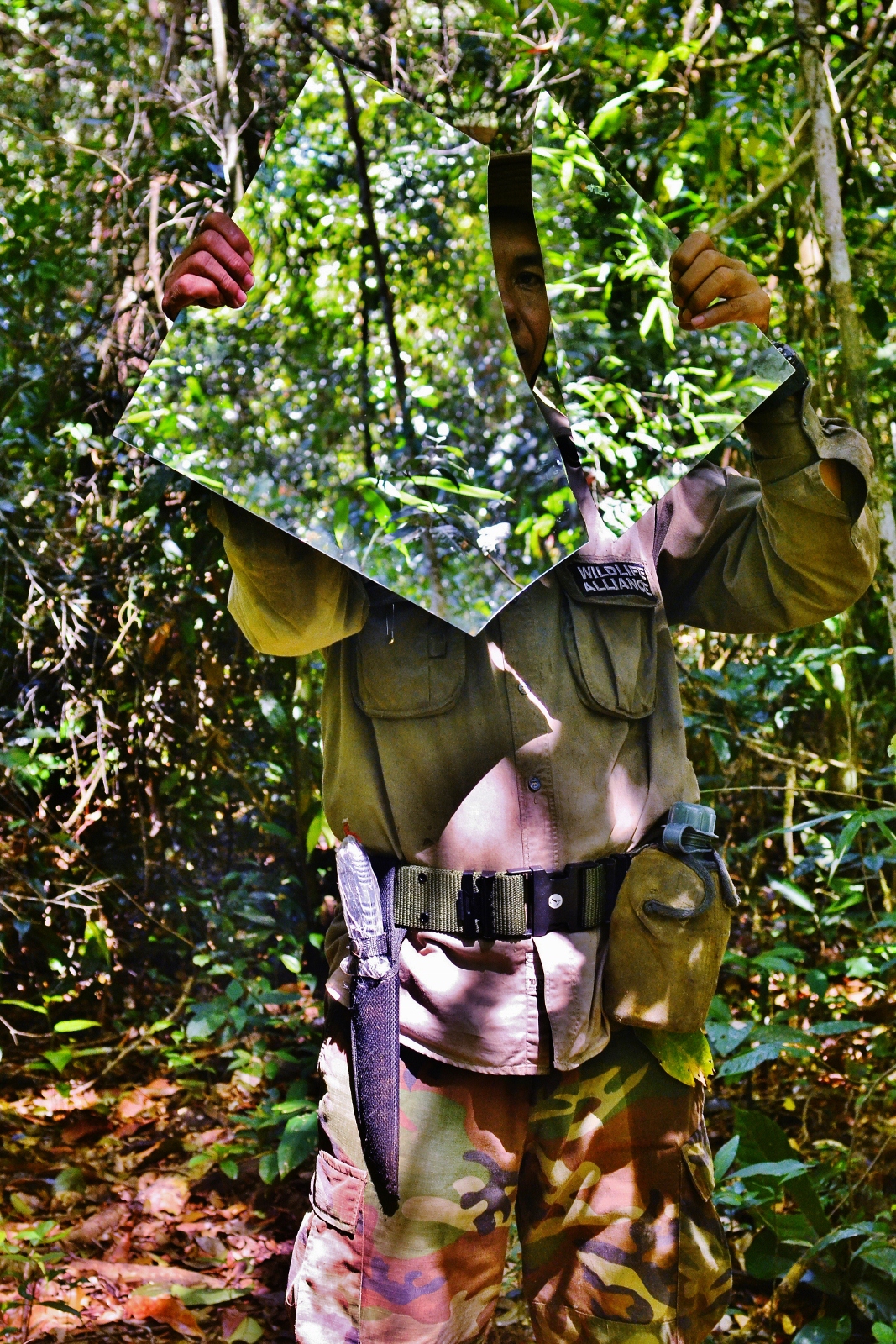
This is a series of conceptual portraits of these former poachers turned into forest rangers. They are photographed holding pieces of broken mirrors in front of their faces with the reflection being the forest – as a symbol for their new care for nature, the breakthrough that led them to see beyond and keep the jungle on their minds.
It’s also a reminder that better ways are possible, rejecting old practices in exchange of more environmental ones. Always co-creating with local communities, finding approaches that take into consideration all the beings involved: trees, animals, people.
“I like to be a ranger and enjoy protecting the animals and nature for the next generation. Occasionally we have problems with the people when we arrest someone from our village, the family gets angry with us. I explain to them that I’m following the law, this is the Cambodian law. Before I was a hunter as well, coming to the forest with my dog in search of animals like civets and pangolins, bears, deers or wild boards. But now forests give us jobs with ecotourism. And I want to keep alive animals like the sun bear or the pangolin for the young people to see them, since they are almost extinct. It’s important to protect the forest because we are in a wildlife sanctuary. Nature gives us water and clean air, and protects us from the climate.”
Special Jury Selection for the online global collective exhibition ‘Points of Return’ curated by A La Luz (2022), available here (jump to section here) and exhibited at The Umbrella Arts Center in Massachusetts, USA (more info here):

 miguel jeronimo photography