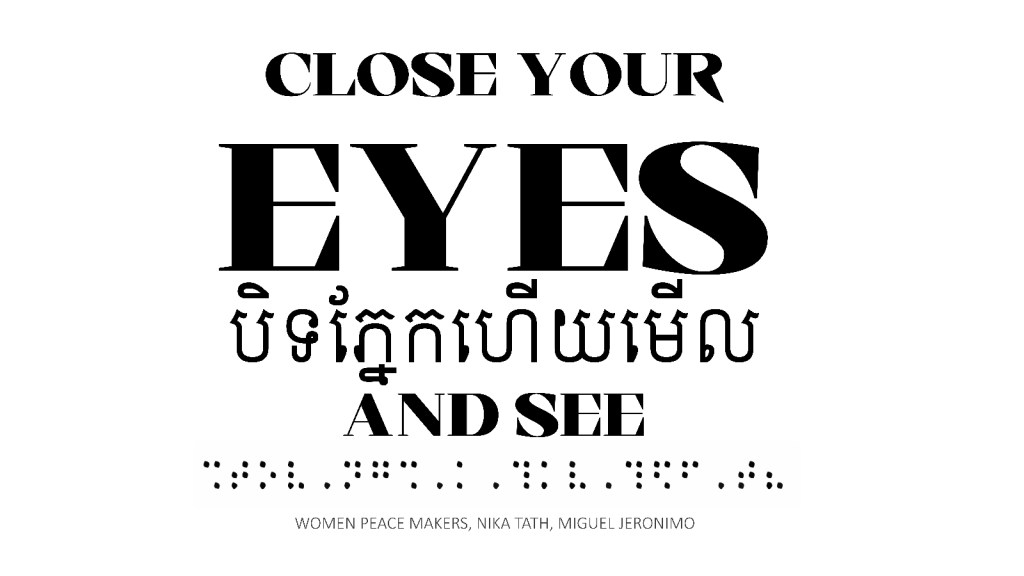
An art exhibition of tactile art and sensorial experiences based on blind people’s everyday lives in Cambodia and how they explore the world around them through other senses. Collaborating with nine trainees and Nika Tath (a blind entrepreneur who started the first Seeing Hands massage center more than twenty years ago and trained hundreds of blind people to become massage therapists as a way to earn an income and become independent individuals) with the main objectives to raise awareness on blindness and the lives of PwD, this project addresses issues of inclusion and accessibility, celebrate diversity and represents PwD in a positive and empowered manner. Furthermore, it addresses the wish that blind people want sighted people to understand and give time and patience when dealing with them; it wants to show the general public that people with disabilities can also go out and have fun, enjoy hanging out in public places or doing common activities, while having a career and being independent. (Note: the dots below are the sentence ‘Do you see me?’ in Cambodian braille.)
“I dream all of us are given the opportunity for employment, social engagement and communication. I want everyone to value and recognize our abilities more than our disabilities.” – Nika Tath.
This blind art exhibition gives the audience a brief experience of what it means to be blind in various positive and negative situations. Participants will taste food, receive a short massage, navigate simulated streets in Phnom Penh and try to accomplish various tasks in a room, going to supermarket, etc. This activity is meant to build empathy for them and encourage the public to mobilize to support their needs and fight for better inclusion.
All steps on the process of creating this exhibition were co-created with a group of trainees, to learn more on the stories of the blind individuals involved in this project (click full screen to read the captions).
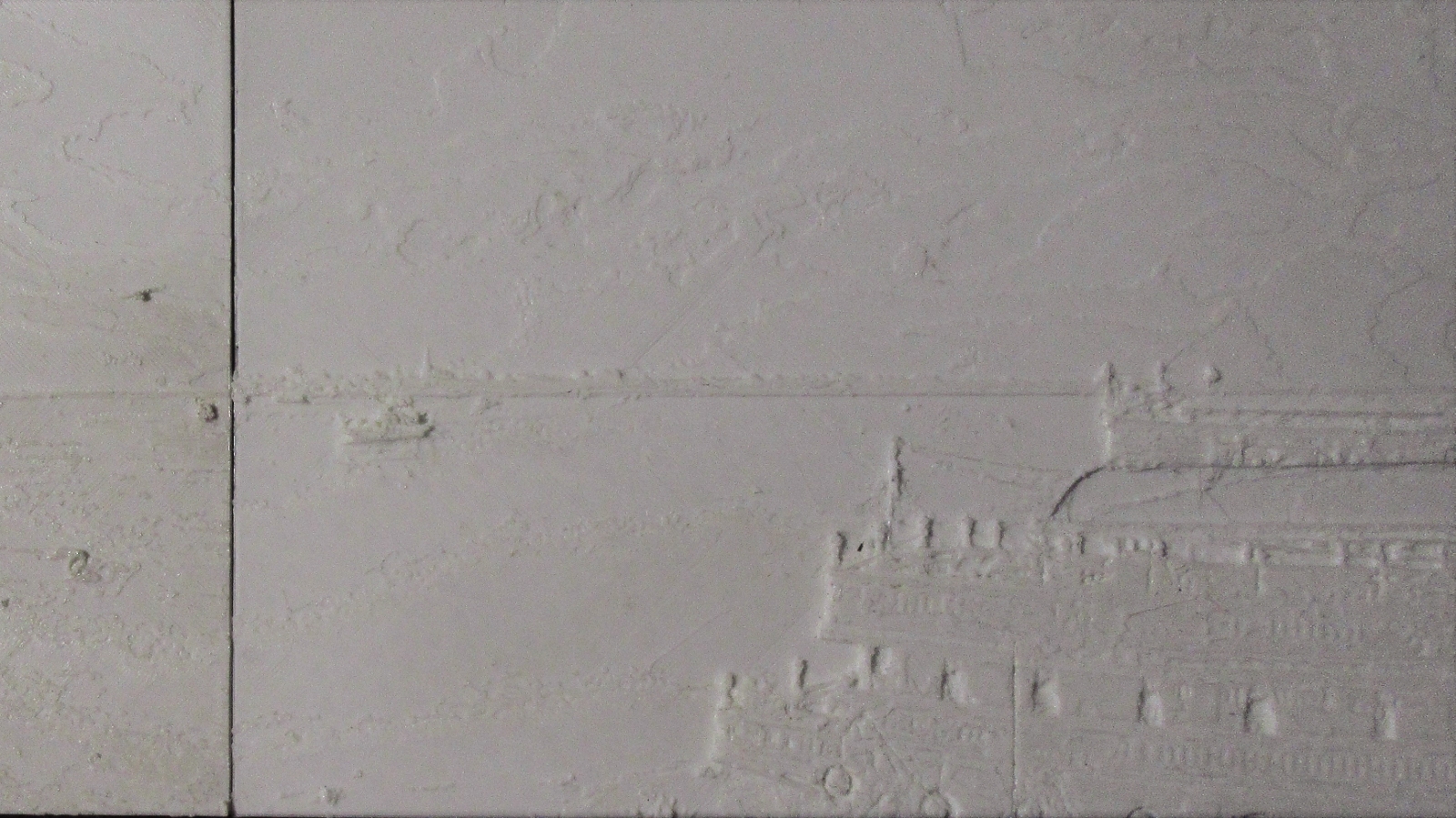
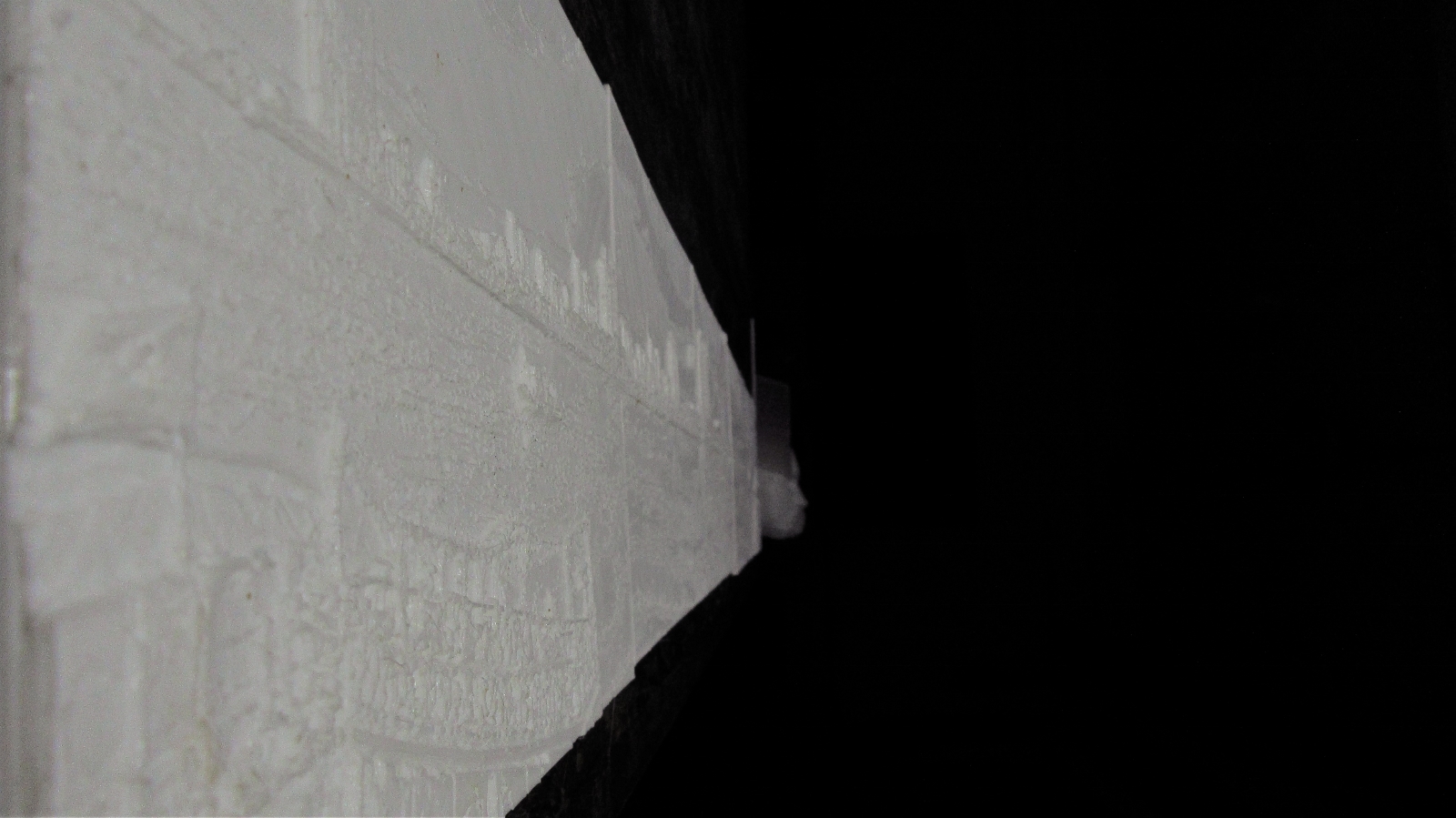
From the curatorial note at the entrance of the exhibition: This exhibition is all in the dark. Please be careful and use one of the walking sticks provided. Follow the guide and try to navigate in the space with small steps, paying attention to sound and using your hands to explore your surroundings. On the first part of the exhibition you will find various tables with objects to gently touch, from clay figurines made by the blind trainees, related to their memories or things they value, to 3D printed portraits of the artists or a scene in the Phnom Penh’s riverside, a place many in our group chosen as their favorite place to hangout. Hear the field recordings taken there, the sounds that captured their attention when they hangout there, and feel the breeze of the wind coming from the river. Follow the sound to keep moving forward. On the second part of the exhibition is a simulation of ‘a day in the life’ of one of our artists. First experience being at home and finding objects and other common items, then come to the street and walk carefully along different pavements — now you can feel the challenges of a blind person walking in a street in Phnom Penh. Watch out for the construction work area, and reach the parker bicycles so you know your arrived to the market. Try to differentiate the different products in the shelves by touch, and when you bought what you need you can finally walk towards the final destiantion, a massage center — the place where they feel accepted and valued. But a special massage center, feel the grass under your feet, listen to the peaceful nature noises and relaxing fragrances, it was model after Nika’s dream of creating a massage center in the middle of nature. You can approach the clay model’s body with your hands to perform the activity all our blind trainees do that makes them independent.

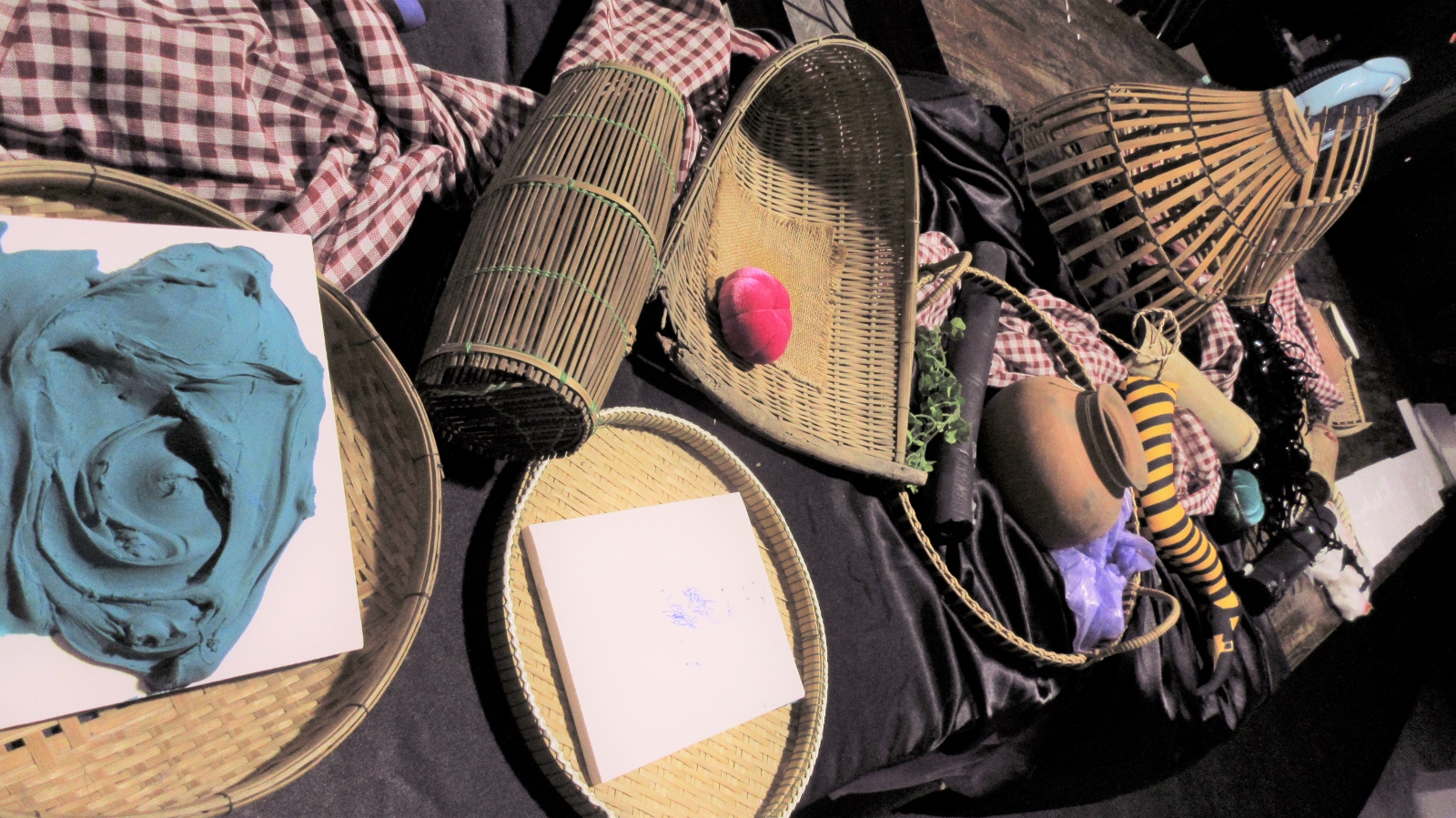
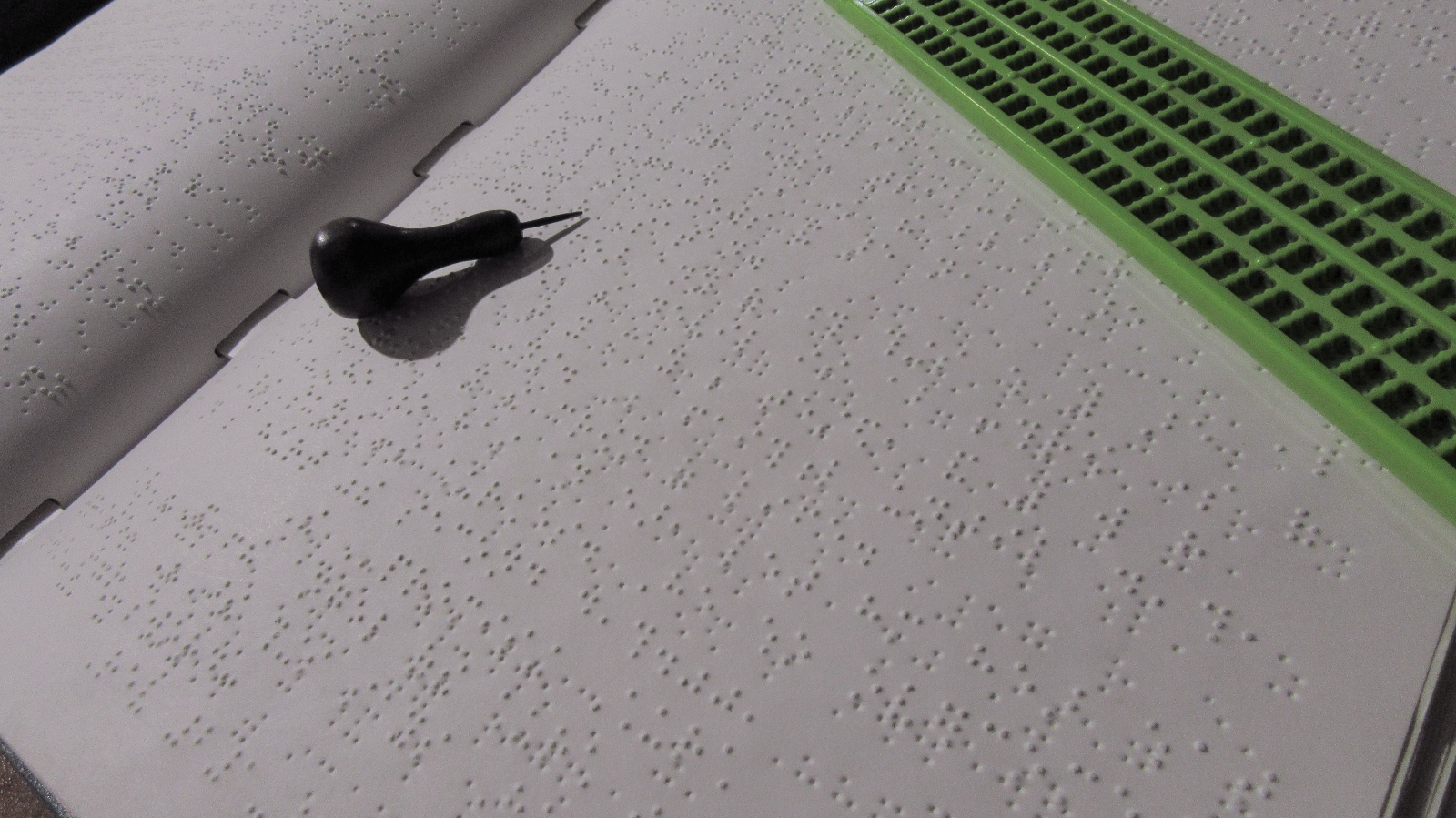
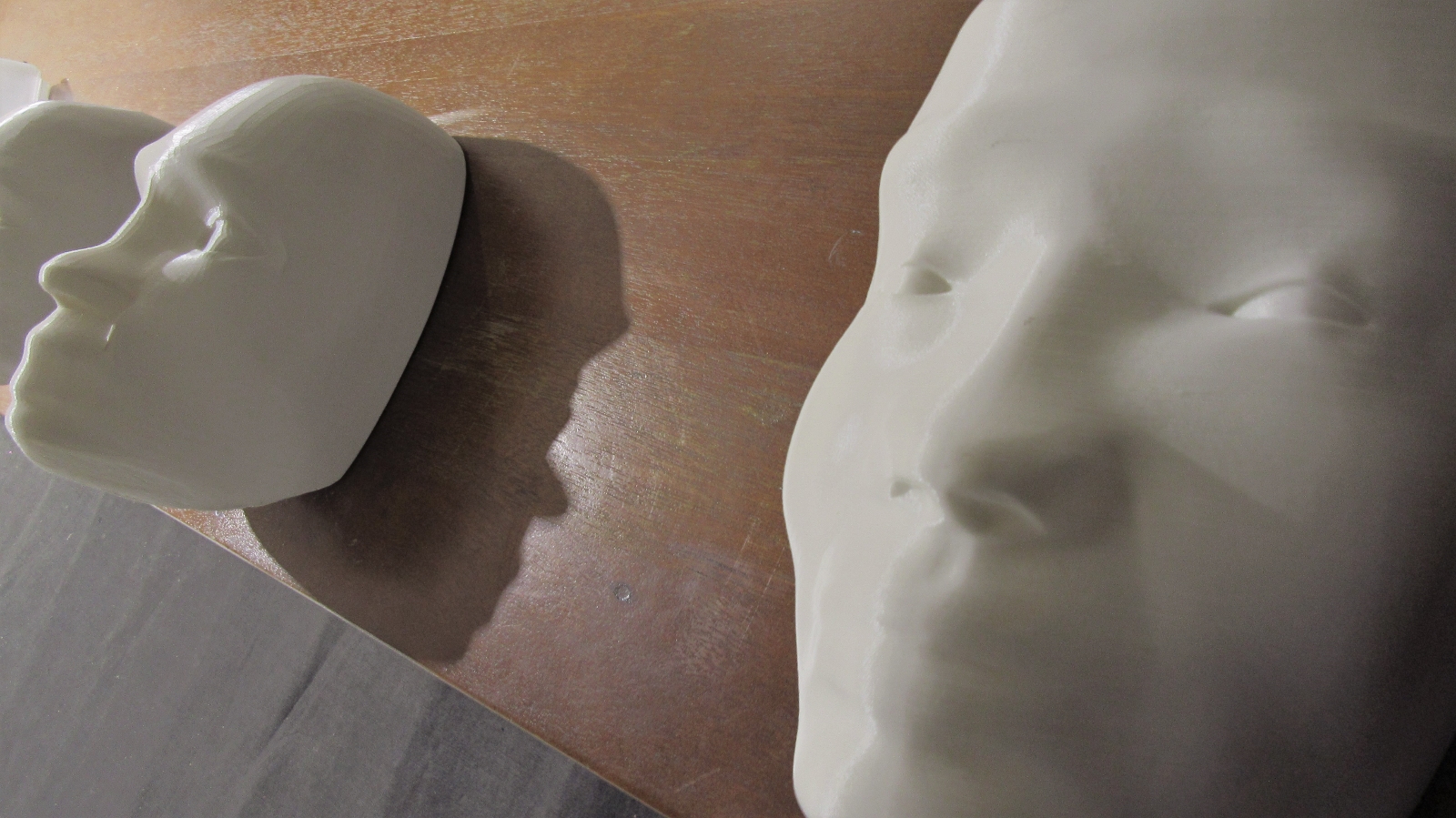
For me the process of making art, as anything in life, should be as inclusive as possible. Anything made with purpose can be art, and accessible for everyone. My collaboration with this group of amazing individuals, who are independent and empowered despite their blindness, was focused on listening to their stories and trying to come up with objects that symbolize them. Without vision, other senses get stronger, so the breeze, smells and sounds of the surroundings feel stronger.
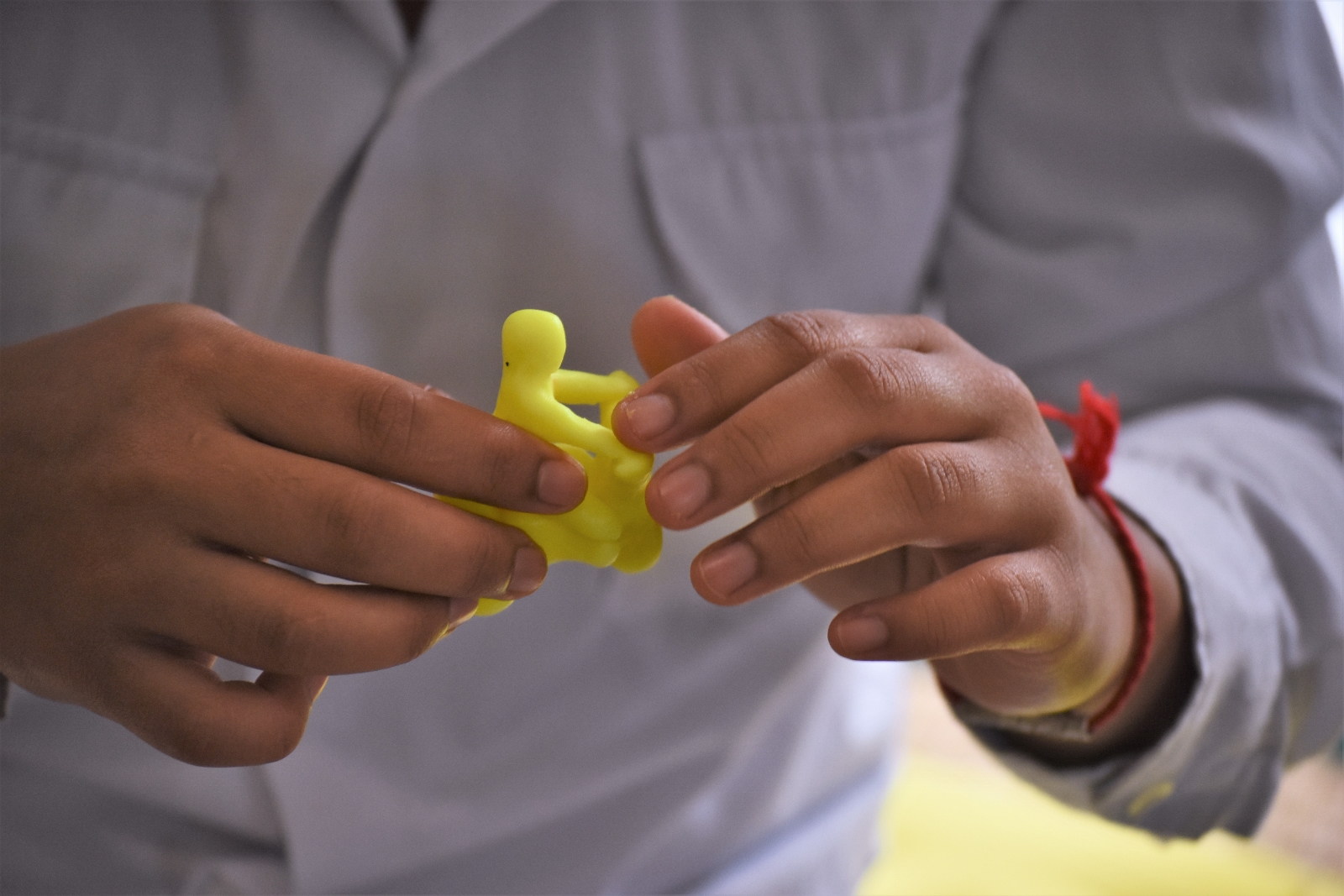
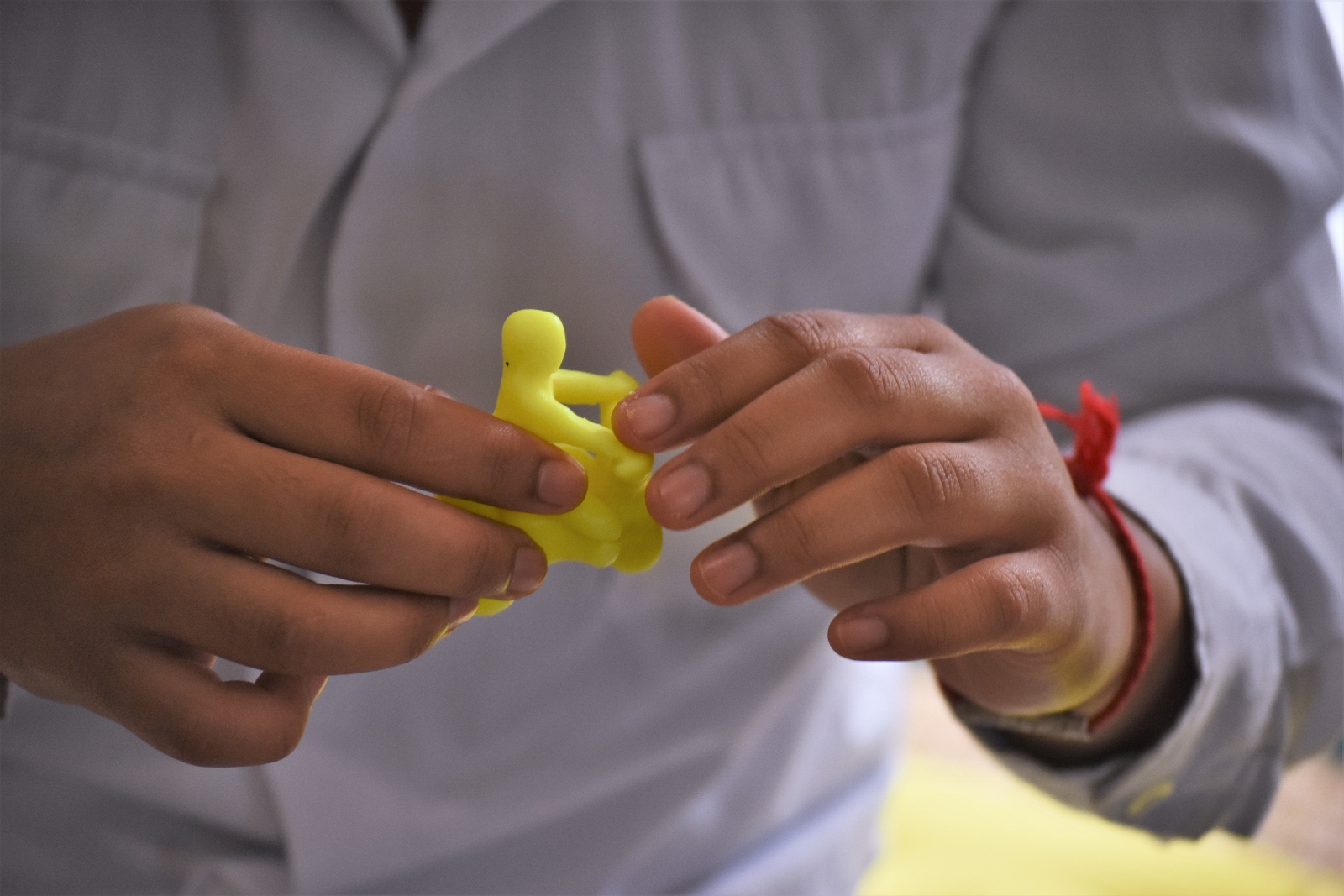
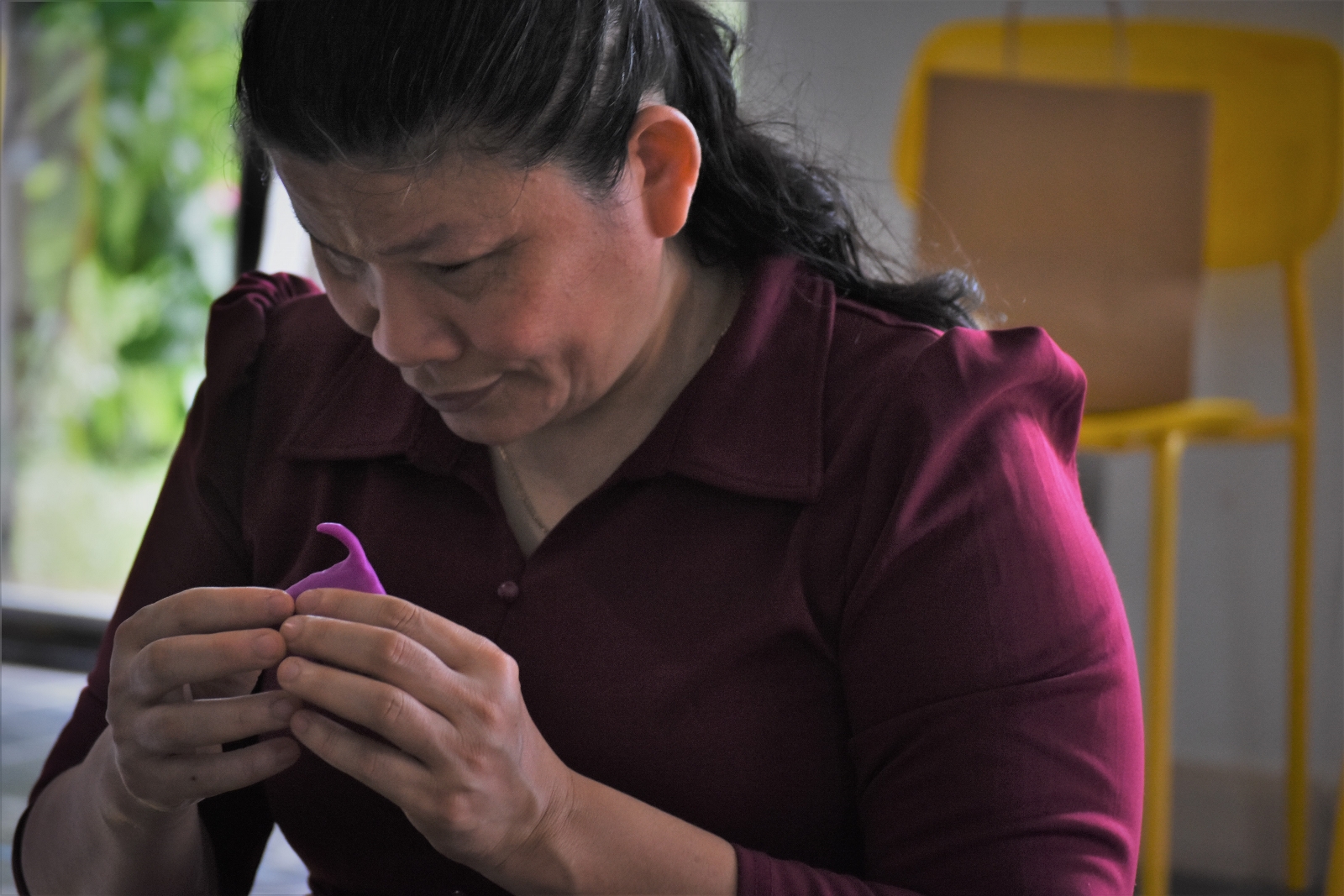
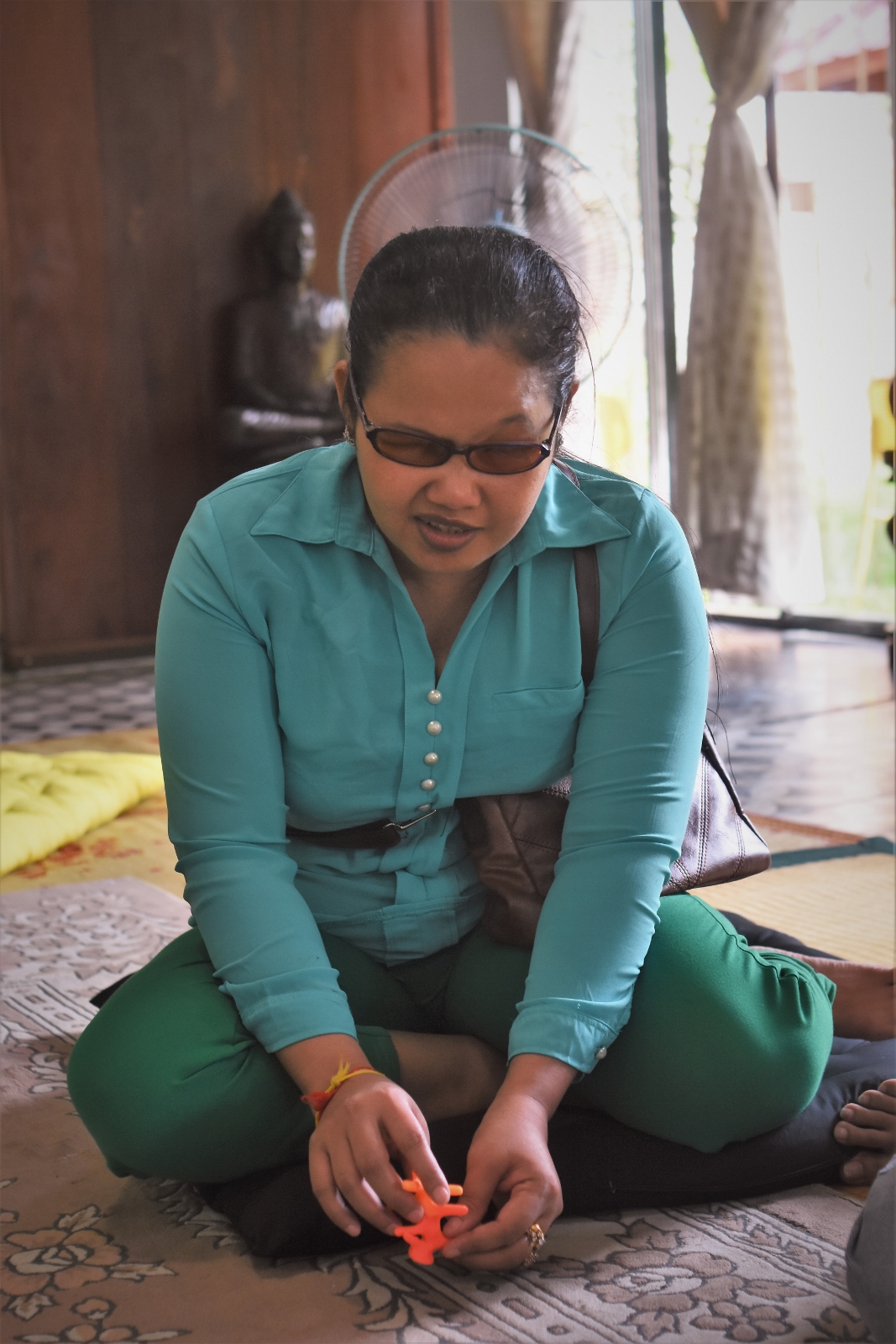
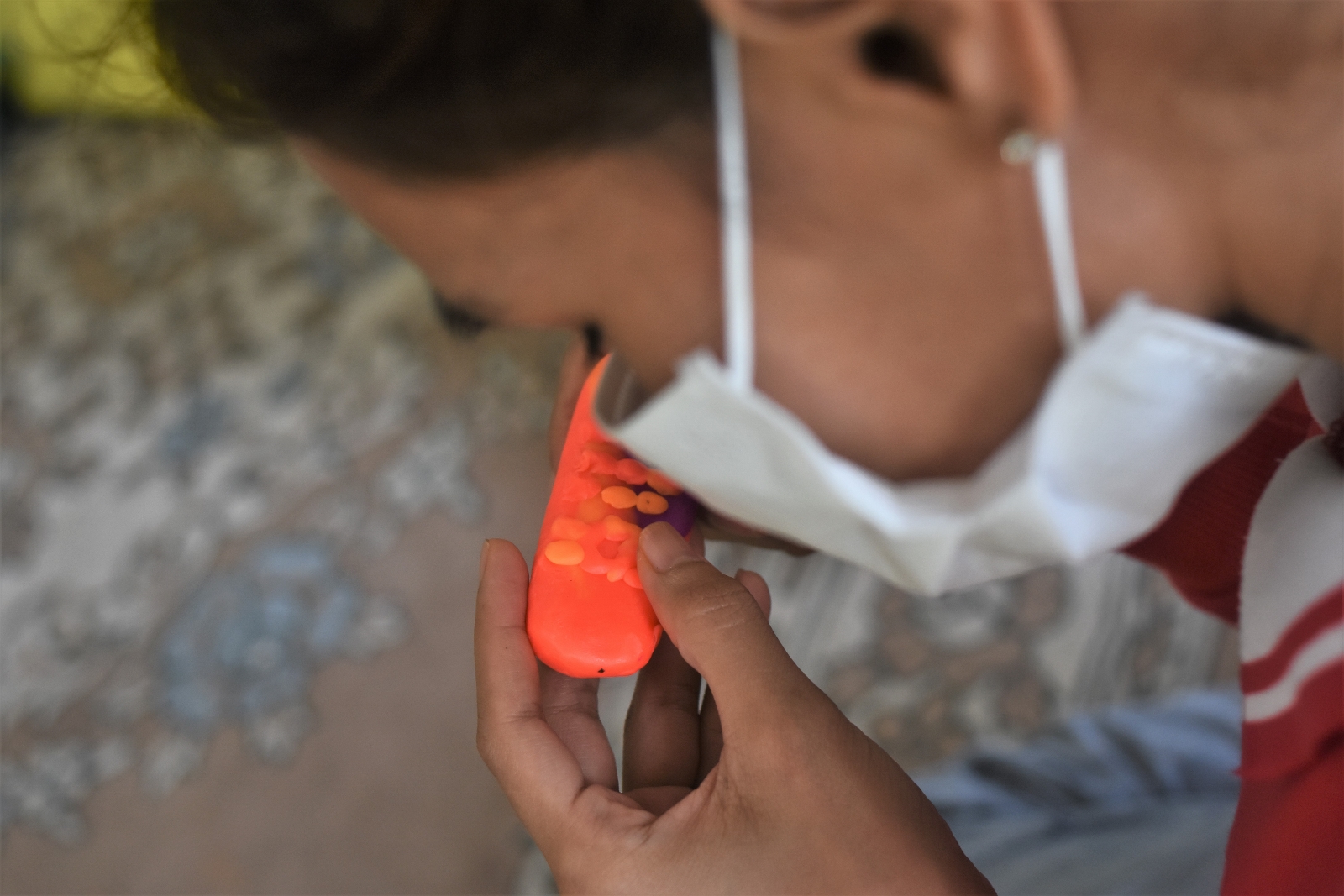
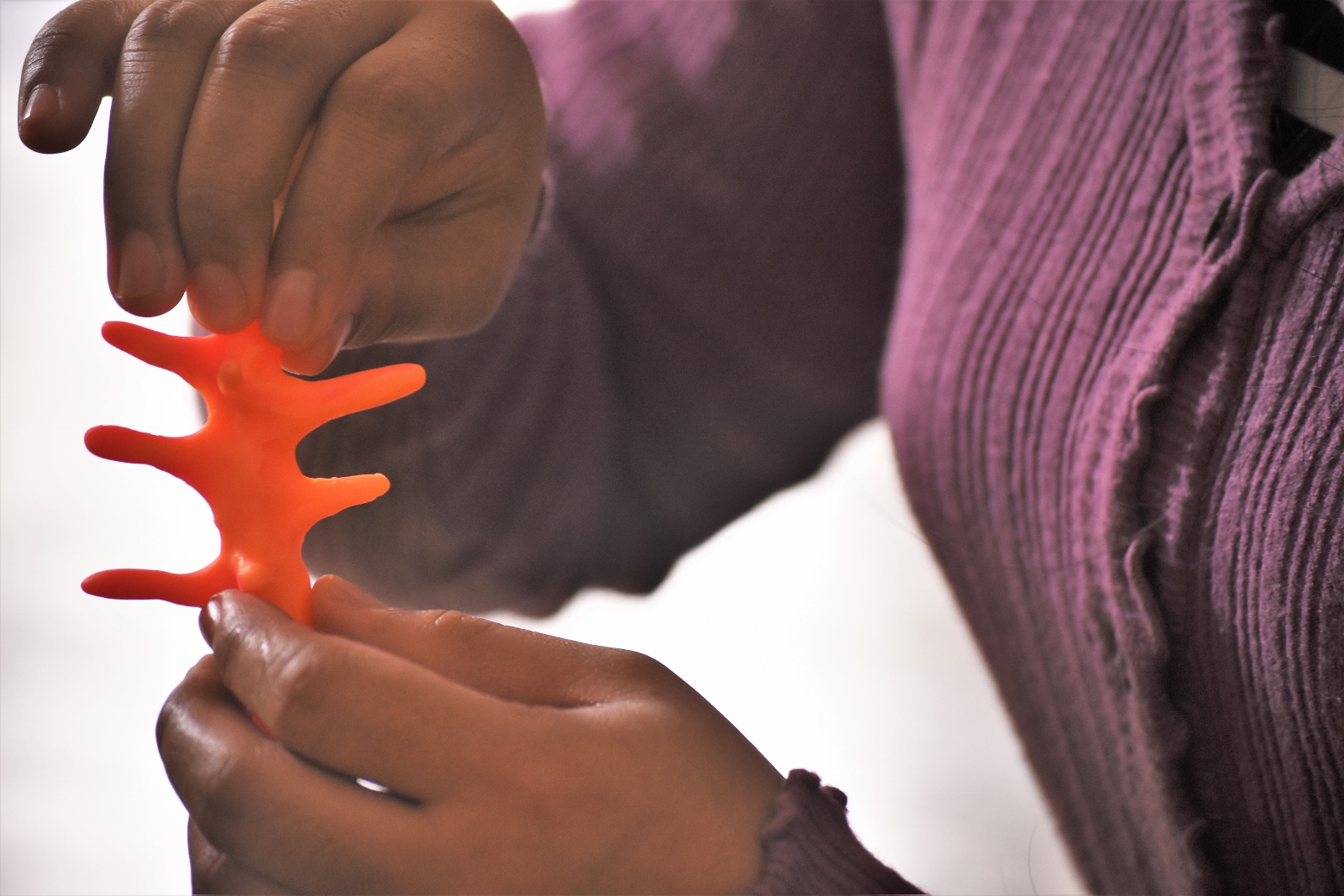
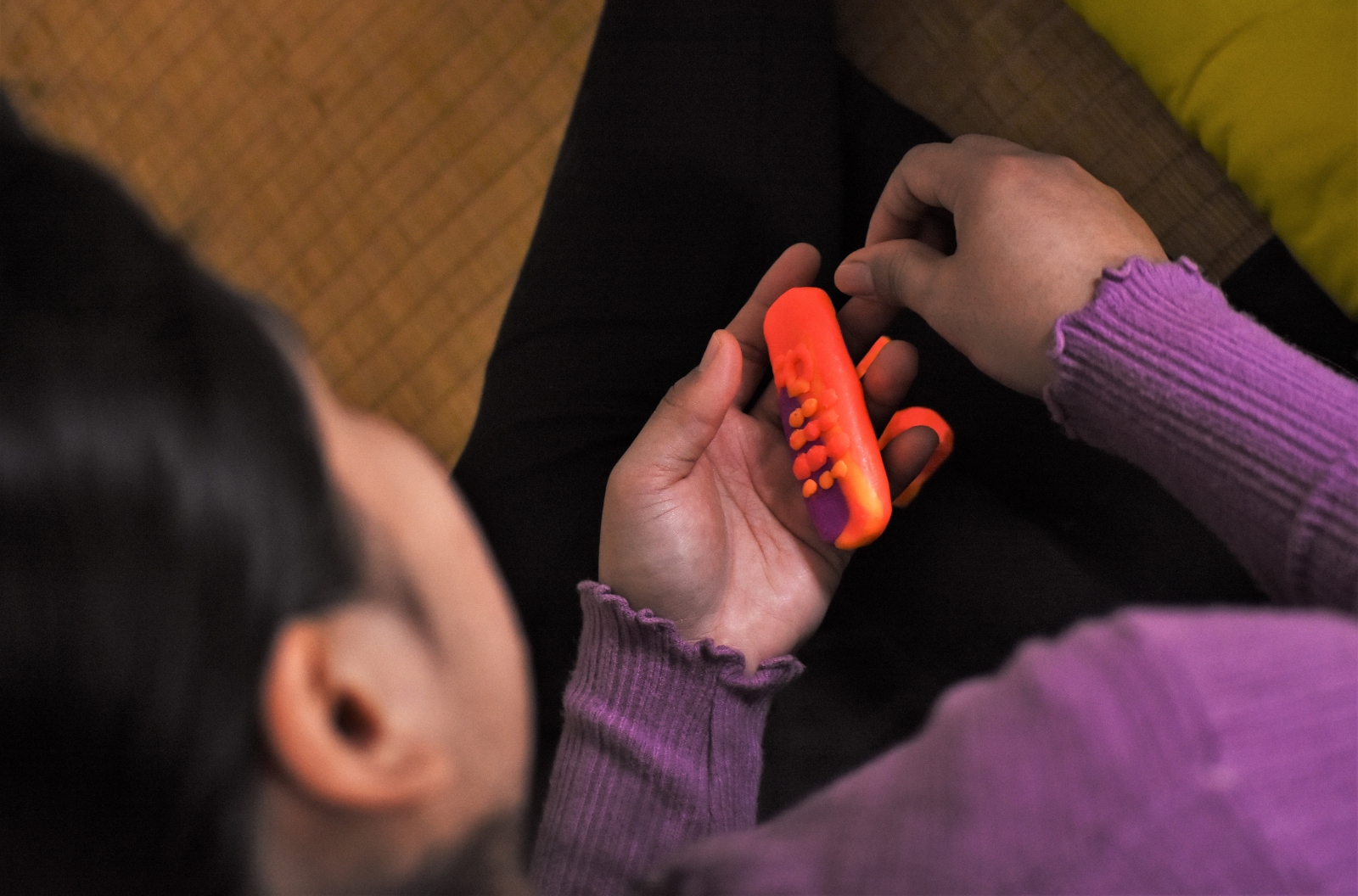
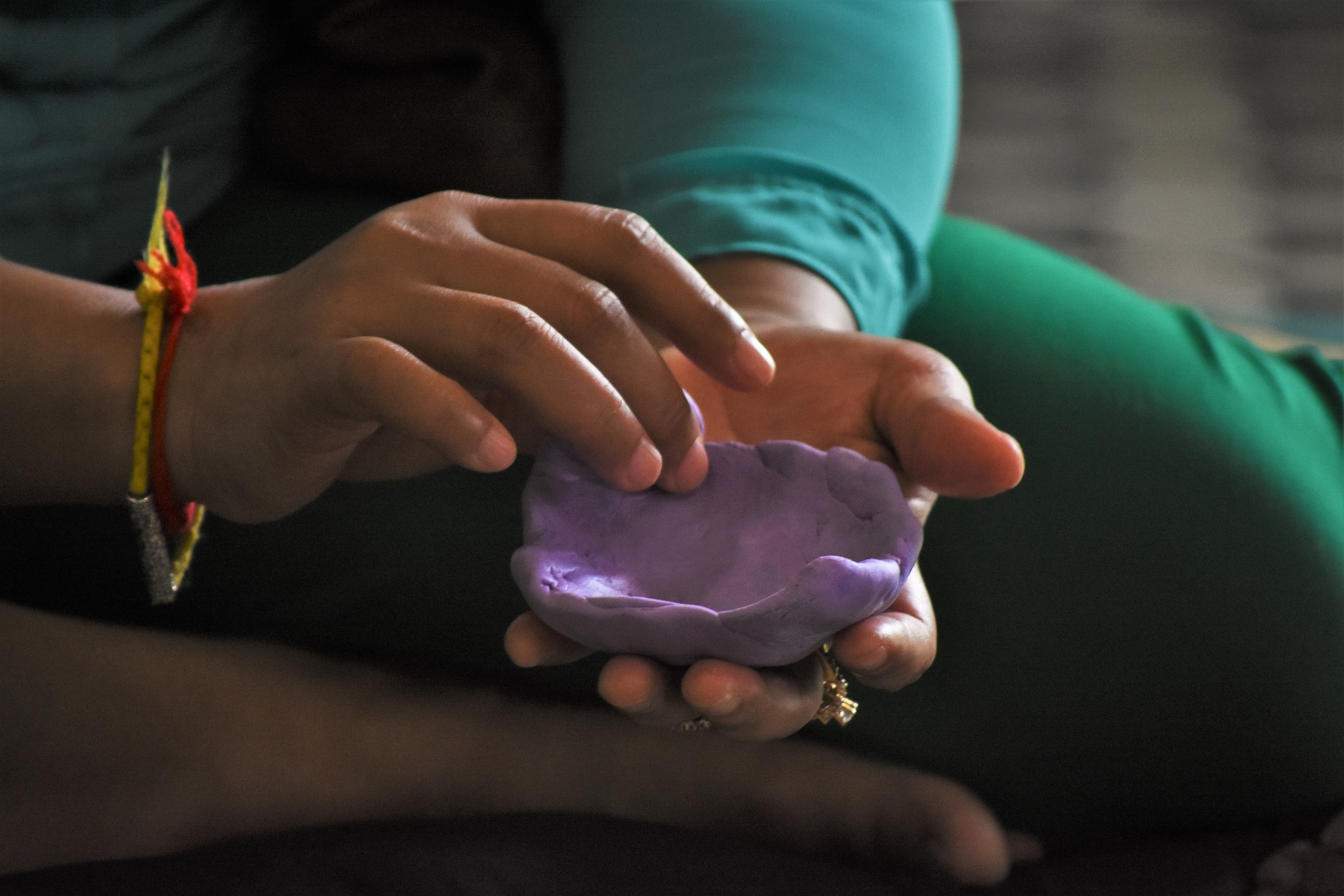
Or for instance how the sensations of touching different fabrics when buying clothes become more important than what they might look, besides the imagination and capacity to recognize patterns and objects with the hands. Everything in the exhibition room comes from ideas brought up in interviews and a workshop with the trainees. Including various clay objects they sculpture themselves according to their memories, experiences, values, dreams:
“When I was young I could see, and used to drive a bicycle. So that’s what I could visualize.” (Sreyda)
“កាលខ្ញុំនៅក្មេង ខ្ញុំអាចមើលឃើញ និងធ្លាប់ជិះកង់។ ដូច្នេះនេះជាអ្វីដែលខ្ញុំអាចស្រមៃឃើញ»។ (ស្រីដា)
“My sculpture is a metaphor for focus, to pay attention to one thing to study, a way to find money to support my mother.” (Oun Thoeurn)
រូបចម្លាក់របស់ខ្ញុំ គឺជាពាក្យប្រៀបធៀបមួយសម្រាប់ការផ្តោតអារម្មណ៍ យកចិត្តទុកដាក់លើការងារដែលខ្លួនធ្វើ និងបំពេញការងារដើម្បីផ្តត់ផ្គង់គ្រួសារ។ (អួន ធឿន)
“I never saw anything since I was one year old so is hard to visualize, but I would love to build a house from my imagination. I want a house with a massage room, nearby a waterfall and a lot of trees and grass, somewhere on the mountains.” (Nika Tath)
“ខ្ញុំមិនដែលមើលឃើញអ្វីទេ តាំងពីខ្ញុំអាយុ១ឆ្នាំមកម្ល៉េះ ដូច្នេះវាពិបាកក្នុងការស្រមៃ ប៉ុន្តែខ្ញុំចង់សង់ផ្ទះតាមការស្រមៃរបស់ខ្ញុំ។ ខ្ញុំចង់បានផ្ទះមួយដែលមានបន្ទប់ម៉ាស្សា ក្បែរទឹកជ្រោះ ហើយមានដើមឈើ និងស្មៅច្រើន នៅកន្លែងណាមួយនៅលើភ្នំ»។ (តាត និ្នការ)
“My sculpture is a tool for writing braille and is about how difficult is for blind people to learn and being dependent on the ones who can see. They need to understand our struggles and how braille can be a way for us to get an education, similar to a pen for sighted people, that’s what I wanted to share (Chen Tha)
“រូបចម្លាក់របស់ខ្ញុំគឺជាឧបករណ៍សម្រាប់សរសេរអក្សរស្ទាប ហើយនិយាយអំពីរបៀបដែលមនុស្សមានពិការភាពភ្នែក មានការលំបាកនៅក្នុងការសិក្សា ដោយពឹងផ្អែកលើអ្នកដែលអាចមើលឃើញ។ ពួកគេគួរតែស្វែងយល់ពីការតស៊ូរបស់យើង និងរបៀបដែលអក្សរស្ទាបអាចជាមធ្យោបាយសម្រាប់យើងដើម្បីទទួលបានការអប់រំ ស្រដៀងទៅនឹងប៊ិចសម្រាប់មនុស្សដែលមើលឃើញ នោះហើយជាអ្វីដែលខ្ញុំចង់ចែករំលែក។ (ចេន ថា)
“I made a football because I remember when I was young and could see, we didn’t have tv and I remember to go watch people playing football.” (Von Chan)
ខ្ញុំបានបង្កើតបាល់ទាត់មួយ ព្រោះខ្ញុំចាំថាកាលខ្ញុំនៅក្មេង ហើយអាចមើលឃើញ យើងអត់មានទូរទស្សន៍ទេ ហើយខ្ញុំចាំថាកាលនោះខ្ញុំទៅមើលគេលេងបាល់ទាត់»។ (វុន ចាន់)
“I made a drawing of two trees because when I was 14 years old I became blind, was difficult to walk and I used to go against the trees I had near my house, where we also had a pond. And also made a smartphone with clay because it’s such an important tool for people with disablities to get out of home and find something to do [e.g. traveling independently using a ride hailing app.]” (Thai Doungnetra)
ខ្ញុំបានគូរដើមឈើពីរដើម ព្រោះកាលខ្ញុំអាយុ ១៤ ឆ្នាំ ខ្ញុំបានពិការភ្នែក ពិបាកដើរ ហើយខ្ញុំធ្លាប់ទៅប៉ះនឹងដើមឈើដែលនៅក្បែរផ្ទះ ហើយកន្លែងហ្នឹងក៏មានស្រះទឹកផងដែរ។ ហើយក៏បានធ្វើទូរសព្ទឆ្លាតវៃជាមួយនឹងដីឥដ្ឋផងដែរ ព្រោះវាជាឧបករណ៍ដ៏សំខាន់សម្រាប់ជនមានពិការភាពក្នុងការចេញពីផ្ទះ និងស្វែងរកអ្វីដែលត្រូវការ [ឧ. ការហៅយានជំនិះនៅពេលដែលធ្វើដំណើរចេញទៅក្រៅម្តងៗ។]” (ថៃ ដួងនេត្រា)
“I made a person with a walking stick because I remember when my teacher distribute them to me and other students, and how important they are to blind people for transportation and allowing us to move.” (Oun Chenda)
“ខ្ញុំបានធ្វើរូបមនុស្សម្នាក់ដែលមានឈើច្រត់ ព្រោះខ្ញុំចាំថាពេលដែលគ្រូរបស់ខ្ញុំចែកវាឱ្យខ្ញុំ និងសិស្សដទៃទៀត ឈើច្រត់មានសារៈសំខាន់ណាស់ចំពោះមនុស្សពិការភ្នែកសម្រាប់ការដឹកជញ្ជូន និងជួយយើងក្នុងការផ្លាស់ទី។” (អូន ចិន្តា)
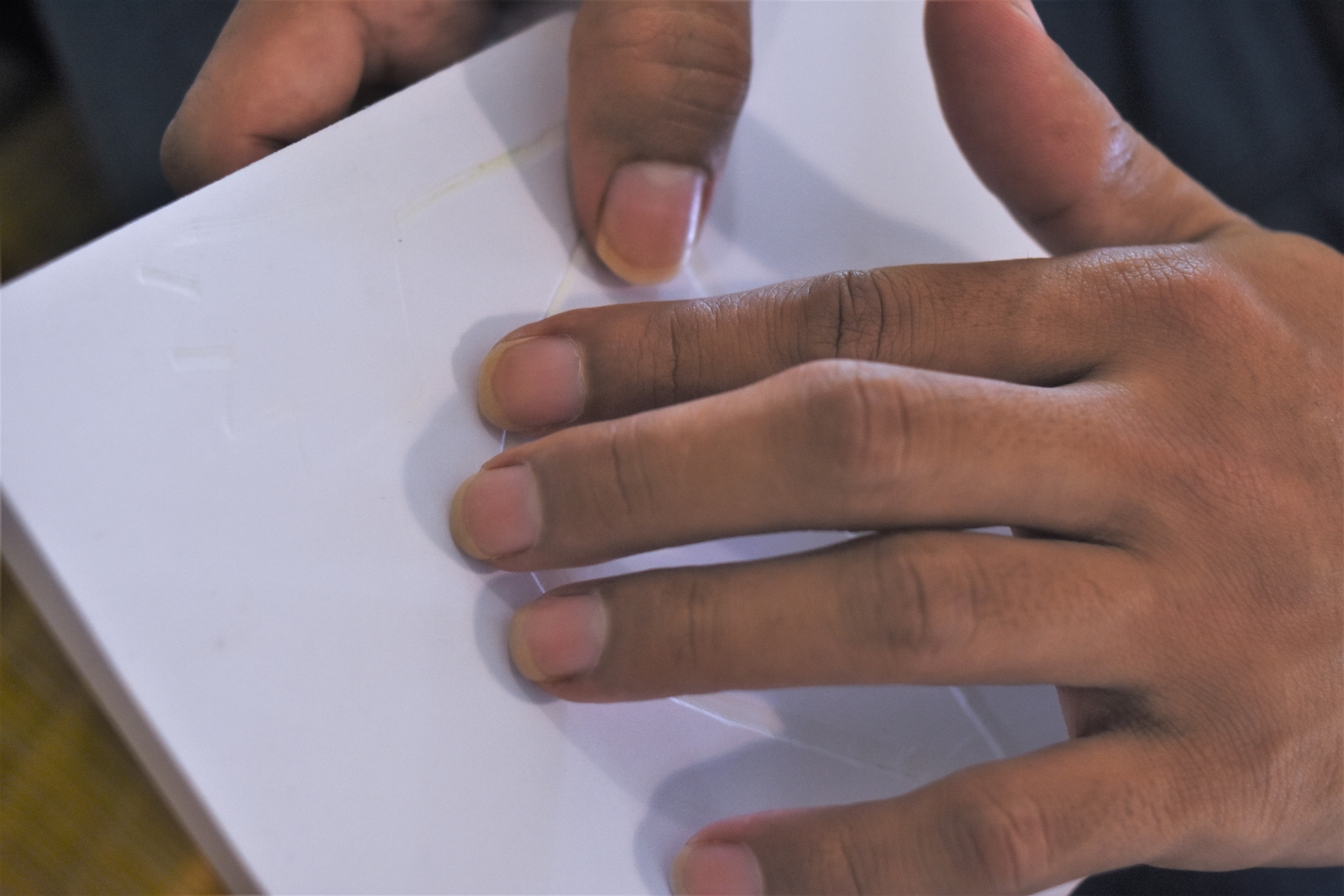
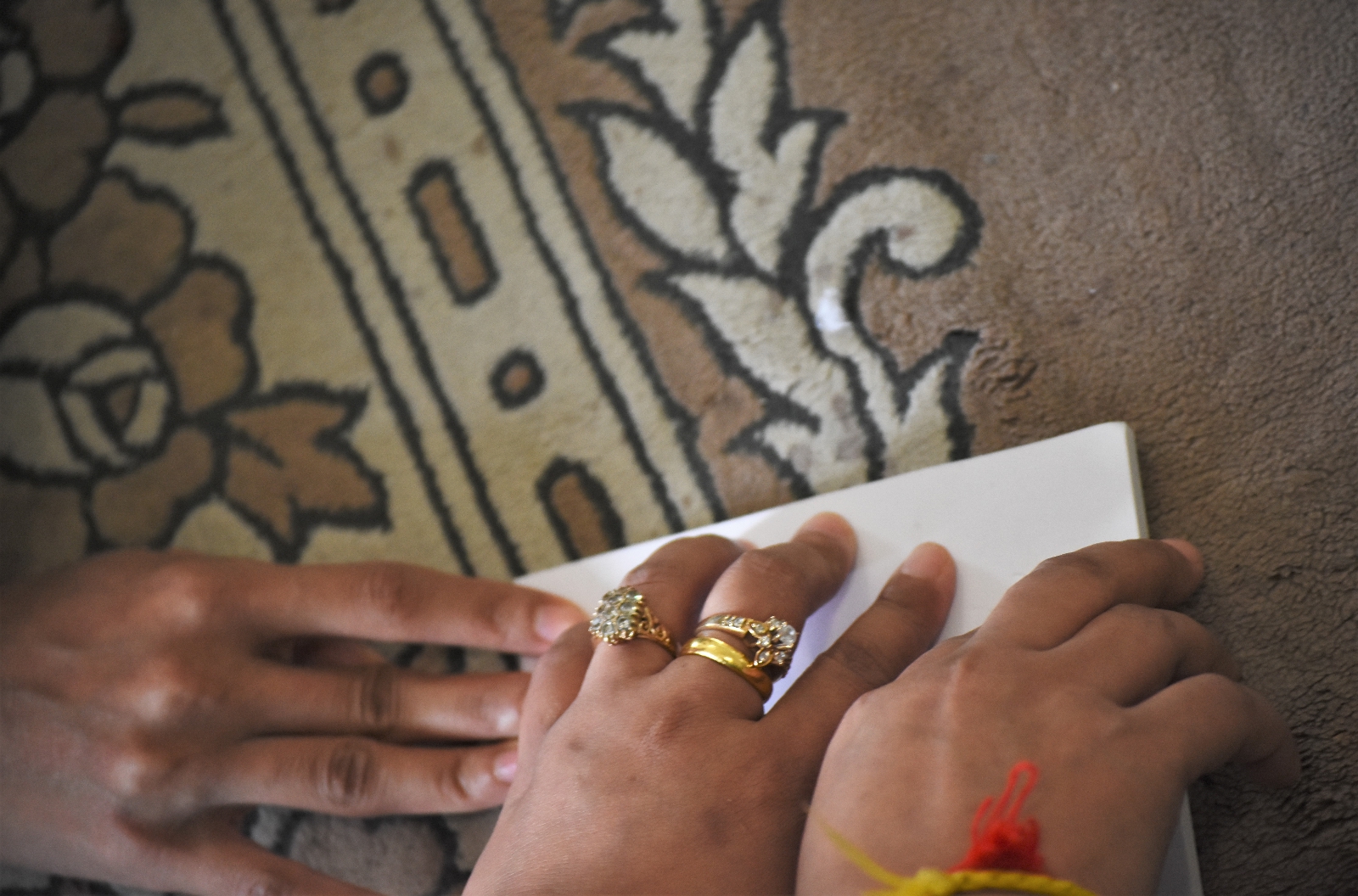
Some pictures from the workshop:
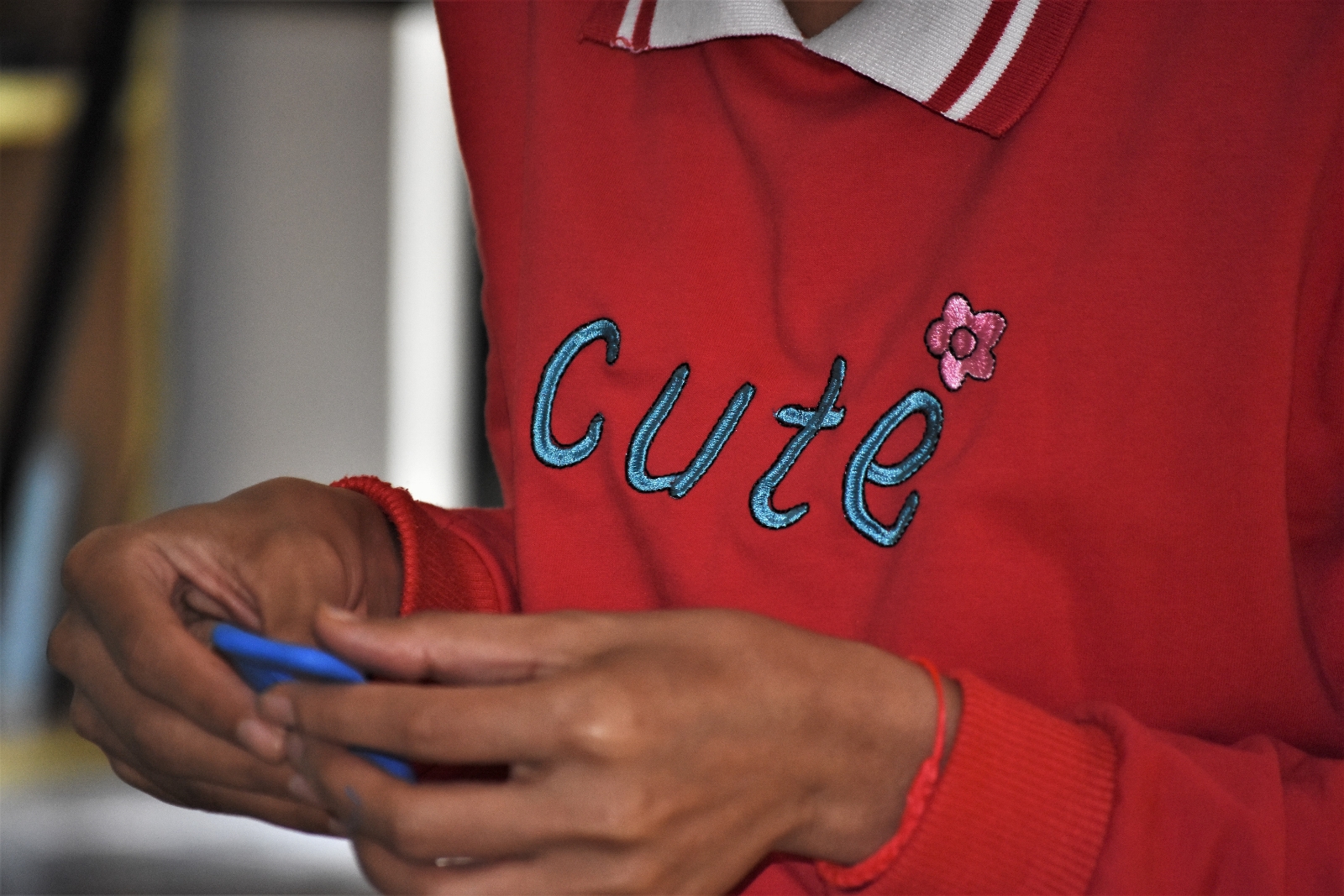

A warm thanks to Nika Tath from Seeing Hands massage and Women Peace Makers, without whom this exhibition would not be possible.
And last but not least, to all the blind massage trainees who shared their lives and courage to keep fighting for empowerment and inclusiveness.
 miguel jeronimo photography